Adaptive Reuse: Repurposing Old Structures in New Land Developments
14 April 2026
Picture this—you’re strolling through a neighborhood, and instead of the typical cookie-cutter new builds, you see an old warehouse transformed into a trendy apartment complex. That’s adaptive reuse in action, my friend. It’s where history meets innovation, giving forgotten structures a new lease on life with a modern twist.
With space becoming scarcer and sustainability taking center stage, developers are waking up to the beauty (and practicality) of adaptive reuse. But what exactly is it, and why should we care? Buckle up—we’re about to dive deep into the bold, sassy world of repurposing old structures in new land developments. 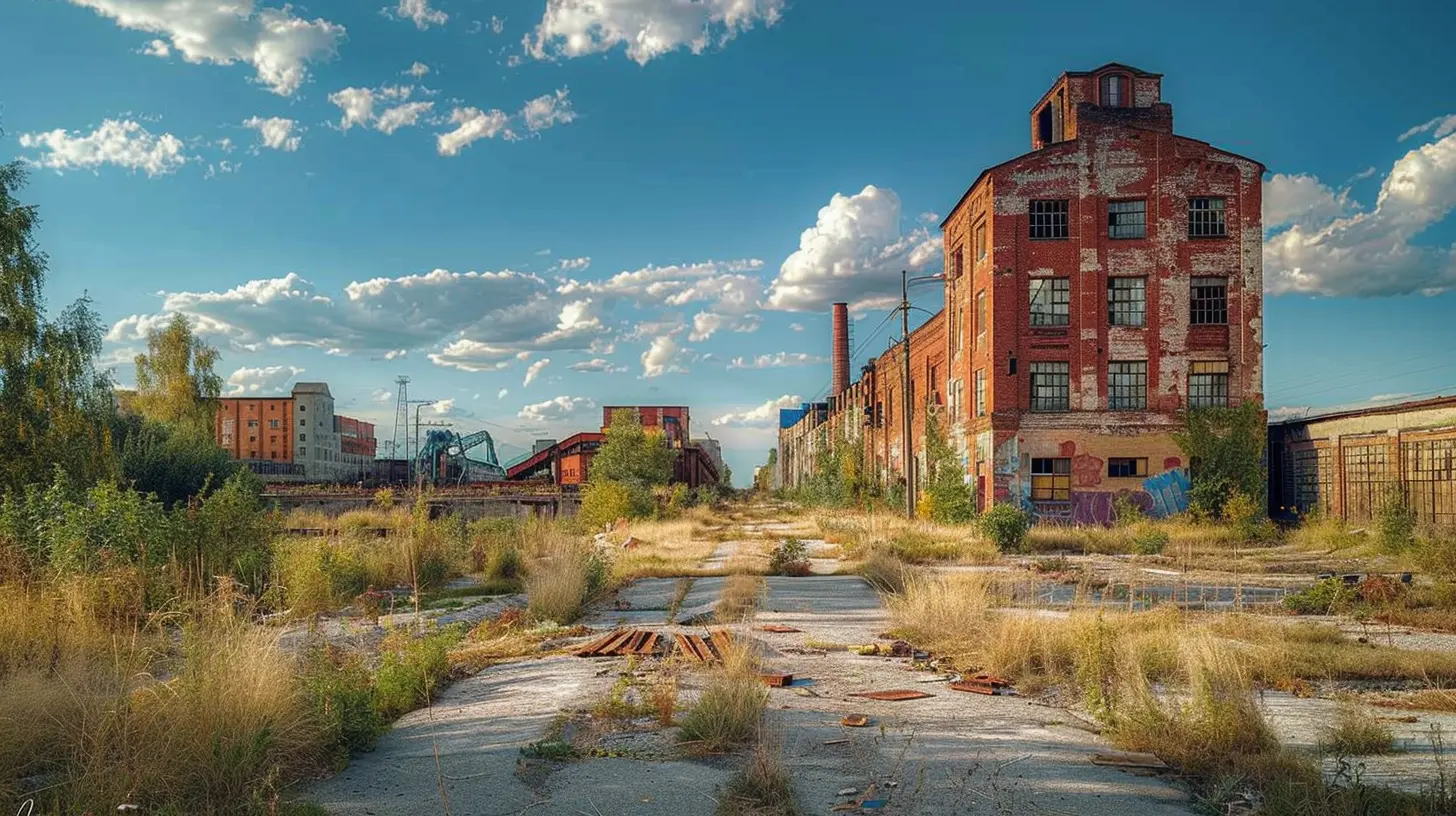
What Is Adaptive Reuse?
Adaptive reuse is exactly what it sounds like—taking old buildings and repurposing them for something new instead of tearing them down. Think of it as giving an outdated wardrobe a stylish makeover rather than tossing it in the trash.Instead of demolishing a factory and building a new office space from the ground up, developers work with what’s already standing and transform it into a functional, aesthetically appealing, and eco-friendly masterpiece.
Sounds like a win-win, right? Well, it is—but it’s not always a walk in the park. 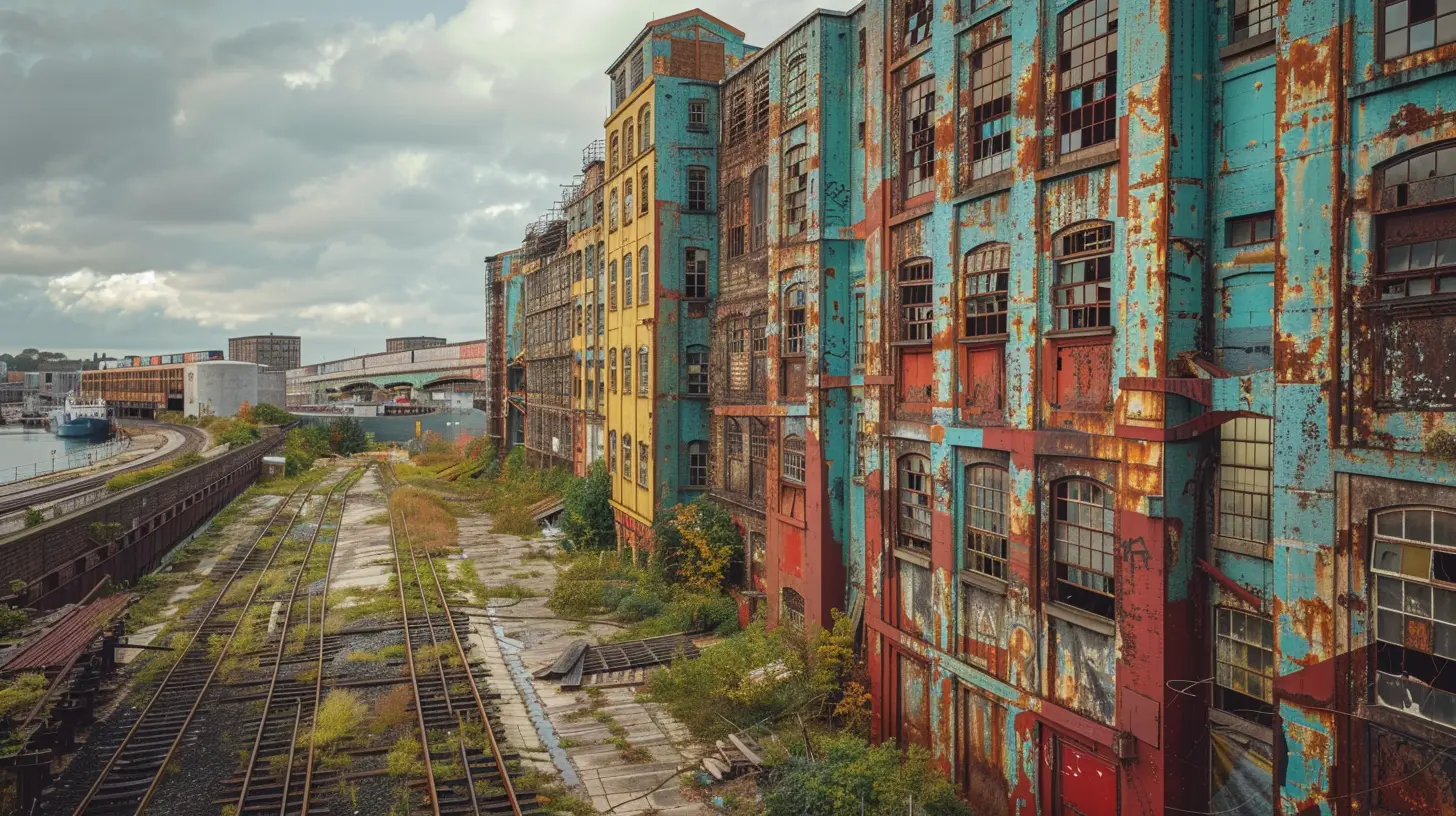
Why Adaptive Reuse Is the Future of Real Estate
So, why are developers turning to adaptive reuse instead of just constructing fresh buildings from scratch? Let’s break it down.1. Preserving History with a Modern Twist
There’s something undeniably charming about a historic building. Exposed brick, high ceilings, massive windows—these architectural gems tell a story. Instead of bulldozing history for a soulless new structure, adaptive reuse preserves character while adding modern amenities.Renovating a century-old school building into a luxury apartment complex? Now that’s how you mix the best of both worlds.
2. Sustainability at Its Finest
Here’s the harsh reality—construction is a major contributor to carbon emissions and waste. Razing old buildings means sending tons of debris to landfills, and let’s not forget the energy it takes to construct something new.Adaptive reuse cuts down on waste, reduces the need for new materials, and lowers the overall carbon footprint. It’s like going green without going broke.
3. Cost-Effective Development
Let’s be real—construction costs are through the roof. Between materials, labor, and unforeseen expenses, building from scratch can quickly drain a budget.Repurposing existing structures can often be more cost-effective since the bones of the building are already there. Sure, retrofitting comes with its own set of challenges, but often, it’s a smart financial move.
4. Faster Turnaround Times
Time is money, especially in real estate. While traditional construction can take years, adaptive reuse projects can often be completed faster since the framework already exists.The quicker a project is finished, the sooner tenants, businesses, or homeowners move in—turning an investment into profit in record time. 
The Challenges of Adaptive Reuse
Alright, let’s not sugarcoat things—adaptive reuse isn’t always the easiest route. There are hurdles along the way, and developers need to be prepared for them.Structural Limitations
Working with an old building means working with its quirks. Some structures weren’t designed to handle modern loads, layouts, or codes. Retrofitting plumbing, electrical, and HVAC systems can be a nightmare.Zoning and Compliance Issues
Just because a building exists doesn’t mean it can legally be repurposed for anything. Zoning laws, historic preservation rules, and building codes can throw major curveballs into the process.Unforeseen Costs
Think renovating your old kitchen was expensive? Try adapting a century-old warehouse into a sleek office space. Hidden issues—like asbestos, foundation problems, or outdated wiring—can blow a budget out of the water.Design Constraints
Not all buildings are flexible when it comes to new uses. A church might not seamlessly convert into an office, and an old factory might not have enough natural light to be a desirable apartment complex without extensive modifications.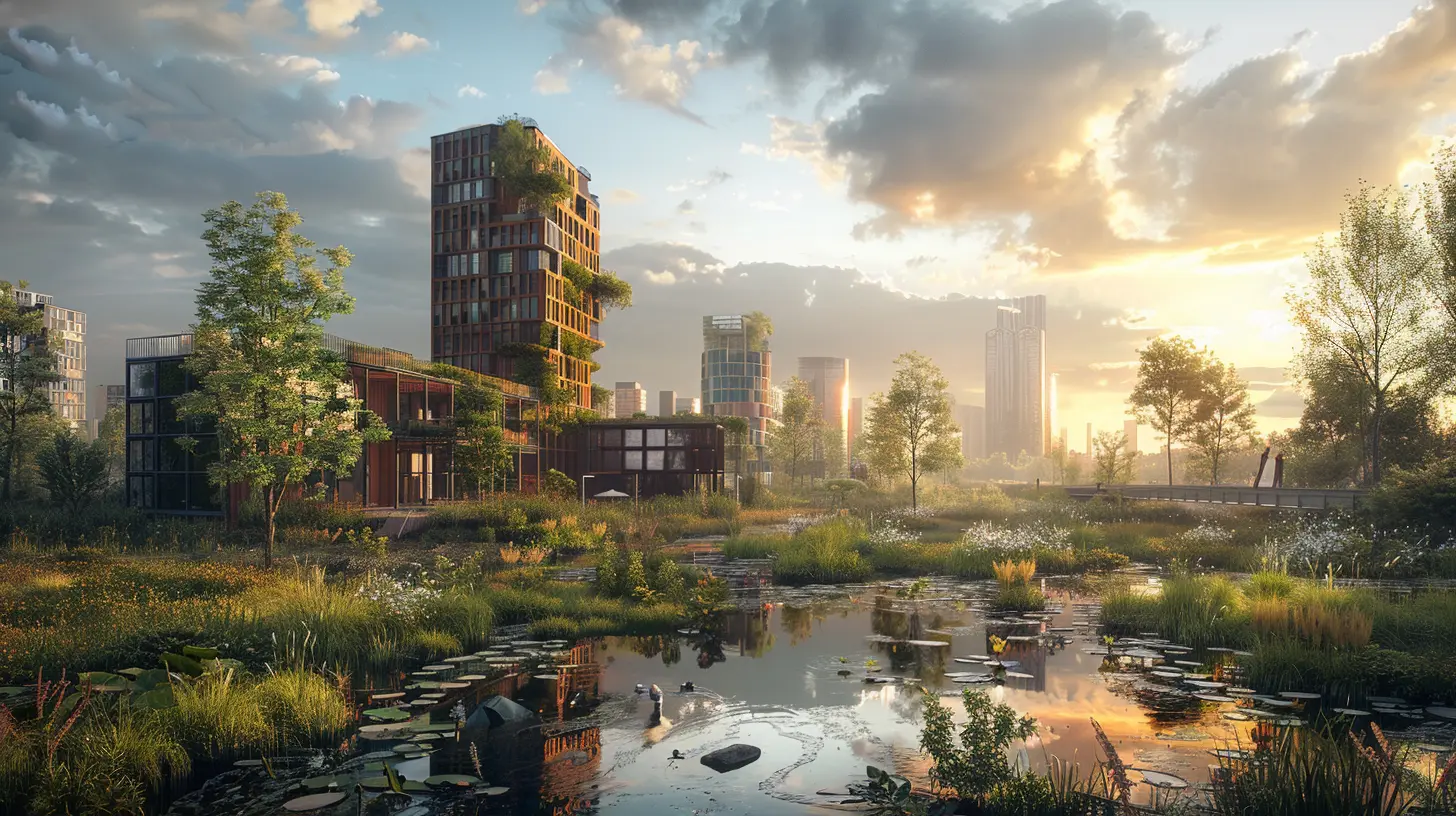
Examples of Adaptive Reuse Done Right
Let’s talk success stories—because when adaptive reuse is done well, it’s pure magic.1. The High Line, New York City
What was once an abandoned, elevated railroad track is now one of NYC’s most popular parks. Instead of demolishing the structure, developers turned it into a green space with walking paths, gardens, and incredible city views.2. Tate Modern, London
A former power station transformed into one of the most visited modern art museums in the world? Yes, please. The Tate Modern in London is proof that industrial buildings can be reborn into cultural landmarks.3. Ponce City Market, Atlanta
This massive former Sears warehouse in Atlanta was transformed into a vibrant mixed-use space featuring shops, restaurants, offices, and apartments. It’s now a prime example of how adaptive reuse can breathe life into a city’s economy.The Future of Adaptive Reuse in Real Estate
Trendy? Absolutely. Practical? Without a doubt. The future of adaptive reuse is bright, and it’s only going to get bigger. With urbanization on the rise and environmental concerns growing, developers will increasingly look toward repurposing rather than replacing.From transforming defunct shopping malls into residential hubs to converting old churches into co-working spaces, the possibilities are endless.
Real estate is evolving, and adaptive reuse isn’t just a trend—it’s a movement. So, the next time you see an old warehouse-turned-loft, remember: this isn’t just real estate. It’s history, innovation, and sustainability wrapped into one.
Final Thoughts
Adaptive reuse is the bold, practical, and sustainable solution we didn’t know we needed. It preserves history, saves money, and gives tired buildings a second shot at greatness. Sure, it’s not without its challenges, but the reward? Totally worth it.If you’re in the real estate game, this is your wake-up call: the future isn’t about demolishing the past—it’s about reshaping it for tomorrow.
So, whether you’re a developer, investor, or just someone who appreciates a killer loft in a former factory, one thing’s for sure—adaptive reuse is changing the game. And honestly? We’re here for it.
all images in this post were generated using AI tools
Category:
Land DevelopmentAuthor:

Melanie Kirkland
Discussion
rate this article
2 comments
Theodora McNeal
Why demolish when you can dazzle? Old buildings have stories; let's give them a stylish second act.
May 5, 2026 at 12:08 PM
Melanie Kirkland
That's a great point. Many old buildings hold unique charm and history. With creativity, they can thrive in new contexts while preserving their stories.
Ryder Jackson
Love the idea of breathing new life into old buildings! It’s sustainable and makes neighborhoods unique!
April 14, 2026 at 3:35 AM
Melanie Kirkland
Thanks! I totally agree. Revitalizing these buildings not only preserves history but also adds character to our communities.