Buying vs. Renting After Downsizing: Which Option Is Better?
24 February 2026
Downsizing is a big move—literally. Whether you're an empty nester, retiring, or just ready for a simpler lifestyle, the decision to buy or rent your next home is a game-changer. Both choices have their perks and pitfalls, so how do you decide which one is the right fit for you? Let’s break it down and find out! 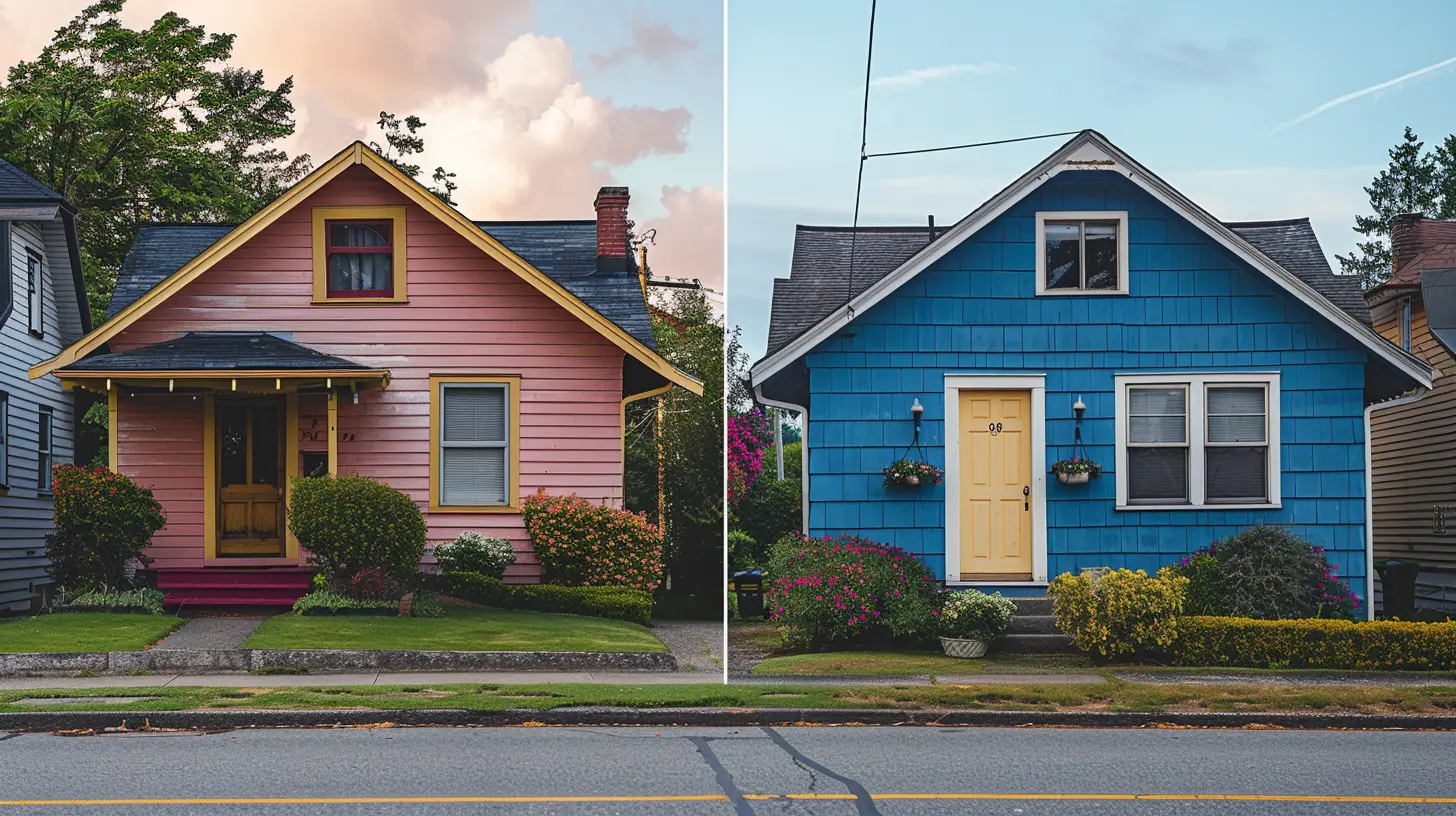
The Pros and Cons of Buying After Downsizing
Why Buying Might Be the Right Choice
1. Building Equity
When you buy a home, you're investing in real estate rather than just spending money on rent. Over time, your home can appreciate in value, helping you build wealth.2. Stability and Predictability
Owning a home means no sudden rent hikes or landlords deciding to sell the property. You control your space, which gives you long-term security.3. Tax Benefits
Owning a home comes with potential tax deductions, such as property taxes and mortgage interest, which can help lower your annual tax bill.4. Customization and Personalization
Hate the wallpaper? Want to knock down a wall to open up the kitchen? When you own the home, you can make changes without asking for permission.Why Buying Might Not Be the Best Idea
1. Higher Upfront Costs
Buying a home means forking over a large down payment, closing costs, and other expenses. If you’re working with a limited budget, this may not be ideal.2. Maintenance Responsibilities
As a homeowner, you're responsible for all repairs and maintenance. Need a new roof? That's coming out of your pocket.3. Less Flexibility
If you decide to move again in a few years, selling a home can be a hassle. You’ll need to find a buyer, pay realtor fees, and possibly wait months for the sale to close.
The Pros and Cons of Renting After Downsizing
Why Renting Might Be the Smart Choice
1. Lower Initial Costs
Renting doesn't require a hefty down payment. Typically, you’ll just need a security deposit and the first month’s rent, making it a great option if you want to keep costs low.2. No Maintenance Worries
Leaky faucet? Broken heater? As a renter, it’s usually the landlord's responsibility to handle repairs, saving you from unexpected expenses.3. Greater Flexibility
If you're unsure where you want to settle long-term, renting allows you to move without the hassle of selling a home. Perfect for those who love a change of scenery!4. Access to Amenities
Many rental communities offer perks like pools, gyms, and security—all without the extra costs of homeownership.Why Renting Might Not Be Ideal
1. No Equity Building
When you rent, you're essentially paying for someone else's investment. There’s no return on your monthly payments.2. Potential Rent Increases
Unlike a fixed mortgage, rent can rise annually. If you're on a tight budget, this unpredictability can be stressful.3. Limited Personalization
Want to paint the walls or upgrade the kitchen? You’ll probably need the landlord’s approval—if they allow it at all.
Factors to Consider Before Deciding
1. Your Financial Situation
Can you afford a mortgage, property taxes, and maintenance costs? Or is renting the smarter financial move for now?2. How Long You Plan to Stay
If you’re planning to settle down for years, buying makes sense. But if you're unsure where you'll be in the next five years, renting offers more flexibility.3. Lifestyle Preferences
Do you enjoy home improvement projects and yard work? Or do you prefer hassle-free living with a landlord handling repairs?4. Market Conditions
In some areas, renting may be significantly cheaper than buying, while in others, homeownership might be the better deal. Do your research!
So, Which Is the Better Option?
There's no one-size-fits-all answer. If you value stability, building equity, and personalizing your space, buying may be your best bet. However, if flexibility, lower upfront costs, and freedom from maintenance appeal to you, renting could be more practical.Ultimately, the right choice depends on your financial goals, future plans, and lifestyle preferences. Take the time to weigh your options carefully—downsizing should simplify your life, not add stress!
all images in this post were generated using AI tools
Category:
DownsizingAuthor:

Melanie Kirkland
Discussion
rate this article
2 comments
Rocket Myers
Choices whisper secrets; what will you unveil?
March 9, 2026 at 5:27 AM
Melanie Kirkland
Each choice reveals different opportunities; weigh your needs and lifestyle to unveil the best option for you.
Liv Duffy
Both options have unique advantages—curious to see how lifestyle choices influence the decision!
February 27, 2026 at 5:01 AM
Melanie Kirkland
Thank you! It’s interesting to see how personal lifestyle can shape such important decisions.