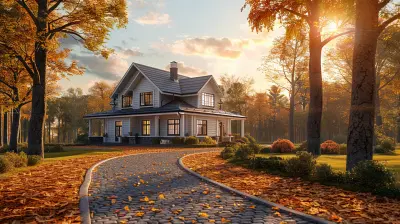
Eco-Friendly Home Renovation Tips for a Greener Living
5 April 2026
Renovating your home is exciting, but have you ever thought about giving your space a green makeover? Not only does it help the planet, but it also saves you money in the long run. Whether you’re planning a major renovation or just a few eco-friendly upgrades, there are plenty of ways to reduce your carbon footprint while creating a stylish, comfortable home.
From energy-efficient lighting to sustainable materials, let’s explore the best eco-friendly home renovation tips that will make your living space greener, healthier, and more budget-friendly. 
Why Go Green with Home Renovations?
Before we dive into specific tips, let’s talk about why eco-friendly renovations are worth it.1. Lower Energy Bills – Who doesn’t love saving money? Energy-efficient homes use less power, meaning smaller utility bills.
2. Healthier Indoor Air – Conventional paints, carpets, and furniture often release toxins. Going green reduces exposure to harmful chemicals.
3. Increased Home Value – Eco-conscious buyers are willing to pay more for sustainable homes. Green renovations can boost your property’s resale value.
4. Environmental Impact – Less waste, fewer emissions, and sustainable materials help protect our planet for future generations.
Now that we know why it’s a great idea, let’s jump into some practical eco-friendly home renovation tips! 
1. Choose Sustainable Building Materials
When renovating, selecting sustainable materials is a game-changer. Instead of traditional building supplies, opt for eco-friendly alternatives like:- Reclaimed Wood – Salvaged wood from old buildings adds character to your home while reducing demand for new lumber.
- Bamboo Flooring – Bamboo grows rapidly and is highly durable, making it an excellent eco-friendly flooring option.
- Recycled Metal or Glass – Using recycled materials in countertops or backsplashes helps cut down on landfill waste.
- Cork Flooring – Soft, comfy, and renewable—cork flooring is a stylish, sustainable choice.
Choosing materials that are renewable, recycled, or repurposed can make a huge difference in your home’s sustainability. 
2. Upgrade to Energy-Efficient Windows and Doors
Your windows and doors play a massive role in your home’s energy efficiency. If your goal is to slash heating and cooling costs, consider:- Double or Triple-Pane Windows – These reduce heat loss in winter and keep your home cool in summer.
- Low-E Coated Glass – This reflective coating minimizes UV rays and helps maintain indoor temperatures.
- Proper Sealing and Weather Stripping – No one likes a drafty home! Seal any gaps to prevent energy leaks.
These upgrades not only lower your energy bills but also make your home more comfortable year-round. 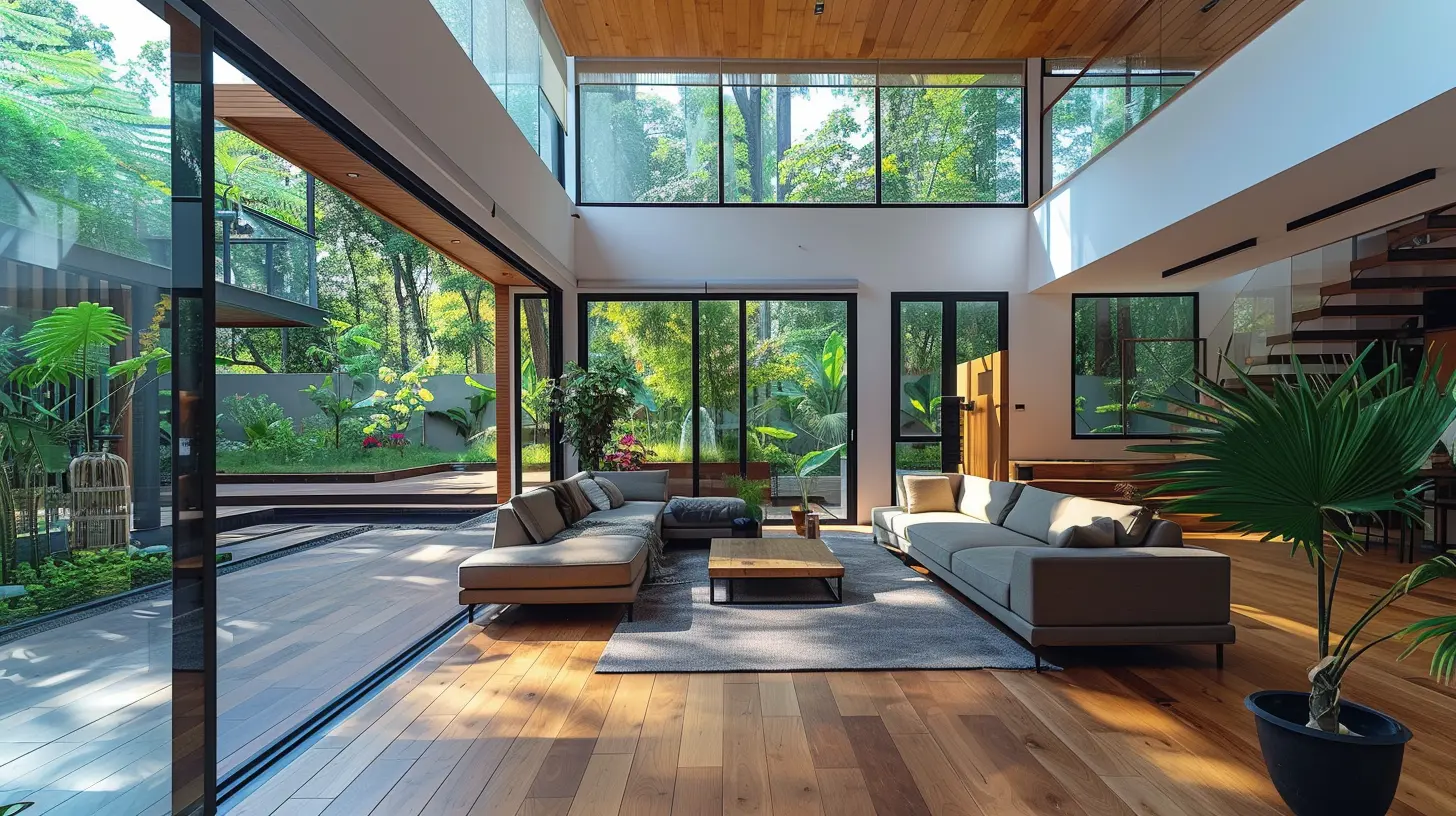
3. Install a Smart Thermostat
A smart thermostat is a small change with a huge impact! These intelligent devices learn your habits and adjust the temperature accordingly. The result? Lower energy consumption and reduced utility costs.With features like remote control via smartphone and energy usage tracking, a smart thermostat is a must-have for any eco-conscious homeowner.
4. Go Solar – Harness the Power of the Sun
Thinking about cutting ties with sky-high energy bills? Solar panels might be your answer! While the upfront cost may seem steep, the long-term savings and environmental benefits make it totally worth it.- Reduces Dependence on Fossil Fuels – Solar energy is renewable and doesn’t emit greenhouse gases.
- Qualifies for Tax Credits and Incentives – Many governments offer financial benefits for going solar.
- Increases Home Value – Homes with solar panels often sell faster and at higher prices.
If solar panels aren’t in your budget just yet, consider solar water heaters or solar-powered outdoor lighting as budget-friendly alternatives.
5. Upgrade to Energy-Efficient Appliances
Older appliances are energy hogs. If your refrigerator, washing machine, or dishwasher is outdated, upgrading to energy-efficient models can drastically slash your electricity and water usage.When shopping for appliances, look for the ENERGY STAR® label—it’s a sign that the product meets high energy efficiency standards.
Bonus tip: Opt for a front-loading washer. It uses less water and energy compared to top-loading machines!
6. Opt for Non-Toxic, Eco-Friendly Paint
Did you know traditional paint releases harmful chemicals called VOCs (volatile organic compounds)? These fumes can cause headaches, dizziness, and long-term health issues. Yikes!Instead, choose:
- Low-VOC or No-VOC Paints – Better air quality, fewer toxins, and safer for your family.
- Milk Paint or Clay Paint – Natural, durable, and free from harsh chemicals.
A fresh coat of eco-friendly paint can give your home a new look without the toxic side effects.
7. Maximize Natural Light with Skylights & Mirrors
Why rely on artificial lighting when you can brighten your home naturally?- Skylights – Letting sunlight flood in reduces your need for electric lights.
- Mirrors – Strategically placed mirrors reflect natural light, making rooms feel larger and more open.
- Lighter Paint Colors – White or pastel shades enhance brightness by bouncing light around.
By maximizing natural light, you’ll save energy while creating a warm and inviting space.
8. Improve Home Insulation
A well-insulated home is an energy-efficient home. If you want to stay cozy in winter and cool in summer, consider upgrading your insulation.- Spray Foam or Cellulose Insulation – These eco-friendly options help regulate indoor temperatures.
- Recycled Denim Insulation – Made from old jeans, this sustainable material is effective and safe.
- Insulated Curtains or Blinds – These prevent heat loss while adding style to your space.
Better insulation means less energy wasted, translating to lower heating and cooling costs.
9. Install Water-Saving Fixtures
Water is a precious resource, and wasting it can add up fast. Simple changes can lead to significant savings:- Low-Flow Showerheads – Use less water without sacrificing pressure.
- Dual-Flush Toilets – Give you the option to use less water when flushing.
- Aerated Faucets – Reduce water usage while maintaining strong water flow.
These small upgrades not only save water but also cut down your water bill—a win-win!
10. Create a Green Outdoor Space
Your eco-friendly home makeover doesn’t have to stop indoors. Make your outdoor space just as sustainable!- Native Landscaping – Choose drought-resistant, native plants that require less water and maintenance.
- Rainwater Harvesting – Collect rainwater for watering plants instead of using a hose.
- Composting – Turn kitchen scraps into nutrient-rich soil for your garden.
A green outdoor space not only looks amazing but also helps reduce your environmental footprint.
Final Thoughts
Going green with your home renovation isn’t just about trendy sustainability—it’s about creating a healthier, more efficient, and wallet-friendly space. Whether you're making small changes like switching to LED bulbs or going big with solar panels, every effort counts.So, are you ready to make your home more eco-friendly? Start small, plan wisely, and embrace the benefits of a greener lifestyle. The planet (and your wallet) will thank you!
all images in this post were generated using AI tools
Category:
Home Improvement TipsAuthor:

Melanie Kirkland
Discussion
rate this article
2 comments
Oriel Hayes
Sustainability transforms spaces into soulful sanctuaries.
April 16, 2026 at 10:57 AM
Melanie Kirkland
Absolutely! Creating a sustainable home truly enriches our living spaces and connects us to the environment.
Theo Gonzalez
Great insights! Sustainable renovations not only benefit the planet but also enhance home value.
April 6, 2026 at 10:22 AM
Melanie Kirkland
Thanks for your comment! I'm glad you found the insights valuable. Sustainable renovations truly make a difference both for the environment and for homeowners.