From Raw Land to Urban Paradise: Strategies for Smart Development
6 August 2026
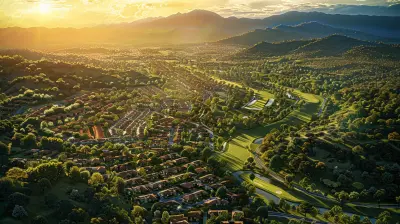
Ah, raw land—untouched, wild, and teeming with… absolutely nothing. Just endless dirt, weeds, and maybe a confused squirrel wondering what happened to its tree. But wait! Where most see a barren wasteland, the savvy developer envisions a thriving metropolis, bustling with high-rises, trendy cafes, and overpriced avocado toast.
So how do you turn a patch of nothing into a booming urban paradise? Spoiler alert: it takes more than just a few bulldozers and wishful thinking. Let’s dig in (pun intended) and unravel the strategies behind smart development. 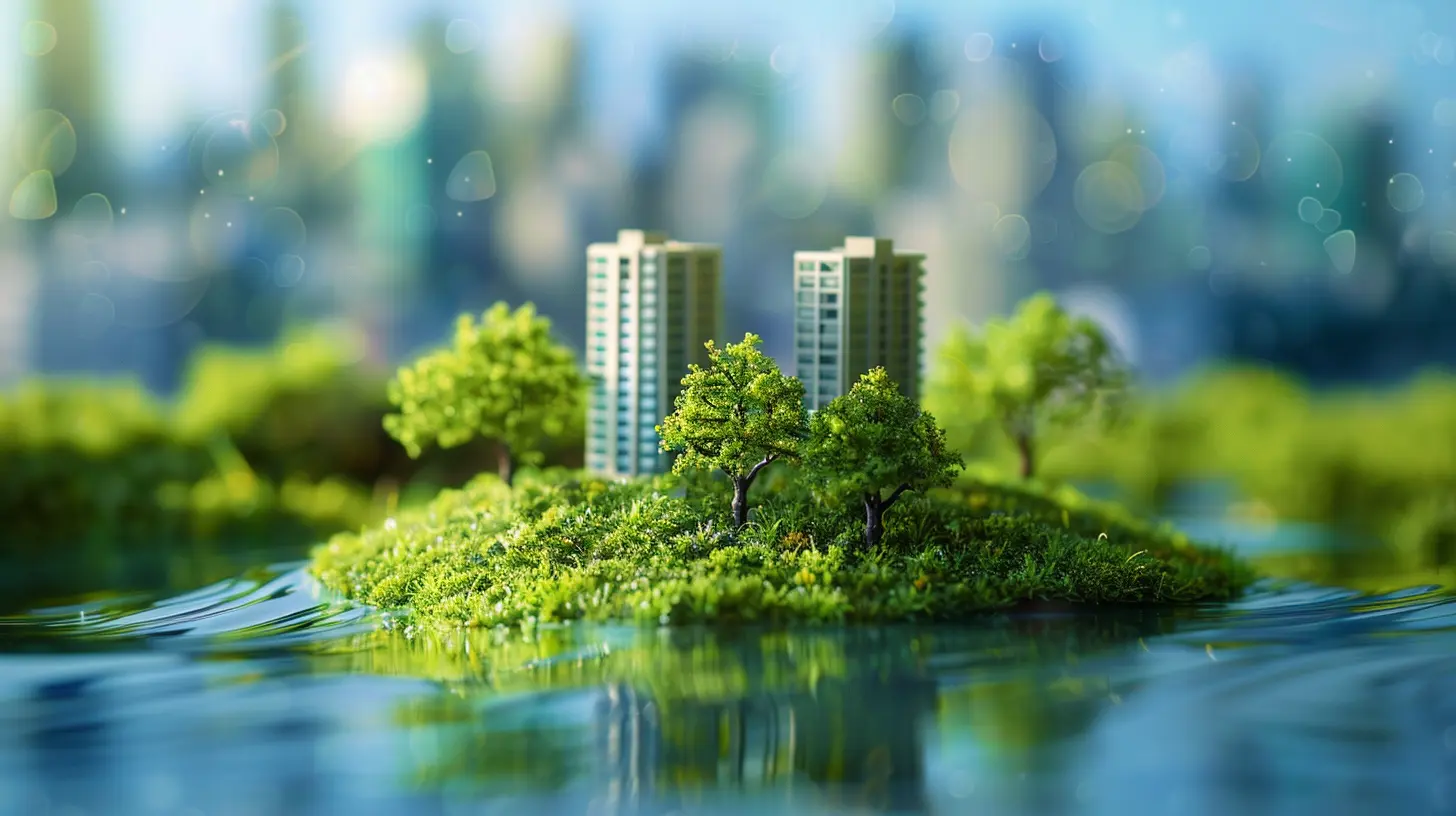
1. Location, Location… You Get It
Before you start dreaming of glittering skyscrapers, you need to pick the right patch of dirt. Not all land is created equal. Some places are destined for greatness, while others are doomed to be the backdrop for horror movies.What Makes a Location Prime?
- Proximity to Infrastructure – If the nearest highway is an old dirt road, good luck attracting businesses or homeowners.- Economic Viability – Does the area have economic growth potential, or is it a “blink-and-you’ll-miss-it” kind of town?
- Future Development Plans – Check zoning laws and city expansion plans. There’s no use planning a shopping district if the government decides to slap a factory next door.
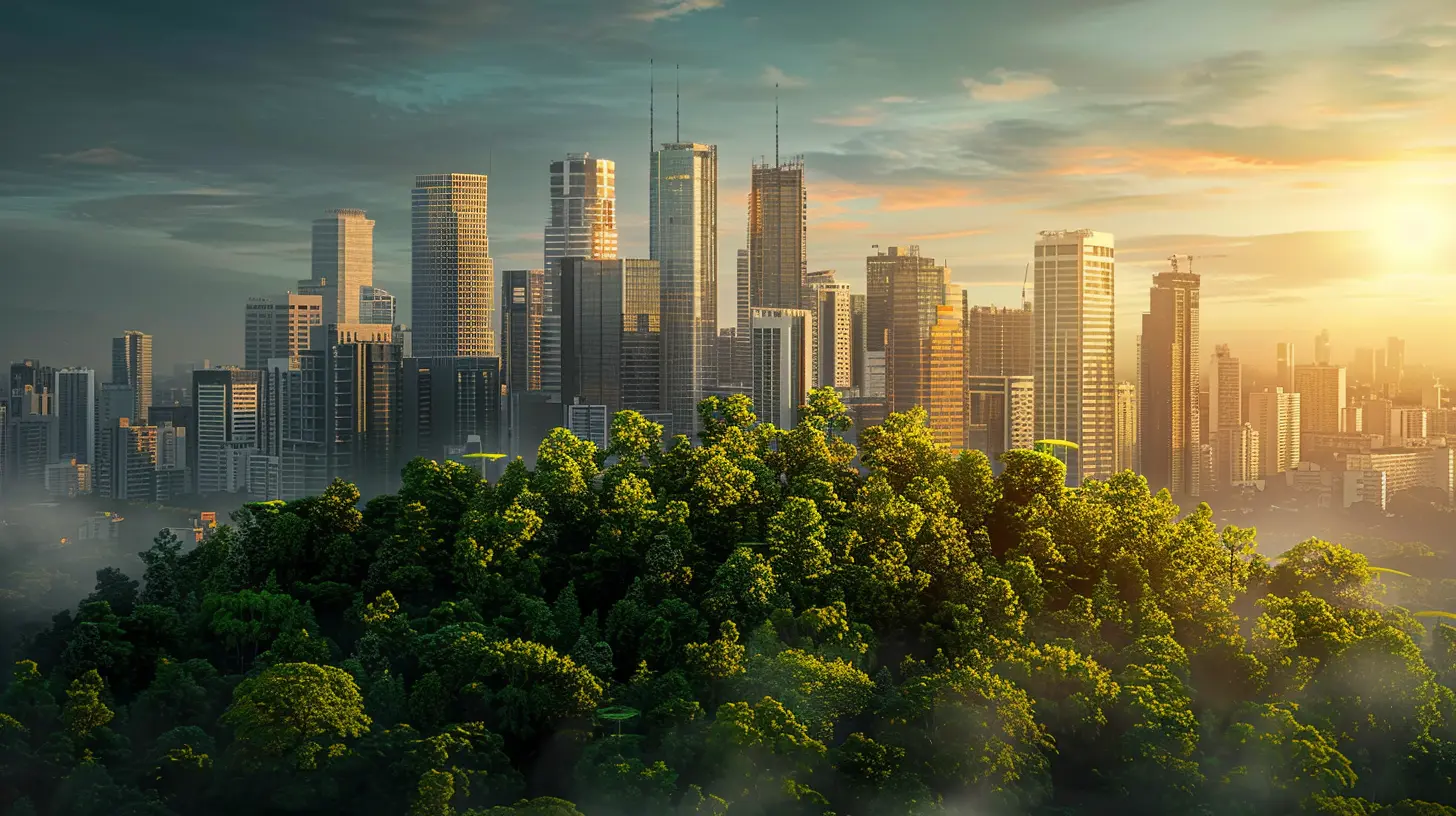
2. Navigating the Joys of Zoning and Permits
Ah yes, paperwork—the true backbone of any successful real estate development. If you thought zoning laws were just a formality, get ready to meet a whole army of lawyers who think otherwise.Why Do Zoning Laws Matter?
- They Dictate What You Can Build – Want to put up a shopping mall in a residential zone? Not happening.- They Affect Property Values – The wrong zoning can turn your golden investment into a financial black hole.
- They Save You from Future Headaches – Trust me, it’s better to play by the rules than to deal with lawsuits later.
So, before you break ground, grab a coffee (or something stronger), and prepare to dive into some legalese. 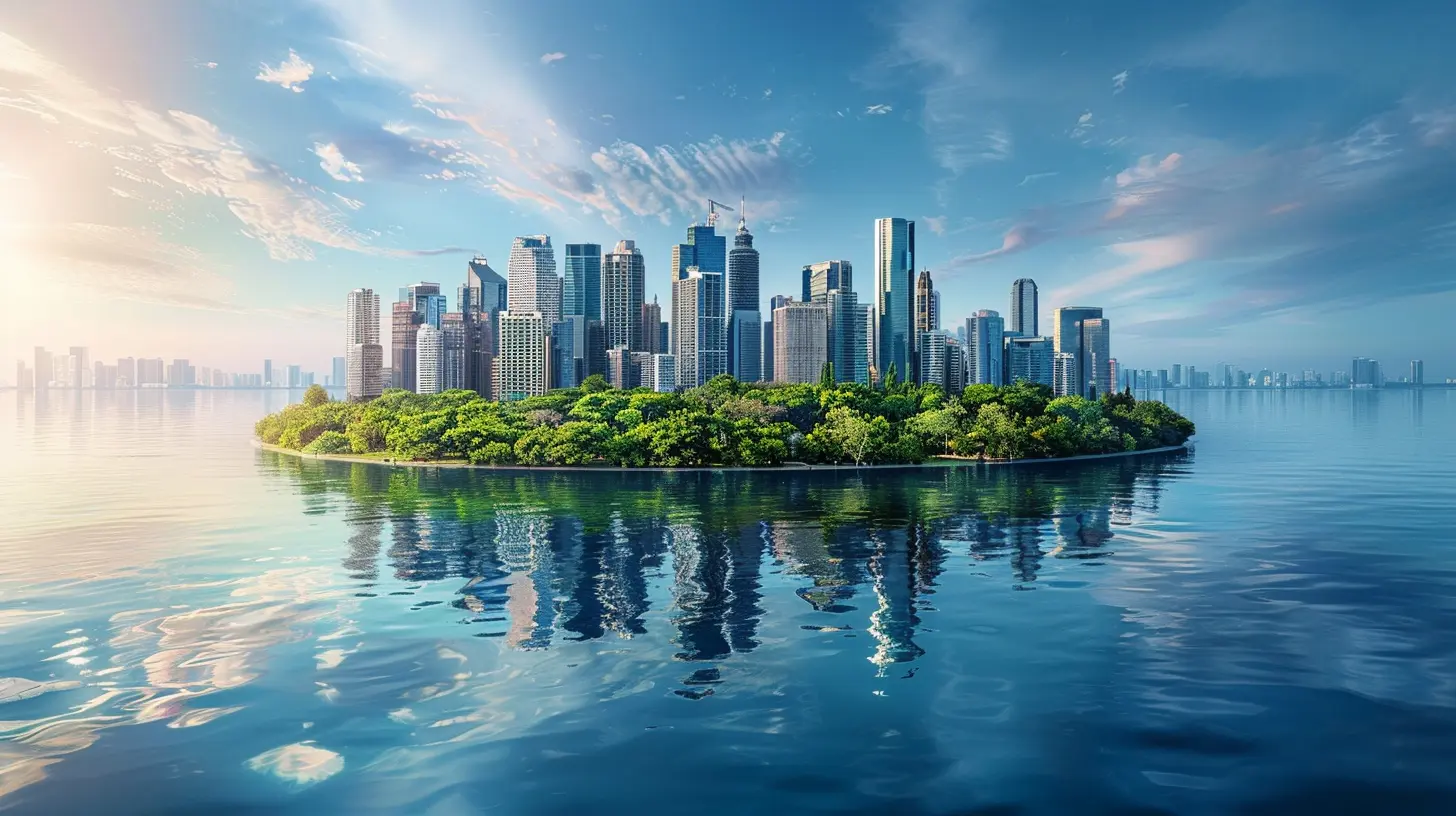
3. The Infrastructure Puzzle: Roads, Utilities, and More
Building a high-rise in the middle of the desert without access to roads or water? Bold move. But if buyers need a helicopter to reach their new condo, you might have missed a crucial step.What to Consider for Infrastructure?
- Roads and Transportation – If people can’t get there easily, they’re not coming.- Water, Power, and Sewage – Essential for, you know… living.
- Internet and Connectivity – Because no one wants to live in a Wi-Fi dead zone in 2024.
Ensuring these foundational elements are in place is what separates a thriving development from an abandoned “what-could-have-been” ghost town. 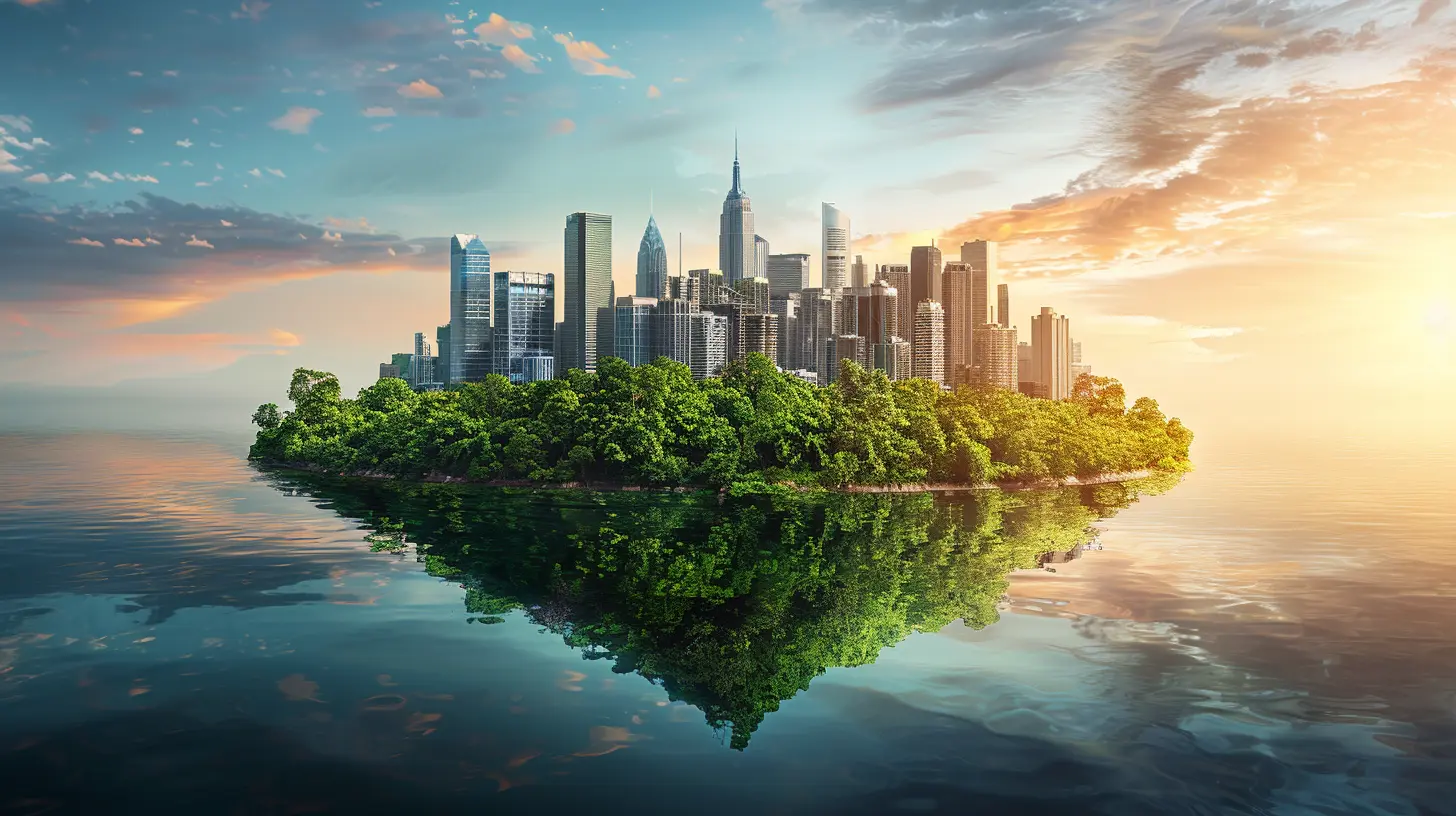
4. Designing for People, Not Just Profits
Sure, you want to make money, but if your development feels like a concrete jungle with zero soul, people will happily look elsewhere. Smart development isn’t just about throwing up buildings—it's about creating spaces where people want to live, work, and play.How to Make an Area Livable
- Green Spaces – Because trees make people happy (and, you know, oxygen).- Walkability – If people need a car just to grab milk, that’s a problem.
- Community Hubs – Parks, plazas, and gathering spots make an area feel like home.
A little thoughtfulness goes a long way. If you build a community, the buyers will come.
5. Sustainability: The Buzzword That Matters
Let’s be real—if your development ignores environmental concerns, not only will activists come for you, but Mother Nature might send a storm or two as a reminder.Smart and Sustainable Development Strategies
- Energy-Efficient Buildings – Solar panels aren’t just for hippies anymore.- Rainwater Harvesting and Green Roofs – Because every drop counts.
- Smart Waste Management – No one wants to live next to a landfill.
Sustainability isn’t just trendy; it’s essential for long-term success. The future is green—get on board or get left behind.
6. Attracting Investors and Buyers: The Art of the Sales Pitch
Congratulations! You’ve laid the groundwork for a brilliant urban paradise. Now you just need people with wallets to believe in your vision.How to Entice Investors?
- Highlight Growth Potential – Show them the numbers, and make them drool over potential profits.- Sell the Lifestyle, Not Just the Property – "State-of-the-art condos" sound good. "A vibrant, walkable community with stunning views and world-class amenities" sounds better.
- Leverage FOMO – If they think they’re missing out on the next big thing, they’ll practically throw money at you.
And buyers? Well, they follow where the hype goes. So, make sure they see your development as the place to be.
7. The Final Touch: Marketing Like a Pro
Even the most spectacular urban paradise can become a ghost town if no one knows it exists. Enter: marketing.Winning Marketing Strategies
- Stunning Visuals – Renderings, drone footage, and videos that make your development look straight out of a dream.- Social Media Buzz – If it’s not trending, does it even exist?
- Influencers and Local Partnerships – Get key people talking about your project.
Word of mouth is still king, but in today’s world, a strong digital presence is just as important.
Final Thoughts
Transforming raw land into an urban paradise is no small feat. It’s a meticulous blend of vision, legal maneuvering, infrastructure magic, and a ton of patience. But when done right? You’ll have created a legacy—a place where people live, thrive, and (hopefully) pay top dollar for a tiny studio apartment.So, whether you’re a developer, investor, or just someone who loves the idea of building cities from scratch, remember: smart development isn’t just about stacking buildings. It’s about crafting spaces that people actually want to be in.
And if all else fails? Well, there’s always the squirrel’s way—just bury an acorn and hope for the best.
all images in this post were generated using AI tools
Category:
Land DevelopmentAuthor:

Melanie Kirkland
Discussion
rate this article
1 comments
Heather Adkins
Who knew turning dirt into condos could be a fine art? It's like transforming a potato into gourmet fries... with a blueprint! Smart development is the secret sauce that sprinkles a little life into barren land. Here's to creating urban paradises one plot at a time... let the transformations begin!
August 10, 2026 at 4:08 AM
Melanie Kirkland
Thanks for the great analogy! It's amazing how thoughtful development can really change a space and revitalize a community. Here's to more transformations!