Gentrification in Reverse? Forecasting Urban Housing Market Changes
12 February 2026
Gentrification has long been a buzzword in urban development. It’s the process where once-neglected neighborhoods transform into trendy hotspots, driving up property values and pushing out long-time residents. But what happens when that process slows—or even reverses? Are we witnessing a new trend: gentrification in reverse?
With changing economic conditions, shifting work habits, and affordability crises in major cities, the urban housing market is on increasingly shaky ground. Let’s take a deep dive into what’s happening, what’s coming next, and how it could impact renters, homeowners, and investors alike.
What Is Gentrification in Reverse?
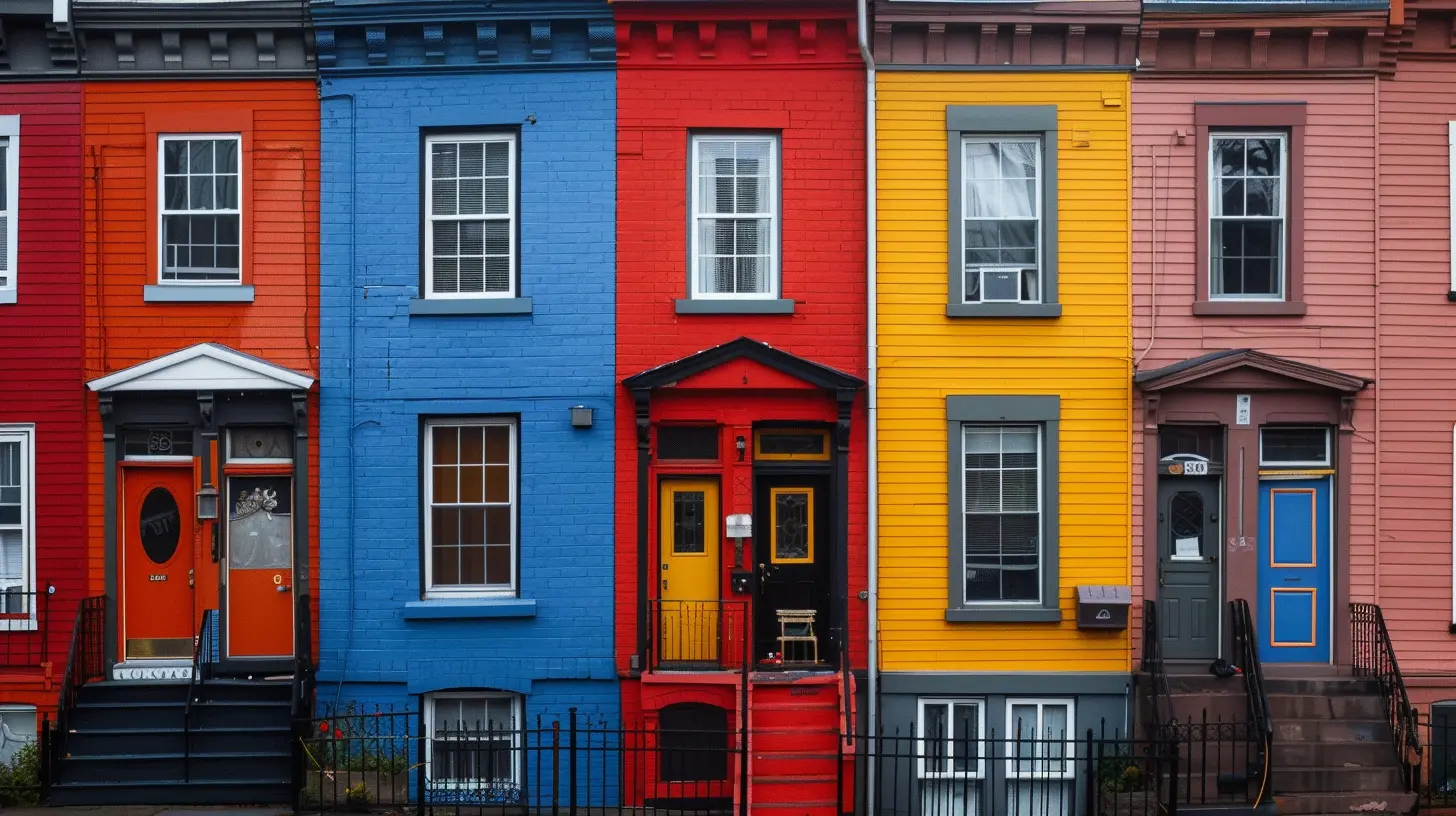
We all know the classic cycle: artists and young professionals move into a struggling neighborhood, businesses follow, and soon property values skyrocket. Wealthier residents move in, pricing out original communities. But now, some neighborhoods that saw rapid gentrification are experiencing population decline, stagnant property values, and even falling home prices.That’s gentrification in reverse—a phenomenon where revitalized neighborhoods begin to lose their appeal, whether due to economic downturns, lack of affordability, work-from-home shifts, or declining local economies.
What’s Causing the Shift?
Several key factors are driving this trend. While gentrification may once have felt inevitable in certain areas, changing dynamics are throwing a wrench into the system.1. The Work-From-Home Effect
For decades, living in the city was a necessity for high-income earners who worked demanding jobs. Being close to downtown hubs mattered. But with remote work becoming the new normal, many professionals are realizing they no longer need to pay sky-high rents for small apartments.Instead, they’re opting for more affordable suburban homes—or even moving to completely different states where property prices are significantly lower. This shift has put pressure on urban housing markets, particularly in high-cost cities like San Francisco, New York, and Chicago.
2. Rising Crime and Quality-of-Life Concerns
In some cities, safety concerns and declining public services have led residents to reconsider urban living. While crime rates fluctuate, a perceived increase in crime—combined with rising property taxes and homeless crises in some major metro areas—has led to a growing "urban exodus."Some areas that were previously gentrified are now seeing high-income residents flee for safer or more stable markets. If this pattern continues, property values in certain urban neighborhoods could drop significantly.
3. Soaring Cost of Living
Gentrification often leads to soaring costs—not just for housing but for everyday essentials. And with inflation impacting everything from groceries to gas, many city dwellers are struggling to keep up.Once a neighborhood becomes too expensive, even the affluent start looking for alternatives. When demand shifts away from urban areas, property values and rental prices begin to dip, reversing the traditional gentrification trend.
4. Declining Interest in Luxury Apartments
Over the last decade, developers have poured money into high-end apartment complexes, betting on an ever-growing pool of high-income renters. But that market is softening.Why? Because the demographic many of these developers targeted—young professionals—are either:
- Moving to more affordable areas,
- Choosing homeownership over renting, or
- Struggling with economic uncertainty, making them hesitant to commit to costly leases.
This has left excess supply in some urban areas, contributing to dropping rental prices and stagnating property values.
The Impact on Homeowners and Investors
So, what does all this mean for people who own property in urban areas? And what about those looking to invest?Urban Homeowners: Should You Be Worried?
If you own real estate in a previously booming but now stagnant (or declining) area, it’s time to pay attention. While not every city is experiencing gentrification in reverse, neighborhoods with high turnover rates, affordability crises, or major economic shifts are at risk.Signs your area could be affected:
✅ A noticeable decline in rental demand.
✅ Properties sitting on the market longer than usual.
✅ A surge in “For Rent” or “For Sale” signs.
✅ Local businesses closing at a higher rate than before.
If you plan on selling soon, consider listing sooner rather than later, as property values may not recover quickly if demand continues to fall.
Investors: Proceed with Caution
Real estate investors looking for high returns should be strategic. Just because a neighborhood was a hotspot a few years ago doesn’t mean it still is. Here's what smart investors are doing:- Paying attention to migration trends. Where are people moving, and where are they leaving?
- Looking at rental demand over property values. If people are struggling to rent units, it may not be the best market for investment.
- Focusing on affordability. Neighborhoods with sustainable growth—not just sky-high prices—are often better bets.
What Cities Are Most Vulnerable?
While real estate trends vary by market, certain cities are more susceptible to gentrification in reverse. Here are some regions to watch:High-Rent, High-Cost Cities
- San Francisco: Once one of the most expensive markets in the U.S., SF has seen a drop in demand. The work-from-home shift has played a huge role here.- New York City: While Manhattan remains a global hub, many younger workers are choosing more affordable boroughs or leaving the city entirely.
- Los Angeles: Rising crime, high taxes, and astronomical housing costs have caused some LA residents to relocate.
Rust Belt and Post-Industrial Cities
- Detroit: A mix of ups and downs over the decades, Detroit saw pockets of gentrification, but economic challenges still loom.- Cleveland & St. Louis: Some areas experienced growth, but continued economic difficulties may slow or reverse gentrification trends.
Boom-and-Bust Markets
- Austin, TX: Once the hottest housing market in the country, Austin is cooling off as affordability issues mount.- Phoenix, AZ: A pandemic housing boom drove prices up, but as affordability declines, demand is softening.
The Future of Urban Housing Markets
Will gentrification in reverse become a widespread issue, or is this just a temporary shift? The answer likely depends on broader economic factors, including:- Interest rates. Higher mortgage rates can suppress demand in already expensive urban neighborhoods.
- Economic recovery. If wages don't keep up with inflation, affordability issues could worsen.
- Remote work trends. If companies continue embracing remote or hybrid work, suburban and smaller-city markets will remain attractive.
Overall, cities will need to adapt to changing housing demands. Some may focus on making urban living more affordable, while others could double down on luxury developments—though that might not be the best move if demand continues to falter.
Final Thoughts
Gentrification in reverse isn’t necessarily bad—it could bring housing relief to those who were once priced out. However, it also raises questions about urban stability, investment risks, and the future of real estate development.If you’re a homeowner, buyer, or investor, it’s essential to stay ahead of these trends. Pay attention to economic shifts, local migration patterns, and policy changes—because the urban housing market is anything but predictable right now.
all images in this post were generated using AI tools
Category:
Real Estate ForecastAuthor:

Melanie Kirkland
Discussion
rate this article
2 comments
Zeal Pratt
This article sheds light on an essential trend in urban development. Understanding gentrification in reverse highlights the need for equitable housing solutions that prioritize community needs alongside market dynamics.
February 21, 2026 at 1:47 PM
Melanie Kirkland
Thank you for your insightful comment! I completely agree that equitable housing solutions are crucial in addressing the complexities of reverse gentrification.
Sarah Graham
This article insightfully explores the complexities of urban housing dynamics, emphasizing how gentrification's reversal may reshape socio-economic landscapes and accessibility in traditionally underserved neighborhoods.
February 13, 2026 at 4:14 AM
Melanie Kirkland
Thank you for your thoughtful comment! I'm glad you found the article insightful in addressing these important dynamics.