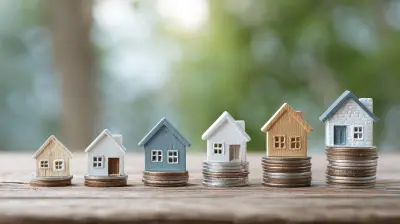
How Climate Change is Shaping the Future of Land Development
11 August 2026
Climate change is no longer a far-off threat—it's happening right now. From rising sea levels to extreme weather patterns, our planet is changing, and these changes are having a profound impact on the way we develop and use land.
But here’s the thing: It’s not all doom and gloom. Climate change is pushing us toward innovation, redefining how we build homes, cities, and communities. Forward-thinking developers, architects, and urban planners are adapting to create a more sustainable and resilient future.
So how exactly is climate change shaping land development? Let’s dive in. 
1. The Rising Tide: Coastal Development is Changing
For years, coastal properties have been some of the most desirable real estate investments. Who wouldn’t want to wake up to the sound of crashing waves? But as sea levels continue to rise, coastal land development is facing serious challenges.Flood Risks and Insurance Nightmares
More frequent and severe hurricanes, floods, and storm surges are making coastal areas high-risk zones. Many homeowners and businesses are struggling with skyrocketing insurance costs—or worse, losing the ability to insure their properties at all.Building Higher and Smarter
To combat these threats, developers are getting creative. We’re seeing elevated structures, improved drainage systems, and smart zoning laws that restrict construction in flood-prone areas.For example, places like Miami and New York City are investing in billion-dollar seawalls and flood-resistant infrastructure. These efforts aren’t just about protecting properties but also ensuring long-term economic stability. 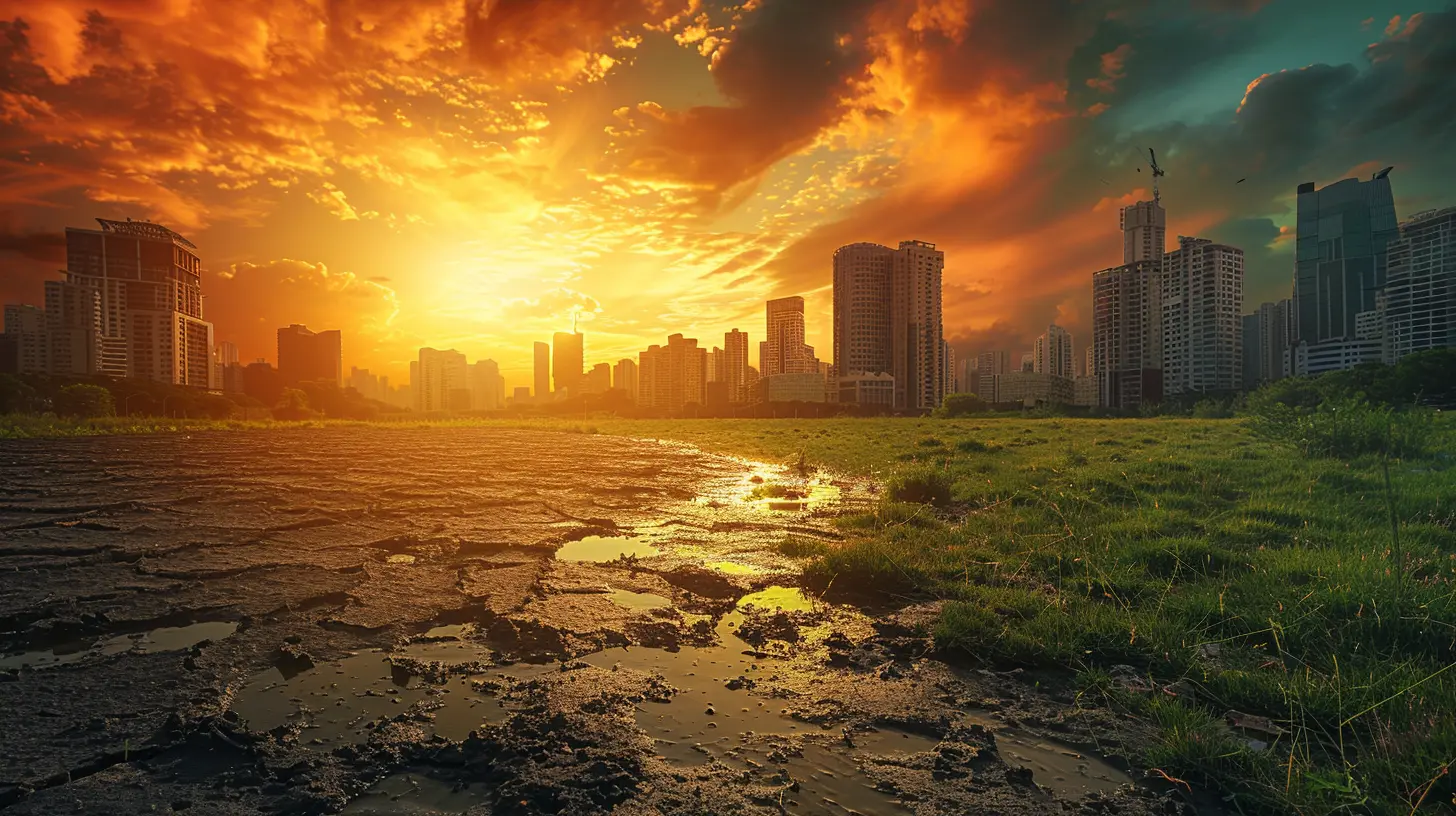
2. Sustainable Building is No Longer Optional—It’s a Must
Sustainability is no longer a buzzword—it’s a necessity. Governments, investors, and consumers are all pushing for greener, more energy-efficient developments.Eco-Friendly Materials Are Taking Over
Traditional construction materials come with a heavy carbon footprint. Concrete production alone accounts for nearly 8% of global carbon emissions! That’s why developers are switching to sustainable alternatives like recycled steel, bamboo, and carbon-neutral cement.Net-Zero Buildings Are the Future
Net-zero energy buildings (those that produce as much energy as they consume) are becoming the gold standard. Solar panels, green roofs, and advanced insulation techniques help these buildings stay energy-efficient, reducing both costs and environmental impact.Developers investing in net-zero projects aren’t just helping the planet—they’re attracting eco-conscious buyers and investors who prioritize sustainability. 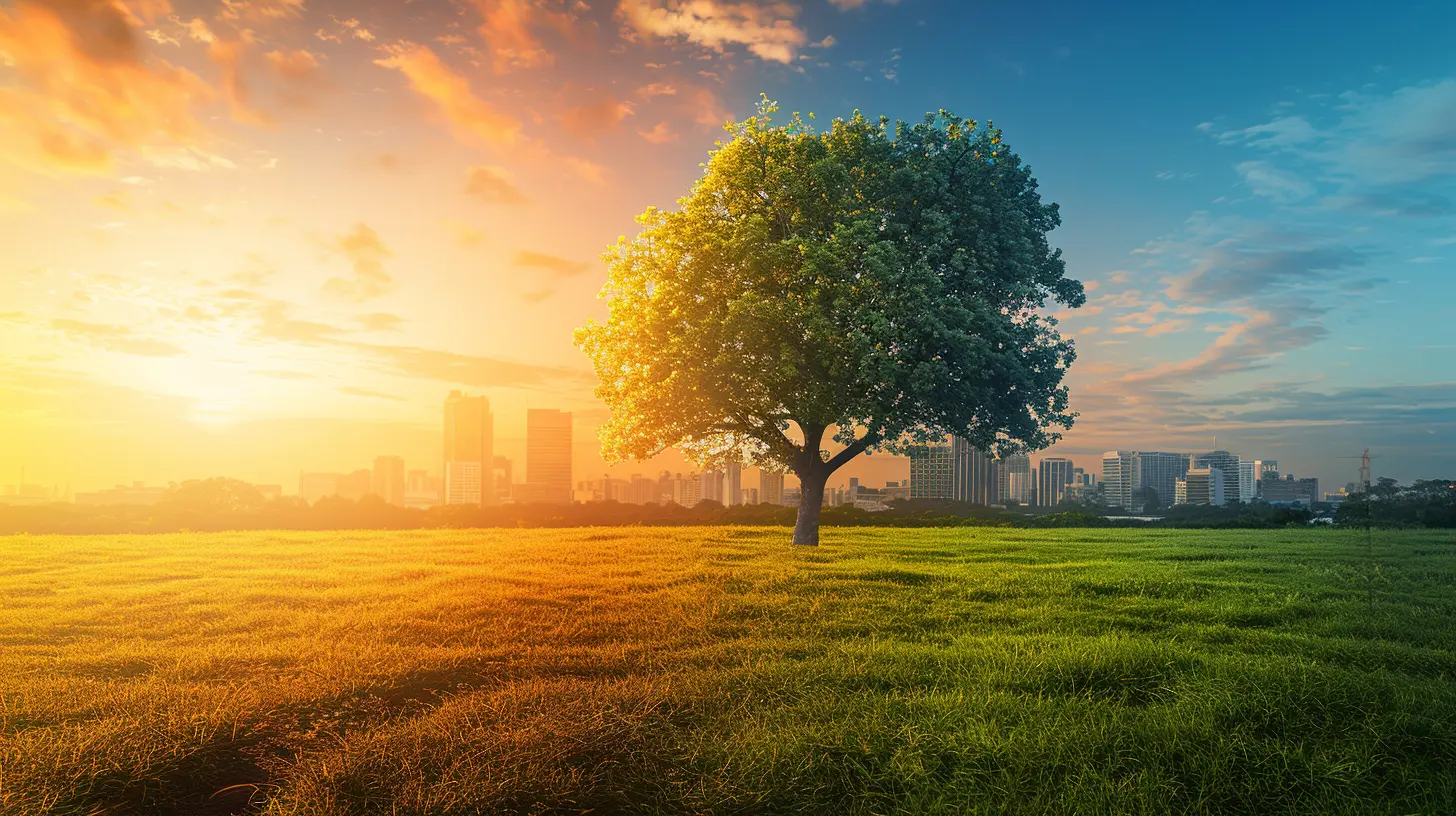
3. Water Scarcity is Redefining Where and How We Build
Water is essential for life—and for real estate development. But with droughts becoming more frequent and severe, water scarcity is a major factor in deciding where new projects are built.Rethinking Where We Build
Some regions, like California and Arizona, are experiencing historic droughts, making large-scale developments more complex. Developers are now being forced to rethink water sources, conservation strategies, and even reconsider the feasibility of building in certain high-risk areas.Innovative Water Solutions
To combat water shortages, new developments are implementing innovative solutions like:- Rainwater harvesting systems – Capturing and reusing rainwater for irrigation and plumbing.
- Greywater recycling – Reusing shower and sink water for landscaping and non-drinking purposes.
- Xeriscaping – Landscaping with drought-resistant plants that require minimal water.
These strategies are helping communities thrive even in water-scarce regions. 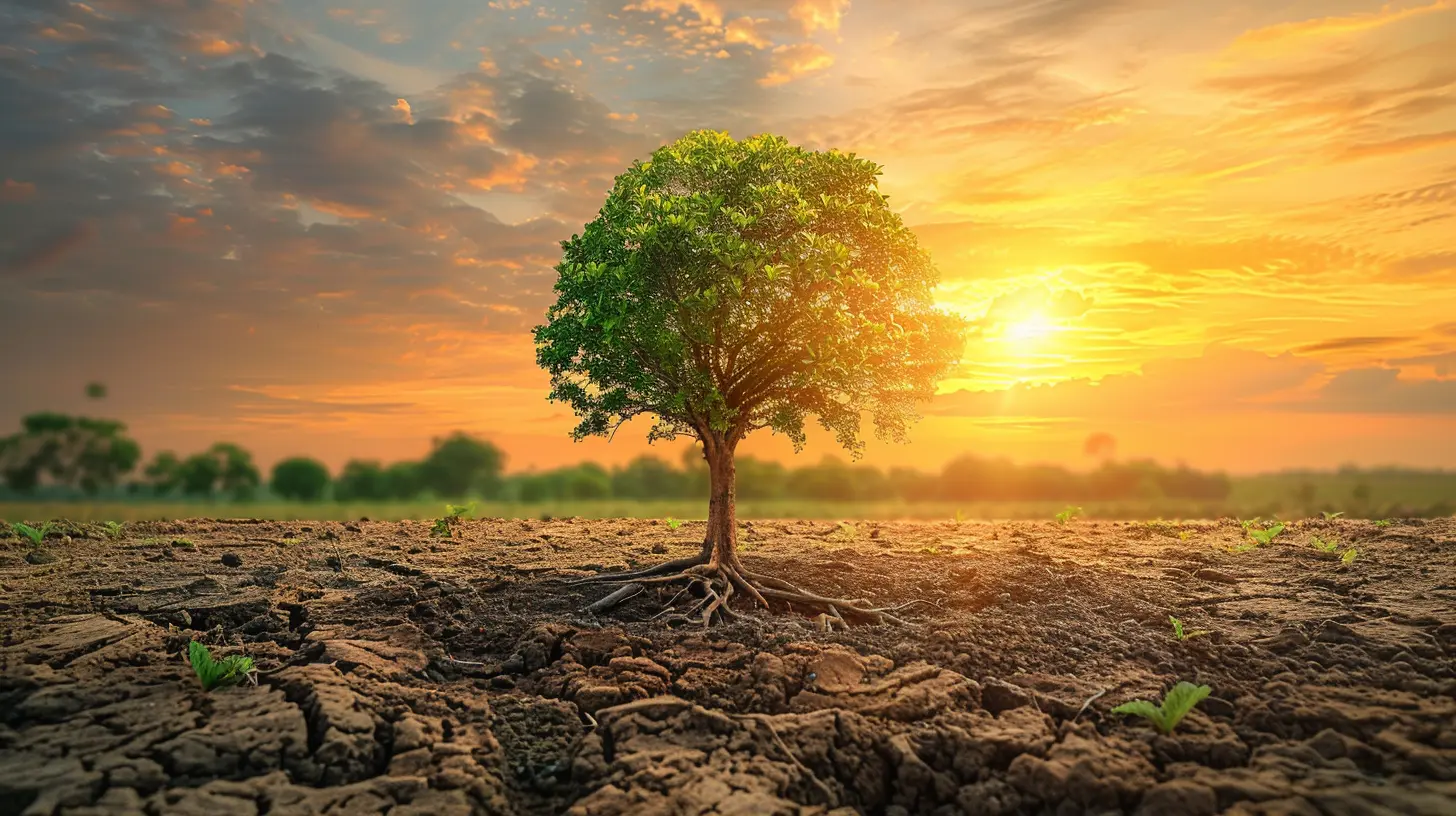
4. Smart Cities Are on the Rise
Technology and sustainability are coming together to shape the cities of the future. Smart cities use technology to optimize resources, reduce energy consumption, and improve overall quality of life.Green Infrastructure and Smart Planning
Urban planners are now designing cities with climate change in mind. Some key features include:- Green roofs and urban forests – These not only reduce heat but also help manage stormwater runoff.
- Public transportation and walkability – Encouraging less reliance on cars reduces carbon emissions.
- Smart grids and renewable energy – Cities are integrating renewable energy sources like wind and solar into their power grids.
Reducing the Urban Heat Island Effect
Ever noticed how cities feel way hotter than surrounding areas? That’s the “urban heat island effect.” Heat-absorbing surfaces like roads and buildings trap heat, making cities warmer.To combat this, developers are using cool roofs, reflective building materials, and expanding green spaces to keep urban temperatures down.
5. Land Use is Becoming More Adaptive
Traditional zoning laws often restricted how land could be used, but climate change is forcing cities to be more flexible and adaptive.Mixed-Use Developments Are Thriving
Instead of rigid zoning laws that separate residential, commercial, and industrial areas, many cities are embracing mixed-use developments that offer live-work-play environments. These developments reduce commuting distances, lower emissions, and create vibrant communities.Repurposing Existing Land
Instead of expanding outward and clearing more land, developers are repurposing already-developed areas. Old warehouses turn into trendy apartments, abandoned malls become community spaces, and outdated office buildings transform into co-working hubs.This approach minimizes environmental impact while breathing new life into underutilized spaces.
6. Government Policies and Green Incentives Are Driving Change
Governments worldwide are stepping up with policies and incentives to encourage sustainable land development.Carbon Taxes and Green Building Codes
Many cities now impose carbon taxes on developers who don't meet environmental requirements. Stricter green building codes are forcing builders to adopt energy-efficient and sustainable practices.Financial Incentives for Going Green
On the flip side, there are also rewards for sustainable development:- Tax credits for energy-efficient buildings
- Grants for renewable energy installations
- Low-interest loans for green projects
These incentives are making it more attractive (and financially smart) for developers to go green.
7. The Future: Resilient, Adaptive, and Sustainable Communities
The future of land development isn’t about resisting change—it’s about adapting to it. Climate change is undoubtedly reshaping where and how we build, but it’s also pushing us to embrace smarter, more resilient solutions.From floating homes and vertical forests to self-sustaining eco-villages, the possibilities are endless.
The real estate industry is at a turning point. Developers, homeowners, and investors who adapt to these changes will not only protect their assets but also contribute to a more sustainable and livable future for generations to come.
So the question is—are we ready to build a better tomorrow?
Final Thoughts
Climate change is no longer an abstract concept—it’s a driving force behind the future of land development. While the challenges are real, they’re also inspiring innovation. By building smarter, greener, and more resilient communities, we can turn these challenges into opportunities.And with the rapid advancements in technology, sustainable materials, and urban planning, the future of real estate development looks brighter than ever.
What do you think? Are you seeing these changes in your local communities? The conversation is just getting started!
all images in this post were generated using AI tools
Category:
Land DevelopmentAuthor:

Melanie Kirkland
Discussion
rate this article
1 comments
Leslie Snow
This topic is so important! Adapting to climate change will definitely change how we build our communities.
August 11, 2026 at 2:48 AM