How Down Payments Influence the Price Range of Homes You Can Afford
10 April 2026
When you’re in the market for a home, one of the biggest factors that determines how much house you can afford is your down payment. It’s not just about how much money you have saved—your down payment impacts everything, from loan approval to monthly mortgage payments and even the kind of interest rate you’ll get.
But how exactly does it shape the price range of homes within your budget? Let’s break it down in simple terms. 
What is a Down Payment?
A down payment is the upfront cash you pay when purchasing a home. It’s usually expressed as a percentage of the home’s purchase price. For example, if you buy a $300,000 house and put down 10% ($30,000), the remaining balance ($270,000) will be financed through a mortgage.Different loan types have different minimum down payment requirements:
- Conventional loans: Typically require 3%–20% down.
- FHA loans: Require as little as 3.5% down.
- VA & USDA loans: Often require no down payment for eligible borrowers.
While it’s possible to buy a home with a small down payment, a larger one has major financial advantages—especially when it comes to affordability. 
How Your Down Payment Affects Home Affordability
A bigger down payment directly impacts the price range of homes you can afford in several ways:1. The More You Put Down, The Less You Borrow
Think of your mortgage as a giant loan that you need to chip away at every month. The bigger your down payment, the smaller the loan amount.For instance, if you’re looking at a $400,000 home:
- With a 5% down payment ($20,000) → Loan amount = $380,000
- With a 20% down payment ($80,000) → Loan amount = $320,000
A smaller loan means lower monthly mortgage payments—and that can make a big difference in how much house you can realistically afford without stretching your budget too thin.
2. A Larger Down Payment Lowers Your Interest Rate
Lenders love low-risk borrowers. And guess what? A larger down payment makes you less risky because you have more skin in the game.When lenders see that you’re putting down 20% or more, they often reward you with a lower interest rate. Even a small reduction in your rate can save you tens of thousands of dollars over the life of your loan.
Let’s compare:
| Down Payment | Loan Amount | Interest Rate | Monthly Payment (30-Year Loan) |
|-----------------|---------------|-----------------|-------------------------|
| 5% ($25,000) | $475,000 | 7.0% | $3,162 |
| 20% ($100,000) | $400,000 | 6.5% | $2,528 |
That’s over $600 in savings every month—or nearly $220,000 over 30 years!
3. Avoiding Private Mortgage Insurance (PMI)
If you can put down at least 20%, you dodge Private Mortgage Insurance (PMI)—a pesky extra cost that lenders charge when borrowers put down less than 20%.PMI typically costs 0.5% to 1% of your loan amount per year. On a $300,000 loan, that’s an extra $150 to $300 per month—money that could be going toward your home, not your lender.
4. Expanding Your Home Search Options
A bigger down payment gives you more flexibility in choosing the kind of home you want.If you have only 5% saved, you may need to look at homes in the $250,000–$300,000 range. But with 20% saved, you might be able to stretch your budget to $350,000–$400,000 while maintaining the same monthly payment.
More money upfront broadens your choices, potentially opening the door to better neighborhoods, larger homes, or properties with extra amenities.
5. Less Debt = Less Financial Stress
A larger down payment means:✔ Smaller monthly payments
✔ Less interest paid over time
✔ No unnecessary PMI fees
All of this leads to less financial stress and more money left over for:
- Home upgrades and renovations
- Property taxes and homeowners insurance
- Emergency savings
- Travel, entertainment, and family expenses
Owning a home is exciting, but you don’t want to feel like you’re drowning in debt. A larger down payment gives you more breathing room financially, making homeownership more enjoyable. 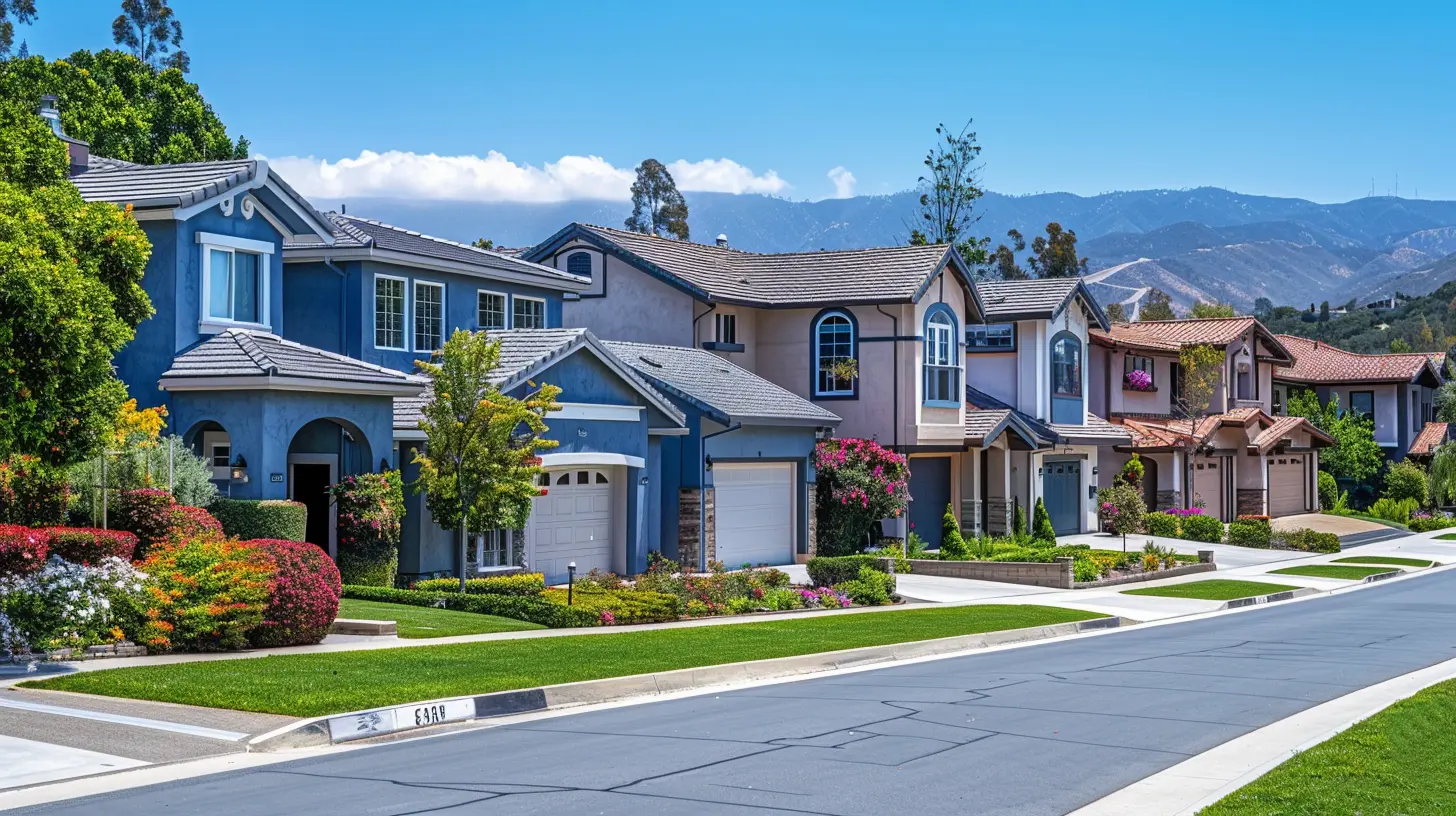
How Much Should You Put Down?
While 20% is ideal, it’s not always realistic—especially for first-time homebuyers.Here’s a quick guide to help you decide:
| Down Payment % | Pros | Cons |
|-----------------|---------|---------|
| 0% (VA/USDA Loans) | No upfront cost | Higher monthly payments, higher interest rates, PMI required |
| 3-5% (FHA/Conventional Loans) | Requires less savings | PMI required, higher mortgage payments |
| 10-15% | Lower payments, better loan terms | Still requires PMI if under 20% |
| 20% or more | No PMI, lowest interest rates, lowest payments | Requires significant savings |
The right amount depends on your financial situation, goals, and mortgage options. If putting 20% down isn’t realistic, aim for at least 10% to minimize PMI and lower your mortgage costs. 
Final Thoughts
Your down payment plays a huge role in the price range of homes you can afford. The more you put down, the less you borrow, the lower your monthly payments, and the better your loan terms.If you’re planning to buy a home, start saving as much as possible for your down payment—it’s one of the best financial moves you can make. Not only will it help you qualify for a better loan, but it will make homeownership more affordable and sustainable in the long run.
Key Takeaways:
✅ A larger down payment reduces your loan amount and monthly payments✅ It lowers your interest rate, saving you thousands over time
✅ Putting down 20% or more eliminates PMI, reducing extra costs
✅ More upfront cash gives you better home options and financial security
So, how much should you put down? The answer depends on your budget, goals, and mortgage options—but the more, the better. Happy house hunting!
all images in this post were generated using AI tools
Category:
Down PaymentsAuthor:

Melanie Kirkland
Discussion
rate this article
2 comments
Amelia Hayes
Down payments: the secret sauce to your home-buying adventure! A little cash can unlock a treasure trove of options. Get ready to house hunt like a pro and find your dream castle!" 🏰✨
April 23, 2026 at 11:25 AM
Melanie Kirkland
Absolutely! A solid down payment definitely widens your options and makes the home-buying process much smoother. Happy house hunting!
Garrett Moore
Understanding down payments expands your home options.
April 12, 2026 at 4:30 AM
Melanie Kirkland
Absolutely! A larger down payment can enhance your purchasing power and broaden your home options significantly.