How Much Is Enough? Determining Your Ideal Down Payment
15 August 2026
Buying a home is one of the biggest financial decisions you'll ever make. And when it comes to purchasing a house, the down payment is a crucial factor. But how much is enough? Do you need to put down 20%, or can you get by with less? Let's break it down so you can determine your ideal down payment.
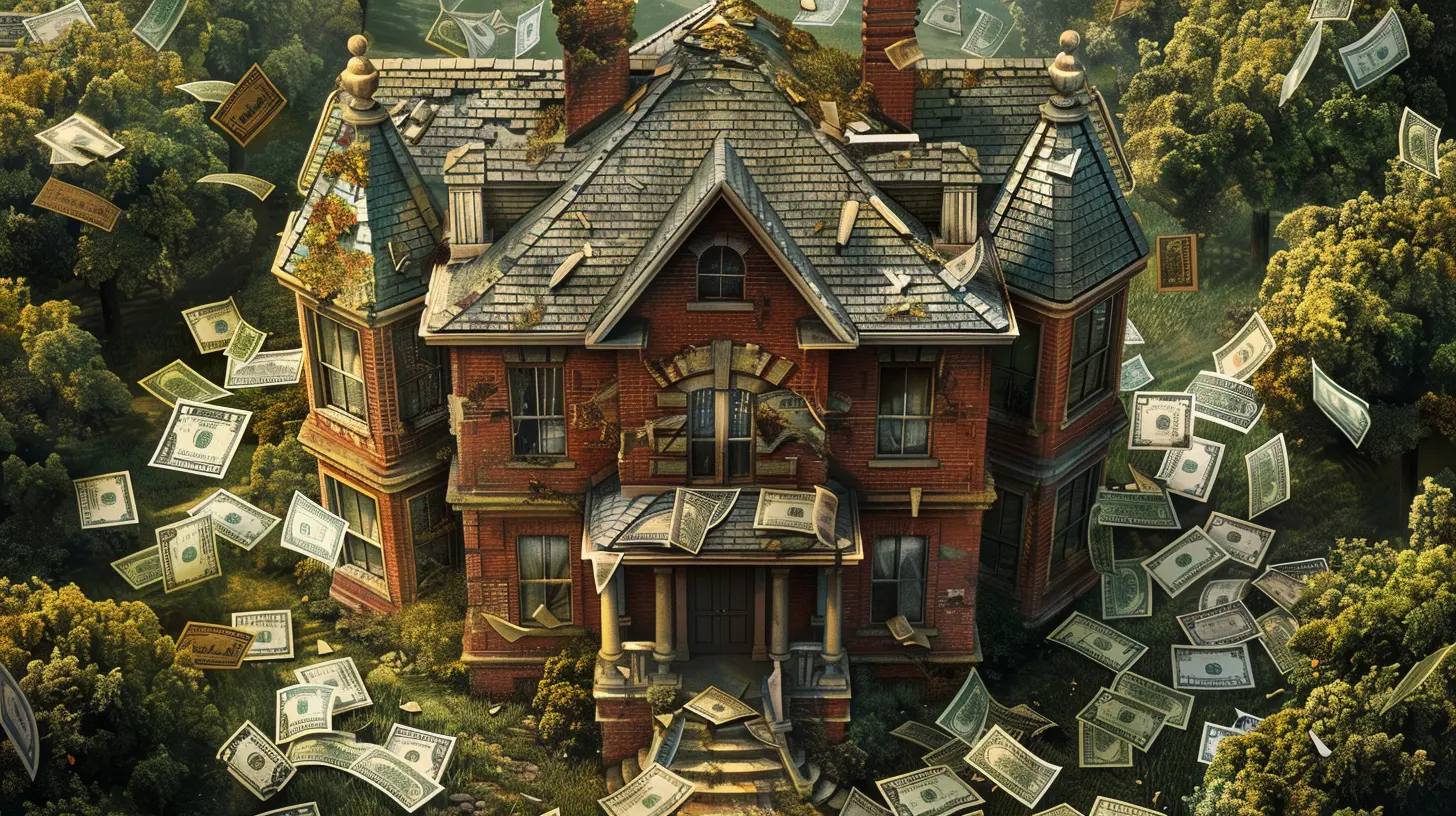
What Is a Down Payment?
A down payment is the upfront amount you pay when purchasing a home. It's calculated as a percentage of the home's purchase price. The rest of the cost is typically covered by a mortgage loan.For example, if you're buying a $300,000 home and decide to put down 20%, that means you'll pay $60,000 upfront and finance the remaining $240,000 with a mortgage.
But here's the big question—should you aim for that 20% mark, or is a smaller down payment a smarter move?
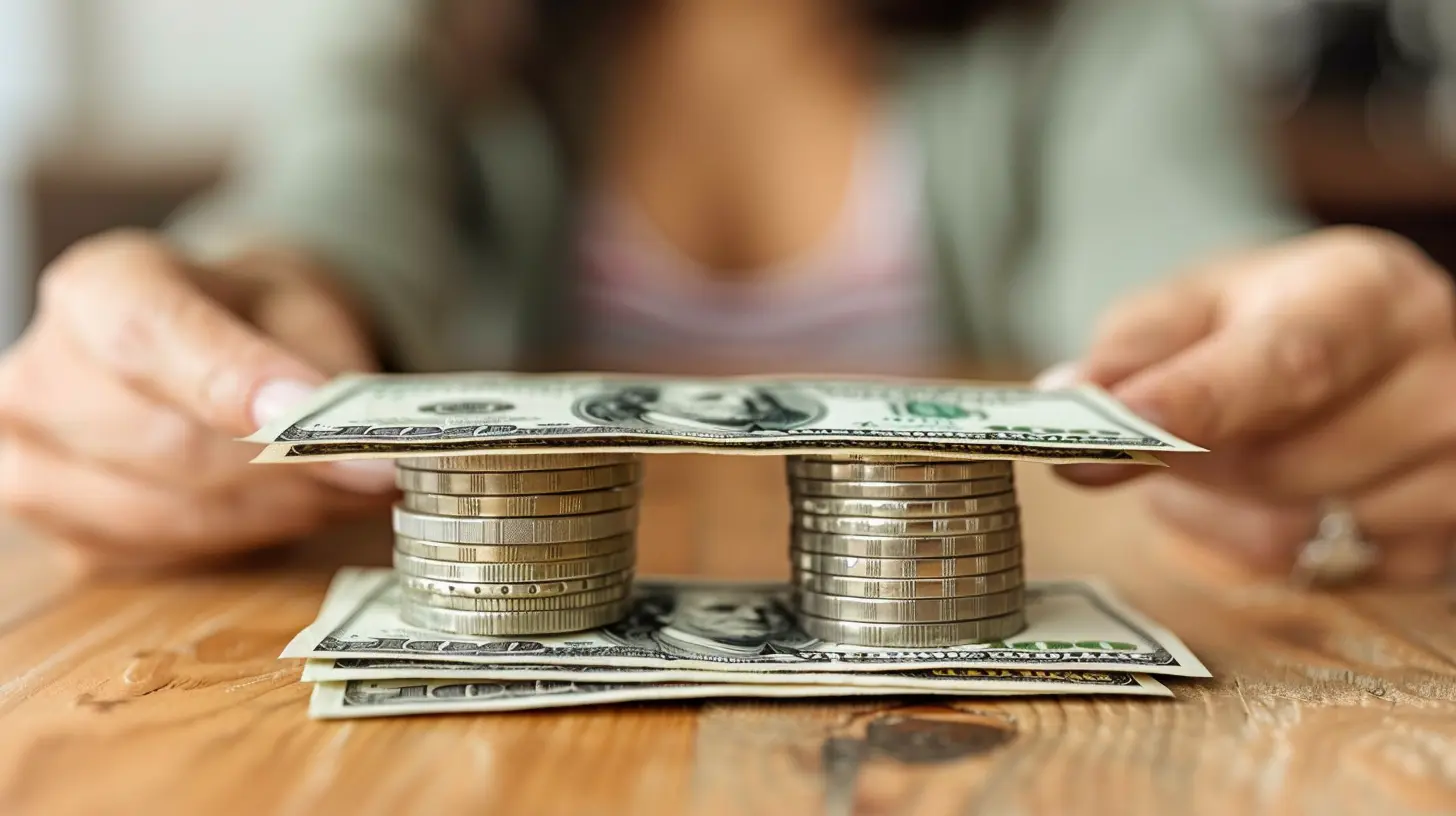
The 20% Myth: Is It Really Necessary?
You've probably heard that putting down 20% is the gold standard. While it's true that a 20% down payment offers some perks, it's not a hard-and-fast rule.Benefits of a 20% Down Payment
- Lower Monthly Payments – A higher down payment means a smaller loan, which leads to lower monthly mortgage payments.- No Private Mortgage Insurance (PMI) – If you put down less than 20%, lenders typically require PMI, which adds an extra fee to your monthly costs.
- Better Interest Rates – Lenders often offer lower interest rates to buyers with higher down payments because they pose less risk.
- More Equity from Day One – The more you put down, the more ownership you have in your home right away.
While these benefits are great, you don’t necessarily need a 20% down payment to buy a home. There are plenty of loan options that allow you to put down far less.

Low Down Payment Loan Options
If saving 20% seems impossible, don't panic! Many loan programs allow for much lower down payments:- Conventional Loans – Some lenders allow you to put down as little as 3% if you qualify.
- FHA Loans – The Federal Housing Administration (FHA) offers loans requiring just 3.5% down, making homeownership more accessible.
- VA Loans – If you’re a veteran or active military member, you may qualify for a VA loan, which allows zero down payment.
- USDA Loans – If you’re buying in a rural area, a USDA loan could also offer a 0% down payment option.
These options make it possible to buy a home without breaking the bank, but keep in mind that a lower down payment means higher monthly mortgage costs.
Factors to Consider When Determining Your Down Payment
So, how much should you put down? The right amount depends on your financial situation and long-term goals. Here’s what you should consider:1. Your Savings and Financial Cushion
It's crucial to have some cash left over after making your down payment. You don’t want to sink every penny into the house and leave yourself without an emergency fund. Ideally, you should still have enough savings to cover at least 3-6 months of living expenses after buying your home.2. Affordability and Monthly Payments
The more you put down, the lower your monthly mortgage payments will be. But if making a large down payment wipes out your savings, it might not be the best move. Run the numbers and make sure you’re comfortable with your future mortgage payments.3. Loan Type and Mortgage Insurance
If you’re putting down less than 20%, be prepared for private mortgage insurance (PMI) or other fees. Some loan types, like VA loans, don’t require PMI, but FHA loans have their own version of mortgage insurance that sticks around for the life of the loan unless you refinance.4. Your Credit Score and Interest Rate
A larger down payment can help you qualify for a lower interest rate, which saves you money over time. But if you have a strong credit score, you may still qualify for a good rate even with a smaller down payment.5. Your Long-Term Goals
Think about your future plans. Are you planning to stay in the home long-term, or is this just a stepping stone? A larger down payment makes more sense if you plan to stay put for many years, but if you're planning to move in a few years, keeping some of your savings liquid might be the better choice.Finding the Right Balance
So, what’s the sweet spot? While 20% is great if you can afford it comfortably, many buyers find that a down payment between 10-15% offers a good balance between affordability and financial security.If you need to go lower, just make sure you're factoring in the added costs of PMI and higher interest rates. On the flip side, if you can afford to put down more without straining your finances, it could save you thousands in interest over the life of your loan.
Tips for Saving for Your Down Payment
If you’re not there yet, don’t worry. Here are some practical ways to boost your savings:- Set Up a Dedicated Savings Account – Keep your down payment funds separate to avoid spending them.
- Cut Unnecessary Expenses – Trim your budget by cutting dining out, subscriptions, or luxury purchases.
- Automate Your Savings – Set up automatic transfers to your down payment fund each month.
- Consider a Side Hustle – Extra income from freelancing, gig work, or a part-time job can help you reach your goal faster.
- Look Into Down Payment Assistance Programs – Many states and local governments offer grants or low-interest loans to help first-time buyers.
Final Thoughts
There’s no one-size-fits-all answer to the perfect down payment. It all comes down to your financial situation, risk tolerance, and future plans. If you can afford 20% without stretching yourself too thin, go for it. But if a lower down payment gets you into your dream home sooner while keeping your finances stable, that’s completely fine too.The key is to crunch the numbers, weigh the pros and cons, and make a decision that aligns with your financial goals. Whatever you choose, buying a home is a big step—so make sure you're setting yourself up for success!
all images in this post were generated using AI tools
Category:
Down PaymentsAuthor:

Melanie Kirkland
Discussion
rate this article
1 comments
Blair Tucker
Determining your ideal down payment depends on your financial situation and goals. A larger payment can reduce monthly costs, but don't overlook how it affects your savings and investment flexibility.
August 18, 2026 at 11:01 AM
Melanie Kirkland
You're right. Finding the right balance between a larger down payment and maintaining savings is crucial for long-term financial health.