How to Choose the Perfect Neighborhood for Your Lifestyle
26 January 2026
Finding the perfect neighborhood is just as important as finding the right home. After all, your home isn't just the four walls you live in—it’s the community, the vibe, and the lifestyle that comes with it. Whether you're buying or renting, choosing the right neighborhood can make or break your living experience. But with so many options, how do you narrow it down?
Let’s dive into the key factors that will help you find a neighborhood that truly feels like home. 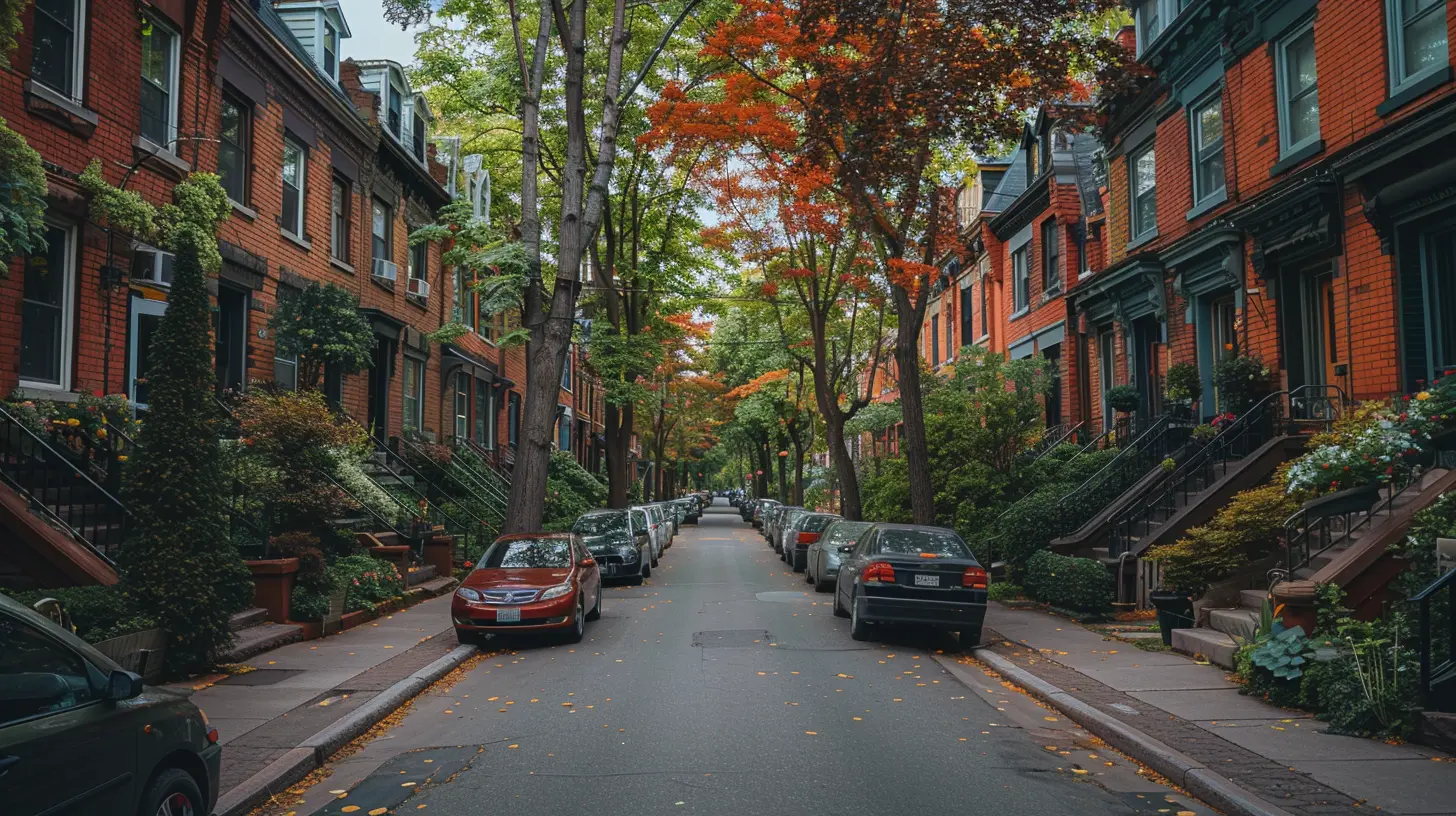
1. Define Your Lifestyle and Priorities
Before you start scrolling through listings, take a step back and think—what does your ideal lifestyle look like?- Are you a young professional looking for a vibrant nightlife and short commutes?
- A parent prioritizing good schools and family-friendly parks?
- Someone who values peace, quiet, and nature?
Understanding your lifestyle helps filter out neighborhoods that just won’t work. Create a list of must-haves, nice-to-haves, and deal-breakers to guide your search. 
2. Consider the Location and Commute
No one loves being stuck in traffic for hours every day. Your daily commute plays a huge role in your quality of life.- If you work in the city, consider proximity to public transportation or highways.
- If you work remotely, check the availability of co-working spaces and high-speed internet.
- Factor in not just work, but also how close you’ll be to family, friends, and regular spots like the gym or grocery store.
Even the most beautiful neighborhood won’t feel right if you’re spending half your day commuting. 
3. Research the Cost of Living
Your dream neighborhood won’t be a dream if it stretches your budget too thin. Housing costs, property taxes, groceries, and even dining out vary by location.- Compare home prices or rental rates in different neighborhoods.
- Check utility costs and local taxes.
- Consider the cost of essentials like groceries, healthcare, and gas.
A beautiful neighborhood with hidden expenses can turn homeownership (or renting) into a financial headache. 
4. Check Safety and Crime Rates
Feeling safe in your own neighborhood is non-negotiable. Before making a decision, research crime rates in the area.- Use websites like NeighborhoodScout or local police reports.
- Talk to potential neighbors about their experiences.
- Drive around at different times of the day to get a feel for the area.
A neighborhood may look great during the day, but how does it feel at night? Trust your gut – if something feels off, it probably is.
5. Assess Schools and Education Options
Even if you don’t have kids, school districts influence property values. Families prioritize great schools, which keeps demand high and home values stable.- Look at school ratings and student-teacher ratios.
- Check for nearby preschools, private schools, or charter schools.
- Consider future resale value—homes in good school districts often sell faster.
It’s worth considering, even if kids aren’t in your immediate plans.
6. Evaluate the Community and Culture
The vibe of a neighborhood can make all the difference. Do you want a social, close-knit community where neighbors know each other? Maybe you prefer peace and privacy.- Attend neighborhood events or visit local cafes to observe the crowd.
- Read community forums or Facebook groups to gauge local issues and concerns.
- Check if there are frequent community gatherings, markets, or festivals.
A neighborhood should align with your values and social preferences—otherwise, it may never truly feel like home.
7. Explore Local Amenities and Entertainment
What’s life without convenience and a little fun? The right neighborhood should have everything you need within easy reach.- Shopping & Dining: Are there good restaurants, grocery stores, and shopping centers nearby?
- Parks & Recreation: If you love the outdoors, look for trails, parks, or beaches.
- Entertainment: Movie theaters, live music venues, or nightlife options can be major perks.
Think about how you spend your free time and see if the area caters to your interests.
8. Look at Future Growth and Development
A neighborhood might look charming today, but what about in five or ten years? Future development plans can impact property values and overall lifestyle.- Check city planning websites for upcoming projects.
- Investigate whether new businesses, schools, or infrastructure improvements are in the works.
- Be mindful of areas facing overdevelopment—too much construction can lead to congestion and noise.
Picking a growing and thriving neighborhood can be a smart long-term move.
9. Spend Time in the Neighborhood
One of the best ways to know if a neighborhood is right for you? Experience it firsthand.- Walk around during different times of the day.
- Grab coffee at a local café and observe the scene.
- If possible, stay in an Airbnb for a weekend to get an authentic feel.
A visit can confirm (or change) your perception of an area before you commit.
10. Trust Your Instincts
At the end of the day, no amount of research beats your gut feeling. If a neighborhood doesn’t "feel right," don’t force it.- If you feel uneasy or out of place, listen to that instinct.
- If you immediately imagine yourself living there happily, that’s a great sign.
- Don't rush—finding the perfect neighborhood takes time.
The right neighborhood should make you feel at home from day one.
Final Thoughts
Choosing the perfect neighborhood isn’t just about home prices or commute times—it’s about finding a place that fits your lifestyle, values, and daily needs. Take the time to research, visit, and trust your instincts. Your neighborhood shapes your day-to-day life, so make sure it's one you're excited to call home.Happy house hunting!
all images in this post were generated using AI tools
Category:
Relocation TipsAuthor:

Melanie Kirkland
Discussion
rate this article
2 comments
Jemima Cooper
Prioritize what matters most for your lifestyle.
February 11, 2026 at 4:50 AM
Melanie Kirkland
Absolutely! Focusing on what truly matters to you—be it schools, parks, or nightlife—ensures your neighborhood enhances your daily life.
Ezra Luna
Great insights on selecting a neighborhood! Prioritizing factors like amenities, commute, and community vibe really helps align the environment with personal lifestyle needs. Thanks for sharing!
January 27, 2026 at 3:39 AM
Melanie Kirkland
Thanks for the feedback! I'm glad you found the tips helpful. Prioritizing those factors really does make a difference.