How to Choose the Right Fixtures for Your Home’s Lighting Needs
5 February 2026
Lighting is one of the most underrated aspects of home design. It sets the mood, improves functionality, and even enhances your home's aesthetics. But with so many options available, how do you pick the right lighting fixtures for your space?
If you’ve ever walked into a lighting store, you know the sheer number of choices can be overwhelming—chandeliers, pendants, sconces, recessed lights... the list goes on! The good news? Choosing the right fixtures doesn’t have to be complicated.
In this guide, we’ll break it all down, so you can confidently pick the perfect lighting for your home.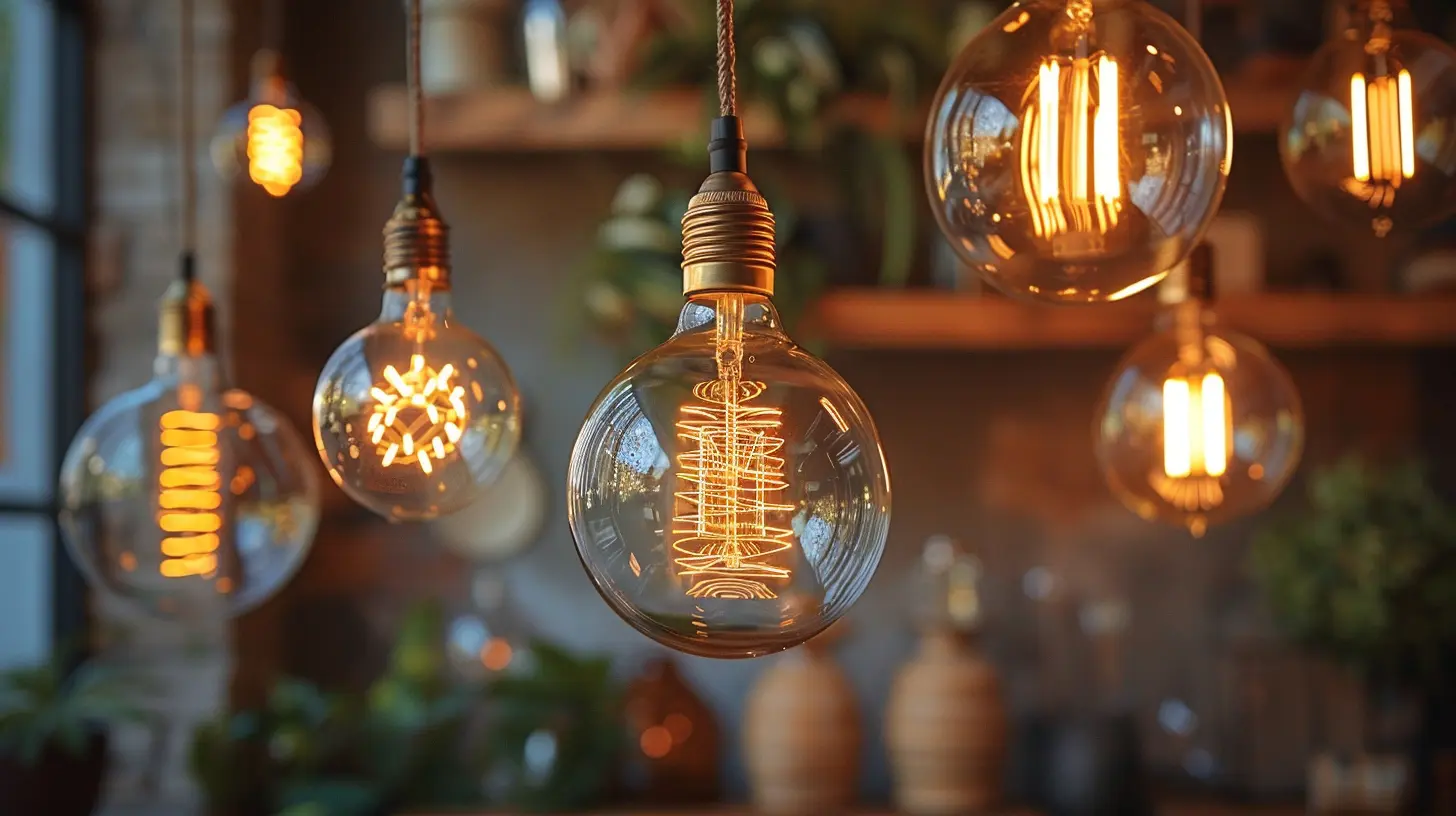
1. Understand the Three Types of Lighting
Before you even think about fixtures, you need to know the three main types of lighting:A. Ambient Lighting (General Lighting)
This is the primary source of light for any room. It provides overall illumination, making sure the space is well-lit without being too harsh. Think ceiling-mounted fixtures, recessed lighting, or large chandeliers that brighten up the entire area.B. Task Lighting
Ever tried chopping veggies in a dimly lit kitchen or reading in a poorly lit corner? That’s where task lighting comes in! It focuses light on specific areas to help with activities like reading, cooking, or working. Under-cabinet lights, desk lamps, and pendant lights over kitchen islands fall into this category.C. Accent Lighting
Want to highlight that beautiful painting on the wall or your stunning fireplace? Accent lighting adds drama by drawing attention to specific areas. Spotlights, track lighting, and wall sconces work great for this purpose.Each room should ideally have a mix of all three for the best effect. 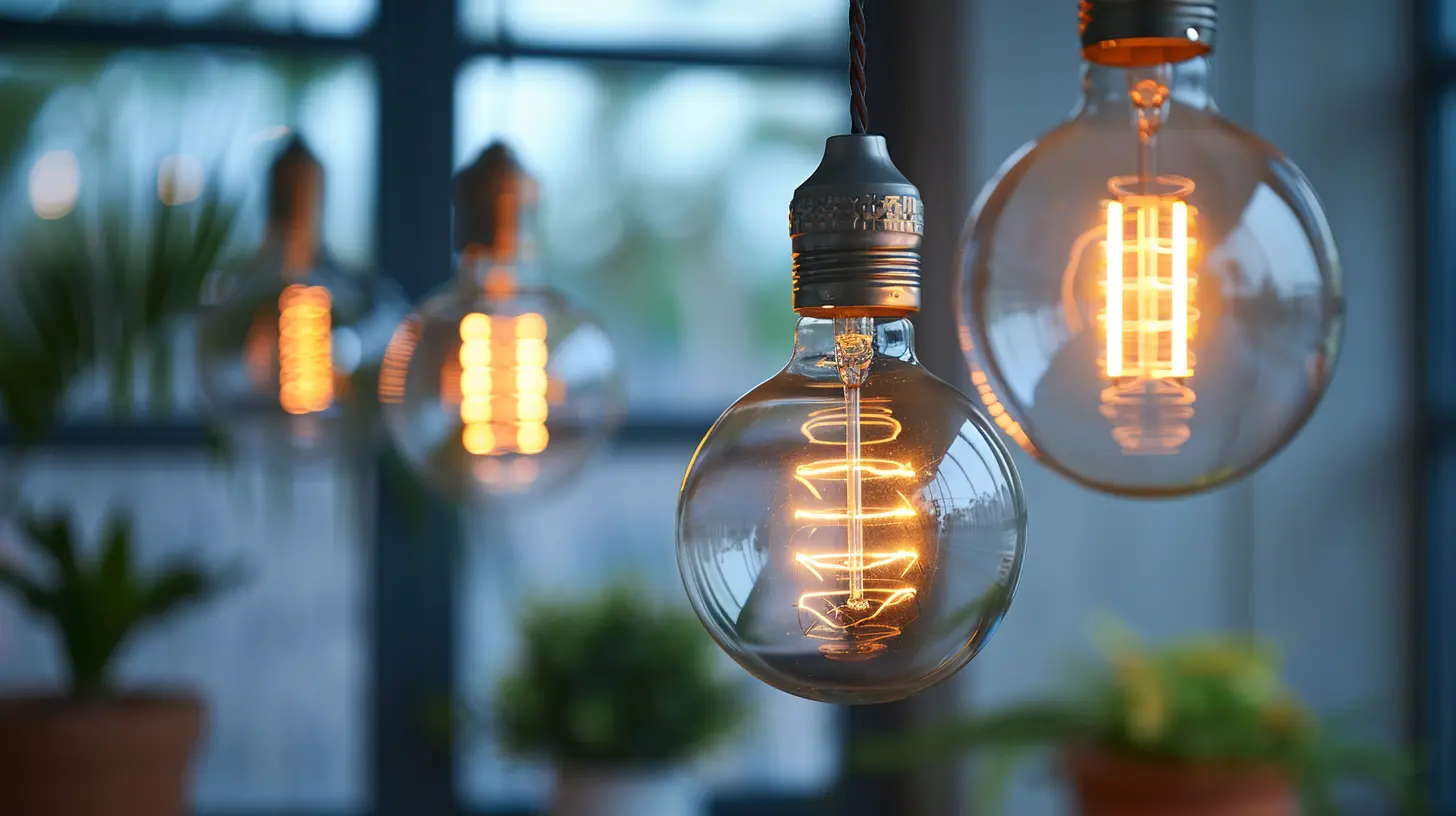
2. Consider the Functionality of Each Room
Different rooms have different lighting needs. Here’s a quick breakdown of what works best in each space:Living Room
This is a space for relaxation and entertainment, so a combination of ambient lighting and accent lighting works best. Consider a stylish chandelier, layered with floor lamps and wall sconces for extra warmth.Kitchen
Kitchens need bright, functional lighting. Opt for recessed lights or flush mounts for ambient lighting, pendant lights over islands, and under-cabinet task lights to illuminate countertops.Bedroom
A cozy, calm atmosphere is key here. Ceiling lights provide general illumination, while bedside table lamps or wall sconces serve as excellent task lighting for nighttime reading.Bathroom
Bright, even lighting is essential—especially around the mirror. Wall-mounted vanity lights help minimize shadows, while recessed ceiling lights provide good overall illumination.Dining Room
A statement chandelier over the dining table instantly elevates the space. Pair it with dimmable recessed lights or wall sconces to set different moods.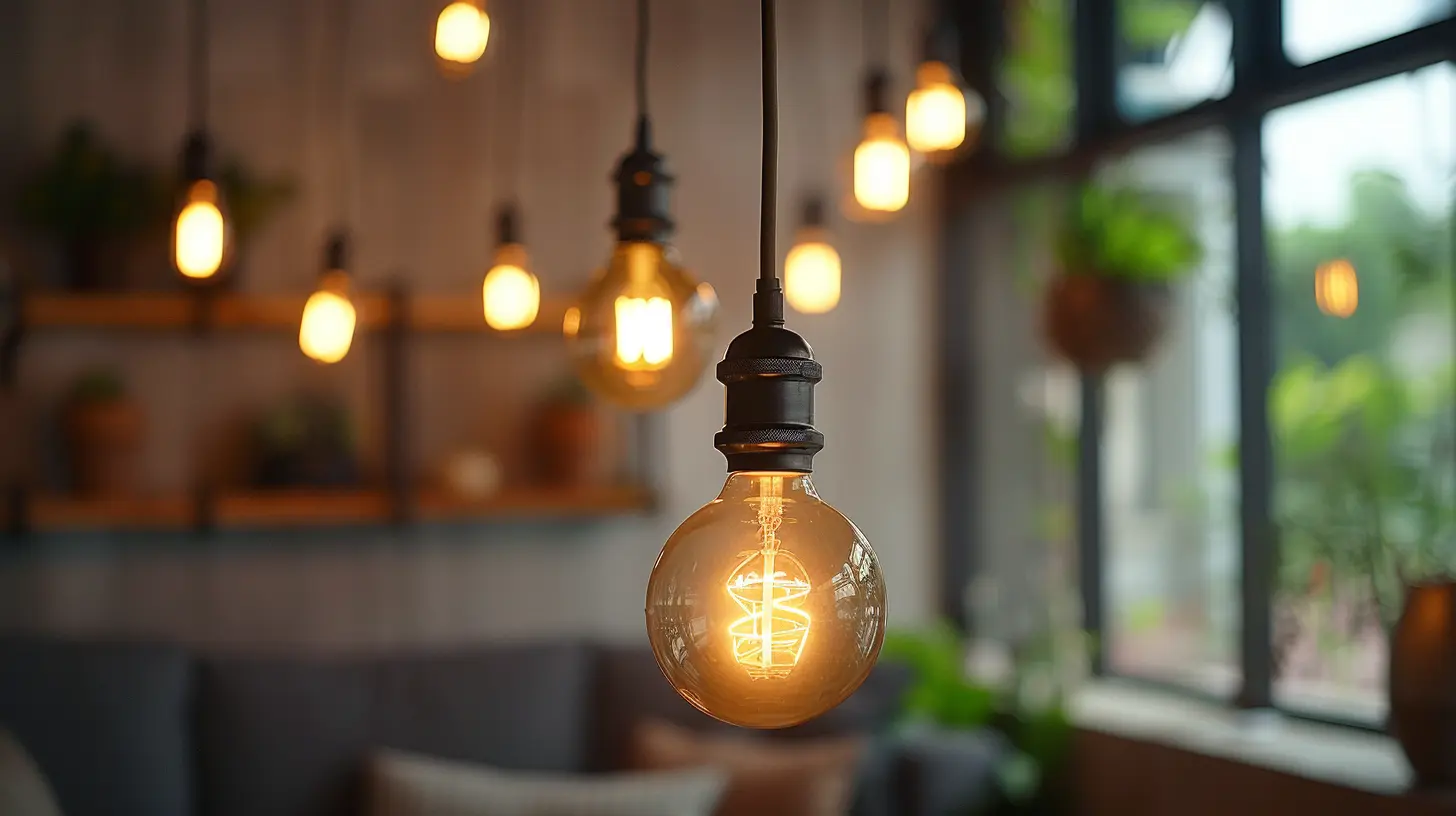
3. Choose the Right Fixture Styles to Match Your Décor
Your lighting fixtures should complement your home’s overall design. Here are a few styles to consider:- Modern & Minimalist – Sleek, clean-lined fixtures with neutral colors.
- Rustic & Farmhouse – Wooden accents, wrought-iron finishes, and warm tones.
- Industrial – Exposed bulbs, metal fixtures, and a raw, edgy look.
- Traditional & Classic – Elegant chandeliers, brass finishes, and timeless designs.
- Boho & Eclectic – Unique, artistic fixtures with playful shapes and textures.
Pick a style that blends seamlessly with your furniture and decor.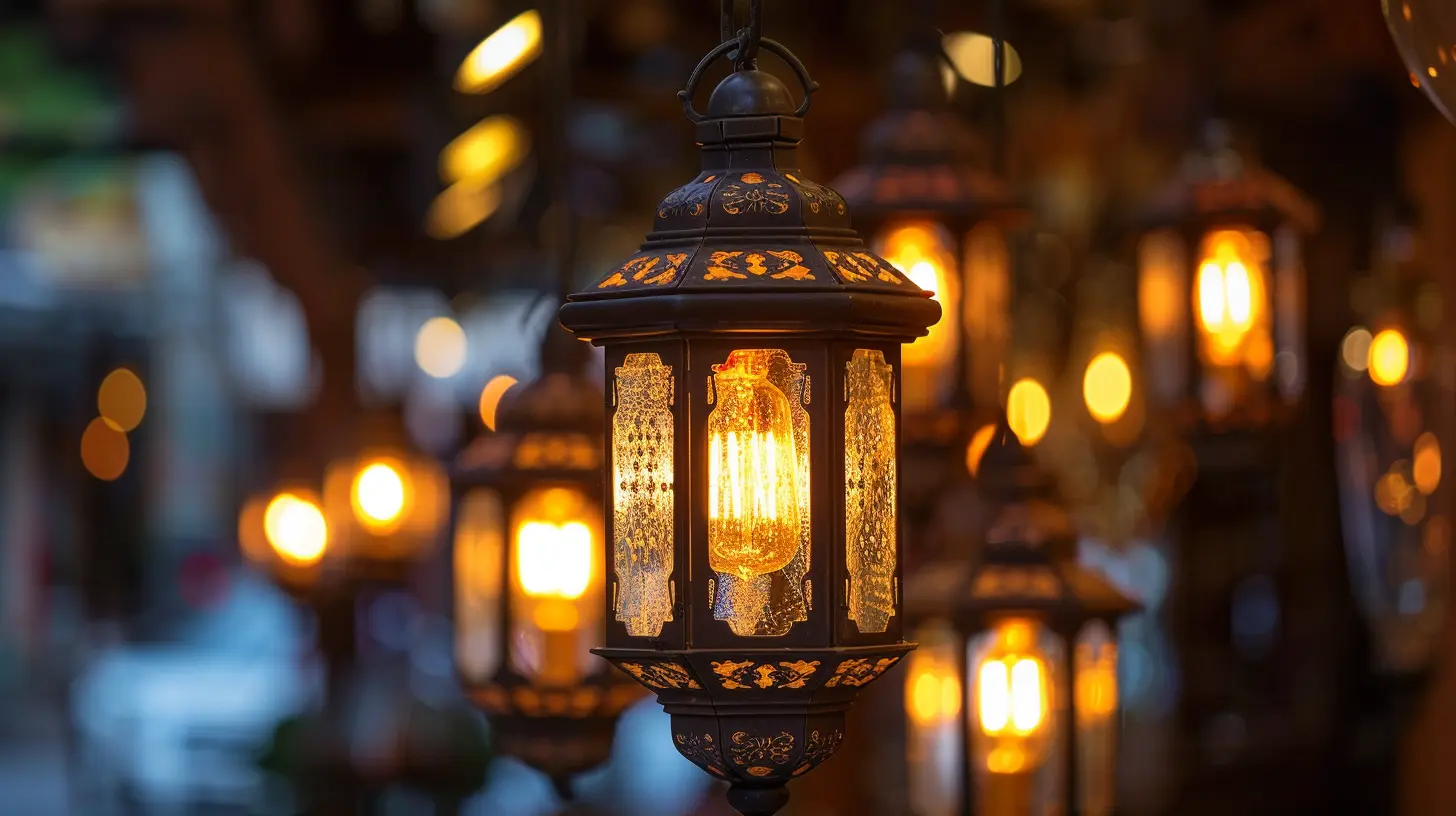
4. Get the Right Size and Scale
Bought a stunning chandelier only to realize it’s way too big for your room? Or installed a light that looks oddly small in a large space? Getting the right size and scale is crucial.How to Choose the Right Size Fixture?
A simple rule of thumb:- For chandeliers or dining room lights, add the room’s length + width in feet, and convert that number to inches. That’s the ideal diameter of your chandelier.
(Example: A 12’ x 14’ dining room → 12+14 = 26 → A 26-inch chandelier works best.)
- Hanging lights over tables or kitchen islands? Keep about 30-36 inches of space between the tabletop and the bottom of the fixture.
- Sconces should be placed at eye level (about 5.5-6 feet from the floor).
Scaling your light fixtures correctly ensures they don’t overpower (or underwhelm) the room.
5. Pay Attention to Bulb Types and Color Temperature
Even the most beautiful light fixture won’t look great if the bulbs aren’t right.A. Types of Light Bulbs
- LED – Energy-efficient, long-lasting, and available in different color temperatures.- CFL – More efficient than incandescent but slower to warm up.
- Incandescent – Classic warm glow, but not energy-efficient.
- Halogen – Bright white light, great for task lighting.
B. Understanding Color Temperature
Measured in Kelvins (K), color temperature greatly affects the ambiance of a room:- Warm Light (2700K-3000K) – Cozy, yellowish tones ideal for living rooms and bedrooms.
- Cool White (3500K-4100K) – Brighter, cleaner light perfect for kitchens and bathrooms.
- Daylight (5000K-6500K) – Mimics natural light, great for workspaces and task lighting.
Stick to warm and cool whites for a balanced, inviting atmosphere.
6. Opt for Dimmers and Smart Lighting
Want full control over your lighting? Dimmer switches and smart lighting are game-changers.Why Add Dimmers?
- Adjust brightness to match the time of day and mood.- Save energy by using only as much light as needed.
- Extend the lifespan of your bulbs.
Smart Lighting Benefits:
- Control lights via smartphone or voice assistants (like Alexa or Google Home).- Automate lighting schedules.
- Change colors and brightness levels with ease.
A small investment in smart lighting can make a huge difference in both convenience and aesthetics.
7. Energy Efficiency Matters
No one wants to pay sky-high energy bills. Choosing energy-efficient lighting not only saves money but also helps the environment.Tips to Save Energy with Lighting:
- Use LED bulbs instead of incandescent.- Install motion sensors for hallways and outdoor areas.
- Opt for dimmers to reduce power consumption.
- Take advantage of natural light by keeping windows unobstructed during the day.
Switching to Energy Star-rated fixtures can significantly cut electricity costs without sacrificing style.
8. Don’t Forget Outdoor Lighting
Your home’s exterior deserves just as much attention as the interior! Outdoor lighting enhances curb appeal, improves safety, and allows you to enjoy your yard after dark.Best Outdoor Lighting Options:
- Pathway Lights – Guide guests safely to your front door.- Floodlights – Bright motion-sensor lights for home security.
- Porch & Entryway Lights – A warm welcome for visitors.
- String Lights & Lanterns – Perfect for patios and decks.
Use weather-resistant, durable fixtures to withstand the elements.
Final Thoughts
Choosing the right lighting fixtures is more than just picking pretty designs—it’s about enhancing functionality, matching aesthetics, and creating the perfect ambiance.If you take the time to layer your lighting, consider scale, choose the right bulb temperature, and embrace smart technology, your home will not only be well-lit but beautifully illuminated.
So, next time you're shopping for fixtures, keep these tips in mind—you'll end up with a space that shines in all the right ways!
all images in this post were generated using AI tools
Category:
Home Improvement TipsAuthor:

Melanie Kirkland
Discussion
rate this article
2 comments
Onyx Robinson
Choosing the right fixtures for your home is like finding the perfect pair of shoes—style is important, but comfort matters more! You don’t want to blind your guests like a deer in headlights or dim the mood like a romantic dinner gone wrong. Happy hunting!
February 15, 2026 at 12:50 PM
Melanie Kirkland
Absolutely! Just like the perfect shoes, finding the right lighting fixtures balances style and comfort. It's all about creating the right ambiance for your space. Happy decorating!
Astranor Franco
Brighten your space with the perfect fixtures! Let your home shine and reflect your unique style!
February 6, 2026 at 11:46 AM
Melanie Kirkland
Thank you! Choosing the right fixtures is essential to enhance both your space and personal style. Happy decorating!