How to Manage a Home Purchase With a Small Down Payment
1 July 2026
Buying a home is a dream for many, but that hefty down payment requirement can feel like a major roadblock. If saving tens of thousands of dollars seems overwhelming, don't sweat it! The good news? You can buy a home with a small down payment—you just need a solid strategy.
In this guide, we'll walk you through how to navigate the home-buying process with less cash upfront while still making a smart financial decision. So grab your coffee, sit back, and let’s dive in! 
? Why a Large Down Payment Isn’t Always Necessary
For years, the idea of a 20% down payment has been drilled into our heads as the golden rule of homeownership. But guess what? That’s a myth for most buyers!Many loans allow for much lower down payments, making it possible to purchase a home without breaking the bank. In fact, plenty of buyers—especially first-timers—secure their dream home with as little as 3–5% down (and sometimes even 0%!).
So if you haven’t saved a small fortune yet, don’t panic. You still have options! 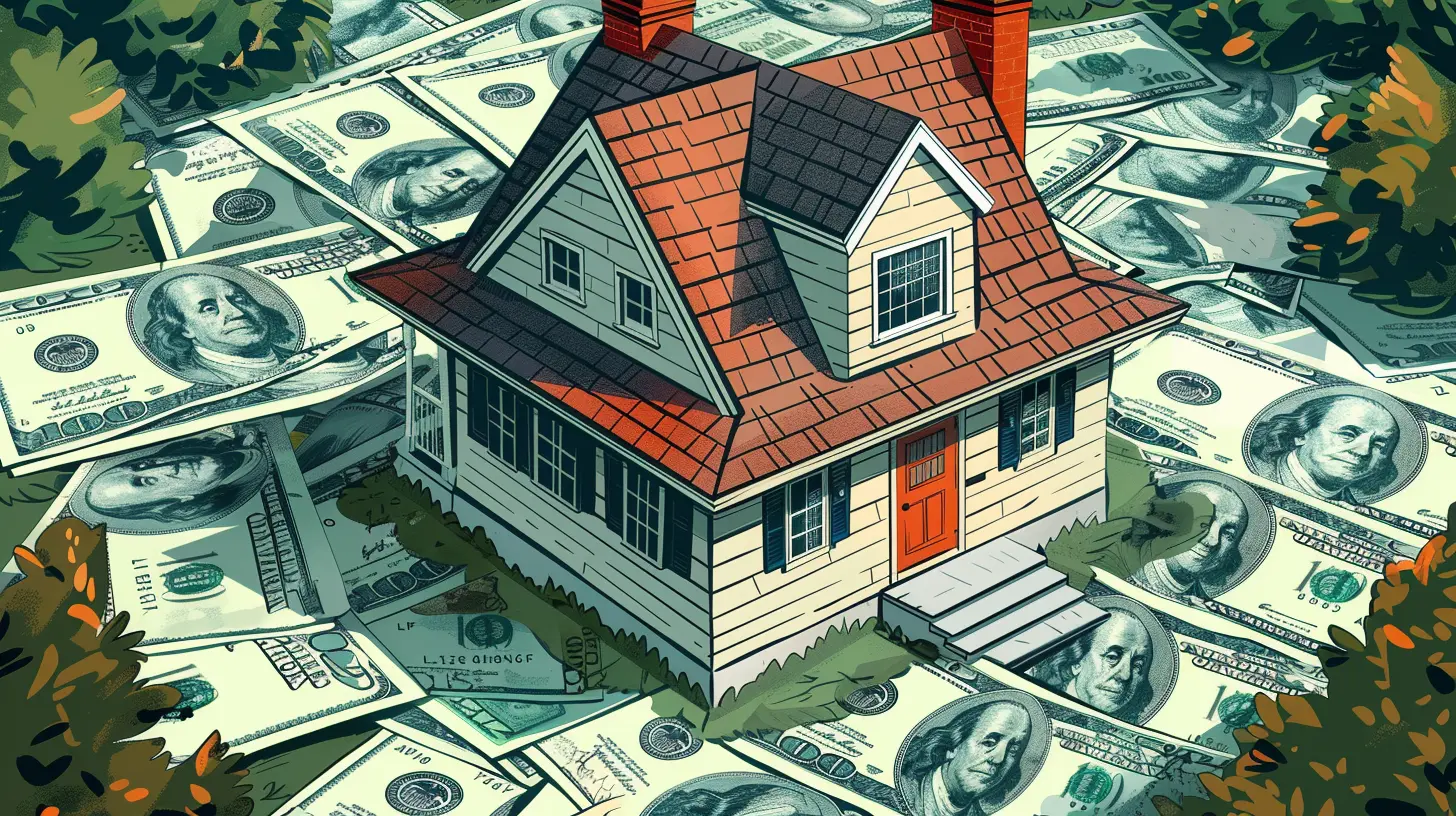
? Loan Options That Support Small Down Payments
Not all loans require a big down payment. Let’s look at some of the best mortgage programs designed for buyers with a limited budget:1. FHA Loans (3.5% Down)
If your credit score is 580 or higher, you can qualify for an FHA loan with just 3.5% down. Even if your credit score is lower (as low as 500), you may still qualify, though a 10% down payment might be required.✅ Best for: First-time buyers or those with lower credit scores.
2. VA Loans (0% Down)
If you’re a veteran, active military, or an eligible spouse, you qualify for a VA loan, which offers 100% financing—meaning no down payment at all! Plus, there’s no private mortgage insurance (PMI), which saves you money every month.✅ Best for: Military service members and veterans.
3. USDA Loans (0% Down)
If you’re purchasing a home in a rural or suburban area, you might qualify for a USDA loan, which allows you to buy with 0% down. The catch? Your household income needs to fall within certain limits.✅ Best for: Buyers looking in eligible rural areas with moderate incomes.
4. Conventional Loans (3–5% Down)
Many first-time homebuyer programs offer conventional loans that require as little as 3% or 5% down. If your credit score is strong, you may get better terms compared to FHA loans—plus, you can ditch PMI once you reach 20% equity.✅ Best for: Buyers with good credit scores who want to avoid long-term mortgage insurance costs. 
? Where to Find Extra Help
Sometimes, saving even 3–5% can feel like an uphill battle. The good news? There are plenty of resources that can help you boost your down payment:? 1. Down Payment Assistance (DPA) Programs
Many state and local governments offer grants or low-interest loans to help first-time buyers cover their down payment. Some programs even offer forgivable loans—meaning you don’t have to repay them if you stay in the home for a certain number of years.✅ How to find them: Search online for "[your state] down payment assistance programs."
? 2. Gift Funds
Did you know that family members can gift you money for a down payment? Most loan programs allow this, though you may need to show a gift letter proving it’s not a loan.✅ Who can gift funds? Usually, close relatives, but some programs allow assistance from employers or even nonprofits.
? 3. Employer Homebuyer Programs
Some companies offer homebuyer assistance programs as an employee benefit. If your employer has one, you might get help with the down payment or closing costs.✅ Tip: Ask HR if your company has any homeownership perks! 
? Smart Strategies to Make a Small Down Payment Work
So, you've figured out your loan options and secured some financial help. Now, let's make sure your small down payment works in your favor.? 1. Improve Your Credit Score
A higher credit score = better mortgage terms and lower monthly payments. Even a small boost in your score can save you thousands over the life of your loan.Quick credit-boosting tips:
✅ Pay off outstanding debts✅ Avoid opening new credit accounts before applying for a mortgage
✅ Check your credit report for errors
? 2. Shop for the Best Mortgage Rates
Not all lenders offer the same interest rates! Even a slight difference in your rate can make a huge impact on your monthly payment.✅ Compare quotes from at least 3–5 lenders before making a decision.
? 3. Avoid Private Mortgage Insurance (PMI) If Possible
With a down payment under 20%, most loans require PMI—an extra insurance cost that protects the lender (not you!). If possible, try to:- Choose a loan program that waives PMI (like VA loans).
- Consider lender-paid PMI options (though they may have slightly higher interest rates).
? 4. Buy a Home Wisely
When buying with a small down payment, it's crucial to choose a home that won’t stretch your budget too thin.✅ Look for:
- Affordable properties within your means
- Homes in areas with strong potential for appreciation
- Houses that don’t need expensive repairs upfront
? 5. Negotiate Closing Costs
Your down payment isn’t the only upfront cost—you’ll also have closing costs, which can add up fast. But here’s the good news: you can negotiate!✅ Ways to reduce closing costs:
- Ask the seller to contribute toward closing costs (common in buyer-friendly markets).
- See if your lender offers a no-closing-cost loan (though this usually means a slightly higher interest rate).
- Use a first-time homebuyer grant to help cover costs.
? Ready to Buy with a Small Down Payment?
Buying a home with a small down payment is totally possible—you just need the right loan, the right strategy, and a little bit of patience. By leveraging down payment assistance programs, improving your credit, and shopping smart, you can turn homeownership from a distant dream into a reality.So, don’t let the fear of a big down payment stop you from getting the keys to your dream home. Your front door is closer than you think!
all images in this post were generated using AI tools
Category:
Down PaymentsAuthor:

Melanie Kirkland
Discussion
rate this article
1 comments
Jace Hall
In the dance of home dreams, a small down payment can open doors. Let patience and planning guide your path to a welcoming place called home.
July 10, 2026 at 4:27 AM
Melanie Kirkland
Absolutely! A small down payment can indeed set the stage for home ownership. With thoughtful planning, dreams can become reality.