How To Qualify for Real Estate Tax Exemptions
5 July 2026
Taxes can be a real headache, especially when it comes to real estate. But what if you could legally reduce or even eliminate some of those taxes? Sounds great, right? That’s exactly what real estate tax exemptions are for. They can save homeowners, investors, and even businesses a significant amount of money each year. But qualifying for these exemptions isn’t always straightforward.
In this guide, we’ll break down how you can qualify for real estate tax exemptions, who qualifies, and the steps you need to take to maximize your savings.
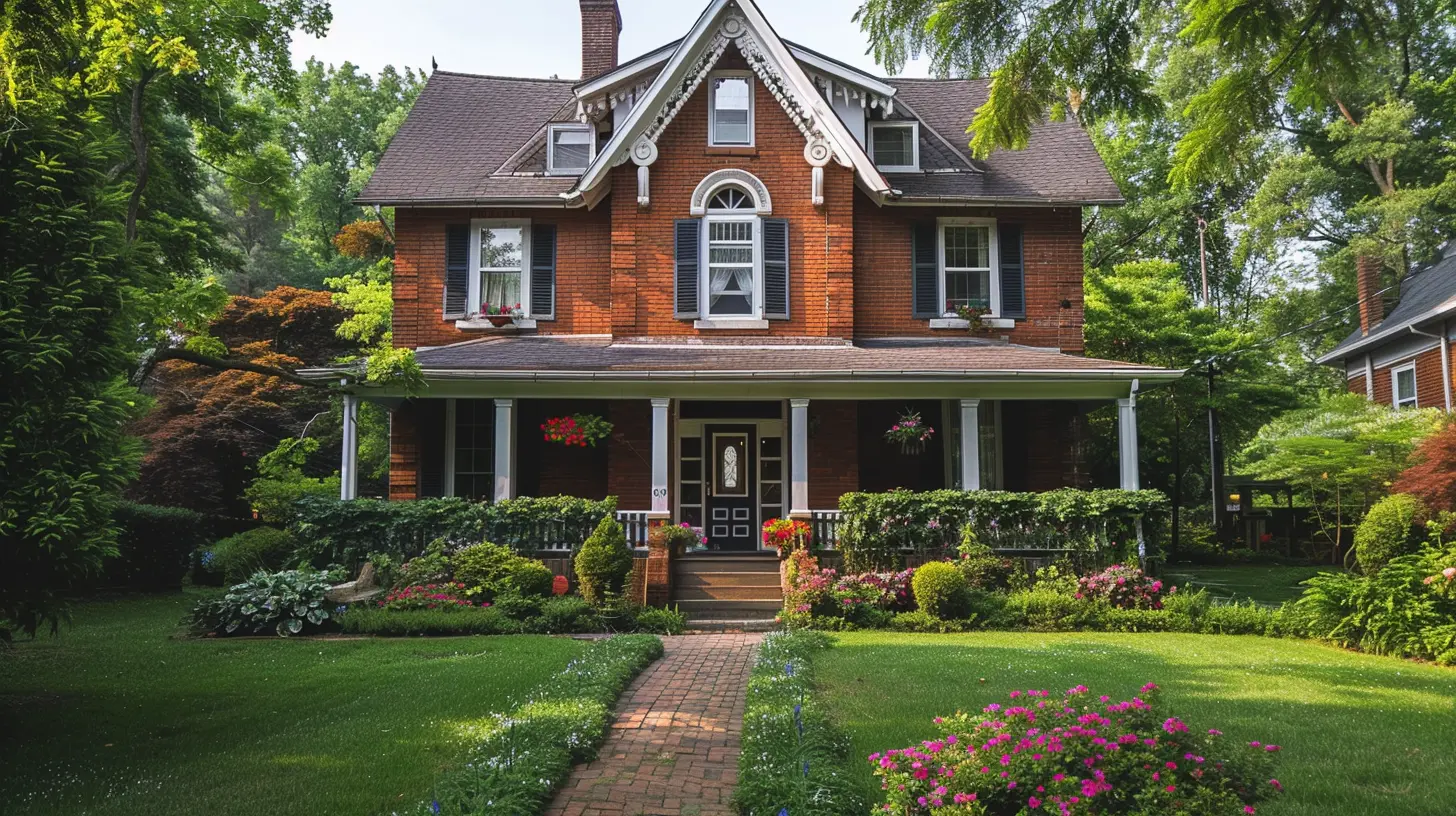
What Are Real Estate Tax Exemptions?
Before we dive into the details, let’s get clear on what a tax exemption is. Simply put, it’s a reduction or complete waiver of property taxes for qualified individuals or organizations. These exemptions vary by state and local laws, but the goal is the same—to provide financial relief for homeowners, seniors, veterans, and sometimes even businesses and non-profits.Unlike tax deductions or credits, tax exemptions reduce the taxable value of your property, which directly lowers the amount of tax you owe. This can result in thousands of dollars in savings every year!
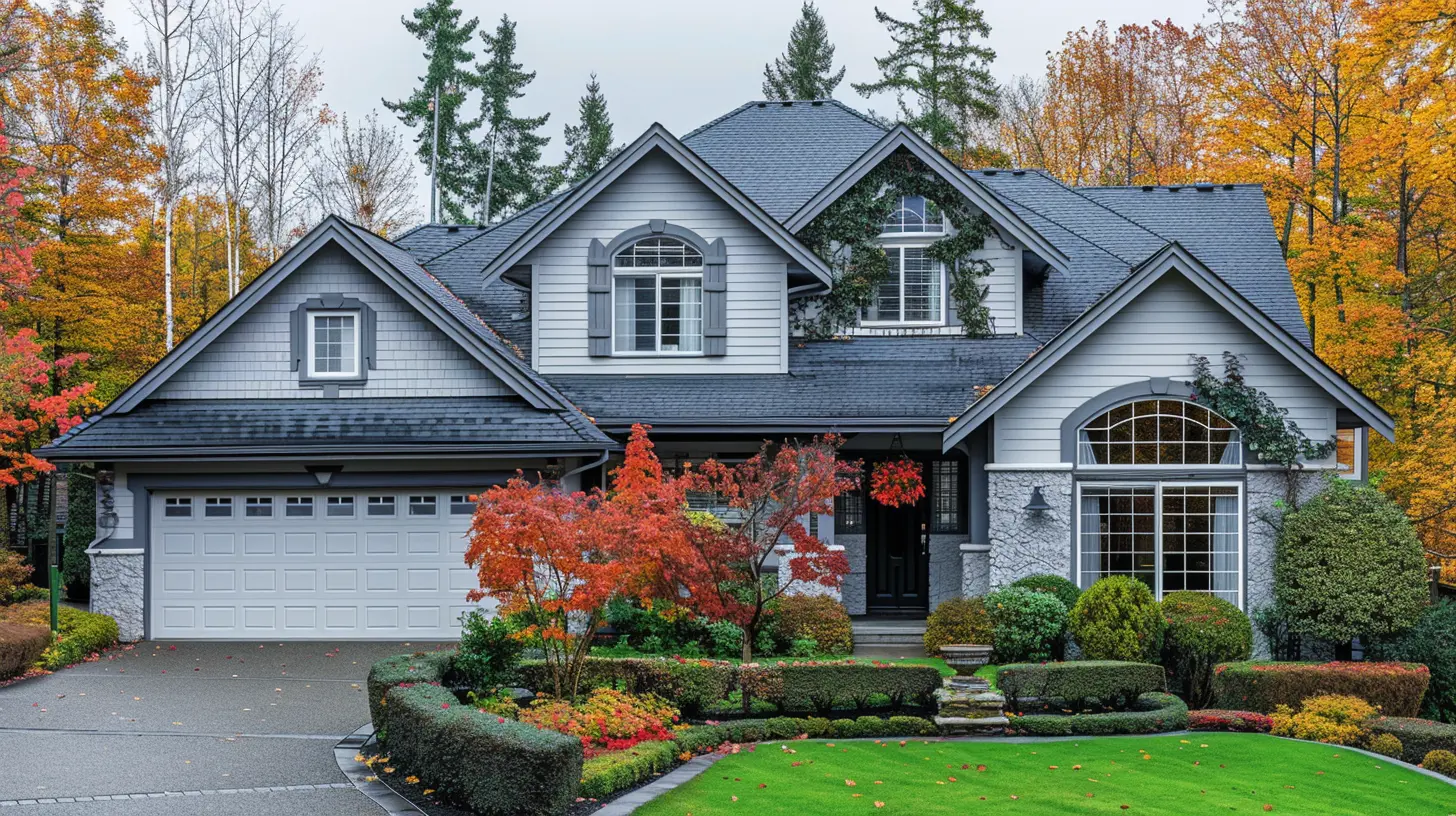
Who Qualifies for Real Estate Tax Exemptions?
The good news is that many people qualify for real estate tax exemptions. However, eligibility depends on several factors, including your status, the type of property, and where you live. Here are the most common categories of people who qualify:1. Homeowners
If you own and live in your home, you may qualify for homestead exemptions. These exemptions lower the taxable value of your home, which means lower property taxes. Some states offer a flat-dollar exemption, while others provide a percentage-based exemption.2. Seniors & Retirees
Many states offer property tax exemptions for seniors, typically those aged 65 and older. These exemptions help retirees on fixed incomes reduce their tax burden, making it easier to stay in their homes. Some states even offer property tax freezes or deferments for seniors.3. Military Veterans & Disabled Veterans
Veterans, especially those with service-connected disabilities, often qualify for significant real estate tax exemptions. Some states offer full exemptions for 100% disabled veterans, making homeownership more affordable for those who served.4. People With Disabilities
Individuals with disabilities—whether physical or mental—may qualify for property tax exemptions. In most cases, applicants need to provide medical documentation or a government-issued disability certification.5. Non-Profit Organizations & Religious Institutions
Churches, charities, and other non-profits often qualify for tax-exempt status on properties used for religious, educational, or charitable purposes. However, they need to prove that the property is used exclusively for these purposes.
How To Qualify for Real Estate Tax Exemptions
Qualifying for a property tax exemption isn’t automatic. You have to apply for it and meet the necessary requirements. Here’s what you need to do:1. Check Your Eligibility
The first step is to find out which exemptions you qualify for. Visit your local tax assessor’s website or contact them directly to get a list of available exemptions in your area. Since tax laws vary by state and even county, this step is crucial.2. Gather the Necessary Documents
Once you determine which exemption you’re eligible for, make sure you have the required documents. Some common requirements include:- Proof of residency (utility bills, lease agreements, or driver’s license)
- Proof of disability (if applicable)
- Veteran service records (for military exemptions)
- Proof of age (for senior exemptions)
- Non-profit certification (if applying as a non-profit organization)
3. Submit Your Application on Time
Most states and counties have deadlines for tax exemption applications. Don’t miss them! Late submissions may result in losing your eligibility for that tax year. Some exemptions also require annual renewals, so mark your calendar to stay compliant.4. Follow Up on Your Application
Once you’ve submitted your application, follow up with the tax assessor’s office. Sometimes applications get lost or require additional documentation. A quick check-in can ensure your exemption is processed without delays.5. Appeal If Necessary
If your application is denied, don’t panic—you may be able to appeal. Review the reason for denial, correct any mistakes, and resubmit with additional supporting documents if needed.
Common Real Estate Tax Exemptions You Should Know
Now that you know how to qualify, let’s go over some of the most popular exemptions available:Homestead Exemption
This is one of the most well-known exemptions for homeowners. It reduces the taxable value of your primary residence, helping you save on property taxes. Many states have generous homestead exemptions with simple qualification requirements.Senior Citizen Property Tax Exemptions
If you’re 65 or older, you may be eligible for senior citizen tax relief. Some states even freeze property taxes, preventing them from increasing as you age.Veterans & Disabled Veterans Exemption
Veterans, especially those with disabilities, often qualify for property tax reductions. In some states, 100% disabled veterans don’t have to pay property taxes at all.Disability Exemption
People with disabilities may receive tax exemptions based on their income and level of disability. It’s a great way to reduce the financial burden on individuals who may be unable to work full-time.Religious & Non-Profit Exemptions
Churches, synagogues, mosques, and other religious organizations are typically tax-exempt. Non-profit organizations that use their property for charitable work also qualify.Agricultural Property Exemption
If you own farmland, you might be able to get an agricultural property tax exemption. This exemption is designed to support farmers and encourage agricultural development.Tips to Maximize Your Real Estate Tax Exemptions
Want to make the most of your tax exemptions? Here are a few extra tips to ensure you get the biggest savings possible:✅ Keep Records Organized – Maintain copies of all supporting documents, including property deeds, tax statements, and exemption approvals.
✅ Monitor Your Property’s Value – If your property’s assessed value increases significantly, you might be overpaying on taxes. Consider disputing the valuation if necessary.
✅ Check for Additional Local Exemptions – Some cities and counties offer extra exemptions beyond state-level benefits.
✅ Renew Exemptions on Time – Some exemptions require yearly renewal. Stay on top of deadlines so you don’t lose your benefits.
✅ Consult a Tax Professional – If you’re unsure about exemptions or need help appealing a denial, a tax professional can guide you through the process.
Final Thoughts
Real estate tax exemptions aren’t just for big businesses or special groups—many homeowners, seniors, veterans, and even non-profits can benefit. The key is to know what’s available, gather the right documents, and apply before the deadline.If you own a home and haven’t checked whether you qualify for an exemption, now is the time to do it. You could be leaving serious money on the table!
all images in this post were generated using AI tools
Category:
Real Estate TaxesAuthor:

Melanie Kirkland
Discussion
rate this article
1 comments
Marie Good
Great tips! Understanding how to qualify for real estate tax exemptions can really lighten the financial load. Happy saving and best of luck to everyone navigating this process!
July 10, 2026 at 4:27 AM
Melanie Kirkland
Thanks for your kind words! I'm glad you found the tips helpful. Best of luck with your tax savings!