How to Spot an Up-and-Coming Suburban Neighborhood
4 December 2025
When it comes to real estate, finding a neighborhood before it becomes the next big thing is like discovering a hidden gem. We all know that getting in early on an up-and-coming suburban neighborhood can mean lower home prices, great investment potential, and a high quality of life.
But how do you spot these rising stars before prices skyrocket? What are the telltale signs that a sleepy suburban area is on the verge of transformation?
In this guide, we'll dive into the key indicators of an up-and-coming suburban neighborhood so you can make a smart move—whether you're buying a home to live in or investing for the long haul. 
1. Look for Signs of New Development
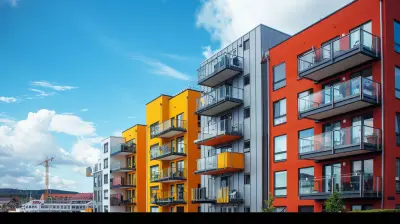
One of the strongest indicators that a neighborhood is on the rise is the presence of new construction. This could be in the form of residential communities, commercial spaces, or mixed-use developments.What to Watch For:
- New housing developments – If builders are investing in a particular suburb, it’s a sign that demand is increasing.- Commercial growth – New shopping centers, grocery stores, and entertainment hubs indicate that businesses see potential in the area.
- Infrastructure upgrades – Road expansions, new schools, and improved public transportation are all signs that the neighborhood is preparing for growth.
When development is picking up, it’s often a sign that the area is about to become highly desirable. 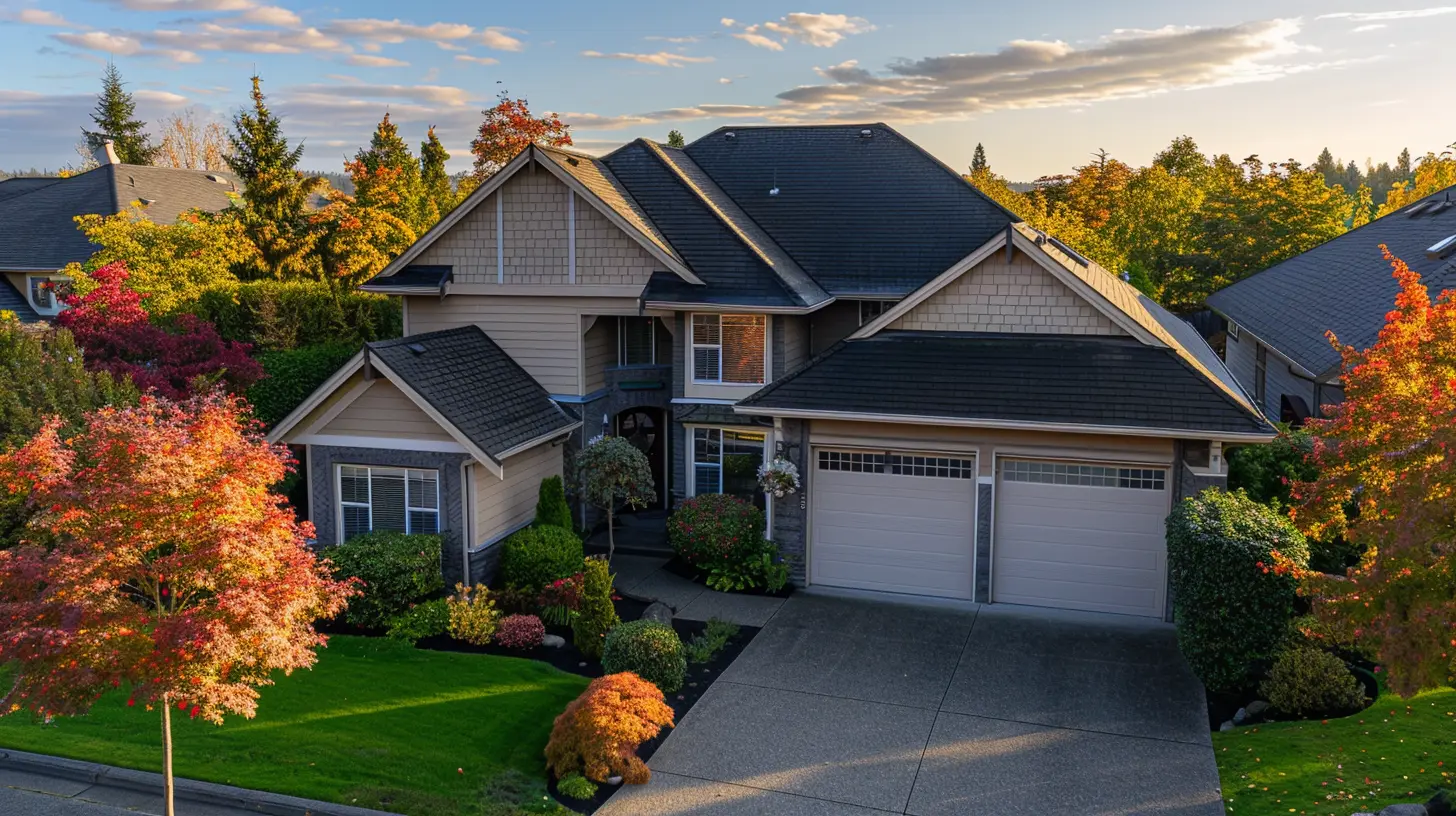
2. Rising Home Values & Rental Rates
Another major indicator of a neighborhood’s potential is an increase in property values and rent prices. If home prices have been steadily climbing year over year, it could mean that more people are moving in and demand is rising.How to Check:
- Browse online real estate platforms like Zillow or Redfin to analyze home price trends.- Compare rental rates to see if landlords are charging more than they did a year or two ago.
- Talk to local real estate agents—they often have early insights into market trends.
While skyrocketing prices might mean you’re late to the game, a steady increase over time is a strong indication that you’re looking at an up-and-coming location. 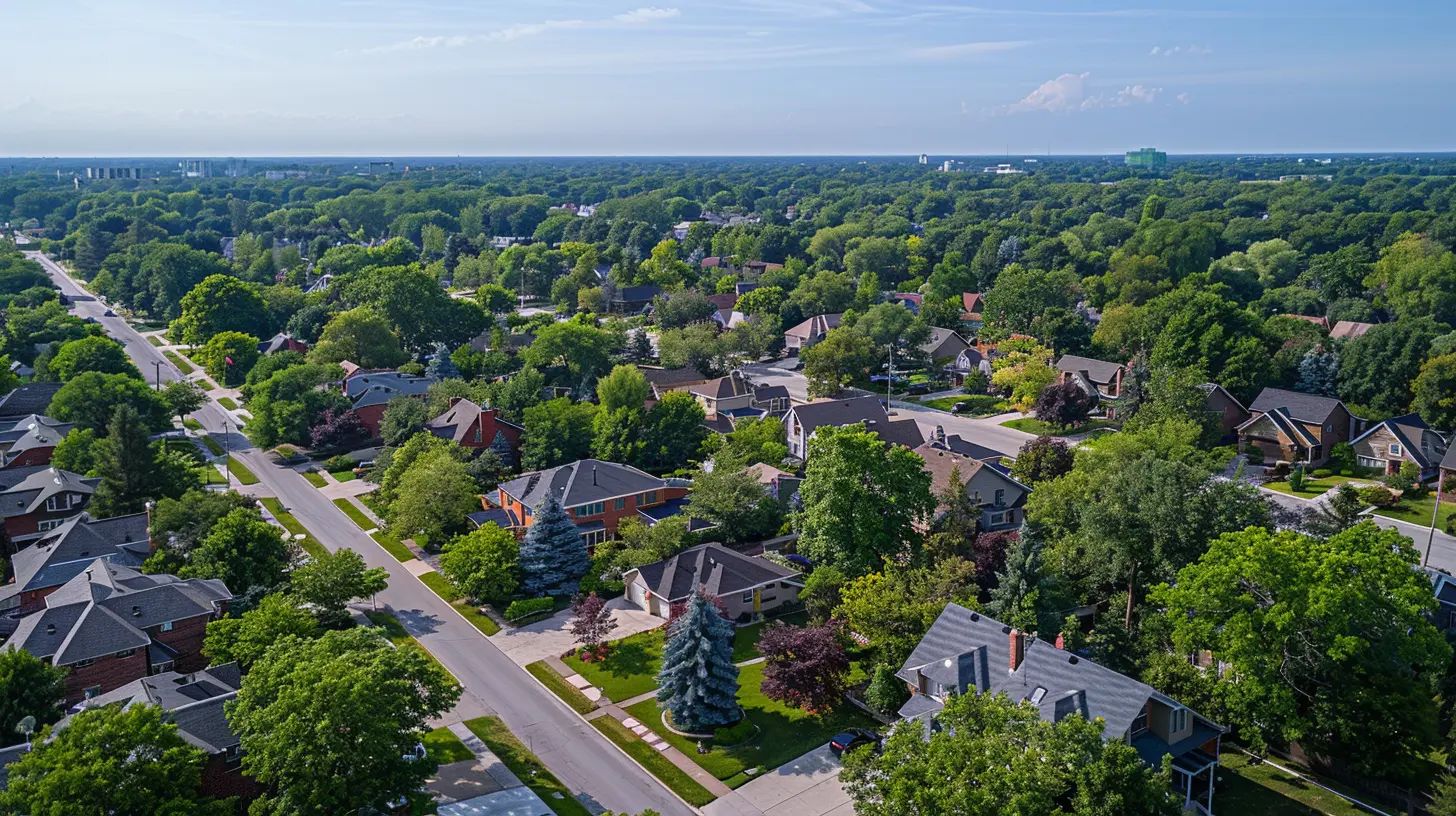
3. Young Professionals Moving In
If you start noticing an influx of young professionals, it’s usually a sign that a neighborhood is transforming. Young professionals tend to seek areas that offer affordability, convenience, and a vibrant atmosphere.Signs of a Young Professional Crowd:
- Trendy coffee shops & coworking spaces – Where you see laptops and lattes, you’ll often find young professionals.- Nightlife & entertainment – New bars, restaurants, and live music venues popping up indicate a growing demand for social scenes.
- Public transportation access – Young professionals prefer areas with easy commutes to major job hubs.
If the younger crowd is making moves to a certain suburb, chances are, home values will follow suit. 
4. Strong School Districts
Even if you don’t have kids, paying attention to school ratings can give you a solid clue about a neighborhood’s future potential. Great schools attract families, and families bring stability to an area.How to Evaluate Schools:
- Use websites like GreatSchools.org or Niche.com to check school ratings.- Look at enrollment numbers—growing schools indicate a rising population.
- Check for new school constructions or major renovations.
A suburb with high-performing schools tends to have a strong demand for housing, making it a great investment for the long run.
5. Increase in Local Businesses & Amenities
Have you ever noticed that when a major retail chain opens in a new suburb, other businesses soon follow? That’s because big retailers do extensive market research before expanding.What to Look For:
- New coffee shops, gyms, and boutique stores – Small businesses thrive where there is disposable income.- Grocery store chains expanding nearby – Whole Foods, Trader Joe’s, and Sprouts often indicate an affluent and growing community.
- Farmers markets & community events – A strong local culture can signal a neighborhood is gaining popularity.
If you see businesses investing in an area, it’s usually a safe bet that the neighborhood is on the rise.
6. Proximity to a Major City
Suburbs that are within a short commuting distance to a major city tend to develop rapidly. As city living becomes more expensive, people seek out nearby communities that offer affordability while still being close to job opportunities.What to Consider:
- Commute times – Is the suburb well-connected by highways or public transit?- Tech & business districts nearby – Proximity to major employers can drive housing demand.
- Revitalization projects – Some suburban areas are transforming abandoned industrial spaces into trendy residential zones.
If connectivity and job growth align, you’ve likely found a neighborhood poised for expansion.
7. Community Involvement & Safety Improvements
A thriving community is often one that’s engaged and working together toward improvement. If residents take pride in their neighborhood, it shows.Signs of Positive Growth:
- Active neighborhood associations – Look for groups that advocate for better parks, schools, and local businesses.- Crime rates decreasing – Use online crime mapping tools to track trends in safety.
- Community events & farmer’s markets – A socially active neighborhood often attracts new buyers and renters.
Areas with strong community involvement tend to become more desirable places to live over time.
8. Future City Planning & Economic Growth
Local government plans can tell you a lot about a neighborhood’s future. Cities often release long-term plans for development, zoning changes, and economic investments.Where to Find This Info:
- Check the city’s website for urban planning initiatives.- Attend town hall meetings to hear what’s in the pipeline for the area.
- Look into transportation projects—new highways or rail expansions can drive real estate demand.
When a city is actively investing in a suburb’s infrastructure, it’s a strong indicator the area is on the verge of booming.
9. The "Gut Feeling" Factor
Real estate isn’t just about numbers and statistics—it’s also about instincts. Sometimes, you can just feel when a neighborhood is about to pop.When visiting a potential up-and-coming suburb, ask yourself:
- Does it feel welcoming and vibrant?
- Are homes being renovated and well-maintained?
- Do residents seem engaged and excited about the future?
If you get that feeling that something special is happening, trust your instincts. It could be the perfect time to invest.
Final Thoughts
Spotting an up-and-coming suburban neighborhood takes a mix of research, observation, and intuition. Pay attention to new developments, young professionals moving in, school ratings, local businesses, and city planning. And don’t forget—timing is everything.By getting in early, you can secure an affordable home with strong appreciation potential, or make a smart investment that pays off in the long run.
The suburbs are evolving, and the next hot neighborhood might be right under your nose. Keep your eyes open, do your homework, and make your move before the secret gets out!
all images in this post were generated using AI tools
Category:
Suburban HomesAuthor:

Melanie Kirkland
Discussion
rate this article
2 comments
Miles Reilly
In a rapidly evolving world, recognizing the subtle signs of potential in suburban neighborhoods requires keen observation—cultural vibrancy, diverse community engagement, and infrastructural developments are the true harbingers of lasting value.
December 13, 2025 at 12:11 PM
Melanie Kirkland
Absolutely! It's the nuanced indicators—like cultural vitality and community involvement—that truly signal a neighborhood's potential for growth.
Upton Evans
Look for gourmet coffee shops and artisanal pickle stores!
December 6, 2025 at 11:52 AM
Melanie Kirkland
Great tip! Unique local businesses like gourmet coffee shops and artisanal pickle stores often signal a vibrant, evolving community.