How to Use Local Market Data to Boost Your Sales in 2026
23 April 2026
As we step into 2026, the real estate landscape is rapidly evolving, and if you’re in the game, you know that staying ahead means being smart about how you use local market data. You might be asking yourself, “How can I leverage this data to boost my sales?” Well, you're in the right place! In this article, we’ll unravel the secrets of local market data and how it can be your golden ticket to higher sales. Buckle up!
Understanding Local Market Data
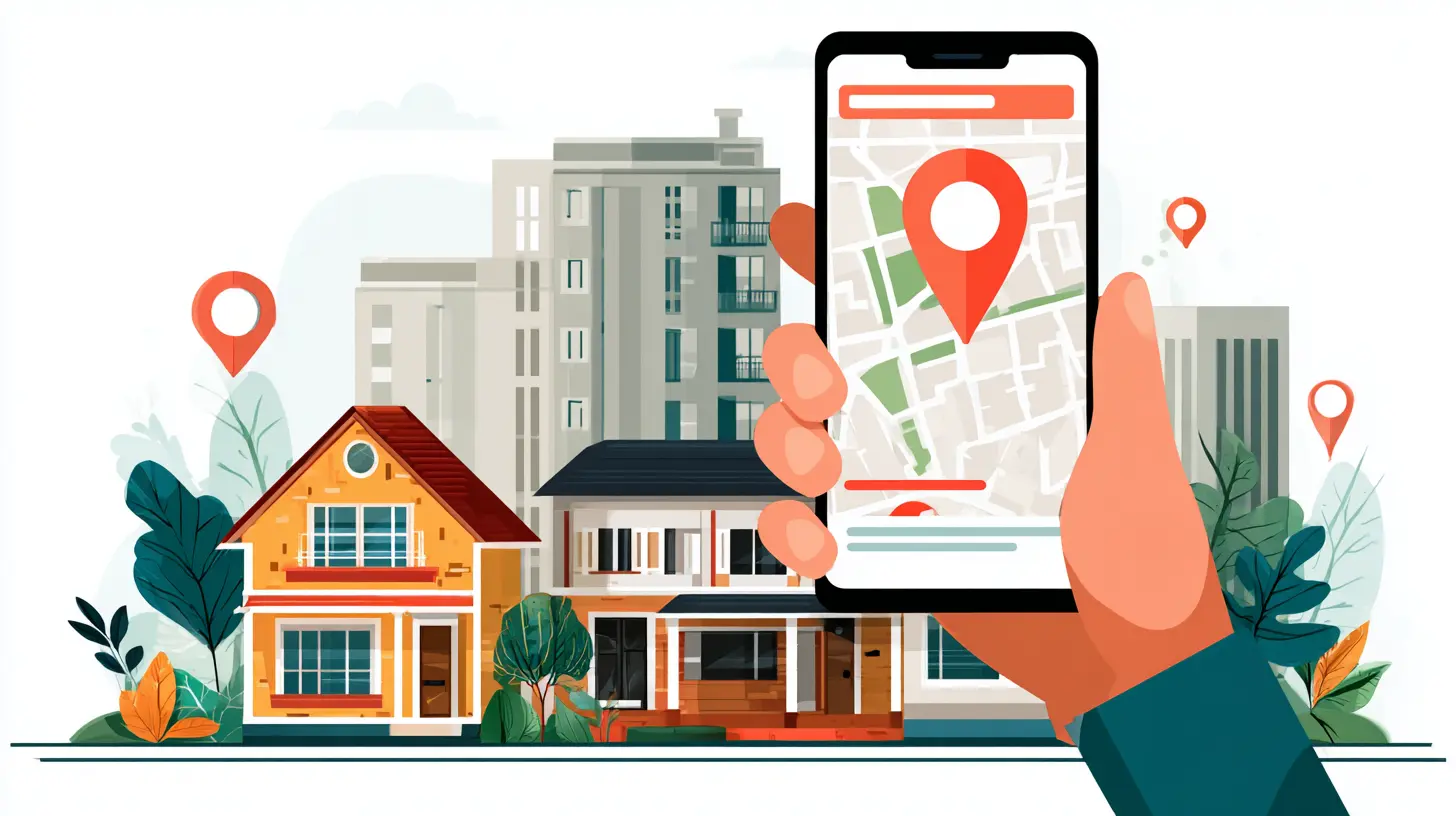
Before we dive into the nitty-gritty of using this data, let’s clarify what we mean by local market data. Simply put, it’s the information that reflects the dynamics of your specific area. Think of it as a treasure map that leads you to insights about property values, neighborhood trends, buyer preferences, and even economic conditions. This data can come from various sources, including MLS listings, government reports, and local real estate boards.Why Local Market Data Matters
Now, why should you care about local market data? Well, imagine trying to navigate a new city without a map. You could end up lost, right? The same goes for real estate. Without understanding the local market, you risk making uninformed decisions. Local market data provides context and clarity, helping you identify opportunities and avoid pitfalls.
Collecting Local Market Data
Sources of Local Market Data
So, where do you find this valuable data? Here are some go-to sources:1. MLS Listings: Your Multiple Listing Service is a goldmine. It provides real-time data on property sales, prices, and inventory levels.
2. Local Government Websites: These can offer insights into zoning changes, new development projects, and demographic data.
3. Real Estate Analytics Platforms: Websites like Zillow, Redfin, and Realtor.com provide comprehensive data, including market trends and neighborhood statistics.
4. Community Surveys: Sometimes, the best insights come directly from the people. Conducting surveys can give you firsthand accounts of what buyers are looking for.
Analyzing the Data
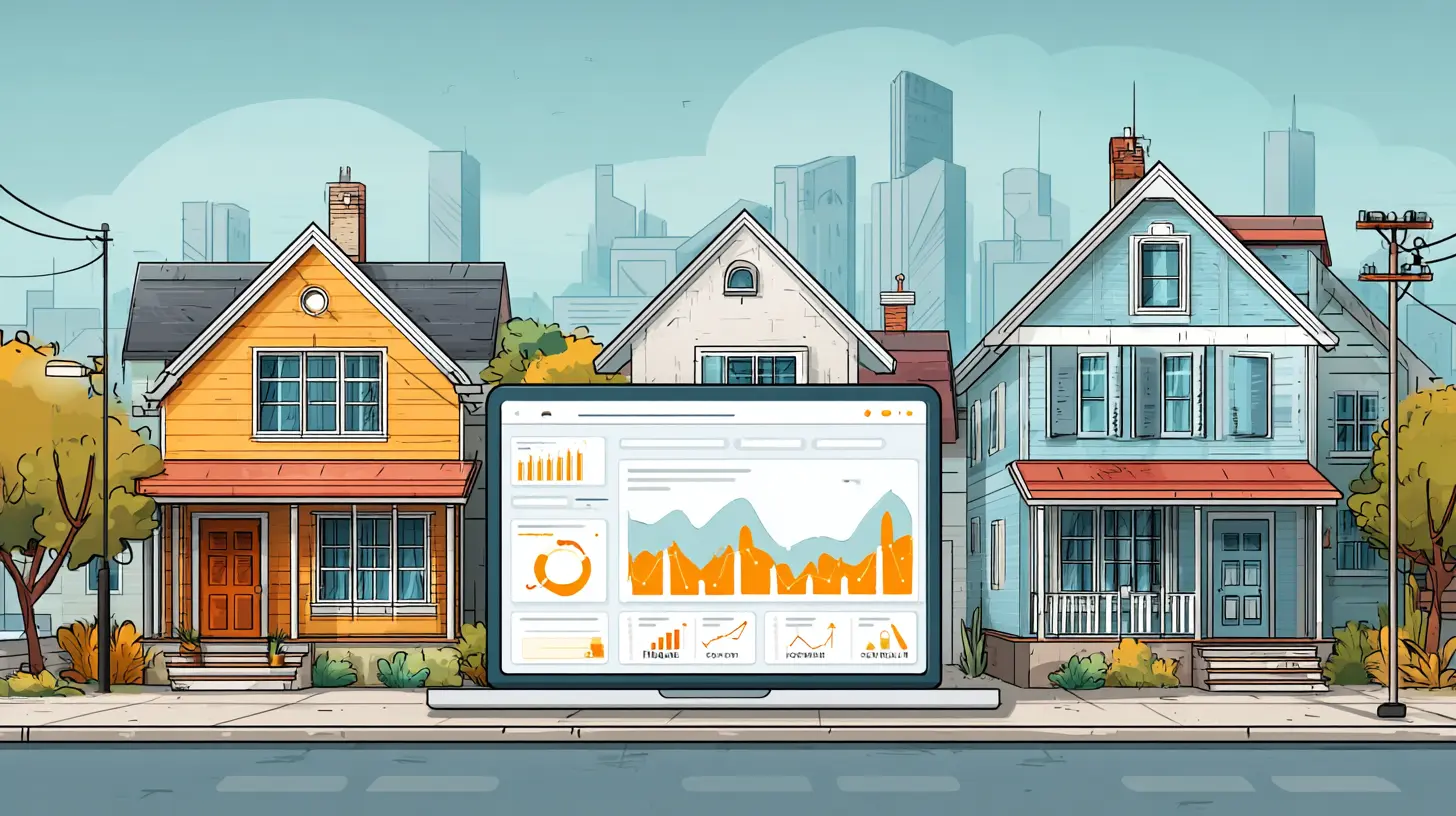
Once you've gathered your data, the next step is analysis. This is where the magic happens! Here’s how to dissect the information:- Identify Trends: Look for patterns in sales prices, inventory changes, and buyer demographics. Are more families moving in? Is there a surge in luxury home sales?
- Compare Year-over-Year Data: This helps you understand how the market is evolving. Is it growing, stabilizing, or declining?
- Segment the Data: Break it down by neighborhood or property type. A one-size-fits-all approach rarely works in real estate.
Utilizing Local Market Data to Boost Sales
Now that you have your data and insights, it’s time to put them to work. Here’s how you can leverage local market data to supercharge your sales in 2026.Tailor Your Marketing Strategy
Understanding your local market allows you to create targeted marketing campaigns. For example, if your data shows that young professionals are flocking to a specific neighborhood, you can tailor your messaging to appeal to them. Use social media platforms that resonate with this demographic and highlight features that matter most to them, like proximity to public transport or vibrant nightlife.Pricing Your Properties Right
One of the most crucial aspects of selling real estate is pricing. If you overprice a property, it could sit on the market for ages; if you underprice, you might leave money on the table. Local market data helps you set the right price by providing insights into comparable sales, average days on the market, and current inventory levels.Highlighting Unique Selling Points
Your local market data can reveal what buyers are looking for in your area. For instance, if you notice that energy-efficient homes are in high demand, make sure to highlight those features in your listings. Use your knowledge to create compelling narratives around each property, emphasizing what makes it unique.Building Relationships with Local Businesses
Using local market data isn’t just about selling homes; it’s also about building a community. Connect with local businesses and offer to collaborate on promotional events. This can help you tap into their customer base while building your brand as a community-oriented real estate agent. Plus, it’s a great way to stay updated on local trends.Networking with Other Real Estate Professionals
Don’t work in isolation! Use your local market data to network with other professionals in your area. Attend local real estate meetings, join online forums, or participate in community events. Sharing insights can lead to referrals and partnerships that benefit everyone involved.Adjusting to Market Changes
The real estate market is not static; it’s constantly changing. Your local market data can help you stay agile. For example, if you notice a sudden influx of buyers in a specific area, you can quickly adjust your marketing strategy to capitalize on that trend. Being proactive rather than reactive can set you apart from the competition.
Case Studies: Success Stories
Case Study 1: The Power of Data-Driven Pricing
Let’s take a look at a real estate agent in Austin, Texas, who utilized local market data to boost his sales. By analyzing recent sales and current listings, he noticed that homes in a specific neighborhood were selling for 10% more than the previous year. He adjusted his pricing strategy accordingly and was able to sell multiple properties in that area within days, all while maximizing his clients’ profits.Case Study 2: Targeted Marketing Campaigns
Another success story comes from a real estate team in San Francisco. They discovered through local market data that millennials were increasingly interested in eco-friendly homes. By creating targeted marketing campaigns that showcased energy-efficient features and sustainable living options, they tapped into this growing market segment, resulting in a significant increase in sales.Tools to Help You Analyze Local Market Data
Real Estate Analytics Software
Investing in real estate analytics software can streamline your data collection and analysis process. Tools like CoreLogic, Zillow, and Realtor.com provide comprehensive data sets and analytical capabilities that can help you make informed decisions.CRM Systems
A Customer Relationship Management (CRM) system can help you track client interactions and preferences, allowing you to tailor your approach based on the data you collect.Social Media Insights
Don’t overlook the power of social media analytics. Platforms like Facebook and Instagram offer insights into how your posts are performing, helping you understand what resonates with your audience.
Staying Ahead of the Curve
As we move further into 2026, it’s essential to keep your finger on the pulse of the local market. This means regularly updating your data and staying informed about economic trends, zoning laws, and community developments.Continuous Learning
The real estate industry is always evolving, and so should you. Attend workshops, webinars, and conferences to keep your skills sharp and your knowledge current. The more you know, the better equipped you’ll be to leverage local market data effectively.Engaging with the Community
Finally, never underestimate the importance of community engagement. Attend local events, join neighborhood associations, and participate in community service. Building a strong local presence can enhance your reputation and open doors to new opportunities.Conclusion
Using local market data to boost your sales in 2026 isn’t just a trend; it’s a necessity. By understanding your market, tailoring your strategies, and continuously adapting to changes, you can position yourself for success. Remember, data is a powerful tool, but it’s how you use it that truly makes the difference. So, roll up your sleeves, dive into that data, and watch your sales soar!all images in this post were generated using AI tools
Category:
Realtor TipsAuthor:

Melanie Kirkland
Discussion
rate this article
2 comments
Kason McNeal
Great insights on leveraging local market data! Staying informed can truly set you apart in 2026. Remember, understanding your community's needs is key to connecting with clients and driving sales forward.
June 3, 2026 at 3:38 AM
Melanie Kirkland
Thanks for the feedback! Understanding community needs is definitely crucial for success. Let's keep the conversation going on this topic!
Nell McConkey
Great insights! Leveraging local market data is essential for staying competitive. Understanding trends and buyer behavior can significantly enhance sales strategies. Adapting to market dynamics in 2026 will surely position agents for success. Excited to see how these strategies unfold!
April 23, 2026 at 4:59 AM
Melanie Kirkland
Thanks for your thoughts! Adapting to local trends will definitely be key for success in 2026. Excited to see how everyone applies these insights!