How Transportation Improvements Are Driving Property Value
22 November 2026
Transportation systems play a vital role in shaping property value. As cities expand and communities evolve, the connection between transportation improvements and real estate appreciation becomes increasingly clear. This article delves into the various dimensions of how transportation enhancements impact property values, offering insights for homeowners, investors, and urban planners.
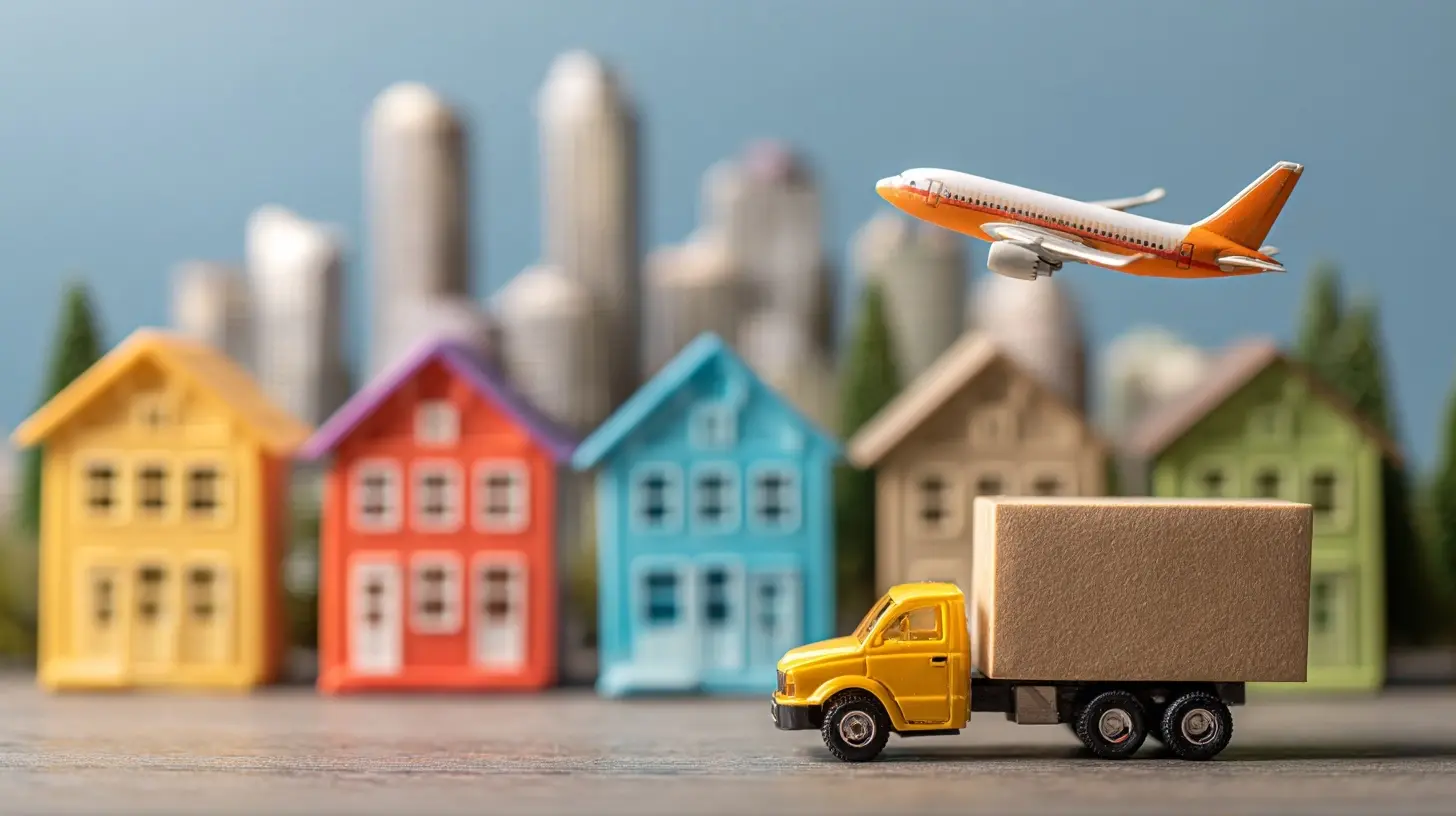
The Link Between Transportation and Property Values
Understanding the link between transportation and property values requires a look at several key factors. Improved transportation infrastructure can lead to increased accessibility, enhanced quality of life, and ultimately, a rise in property values.Accessibility and Convenience
One of the most direct ways transportation improvements affect property values is through accessibility. Properties that are easily reachable via public transport or major roadways typically command higher prices. For example, a home located near a new subway line can see its value increase as commuters flock to the area for its convenience.Real-World Example: In cities like New York and San Francisco, neighborhoods that have seen new transit lines often experience a notable uptick in real estate prices. The increased ease of commuting can draw in buyers who are willing to pay a premium for shorter travel times.
Quality of Life Enhancements
Transportation improvements often translate to better quality of life for residents. Improved roads, bike lanes, and public transport options can reduce commute times and make daily activities easier. When a community invests in such infrastructure, it signals to potential buyers that the area is focused on enhancing residents' experiences.Consideration: While better transportation can elevate property values, it is essential to consider how these improvements are perceived by current residents. For instance, if a new highway leads to increased traffic noise, the benefits may not outweigh the drawbacks for some homeowners.
Economic Growth and Job Accessibility
Transportation improvements frequently drive economic development. New transit lines can attract businesses, leading to job creation in the vicinity. As employment opportunities increase, so does the demand for local housing, further elevating property values.Trade-Offs: However, rapid economic growth can sometimes lead to gentrification, displacing long-term residents. Investors and developers should weigh the potential benefits of property depreciation against the social implications of their developments.

Types of Transportation Improvements
Understanding the types of transportation improvements is crucial in assessing their impact on property values. Here are several common types:Public Transit Expansion
The expansion of public transportation systems, such as bus rapid transit (BRT) or rail lines, can significantly enhance property values. Properties situated near new or improved transit stations often see substantial appreciation.Best Practices: Investors should monitor city planning documents for upcoming transit projects. Acquiring properties near these improvements early on can yield significant returns as the projects come to fruition.
Road Infrastructure Upgrades
Upgrades to existing roads, including new lanes, bridges, or traffic management systems, can reduce congestion and enhance the travel experience. As a result, properties near these improvements may see increased demand.Common Mistake: Focusing solely on property value appreciation without considering the environmental impact of road expansions can lead to future liabilities, such as increased pollution and noise.
Walkability and Bike Infrastructure
Improvements that enhance walkability and cycling options can make neighborhoods more desirable, especially among younger generations who prioritize active lifestyles. Properties in walkable areas are often valued higher than those in car-dependent locales.Comparison: A neighborhood that invests in bike lanes and pedestrian pathways can attract residents who may otherwise choose suburban living. This shift can lead to higher demand for urban properties, driving values upward.

The Role of Technology in Transportation
Advancements in technology are reshaping transportation systems. Smart traffic management, ride-sharing apps, and electric vehicles are changing how people navigate urban environments and influencing property values.Smart Transportation Systems
Cities that implement smart traffic systems can reduce congestion, enhance safety, and improve overall travel experiences. Properties located in areas with these systems can benefit from increased desirability.Actionable Recommendation: Investors should consider how local governments are integrating technology into transportation planning. Areas that adopt smart solutions may see long-term property value appreciation.
Ride-Sharing and Micro-Mobility
The rise of ride-sharing services has transformed urban transportation dynamics. Properties that are well-connected to these services can benefit as they become more attractive to potential renters and buyers.Misconception: Some believe that the rise of ride-sharing will diminish the need for public transport. However, these services often complement existing systems, making properties more valuable when they are easily accessible.
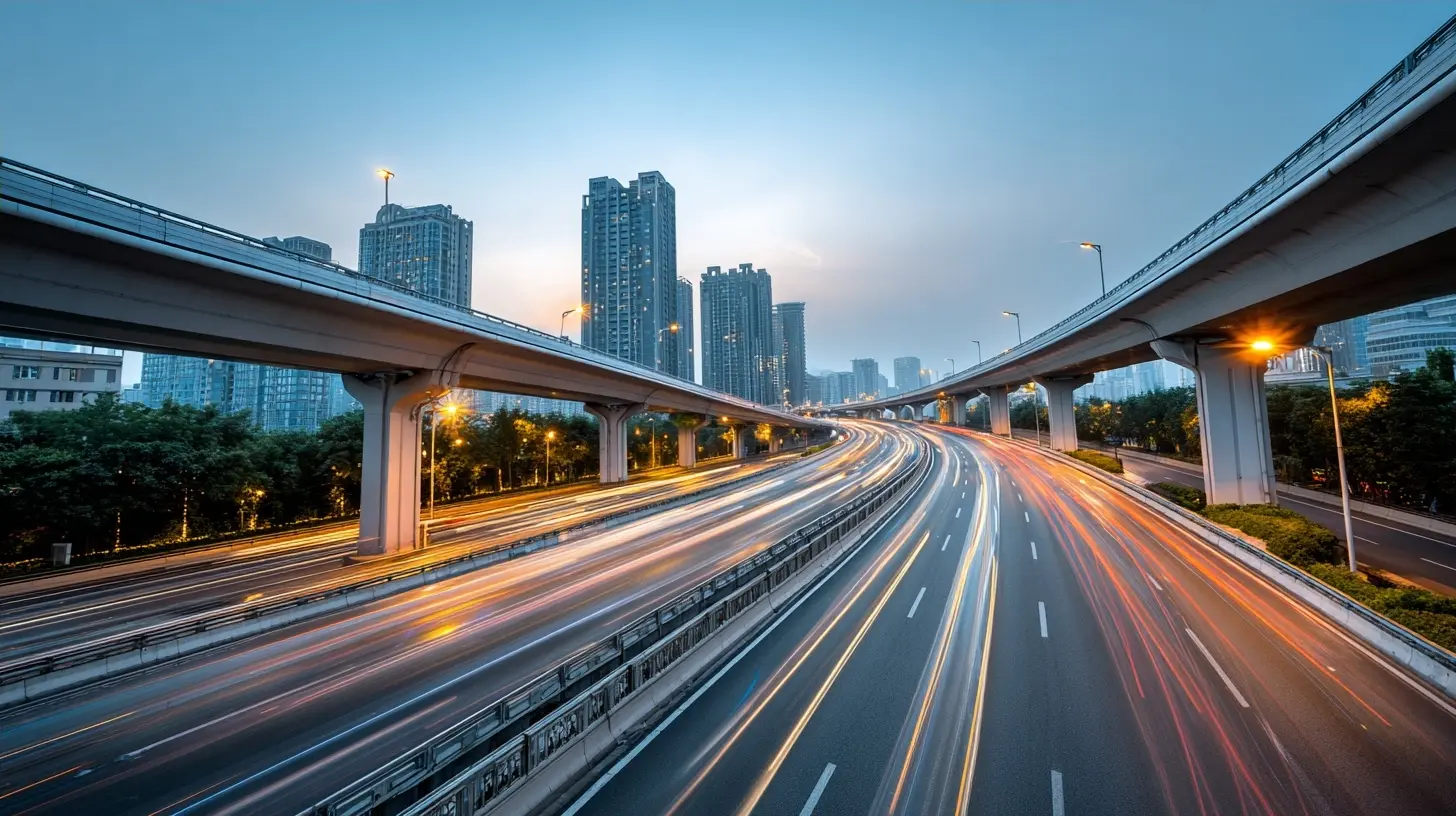
Case Studies of Transportation Impact
Examining specific case studies can provide concrete examples of how transportation improvements have influenced property values.The Atlanta BeltLine
The Atlanta BeltLine is a prime example of how transportation improvements can drive property values. This project transformed an old railway corridor into a multi-use trail and transit system. The neighborhoods along the BeltLine experienced significant property value increases, with some areas seeing up to a 300 percent rise in home values over a decade.Analysis: Such dramatic increases illustrate how investments in transportation can create demand for housing. However, the project also raised concerns about gentrification and the displacement of long-time residents.
The Washington D.C. Metro System
Washington D.C.'s Metro system has had a profound impact on property values in the region. Areas surrounding Metro stations have consistently outperformed the market, largely due to the convenience that the system offers.Trade-Offs: While the Metro has driven property values higher, the reliance on public transport also raises questions about sustainability and the need for continued investment in infrastructure.
Assessing the Future of Transportation and Property
As cities continue to evolve, understanding future trends in transportation can help predict property value changes. Here are some factors to consider:Sustainability Initiatives
Sustainability is becoming a cornerstone of urban planning. Investments in green transportation options, such as electric buses and bike-sharing programs, are likely to become more prevalent. Properties in areas prioritizing sustainability may gain a competitive edge in the market.Recommendation: Look for areas that are adopting green initiatives. These locations may appeal to environmentally conscious buyers and renters, boosting property values.
Autonomous Vehicles
The rise of autonomous vehicles could drastically alter urban landscapes. If public and private transportation shifts toward self-driving technology, it may reduce the need for parking spaces and change zoning laws. These shifts could either enhance or diminish property values, depending on the region's adaptability.Consideration: Potential buyers should evaluate how local governments are preparing for this technology. Areas that embrace autonomous vehicles may see new development opportunities arise.
Remote Work Trends
As remote work becomes more normalized, the demand for properties near transportation hubs may shift. Buyers might prioritize space and amenities over proximity to transit, redefining how transportation improvements are viewed in terms of real estate investment.Common Mistake: Investors should avoid assuming that transportation improvements will always yield immediate returns. The evolving nature of work and commuting could alter the value landscape in unexpected ways.
Conclusion
Transportation improvements are undeniably linked to property values, but the dynamics are complex. From accessibility to economic development, the effects of transportation infrastructure can vary widely based on location and type of improvement. Real estate stakeholders must stay informed about local trends, engage with community needs, and consider the broader implications of transportation planning to make sound investment decisions.By understanding the nuances of how transportation affects property values, investors and homeowners can better navigate the ever-changing real estate landscape.
all images in this post were generated using AI tools
Category:
Real Estate OpportunitiesAuthor:

Melanie Kirkland

