Is the Starter Home a Thing of the Past in 2026?
12 October 2026
The starter home has been a fixture of the American housing story for generations. Buy a modest house, build equity, trade up in five to seven years, repeat. That script still gets repeated in financial advice columns and at family dinner tables. But anyone who has actually tried to buy a first home in the last few years knows the script has changed. The question for 2026 is not whether the starter home still exists. It is whether the traditional version of it, a small, affordable, slightly worn house in a decent neighborhood, is still reachable for a typical first-time buyer.
The honest answer is complicated. The starter home has not vanished, but it has narrowed, shifted, and in many markets become a different product than the one your parents bought. Understanding what changed, and what to do about it, matters more than nostalgia.
What the Starter Home Used to Mean
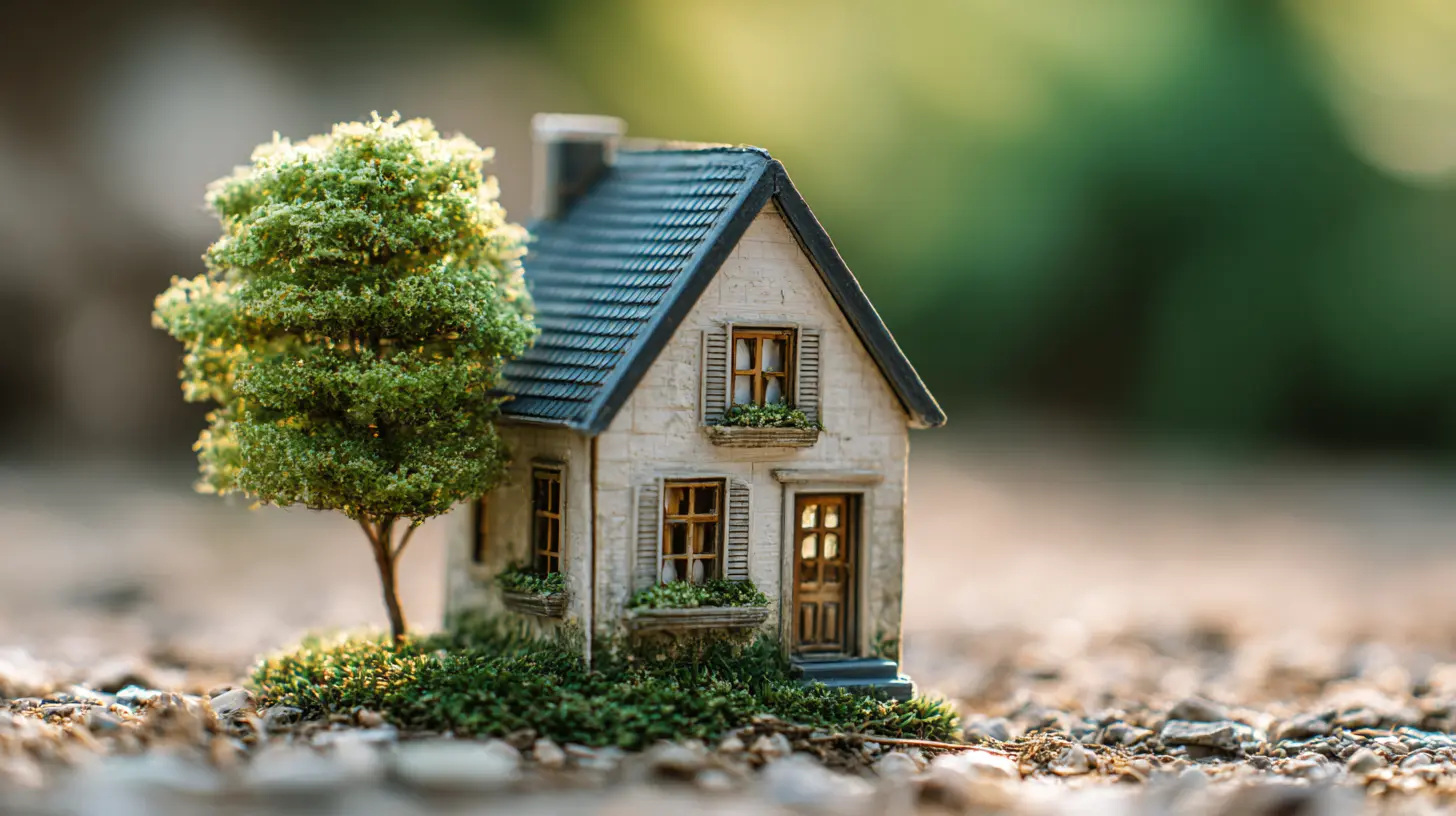
The classic starter home was a two or three bedroom house, often under 1,200 square feet, on a small lot, in a working or middle class neighborhood. It was not glamorous. It had one bathroom, a carport or a single garage, and a kitchen that had not been updated since the 1980s. It was affordable relative to local incomes, and it was expected to appreciate slowly but reliably.That model worked because of a specific alignment of conditions. Land was cheaper relative to wages. Construction costs were lower. Zoning allowed small homes on small lots. And there was a steady pipeline of older, modest housing stock that filtered down to first-time buyers as previous owners moved up.
Each of those conditions has been strained. The result is that the starter home as a category has thinned out in many metros while surviving, sometimes thriving, in others.

The Forces That Reshaped the Starter Home
Construction economics favor larger homes
Builders build what makes financial sense. Fixed costs like land, permits, and site work do not shrink proportionally when you build a smaller house. A builder who puts up a 2,800 square foot house on a lot earns more than one who builds a 1,100 square foot house on the same lot, often with only a modest increase in total cost. That math pushes production toward larger, more expensive homes.Small, entry-level construction does happen, but it tends to be concentrated in certain regions, in manufactured housing, or in build-to-rent communities. The broad middle of the market, the modest new starter home, has been squeezed.
Existing small homes got more expensive, not less
You might expect older small homes to be the affordable option. In many markets they are, but their prices rose sharply during the pandemic-era housing boom and have not fully corrected. Low mortgage rates locked many owners into their homes, reducing inventory. When supply is tight, even modest houses command premium prices. A house that sold for $180,000 in 2019 might list for $320,000 in 2026 in the same neighborhood, with the same worn carpet.Zoning and land use rules
Many municipalities restrict density. Minimum lot sizes, minimum square footage requirements, parking mandates, and restrictions on accessory dwelling units all make it harder to build small, affordable homes. Where these rules have been relaxed, starter homes and small multifamily buildings have become more feasible. Where they remain, the entry-level supply stays constrained.Investor competition
In some markets, institutional and small-scale investors bought up entry-level homes to rent them out. This removed a segment of the for-sale inventory that historically served first-time buyers. The scale of this effect varies by market and is debated, but in specific neighborhoods it is clearly a factor.Rates and affordability math
Mortgage rates matter enormously for first-time buyers. A rate in the low 6s versus the low 3s changes the monthly payment on the same house by hundreds of dollars. Even if prices leveled off, the payment shock kept many buyers on the sidelines or pushed them toward smaller, cheaper, or more distant options.
Where the Starter Home Still Works
It would be wrong to say the starter home is dead everywhere. It survives, and sometimes thrives, in specific conditions.Markets with room to grow. In metros where land is plentiful and construction is active, like parts of Texas, the Southeast, and the Midwest, new entry-level homes are still being built. They may be smaller than the national average and located further out, but they exist and are priced for first-time buyers.
Markets with older housing stock and softer demand. In parts of the Northeast and Midwest, older small homes remain relatively affordable. A 900 square foot bungalow in a stable neighborhood can still be a genuine starter home, especially if the buyer is willing to handle some repairs.
Small multifamily and ADU strategies. A duplex, triplex, or a house with an accessory dwelling unit can function as a starter home while generating rental income. This is not the classic starter home, but it serves the same purpose: getting a first-time buyer into ownership with a manageable financial burden.
Manufactured and modular housing. In some regions, manufactured homes offer a genuine path to ownership at a fraction of site-built costs. Financing and land tenure issues complicate this route, but it is a real option that many buyers overlook.
Rural and small-town markets. Outside major metros, the starter home is often still the norm. The trade-off is usually job access, amenities, and long-term appreciation potential.
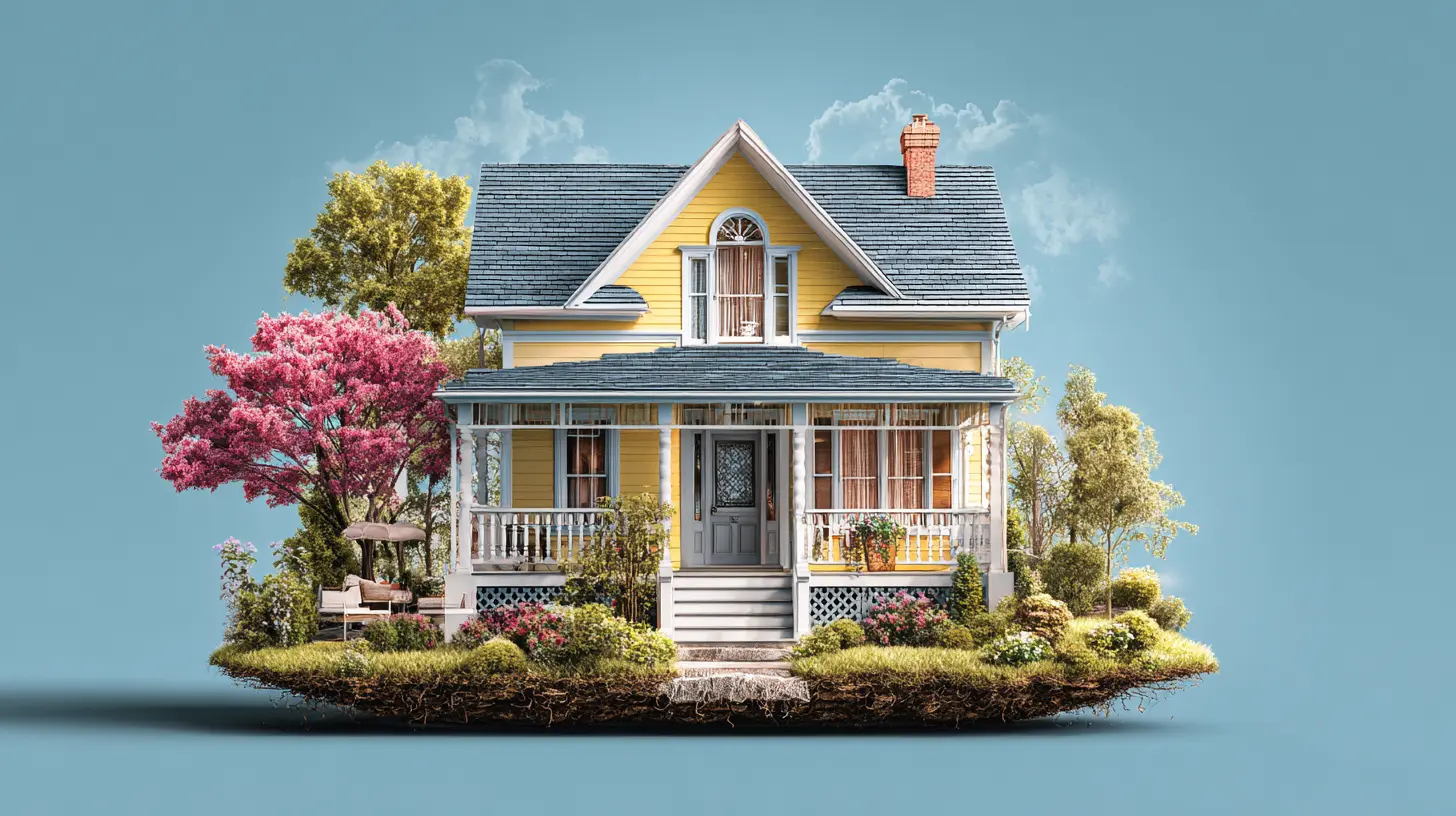
The New Starter Home Looks Different
If the classic starter home is harder to find, what are first-time buyers actually purchasing in 2026?Condos and townhomes. In many metros, the entry point is now a condo or townhome rather than a detached house. This comes with trade-offs: HOA fees, shared walls, and sometimes slower appreciation. But it also means less maintenance and a lower purchase price.
Smaller detached homes further out. The "drive until you qualify" strategy remains common. Buyers trade commute time for affordability. This works when the commute is tolerable and the neighborhood is stable, and it fails when either changes.
Fixer-uppers. Homes that need significant work can still be affordable, but the math has changed. Construction and renovation costs rose sharply, and financing a fixer-upper is more complex. A buyer who underestimates renovation costs can end up worse off than if they had bought a move-in ready home.
Build-to-rent as a substitute. Some households that would have bought a starter home now rent a single-family house instead. This is not ownership, but it can be a reasonable interim strategy while saving for a down payment.
Co-buying and family assistance. More first-time buyers are relying on family help for down payments or buying jointly with partners, friends, or relatives. This expands purchasing power but introduces legal and relational complexity that needs to be handled carefully.
Why the Traditional Advice Still Half Works
The old advice, buy small, build equity, trade up, still has logic. Equity building through amortization and appreciation remains one of the most reliable ways to accumulate wealth for a typical household. The problem is the entry point.If you can find a modest home you can afford in a stable area, buying it is usually still a sound decision, provided you plan to stay long enough to cover transaction costs. The break-even period is typically several years. Sell too soon and you can lose money after commissions, closing costs, and moving expenses.
What has changed is that the first purchase may not be a detached house, may not be in the neighborhood you imagined, and may require a longer search or a different strategy.
Common Mistakes First-Time Buyers Make in 2026
Waiting for rates to drop. Buyers who wait for a specific rate often miss the opportunity to buy when inventory is available. You can refinance a rate. You cannot refinance a house you did not buy. That said, buying when you cannot comfortably afford the payment is a worse mistake.Stretching to the maximum approval. Lenders approve you for more than you should comfortably spend. A payment that consumes 45 percent of gross income leaves little room for maintenance, emergencies, or life. Aim lower than your maximum.
Ignoring total cost of ownership. Property taxes, insurance, HOA fees, utilities, and maintenance all add up. A house with a low price but high taxes and a special assessment can cost more monthly than a slightly pricier home.
Underestimating renovation. Fixer-uppers look like bargains until the contractor's estimate arrives. Get real bids before you buy, and add a contingency of at least 20 percent.
Buying with a short time horizon. If you might move in two years, buying is often a losing proposition after transaction costs. Rent and save instead.
Skipping the inspection. In competitive markets, buyers waive inspections. This is risky. A waived inspection can turn a starter home into a money pit.
Misconceptions Worth Clearing Up
"The starter home is extinct." Not extinct, but reconfigured. It exists in different forms and different places than it did 30 years ago."Renting is throwing money away." Renting is paying for shelter and flexibility. In markets where buying is unaffordable or where you plan to move soon, renting can be the financially superior choice.
"You need 20 percent down." Many loan programs allow 3 to 5 percent down, and some allow less. The trade-off is mortgage insurance and a higher monthly payment.
"Prices always go up." They do not. Local markets can decline and stay flat for years. Buying with a long horizon and a stable job reduces this risk.
"A condo is not a real starter home." A condo can build equity, provide stable housing costs, and serve as a stepping stone. It is a different product with different risks, not a lesser one.
Practical Strategies for Buyers in 2026
Get pre-approved, not just pre-qualified. A pre-approval involves document verification and carries more weight with sellers.Consider assumable loans and seller financing. In a high-rate environment, assuming a seller's low-rate mortgage can be a significant advantage. Not all loans are assumable, and the process takes time, but it is worth investigating.
Look at first-time buyer programs. Many states and localities offer down payment assistance, favorable loan terms, or tax credits. These programs are underused. Ask a lender or housing counselor what you qualify for.
Buy with income potential. A duplex or a home with a basement apartment can offset the mortgage. This is one of the most effective ways to make ownership affordable in expensive markets.
Be flexible on location and condition. The perfect house in the perfect neighborhood at your budget likely does not exist. Decide which compromises you can live with and which you cannot.
Run the numbers on staying put. If you can afford your current rent and invest the difference, you may build wealth faster than buying in an overpriced market. Ownership is not automatically superior to renting.
What to Watch Going Forward
Several trends could reshape the starter home again. Zoning reform in some states and cities is making it easier to build small homes, duplexes, and ADUs. That could gradually expand entry-level supply. Construction technology, including modular and panelized building, could lower costs if it scales. Demographic shifts, including smaller household sizes, may increase demand for smaller homes.On the other side, land costs, labor shortages, and material prices could keep new starter homes expensive. Investor activity and interest rates will continue to influence affordability. Policy choices at the local level will matter as much as national trends.
A Balanced Bottom Line
The starter home is not gone. It has become harder to find, more expensive relative to income, and more likely to be a condo, a townhome, a fixer-upper, or a small multifamily property than a tidy detached house. For buyers who are flexible, patient, and willing to consider alternatives, ownership is still achievable in many markets. For buyers in the most expensive metros, renting longer, saving aggressively, or relocating may be the smarter path.The key is to stop measuring your situation against a memory of how things used to be. Look at your actual market, your actual finances, and your actual timeline. Then decide whether buying, renting, or some hybrid strategy best serves your goals. The starter home of 2026 may look different, but the underlying logic of building equity over time still holds when you buy well and stay long enough.
all images in this post were generated using AI tools
Category:
Housing TrendsAuthor:

Melanie Kirkland