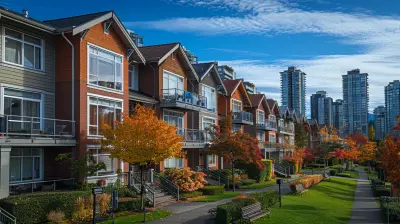
Land Banking: A Long-Term Strategy for High-Value Development
12 July 2026
Have you ever heard someone say, “They’re not making any more land”? It’s true—and it’s one of the core reasons why land banking is catching the attention of savvy investors everywhere. Whether you're dipping your toes into real estate for the first time or you're a seasoned investor with a portfolio that looks like a Monopoly board, land banking might be the long-term strategy you've been overlooking.
In this article, we're going to break down what land banking is, why it’s gaining popularity, and how it can be your golden ticket to high-value development in the future. Pull up a chair, grab your favorite coffee, and let’s dive into the world of land banking.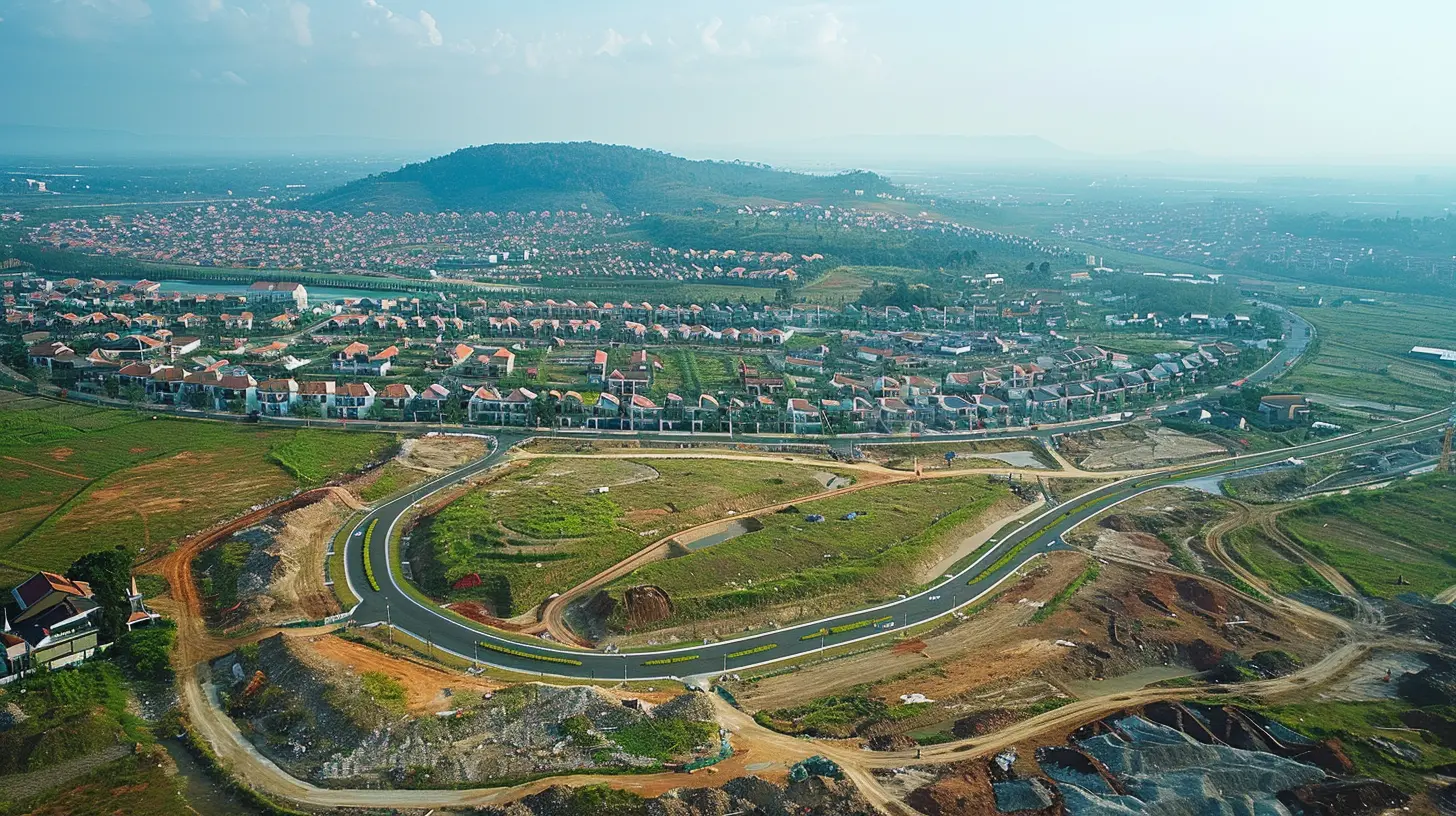
What Is Land Banking Anyway?
Let’s start with the basics. Land banking is the process of buying raw, undeveloped land and holding onto it—think of it as "buy and wait" instead of the usual "buy, fix, and flip." The idea is pretty simple but powerful: purchase land in a strategic location and wait for it to increase in value over time.So, instead of developing the land right away, you let appreciation do the heavy lifting. Once the value spikes—thanks to city expansion, infrastructure development, or zoning changes—you either sell it at a profit or develop it into something worth even more.
Sounds like a long game? That’s because it is.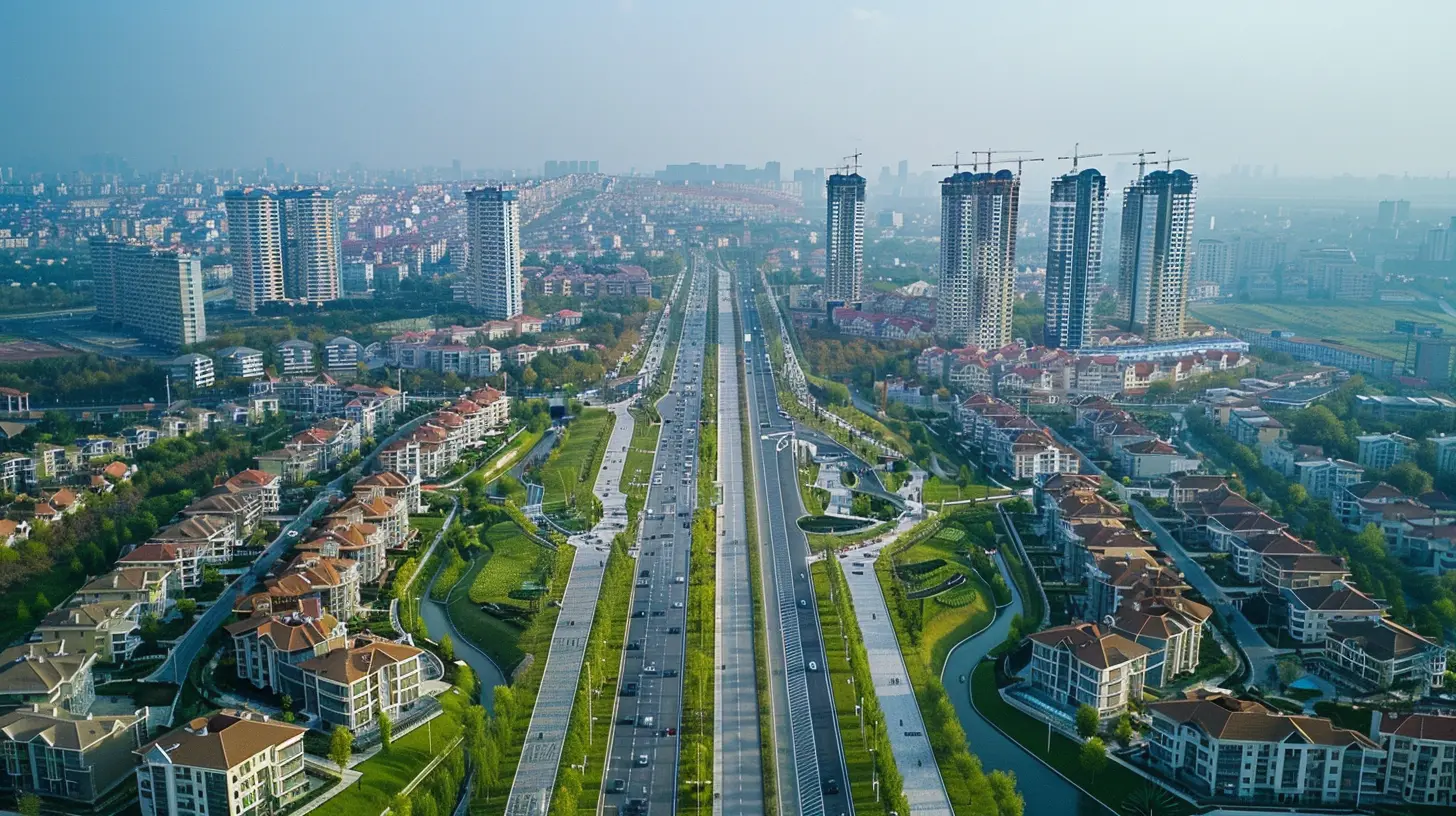
Why Land Banking Is Gaining Momentum
The demand for real estate isn’t slowing down. Cities are growing, suburban sprawl is real, and everyone’s looking for “the next big location.” That’s where land banking comes in. Here’s why more people are talking about it:1. Limited Supply, Growing Demand
Plain and simple: there's only so much land to go around. As cities fill up, the outskirts become hot zones for future development. Smart investors are already placing their bets.2. Lower Entry Costs Compared to Developed Real Estate
Buying vacant land is generally more affordable than a turnkey property. That means lower upfront costs, fewer maintenance headaches, and less competition.Think of it like buying an old comic book before it becomes a collector’s item—low cost now, high payoff later.
3. Flexible Exit Strategies
With land banking, you’ve got options. Hold it and wait? Sure. Sell it when prices rise? Absolutely. Develop it when the timing's right? You bet.This flexibility makes it an appealing choice for both passive and active investors.
The Ideal Spots for Land Banking
Okay, so you’re not just going to buy any old piece of dirt. Location is everything—literally. You want land that’s on the path of progress.Consider These Factors:
- Proximity to growing cities: If a metro area is expanding, the surrounding rural or suburban areas are likely next in line.- Planned infrastructure projects: New roads, highways, schools, or shopping centers? That’s a green flag.
- Zoning trends and local government plans: A simple zoning change can skyrocket land value. Yes, it's that powerful.
Think of it like surfing—you need to paddle out early and be in the right spot to catch the big wave.
Risks You Should Know (Because Every Investment Has ‘Em)
Before we put on rose-colored glasses, let’s be real: land banking isn’t without its pitfalls. It’s not a get-rich-quick scheme—and it shouldn’t be treated like one.1. It’s a Waiting Game
You might sit on a piece of land for years before seeing significant value increases. This strategy rewards patience, not impulsiveness.2. Zoning and Regulation Hurdles
Local governments can be tricky. If your land isn't zoned for your dream project—or if that zoning changes—you might be stuck in limbo until things shift.3. No Immediate Cash Flow
Unlike a rental property, raw land doesn’t generate monthly income. So while it’s quietly appreciating, you’ll need other sources of income to keep things flowing.But here’s the thing—smart investors see past these challenges and treat them like calculated risks rather than deal-breakers.
How to Get Started with Land Banking
Ready to take the plunge? Here’s a simple step-by-step plan to help you dip into land banking without drowning in confusion.Step 1: Do Your Homework
Start researching opportunities in areas with growing populations and economic activity. Look at county development plans, infrastructure investments, and demographic trends.Step 2: Connect with Experts
Land is a unique beast. Work with real estate agents who specialize in raw land. Better yet, network with local developers and zoning boards to stay ahead of the curve.Step 3: Secure Financing or Cash Purchase
Land purchases often require cash or specialized financing, as traditional loans can be a bit hesitant when there’s no structure on the property. Make sure you’ve got funds lined up.Step 4: Understand the Holding Costs
Think you're done after buying the land? Not quite. You’ll need to budget for:- Property taxes
- Minimal maintenance
- Insurance (optional but smart)
Remember, land is like a houseplant—you don’t need to water it every day, but you can’t just ignore it either.
Step 5: Have a Long-Term Exit Plan
Are you looking to flip it in five years? Develop it in ten? Lease it to a farmer in the meantime? Know your ideal end game and prepare accordingly.Real-Life Examples of Land Banking Wins
Need a little inspiration? Here are a few real-world tales to get your wheels turning.The Phoenix Boom
Investors who scooped up land around Phoenix, Arizona in the early 2000s are now sitting on goldmines. As the city sprawled, their once-dusty plots turned into prime suburban development hubs.The Tesla Effect
Ever heard of how Tesla’s gigafactory near Austin, Texas caused a land-buying frenzy? Investors who landed parcels nearby before the announcement saw their values double—and in some cases, triple—almost overnight.This is what we mean by being ahead of the curve. You get in before the crowd arrives.
Common Myths About Land Banking (Busted)
Let’s clear up a few misconceptions while we’re at it.“It’s Too Risky.”
Sure, every investment has risk. But with thorough research and a solid plan, land banking can actually be less volatile than stock markets.“You Need a Lot of Money to Start.”
Not true. While some deals are high-dollar, plenty of rural and suburban land is available at surprisingly low prices.“You Need to Develop the Land to Profit.”
Nope! Appreciation alone can turn a profit—or you can sell to a developer when the time is right.Final Thoughts: Plant Seeds for the Future
If you’re looking for a way to invest in real estate that doesn’t involve tenants, toilets, or termites—land banking might just be your thing. It’s like planting a seed today for the tree that’ll grow in five or ten years. Sure, you need patience... but the shade is oh so worth it.The beauty of land banking is in its simplicity and stealth. It doesn’t scream ROI from day one, but over time, it quietly builds serious value while you sip your coffee and watch the world grow up around it.
So, what are you waiting for? That untouched parcel on the edge of town might just be your ticket to the next big thing.
all images in this post were generated using AI tools
Category:
Land DevelopmentAuthor:

Melanie Kirkland
Discussion
rate this article
1 comments
Quinn Curry
Land banking is like saving pennies, but for future skyscrapers in disguise!
July 24, 2026 at 4:57 AM
Melanie Kirkland
That's a creative way to put it! Land banking indeed transforms small investments into significant opportunities down the road.