Land Development Best Practices for Suburban and Rural Areas
7 July 2026
Land development in suburban and rural areas is more than just clearing land and putting up buildings. It’s about smart planning, sustainability, and ensuring long-term value for both investors and communities. Whether you're a seasoned developer or new to the industry, following best practices can mean the difference between a thriving neighborhood and a failed project.
So, what makes land development successful in these areas? Let's dive in. 
1. Thorough Land Assessment and Due Diligence
Before you even think about breaking ground, you need to evaluate the land properly. This isn’t just about checking if the land looks good; it's about understanding every little detail that could impact your project.Key Considerations:
- Soil Quality & Geological Surveys – Poor soil conditions can lead to unstable foundations and costly fixes down the line.- Environmental Impact Assessments – Protecting natural resources is critical, especially in rural areas where ecosystems are essential.
- Zoning & Land Use Regulations – You don't want to buy land only to find out that local laws won’t let you build what you planned.
- Access to Utilities – Can you easily connect to water, electricity, and sewage systems? If not, expect additional expenses.
Skipping these steps is a surefire way to run into legal, financial, and environmental headaches later on. 
2. Smart Infrastructure Planning
Suburban and rural development often requires you to build out essential infrastructure. Unlike urban projects where utilities are mostly in place, rural and suburban land development might mean starting from scratch.What to Focus On:
- Road Networks – Poorly planned roads make it hard for residents to commute and can lower property values.- Sewage & Drainage Systems – You don’t want flooding issues or sanitation challenges later. Plan this from day one.
- Public & Private Utilities – Can you bring in power lines, water pipelines, and reliable internet? The more self-sufficient your development, the more attractive it becomes.
Without proper infrastructure, even the most beautiful development will struggle to attract buyers. 
3. Sustainable and Eco-Friendly Development
Sustainability isn’t just a buzzword—it’s a necessity. Modern buyers are more conscious of environmental impact, and creating eco-friendly developments can actually increase property demand.Best Practices for a Greener Community:
- Preserve Natural Landscapes – Instead of flattening everything, work with the land’s natural layout.- Use Renewable Energy Sources – Solar panels, wind energy, and other renewable options can make your development more appealing.
- Incorporate Green Spaces – Parks, community gardens, and tree-lined streets make a neighborhood more attractive and livable.
- Smart Water Management – Rainwater harvesting and efficient irrigation systems help conserve water and reduce waste.
Eco-conscious development isn’t just good for the environment—it’s good for business. 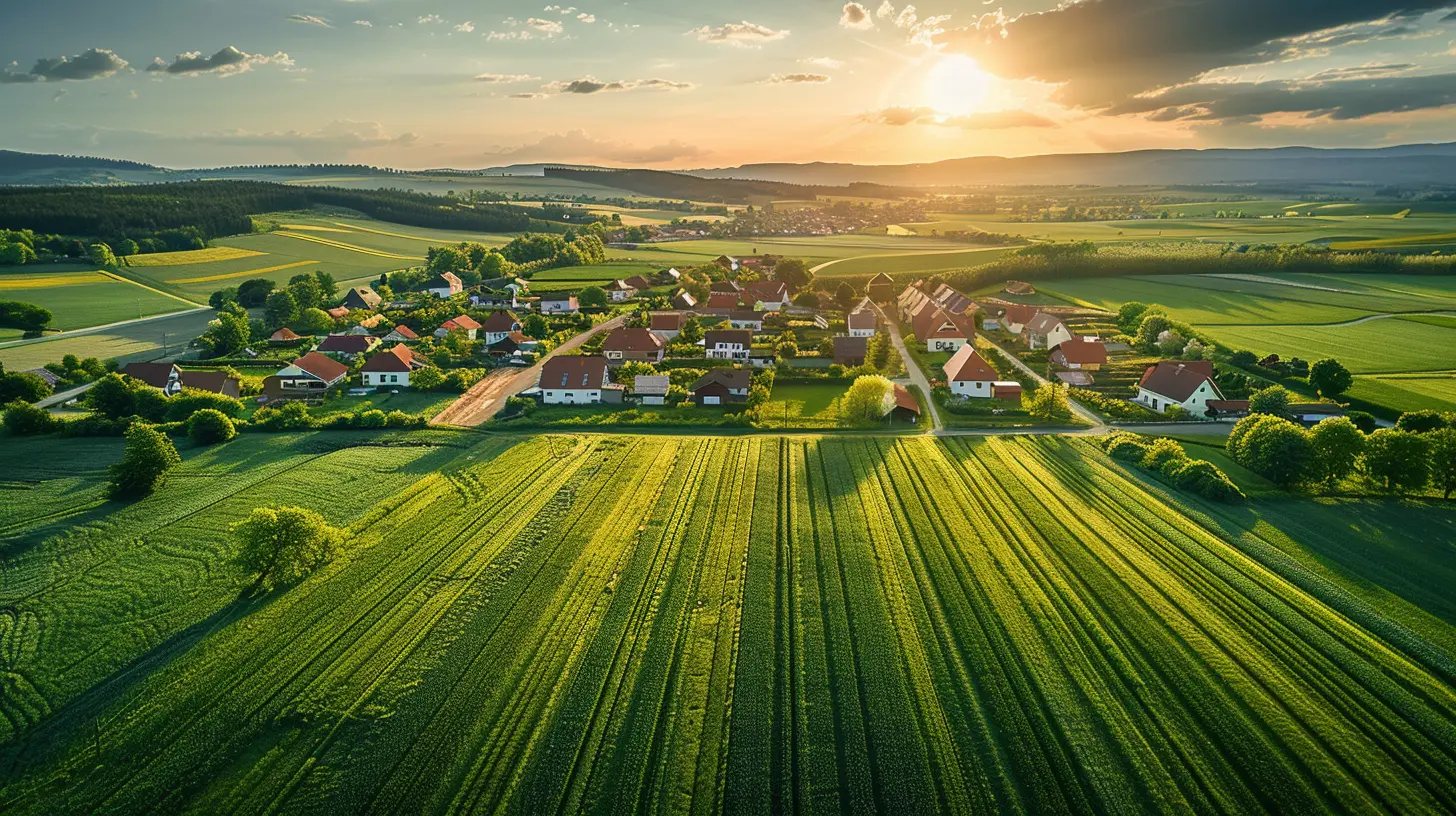
4. Community-Oriented Design
People don’t just want houses; they want communities. The best suburban and rural developments foster a sense of belonging and engagement.How to Build a Community, Not Just Houses:
- Mixed-Use Spaces – Consider adding commercial areas for shops, cafes, and local businesses.- Pedestrian-Friendly Layouts – Wide sidewalks, bike paths, and communal spaces encourage outdoor interaction.
- Schools & Healthcare Facilities – A family-friendly development should have easy access to education and medical services.
- Public Transportation Access – Even in rural areas, a well-planned bus route or shuttle service can be a game-changer.
If people see long-term value in a place, they’ll stick around—and that’s great for your bottom line.
5. Smart Investment and Cost Management
Land development isn’t cheap, and mismanaging funds can turn even the most promising project into a financial disaster.Key Financial Considerations:
- Realistic Budgeting – Account for unexpected costs like regulatory changes, delays, and materials price hikes.- Phased Development – Instead of tackling everything at once, consider developing in phases to reduce risk.
- Leveraging Public-Private Partnerships – Collaborating with local governments or investors can ease financial burdens while improving infrastructure.
- Future-Proofing Investments – Think long-term. Will your development still be profitable in 10–20 years?
Throwing money at a project without a strong financial game plan is a recipe for failure.
6. Navigating Legal and Regulatory Challenges
Even if you have the best plans, ignoring legal requirements can bring everything crashing down. Regulations vary by location, and working within them is crucial.What You Should Keep in Mind:
- Permits & Approvals – Ensure you have all necessary permits before starting work.- Building Codes & Safety Standards – Non-compliance can lead to hefty fines and legal lawsuits.
- Environmental Regulations – Some areas have restrictions on deforestation, water usage, or wildlife protection.
- HOA & Community Guidelines – If applicable, work with community associations to avoid future conflicts.
Cutting corners legally might seem tempting, but trust us—it’s never worth the risk.
7. Marketing and Attracting Buyers
A great development is useless if no one wants to buy in. Marketing plays a crucial role in getting your properties off the ground and into buyers’ hands.How to Drive Demand:
- Highlight Unique Selling Points – Is the area naturally beautiful? Close to a growing city? Market those advantages.- Engage in Digital Marketing – Social media, SEO, and Google Ads can put your development in front of the right audience.
- Host Open Houses & Virtual Tours – Let buyers experience the community before they invest.
- Leverage Local Real Estate Agents – They know the market and can get your properties in front of serious buyers.
Without proper marketing, even the most well-planned development can sit empty for years.
Final Thoughts
Successful land development in suburban and rural areas isn’t just about building structures—it’s about creating places where people want to live, work, and grow. From thorough land assessment to smart financial planning and eco-friendly initiatives, every step you take makes a difference.If you’re serious about making your development a success, follow these best practices, stay adaptable, and always put the future residents at the heart of your decisions.
Because at the end of the day, great developments don’t just build houses—they build thriving communities.
all images in this post were generated using AI tools
Category:
Land DevelopmentAuthor:

Melanie Kirkland
Discussion
rate this article
1 comments
Hugo Perry
Great insights! Focusing on sustainability and community needs is key for successful development.
July 19, 2026 at 3:01 AM
Melanie Kirkland
Thank you! I'm glad you found it valuable. Balancing sustainability with community needs really makes a difference.