Mastering the Art of the Open House in 2026
29 April 2026
Let’s be real for a second: the open house isn’t dead. It’s just not the sleepy Sunday afternoon coffee-and-cookies affair your parents remember. In 2026, the open house has evolved into a high-stakes, multi-sensory experience—a live performance where the seller’s home is the stage, and you, the agent, are the director, the sound engineer, and the headliner all rolled into one.
If you’re still handing out flyers on a clipboard and hoping for the best, you’re already behind. The buyers of 2026 are digitally saturated, time-starved, and emotionally guarded. They’ve scrolled through 3D tours and watched drone flyovers before they ever step through the door. So, how do you make them feel something—something real—when they finally walk into that living room?
You master the art. Not just the logistics. The art.
This isn’t a checklist. It’s a mindset shift. Let’s break down how you can turn your next open house into an unforgettable, conversion-heavy event that leaves buyers talking (and bidding).
The Pre-Show: Why Your Open House Actually Starts 72 Hours Before
Think of an open house like a Broadway show. The curtain doesn’t just rise on an empty stage. There are dress rehearsals, lighting checks, and a marketing blitz. In 2026, your open house begins the moment you schedule it.The Digital Warm-Up (Don’t Skip This)
You can’t just post a “Sunday 1-4 PM” on the MLS and call it a day. That’s like whispering in a hurricane. Instead, you need a digital warm-up sequence.Start with a teaser video 72 hours out. Not a walkthrough—a feeling. Show the morning light hitting the kitchen island. Film the sound of the front door clicking open. Use a cinematic filter. The goal isn’t to show the floor plan; it’s to create a craving. Then, 24 hours before, drop the hard details: price, square footage, and the fact that you’ll have fresh-baked cookies (more on that later).
Pro tip for 2026: Use geo-fencing. Target the phones of people who’ve been inside similar price-point homes within a two-mile radius. When they scroll Instagram, your open house invite pops up like a friendly nudge. It’s not creepy—it’s relevant.
The Curb Appeal Reboot: First Impressions in the Age of the Scroll
We all know curb appeal matters. But in 2026, it’s not just about a trimmed lawn and a fresh coat of paint. It’s about curb storytelling.When a buyer pulls up, what’s the first thing they see? If it’s a generic “Open House” sign, you’ve already lost. Upgrade to a branded, illuminated A-frame sign with a QR code that leads to a pre-recorded video of you saying, “Welcome! I’m inside, but here’s a quick tour of the front yard. Notice the mature Japanese maple—it’s over 40 years old.”
Here’s the metaphor: Your curb is the book cover. Most agents just write the title. You need to write the blurb on the back.
Also, think about scent at the front door. Not overpowering, but intentional. A subtle cedar or vanilla diffuser near the entrance sets a subconscious mood. Buyers will feel “at home” before they even see the kitchen. That’s not magic—that’s neuroscience.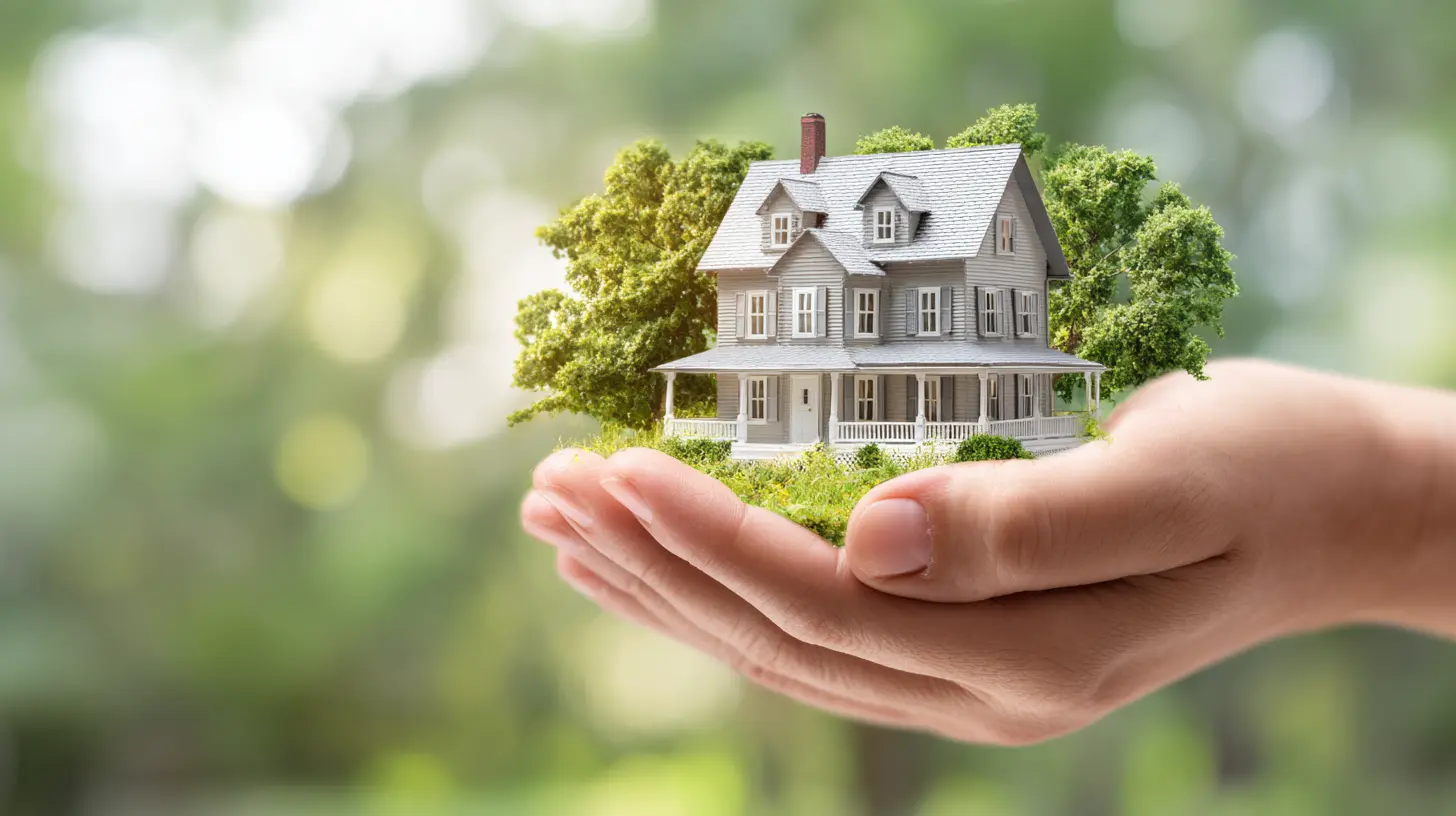
The 2026 Buyer Persona: Who Are You Actually Hosting For?
Let’s talk about the elephant in the room: today’s buyer is exhausted. They’ve been outbid six times. They’ve seen 40 homes that look identical. They are skeptical, data-driven, and emotionally brittle.So, you can’t treat them like passive observers. You have to treat them like collaborators.
- The Remote Worker: They care about Wi-Fi speed, soundproofing, and a dedicated nook that isn’t a glorified closet.
- The Eco-Conscious Couple: They want to know about solar panels, energy efficiency, and whether the garden is pollinator-friendly.
- The Downsizer: They need to see how their antique furniture will fit. They don’t want a tour; they want a spatial validation.
Rhetorical question: Are you speaking to all of them at once, or are you just talking to yourself? In 2026, the best open houses are zonal. You don’t give one tour. You give five micro-tours depending on who walks in.
The Living Room Makeover: Why "Staged" Isn't Enough
Staging is standard. But in 2026, staging has to feel lived-in—not sterile.I’m not talking about clutter. I’m talking about texture. A chunky knit throw on the sofa. A stack of books that look like they’ve been read (even if you bought them at a thrift store yesterday). A chess set mid-game on the coffee table.
Why this works: Buyers are buying a lifestyle, not a mortgage. When they see a book titled The Art of Fermentation on the counter, they start imagining their own sourdough starter. You’re not selling a kitchen; you’re selling a Sunday morning ritual.
Analogies time: A staged home is like a mannequin in a store window—technically perfect, but cold. A lived-in staged home is like a friend’s house you’re visiting. You want to sit down. You want to stay.
The Soundtrack of a Sale: Audio Atmosphere
Here’s a secret most agents ignore: noise.Dead silence is awkward. It amplifies the sound of footsteps and creaking floorboards. Buyers get self-conscious. They rush through.
In 2026, curate a low-volume playlist. Think: acoustic indie, soft jazz, or even ambient nature sounds (rain on a window, a distant fireplace). The music should be at a level where you can still have a conversation, but it fills the empty space.
Burst this bubble: I once attended an open house where the agent played a podcast about real estate investing at moderate volume. It was a disaster. Buyers felt like they were in a waiting room. Choose music that says “you belong here,” not “you’re being sold to.”
The Greeting: The First 5 Seconds Are Everything
You have about five seconds to establish trust when someone walks through the door. Don’t waste it on small talk about the weather.Instead, try this: “Welcome! I’m so glad you made it. I’ve been looking forward to showing you this home because it has one of the best natural light setups I’ve seen all year. Feel free to wander, but if you have two minutes, I’d love to show you the kitchen—it’s the heart of this place.”
Notice what I did there? I didn’t ask a question. I made a statement. I gave them permission to explore, but I also planted a seed of curiosity. Why is the kitchen special? Now they’re hooked.
Personal pronouns matter: Use “we” and “us” and “our” when talking about the home. Even if you don’t live there. “Our kitchen has this amazing island…” It subconsciously creates ownership.
The "Silent Salesman" Strategy: Let the House Do the Work
You can’t be everywhere at once. So, you need to plant silent salesmen throughout the property.- In the primary bedroom: A small card on the nightstand with a QR code linking to a video of the neighborhood at sunrise.
- In the backyard: A handwritten note on the patio table: “Imagine your morning coffee here. The sun rises just behind that oak tree.”
- In the garage: A laminated sheet showing the square footage, storage capacity, and the fact that the EV charger is pre-installed.
These aren’t flyers. They’re invitations to daydream.
Meta metaphor: Think of the home as a museum. The art is the architecture. The silent salesman cards are the audio guide. You’re just the curator.
The Tech Touch: Augmented Reality Without the Gimmick
In 2026, you can’t ignore tech, but you can’t drown in it either.Don’t hand buyers a clunky VR headset unless you’re selling a $10 million estate. Instead, use light tech.
- Smart mirrors: Place a tablet near a mirror that shows how the room would look with different paint colors.
- Window stickers: A transparent sticker on a window that, when viewed through a phone app, shows the view in different seasons.
- Live heat mapping: A small sensor on the floor that shows foot traffic patterns (great for open floor plans).
Warning: If the tech requires a tutorial, it’s too complicated. The goal is to enhance the experience, not distract from it.
The Follow-Up That Doesn't Feel Like a Follow-Up
Here’s where 90% of agents drop the ball. You host a fantastic open house, everyone leaves smiling, and then… silence. Then you send a generic email: “Thanks for coming! Call me if interested.”That’s not a follow-up. That’s a ghost.
In 2026, the follow-up is an extension of the experience.
Send a personalized text within two hours of the open house. Not an email—a text. Use a service that allows you to send a short video. Say something like: “Hey [Name], it was great meeting you. I’m still thinking about how perfect that reading nook would be for your dog. Let me know if you want to see the utility bills—they’re surprisingly low.”
Why this works: You’re referencing a specific moment. You’re showing you listened. You’re adding value (the utility bills). You’re not selling; you’re continuing a conversation.
The Metrics That Matter in 2026
Stop counting “heads in the door.” That’s vanity.Instead, track these:
- Dwell time: How long did the average buyer stay? If it’s under 10 minutes, your open house is a drive-through. If it’s over 30, you’ve created a destination.
- QR code scans: Did the silent salesman cards get used? If not, your copy is weak.
- Scent retention: (Yes, this is a thing.) Ask buyers at the door to rate their mood on a scale of 1-10. After the tour, ask again. If the number goes up, your sensory strategy worked.
- Referral rate: Did any buyer ask for a card to give to a friend? That’s the ultimate compliment.
The Final Act: Why You Need to Be Unforgettable
Listen, in 2026, buyers have options. They have algorithms. They have virtual tours. What they don’t have is connection.Your open house isn’t just about selling a property. It’s about selling yourself as the guide through one of the most stressful, emotional, and expensive decisions of their life. If you can make them laugh, make them feel seen, and make them imagine a future in that home, you’ve already won.
Bold truth: The best open house in 2026 won’t be the one with the most expensive staging or the fanciest tech. It will be the one where the agent actually cared enough to create a moment.
So, go ahead. Light that diffuser. Play that playlist. Write that handwritten note. And when that buyer walks through the door, look them in the eye and say, “Welcome home.”
Because that’s what they’re really looking for.
all images in this post were generated using AI tools
Category:
Realtor TipsAuthor:

Melanie Kirkland
Discussion
rate this article
2 comments
Paris Adkins
Great insights on making open houses more engaging in 2026! The tips on creating an inviting atmosphere and using technology effectively will surely help sellers stand out. Excited to see how these strategies unfold!
June 22, 2026 at 3:16 AM
Melanie Kirkland
Thanks for your feedback! I'm glad you found the tips useful. It's an exciting time for open houses, and I can't wait to see how these strategies make a difference.
Tate Stevens
Open houses can be daunting for sellers and buyers alike. Remember, it's about making connections and creating a welcoming atmosphere. Best of luck to everyone navigating this experience.
May 8, 2026 at 12:00 PM
Melanie Kirkland
Thanks for the reminder! Creating connections really does make all the difference. Good luck to all!