Neighborhood Trends Shaping Los Angeles Real Estate
1 September 2026
Los Angeles is not a single market. It is a patchwork of dozens of distinct submarkets, each with its own micro-economy, demographic pull, and price dynamics. For buyers, sellers, and investors, the city's real estate landscape has shifted dramatically over the past five years, and the forces driving those shifts are not the ones most people expect. It is not just about beach proximity or school districts anymore. The trends that matter now are rooted in commute patterns, climate risk, zoning changes, and the way remote work has rewritten the value of space itself.
Understanding these neighborhood-level trends is the difference between making a sound investment and overpaying for a narrative. This article breaks down the most significant shifts shaping Los Angeles real estate, explains why they are happening, and offers practical guidance for anyone looking to buy, sell, or hold property in the region.
The Rise of the "Middle Ring" Neighborhoods
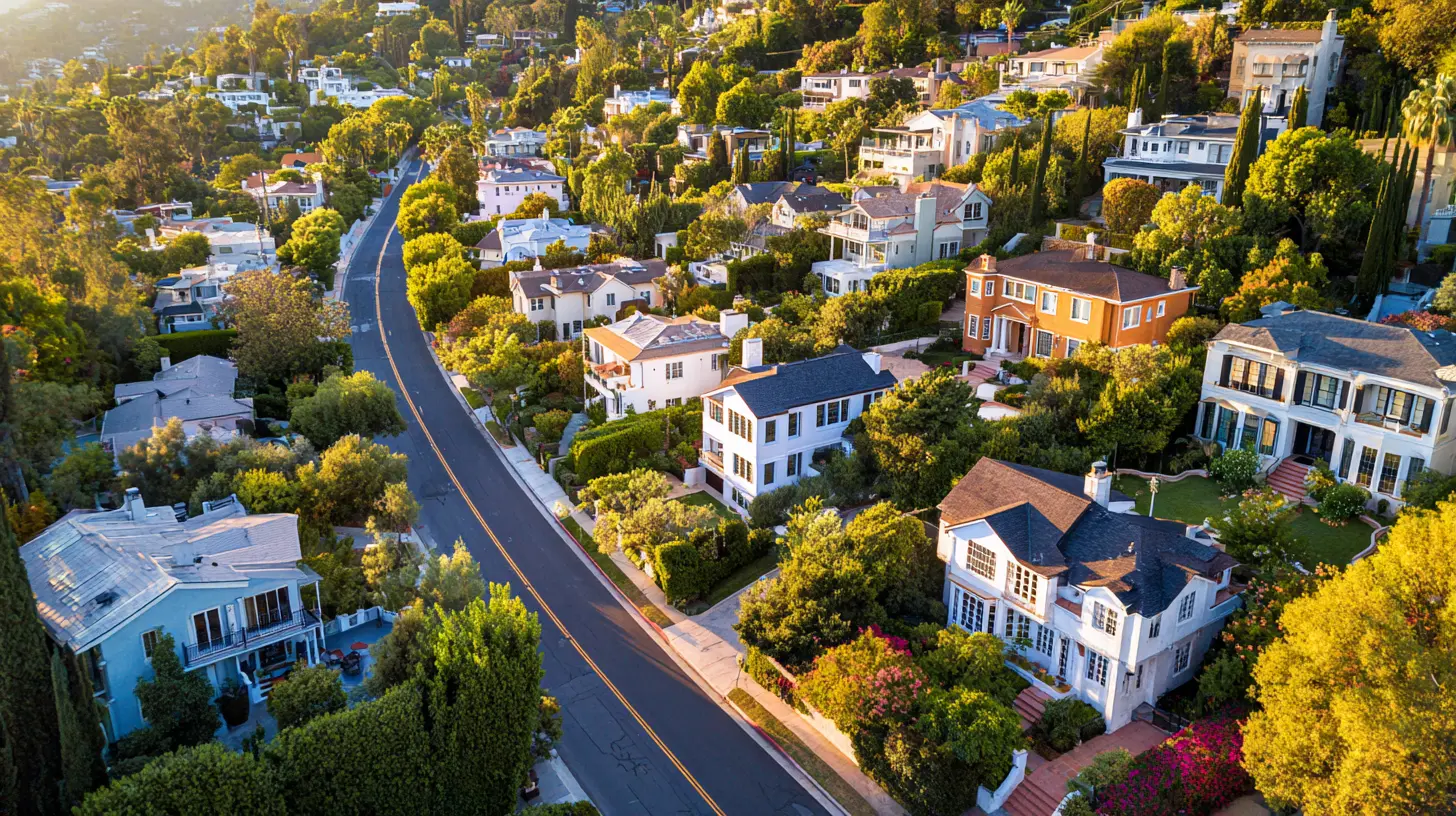
For decades, the Los Angeles housing market was defined by a simple binary: the coastal Westside and the more affordable San Fernando Valley, with the Eastside as a cultural outlier. That binary has broken down. The most striking trend in recent years is the rapid appreciation of what urban planners call the "middle ring" - neighborhoods like Koreatown, West Adams, Leimert Park, and parts of Northeast Los Angeles such as Highland Park and El Sereno.These areas sit between the hyper-expensive core and the far-flung exurbs. They offer older housing stock, larger lots, and access to transit lines that were underutilized a decade ago. The pandemic accelerated a shift that was already underway. Remote work freed many professionals from the daily commute to Century City or downtown, allowing them to prioritize square footage and outdoor space over proximity to a specific office tower.
The result is a re-sorting of value. A 1920s Craftsman in West Adams with a detached garage and a quarter-acre lot now commands a premium that would have seemed absurd in 2015. The trade-off is that these neighborhoods often come with aging infrastructure, less consistent street tree canopy, and a higher likelihood of needing significant renovation. Buyers who ignore those costs are often surprised by the total investment required to make a fixer-upper livable.
The lesson here is not to chase the hottest zip code but to understand the underlying drivers. Middle-ring neighborhoods are appreciating because they offer a rare combination in Los Angeles: relative affordability, architectural character, and urban connectivity. As long as those three factors hold, the trend has legs. But buyers should be cautious about paying a premium for "potential" without verifying zoning rules, earthquake retrofit requirements, and the actual condition of the foundation.
Climate Risk Is Now a Pricing Factor
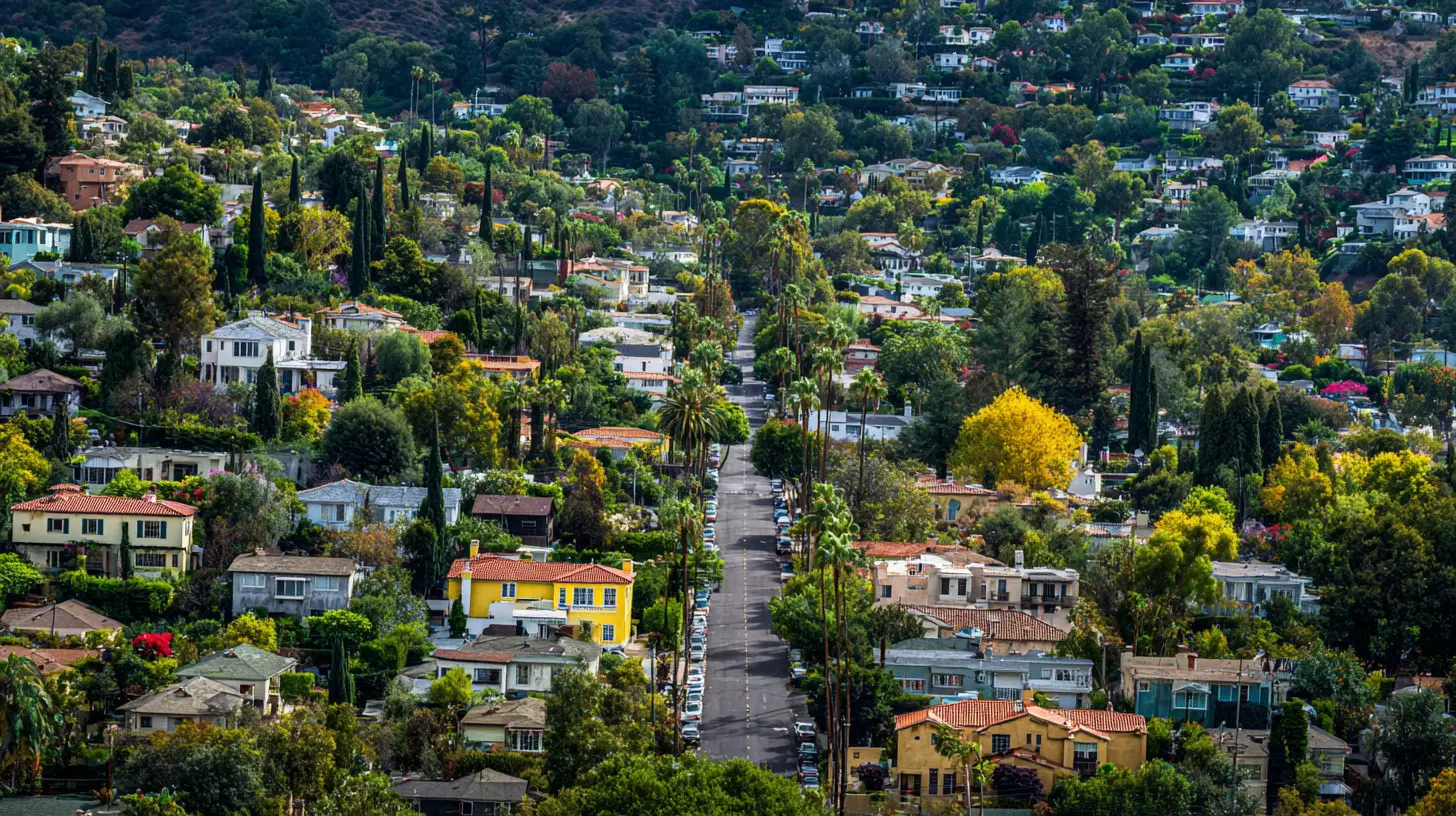
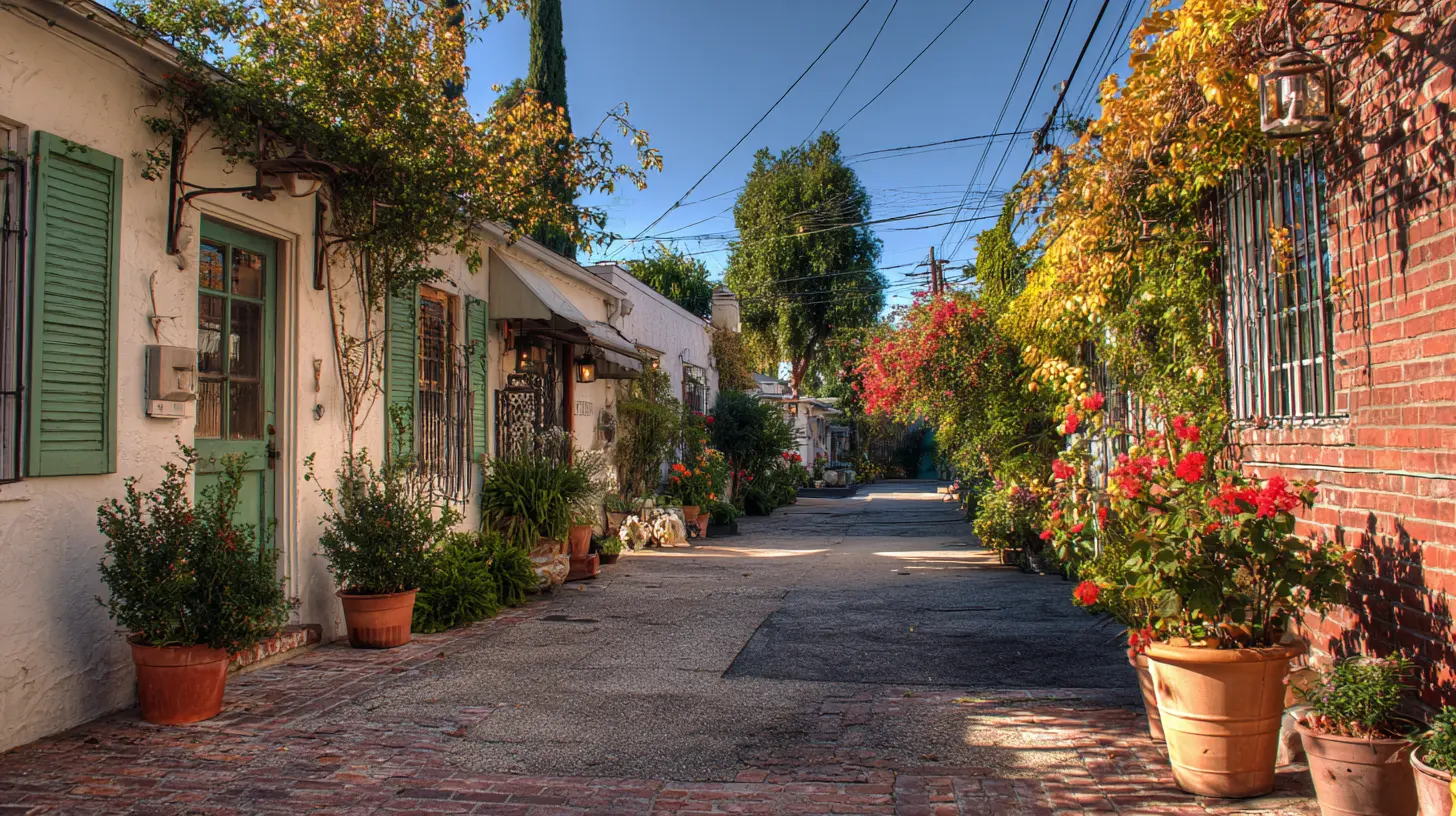
Five years ago, wildfire risk was a footnote in most property listings. Today, it is a central variable in how neighborhoods are valued. The 2018 Woolsey Fire and the 2025 Palisades and Eaton fires reshaped not just the physical landscape but the insurance landscape. Insurers have pulled back from high-risk zones, raised premiums dramatically, or declined to renew policies altogether. This has created a two-tier market within Los Angeles.Neighborhoods in the Very High Fire Hazard Severity Zones, particularly in the Santa Monica Mountains, Topanga, and parts of the San Gabriel foothills, are seeing slower price growth and longer days on market. Buyers who do look in these areas are often cash-heavy or willing to self-insure, which narrows the pool significantly. On the other hand, neighborhoods with lower fire risk, such as the flatlands of the South Bay, parts of the San Fernando Valley, and the inner Eastside, are seeing increased demand from buyers who are climate-aware.
This is not just about fires. Flood risk in low-lying areas like Marina del Rey and parts of Long Beach is becoming a consideration, although the insurance market for flood is somewhat more stable due to federal programs. The key takeaway is that environmental risk is now a permanent part of the underwriting process, both for lenders and for savvy buyers. Sellers in high-risk zones need to be prepared for tougher negotiations and should consider investing in defensible space and home hardening before listing. Buyers, meanwhile, should not assume that a lower price in a fire zone is automatically a bargain. The annual cost of insurance, plus the real possibility of non-renewal, can turn a seemingly affordable home into a financial trap.
The Remote Work Effect on Housing Preferences
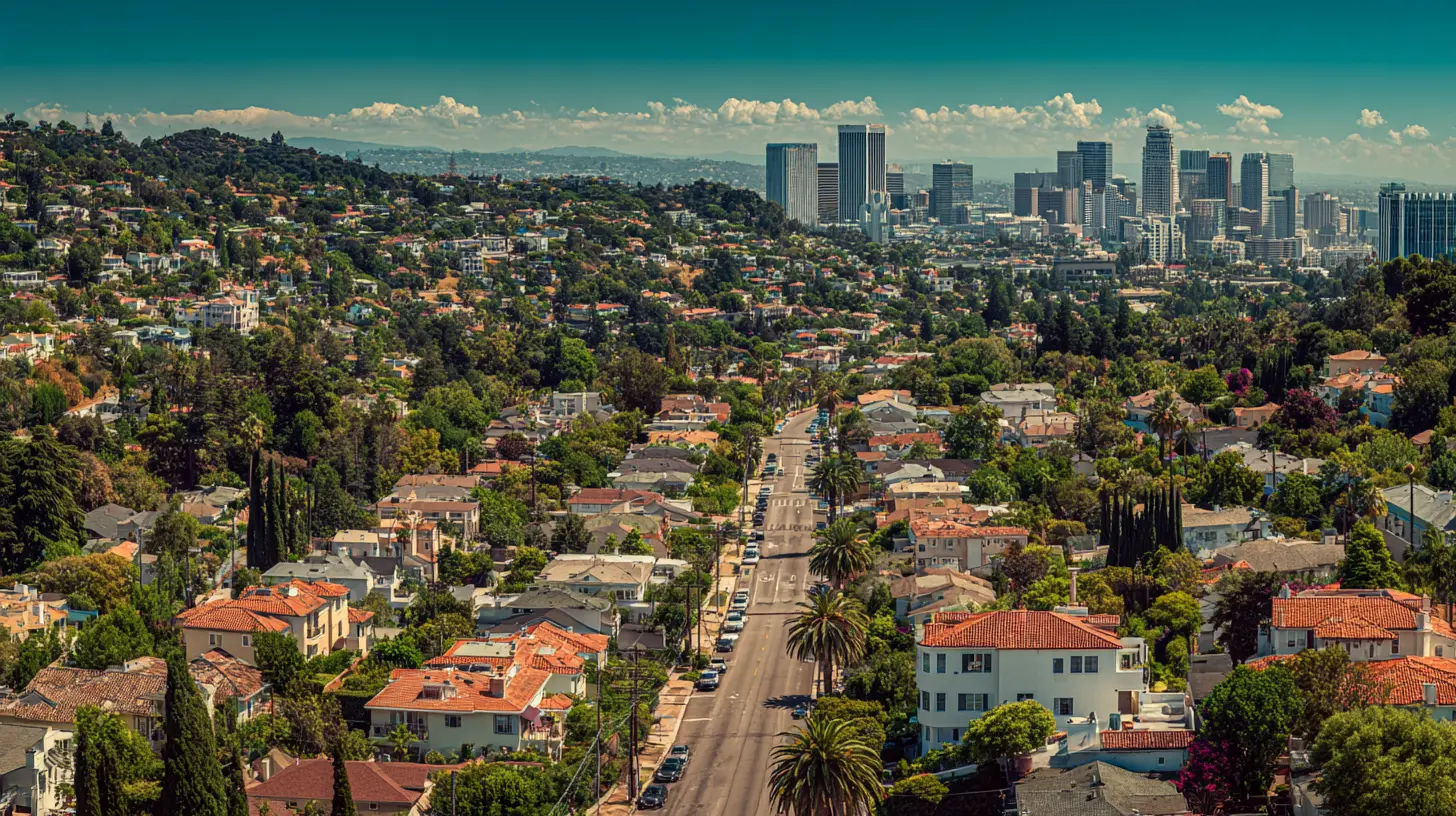
The remote work experiment that began in 2020 has not fully reversed. While many companies have called employees back to the office, the hybrid model is now the norm for a significant portion of the white-collar workforce. This has had a profound effect on what buyers want from a home.The most obvious change is the demand for dedicated office space. A spare bedroom is no longer just a guest room; it is a home office, a studio, or a classroom. Homes with a separate den or a detached ADU (accessory dwelling unit) are commanding a premium. The ADU, in particular, has become a major factor in Los Angeles real estate. Since the state relaxed regulations on ADU construction, many homeowners have added rental units that provide supplemental income or a private workspace. Neighborhoods that are zoned to allow ADUs easily, or that have the lot size to accommodate them, are more attractive to buyers.
But the remote work effect goes deeper than just floor plans. It has changed the geography of demand. The five-day commute is gone for many, replaced by a two- or three-day commute. This has made neighborhoods that are a 45-minute drive from downtown viable for people who previously would have been priced out of closer-in areas. The result is a compression of price differences between "commuter" neighborhoods and "destination" neighborhoods. Santa Clarita, for example, has seen steady demand, not because it is a cultural hub, but because it offers larger homes for the same price as a small bungalow in Silver Lake, and the commute is only painful three days a week instead of five.
The trade-off is that remote work is not evenly distributed. Service workers, healthcare employees, and tradespeople still need to be on-site. This creates a bifurcated market where white-collar neighborhoods are seeing stable or rising values, while neighborhoods reliant on in-person work are more sensitive to economic downturns. Buyers should think carefully about the stability of their own employment situation before paying a premium for a home with a perfect home office setup.
The ADU Boom and the New Rental Supply
One of the most underreported stories in Los Angeles real estate is the explosion of accessory dwelling units. State laws passed in 2017 and 2020 essentially made it much easier to build a second unit on a single-family lot. The city of Los Angeles has streamlined permitting, and the result is a wave of new rental housing that does not appear in most statistics about apartment construction.This matters for neighborhood trends because ADUs change the calculus of homeownership. A homeowner in a neighborhood like Echo Park or Atwater Village can now generate rental income that offsets a significant portion of their mortgage. This has made previously marginal purchases more viable and has increased competition in neighborhoods where ADU construction is feasible.
But there are pitfalls. ADU construction costs have risen with inflation, and not every lot is suitable. Slope, setback requirements, utility access, and parking all play a role. Some homeowners have jumped in without proper due diligence and ended up with cost overruns or projects that took two years instead of six months. The best practice is to work with a contractor who has specific experience with ADUs in Los Angeles, not a general remodeler. Also, check the local neighborhood council and zoning rules carefully. Some areas have more restrictive design guidelines that can add significant cost.
For buyers, the presence of an existing ADU is a major value-add, but it is important to verify that the unit was permitted and that the work was done to code. Unpermitted ADUs are common and can create headaches with financing, insurance, and potential fines. A thorough inspection should include the ADU, not just the main house.
Zoning Reform and the Future of Density
Los Angeles has long been a city of single-family zoning, but that is changing slowly. The city's adoption of the Housing Element, which mandates the creation of hundreds of thousands of new housing units over the next decade, has forced a rethinking of what neighborhoods can look like. In practice, this means more duplexes, triplexes, and small apartment buildings in areas that were previously restricted to single-family homes.For real estate investors, this is a significant opportunity. Neighborhoods that are being upzoned, particularly along major boulevards like Venice Boulevard, Sepulveda Boulevard, and parts of the San Fernando Valley, are seeing land values rise. The value of a single-family home on a lot that can be subdivided or redeveloped is now higher than the value of the home itself. This has created a dynamic where older homes in these corridors are being purchased for land value, not for their architectural merit.
The trade-off is that this process is contentious and slow. Neighborhood opposition, environmental review, and financing challenges can delay projects for years. Individual buyers who are not developers should be cautious about buying a home solely because it sits on a lot that "might" be upzoned. The timeline for actual redevelopment is unpredictable, and the carrying costs can be substantial. For developers, however, the trend is clear: the future of Los Angeles housing is denser, and the neighborhoods that embrace this change first will see the most investment.
The Shift in Retail and Mixed-Use Neighborhoods
The decline of traditional retail has reshaped the commercial corridors that define many Los Angeles neighborhoods. Strip malls are being converted to mixed-use projects with apartments above ground-floor retail. This is not just an aesthetic change; it is a fundamental shift in how neighborhoods function.Areas like the Third Street Promenade in Santa Monica and the Grove in the Fairfax District have had to reinvent themselves as destinations rather than just shopping centers. Meanwhile, neighborhood commercial streets like York Boulevard in Highland Park and Adams Boulevard in West Adams are seeing a resurgence of small, independent businesses that cater to local residents rather than tourists.
For residential real estate, this is a double-edged sword. Living above or near a vibrant commercial corridor is desirable for many, offering walkability and amenities. But it also brings noise, parking challenges, and the risk that a popular spot becomes a magnet for crowds. Buyers should visit these neighborhoods at different times of day, not just on a sunny Saturday afternoon, to get a realistic sense of the character.
The broader trend is that Los Angeles is becoming more "neighborhood-centric." People want to live in a place where they can walk to a coffee shop, a grocery store, and a park. This has increased the value of homes in areas that have successfully fostered that kind of environment, even if the homes themselves are modest. The inverse is also true: neighborhoods that have lost their commercial anchors, often due to big-box store closures, are struggling to maintain property values.
The Luxury Market Is Not Immune
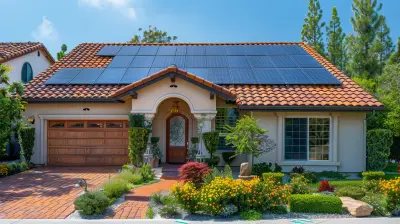
The high-end market in Los Angeles, particularly in Bel Air, Beverly Hills, and the Hollywood Hills, has always been driven by a different set of rules. But even this segment is feeling the effects of broader trends. International buyers, who once flocked to these areas as a safe haven for capital, have become more cautious due to geopolitical instability and changes in tax laws. The mansion tax, approved by voters in 2022, imposed an additional transfer tax on properties sold for more than five million dollars. This has cooled the upper end of the market and led to some price reductions.Interestingly, the luxury market is also seeing a shift in what buyers want. Privacy and security are paramount, but so is sustainability. High-end buyers are increasingly asking for solar panels, battery storage, and energy-efficient systems, not just because of cost savings but because it is a status symbol. Homes that are not equipped for the realities of climate change, such as those with extensive wood siding in fire-prone areas, are harder to sell, even at a discount.
Sellers in the luxury segment need to be realistic about pricing. The days of bidding wars above asking price are over in many areas. A well-priced property with modern systems and a defensible fire plan will move faster than a dated mansion with a premium price tag. Buyers, for their part, have more negotiating power than they have had in years, but they should be wary of properties that have been on the market for a long time. There is often a reason, and it is rarely just "the market is slow."
The Rental Market and Investment Properties
For investors, the rental market in Los Angeles is a study in contradictions. Rents have been rising in many neighborhoods, particularly in the Westside and the South Bay, but the cost of financing an investment property has also risen. The 2024 and 2025 interest rate environment made it difficult to achieve positive cash flow on a property purchased with a traditional mortgage. This has pushed many investors toward all-cash purchases or toward value-add properties where they can increase rents through renovation.The most resilient rental markets are those with strong job growth and limited new supply. Neighborhoods like Playa Vista, Culver City, and parts of the San Fernando Valley near the new tech campuses are seeing high occupancy rates. On the other hand, areas with a glut of new luxury apartments, such as downtown Los Angeles, are seeing concession wars where landlords offer months of free rent to attract tenants. This is not a healthy sign for investors who bought at the top of the market.
A practical approach for investors is to focus on neighborhoods with a diverse economic base rather than a single industry. A neighborhood dependent on entertainment jobs, for example, is more volatile than one with a mix of healthcare, education, and technology employment. The best investment neighborhoods in Los Angeles right now are those that offer a combination of relatively affordable entry prices, strong rental demand, and the potential for rent growth through modest improvements. West Adams, Leimert Park, and parts of the Northeast Valley fit this profile.
Common Mistakes and Misconceptions
One of the most common mistakes buyers make in Los Angeles is assuming that a lower price per square foot automatically means a better deal. This is often false. Older homes in less desirable areas may be cheap, but they come with deferred maintenance, outdated electrical systems, and the need for significant capital investment. The true cost of ownership is the purchase price plus the cost of bringing the property up to a livable standard. A $1.2 million home that needs $200,000 in repairs is not a bargain compared to a $1.3 million home that is move-in ready.Another misconception is that all neighborhoods are becoming more expensive and that there is no "affordable" area left. This ignores the reality of places like San Pedro, Wilmington, and parts of the East San Fernando Valley, which remain relatively affordable by Los Angeles standards. These neighborhoods may not have the cachet of Silver Lake or Santa Monica, but they offer solid housing stock and improving amenities. The trade-off is a longer commute and fewer cultural attractions, but for many buyers, that is an acceptable exchange.
A third mistake is ignoring the cost of insurance. As mentioned earlier, insurance premiums can be the difference between a manageable monthly payment and a financial strain. Buyers should get insurance quotes before making an offer, not after. In high-risk areas, the annual premium can be as much as one percent of the home's value, which is a significant ongoing cost.
Best Practices for Buyers and Sellers
For buyers, the best practice is to be patient and thorough. Do not fall in love with a property before checking the basics: the age of the roof, the condition of the foundation, the electrical panel, and the plumbing. In older neighborhoods, the sewer line is often the hidden culprit. A sewer scope inspection is a small cost that can save tens of thousands of dollars.Buyers should also understand the local market dynamics. In a seller's market, which still exists in many desirable neighborhoods, it is important to move quickly but not recklessly. Get pre-approved, have your financing in order, and be prepared to make a strong offer without contingencies if necessary. In a buyer's market, which exists in some high-end and fire-prone areas, take your time and negotiate aggressively.
For sellers, the best practice is to price realistically from the start. Overpricing is the most common mistake. A home that sits on the market for 60 days becomes stigmatized, and buyers assume something is wrong. Price slightly below market to create competition, but be prepared for lowball offers if the market is slow. Also, invest in curb appeal. In Los Angeles, where the exterior and the street scene are part of the experience, a home that looks good from the street will attract more interest than one with a beautiful interior but a neglected facade.
The Long-Term Outlook
Looking ahead, the most important trend in Los Angeles real estate is the ongoing struggle between housing supply and demand. The city simply does not build enough housing to accommodate the number of people who want to live there. This structural shortage will continue to put upward pressure on prices in the long run, even if short-term fluctuations occur due to interest rates or economic cycles.The neighborhoods that will thrive in the next decade are those that can adapt to the new realities: climate risk, remote work, density, and changing demographics. The neighborhoods that will struggle are those that resist change or rely on a single economic driver. For investors, this means looking for areas with good schools (even if you do not have children, schools affect property values), access to transit, and a diverse economic base.
For homeowners, the best strategy is to buy in a neighborhood that you genuinely like, not just one that is trending. Trends fade, but a neighborhood that fits your lifestyle will hold its value and provide a good quality of life. Los Angeles is a city of neighborhoods, and the ones that succeed are those that build a sense of community. That is the real trend that matters.
all images in this post were generated using AI tools
Category:
Neighborhood GuidesAuthor:

Melanie Kirkland
Discussion
rate this article
2 comments
Lorna Phillips
Understanding neighborhood trends is essential for navigating the dynamic Los Angeles real estate market. Awareness of local developments can guide smart investment decisions and foster community connections.
September 21, 2026 at 4:58 AM
Melanie Kirkland
Absolutely, staying informed about neighborhood trends can make a big difference in making wise real estate choices in LA. It's all about connecting with the community while investing strategically.
Ainsley Kelly
It's fascinating how neighborhood trends influence the real estate landscape in Los Angeles. I wonder which emerging areas will become the next hot spots for buyers and investors.
September 4, 2026 at 2:49 AM
Melanie Kirkland
Absolutely, it's all about spotting those up-and-coming neighborhoods. Areas like Inglewood and Boyle Heights show great potential with new developments and revitalization efforts. It will be exciting to see how they evolve.