Preparing Your Home for Winter: The 2027 Early Checklist
14 September 2026
Most homeowners start thinking about winter prep in October, usually after the first frost warning hits the local news. By then, you are standing in line at a hardware store behind forty other people buying the same pipe insulation, and every reputable contractor in your area is booked solid through December. The better approach is to start in late summer, when the weather still cooperates and the market for skilled labor is not yet underwater.
This guide lays out a winter preparation framework built around a 2027 timeline, meaning you begin roughly twelve to fifteen months before the season you are preparing for. That sounds excessive until you understand how building systems, contractor availability, and material supply chains actually behave. A house is not a static object. It is a set of interdependent systems that respond to temperature, moisture, and time. Winter is the stress test. Preparation is how you control the variables before the test begins.
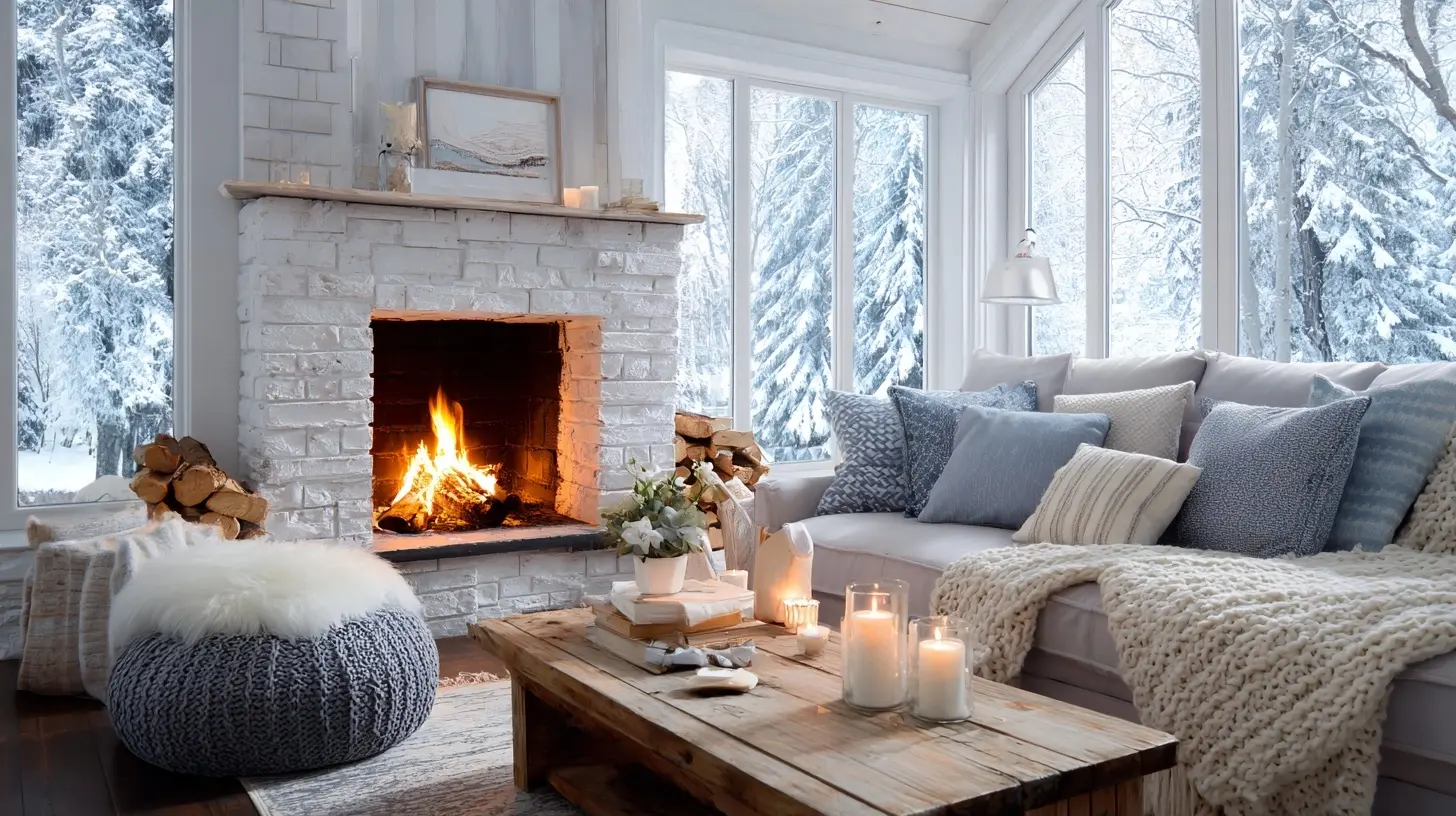
Why Early Preparation Beats Last-Minute Scrambling
There is a practical reason to start early and a financial one. The practical reason is scheduling. Tradespeople who do quality work, particularly HVAC technicians, roofers, chimney sweeps, and insulation contractors, fill their calendars quickly once the first cold snap arrives. If you call in November for a furnace tune-up, you get whoever is available, which is not always whoever is best.The financial reason is leverage. Contractors price differently in slow seasons. A roofer in July may quote you a repair at a rate that is 15 to 25 percent lower than the same job in November, simply because demand is lower and crews need work. The same logic applies to HVAC replacements, window installations, and drainage work. Early planning is not just about convenience. It is about buying the same service for less money and with more attention to detail.
There is also a diagnostic reason. Problems reveal themselves gradually. A slow drain in your gutter system might not cause visible damage until it has been backing up for months. A hairline crack in a foundation wall might not leak until the freeze-thaw cycle opens it further. Starting early gives you time to observe, test, and correct rather than react.
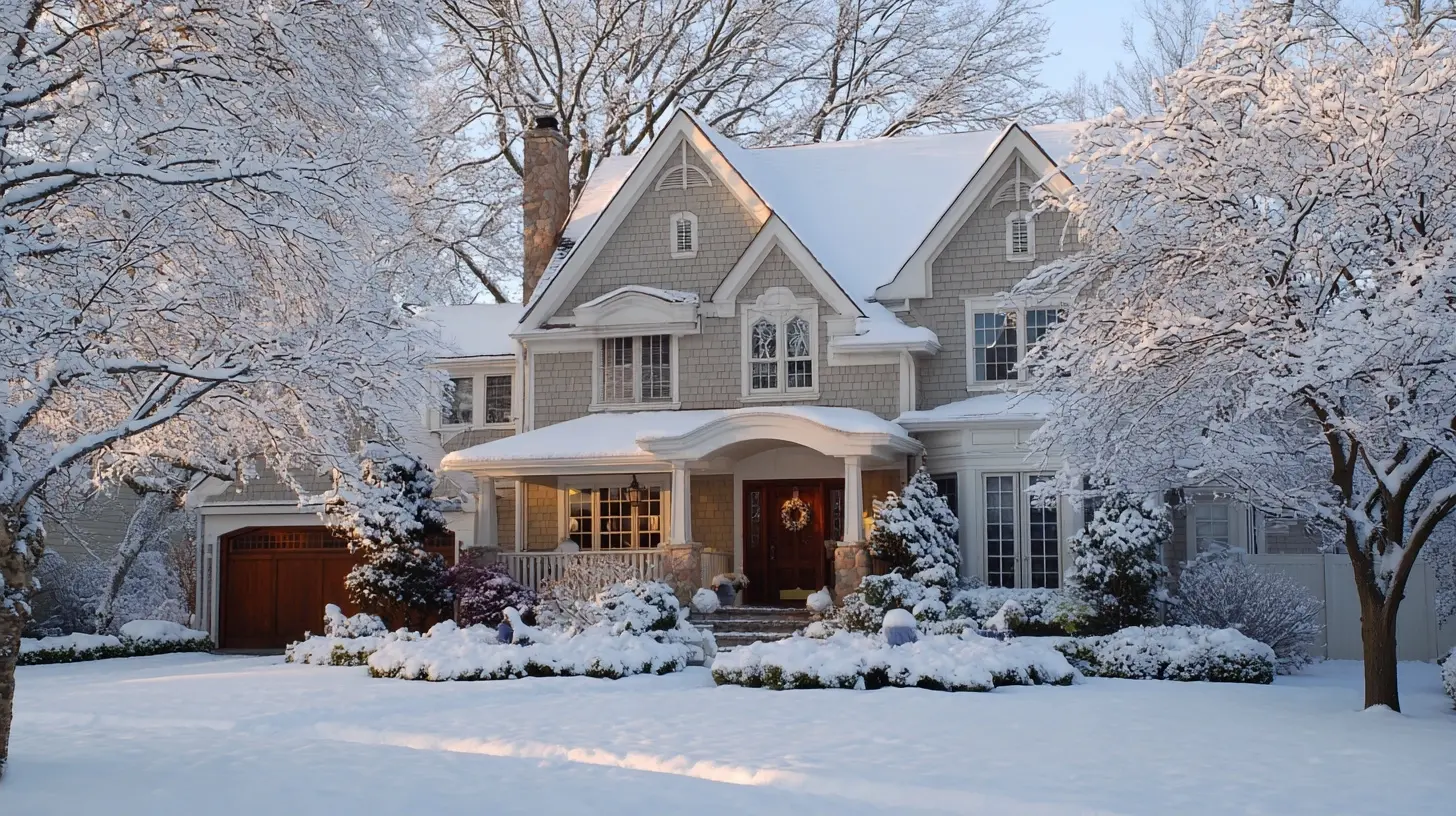
The 2027 Timeline: Working Backward from the First Freeze
The most useful way to organize winter preparation is to work backward from the date you expect the first hard freeze in your region. In most of the northern United States, that is somewhere between mid-October and early November. In milder climates, it may be December or later, but the sequence stays the same.Here is a rough framework:
- Late summer 2026: Structural inspection, drainage evaluation, contractor scheduling
- Early fall 2026: HVAC service, chimney inspection, insulation assessment
- Late fall 2026: Weatherstripping, pipe insulation, emergency kit assembly
- Winter 2026-2027: Monitoring, minor adjustments, documentation
- Spring 2027: Post-winter damage assessment and repairs
- Summer 2027: Major projects, replacements, and upgrades
- Fall 2027: Final checks before the next winter
Notice that this is a continuous cycle, not a one-time event. The best-prepared homeowners treat winter readiness as an ongoing practice rather than an annual chore.
Start with the Building Envelope
The building envelope is the boundary between conditioned interior space and the unconditioned exterior. It includes walls, roof, windows, doors, and foundation. Most winter problems, from high heating bills to ice dams to frozen pipes, trace back to envelope failures.Roof and Attic
The roof is your first line of defense, but the attic is where the real story unfolds. A well-functioning attic in winter should be cold. If it is warm, you have a problem, because warm attic air melts snow on the roof surface, which then refreezes at the eaves and creates ice dams. Ice dams force water under shingles and into the house.The fix is not better shingles. The fix is better air sealing and insulation between the living space and the attic. Before winter 2027, consider having a home energy auditor assess your attic. Many utility companies offer subsidized audits. The auditor will measure insulation depth, check for air leaks around light fixtures and plumbing penetrations, and assess ventilation.
A common mistake is adding insulation without air sealing first. Blowing cellulose over an attic floor that has gaps around wiring and ductwork is like putting on a coat while leaving your shirt unbuttoned. Air moves through the gaps and undermines the insulation's performance. Seal first, insulate second.
Windows and Doors
Windows lose heat in three ways: conduction through the glass, convection through air leaks around the frame, and radiation from the warm interior to the cold glass surface. Modern double- and triple-pane windows address all three, but they are expensive. If replacement is not in the budget for 2027, focus on air sealing and storm windows.Weatherstripping is inexpensive and effective. The key is choosing the right type for each application. V-strip weatherstripping works well for door frames because it flexes with the door. Foam tape is better for window sashes that do not move. Door sweeps handle the gap at the bottom. Caulk handles the fixed gaps around frames.
A misconception is that plastic window film is a cheap trick. It is actually quite effective when installed correctly. The film creates a dead air space between the glass and the interior, which reduces convection. The trade-off is aesthetic and functional: you cannot open the window while the film is in place, and the film can look wrinkled if you do not apply it carefully.
Foundation and Crawl Space
Cold air enters through foundation vents and crawl space openings. In older homes, this can chill floors and cause pipes to freeze. The traditional approach was to close foundation vents in winter, but building science has evolved. Modern best practice in many climates is to seal and insulate the crawl space entirely, turning it into a semi-conditioned space.This is a significant project. It involves sealing vents, installing a vapor barrier on the floor and walls, and adding insulation. The benefit is a warmer floor, lower heating costs, and reduced moisture problems in summer. The trade-off is cost and the need for a dehumidifier in some climates. If you are considering this for 2027, start getting quotes in summer 2026 so you can compare approaches and schedule the work before the ground freezes.
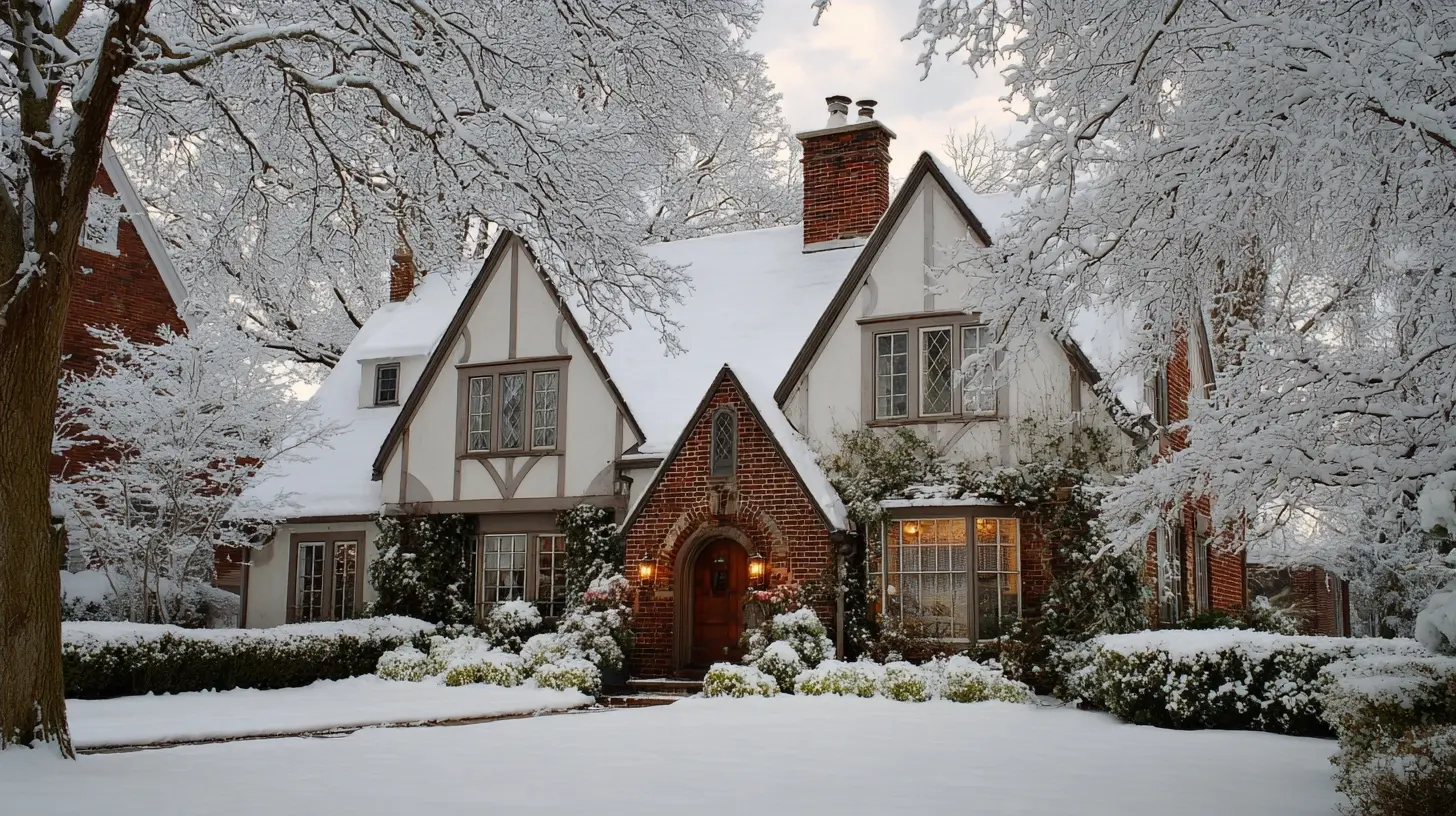
Heating Systems: Service Before You Need It
Your furnace or boiler is the hardest-working system in your home during winter. It is also the one most likely to fail at the worst possible time, usually on the coldest night of the year. Annual service is not optional if you want reliability.What a Proper HVAC Service Includes
A thorough service visit should include:- Inspection and cleaning of the burners
- Checking the heat exchanger for cracks
- Testing the ignition system
- Measuring refrigerant charge (for heat pumps)
- Lubricating moving parts
- Replacing or cleaning filters
- Checking thermostat calibration
- Inspecting the flue and venting
If your technician only changes the filter and calls it a tune-up, find someone else. The heat exchanger inspection is critical because a cracked heat exchanger can leak carbon monoxide into the home. This is a safety issue, not just a performance one.
Heat Pumps in Cold Climates
Heat pump technology has improved significantly. Modern cold-climate heat pumps can operate efficiently at temperatures well below freezing. If you are considering a switch from a fossil fuel furnace to a heat pump, 2026 is the year to research it, and 2027 is the year to install it. Federal and state incentives change frequently, so verify current programs before you commit.The trade-off is upfront cost versus long-term savings. A heat pump costs more to install than a standard furnace, but it can reduce your heating bill substantially, and it provides cooling in summer. In very cold climates, you may need a backup system, which adds cost.
Plumbing: The Expensive Failure You Can Prevent
A burst pipe can cause tens of thousands of dollars in damage. The good news is that prevention is straightforward and inexpensive relative to the cost of repair.Pipe Insulation
Any pipe in an unconditioned space, such as a basement, crawl space, attic, or garage, should be insulated. Foam pipe sleeves are cheap and easy to install. For pipes that are at high risk, consider heat tape, which is an electrical cable that warms the pipe. Heat tape should be plugged into a GFCI outlet and used according to the manufacturer's instructions. Do not wrap heat tape over itself, as this can cause overheating.Outdoor Faucets and Sprinklers
Before the first freeze, disconnect all hoses, drain outdoor faucets, and shut off the interior valve that feeds them if one exists. A frost-free sillcock is designed to drain when the hose is removed, but it can still freeze if a hose is left attached. This is a common and costly mistake.Water Heater Maintenance
Flush your water heater annually to remove sediment. Sediment reduces efficiency and can shorten the tank's life. If your water heater is more than ten years old, start budgeting for replacement. Failures tend to happen in winter when the unit works hardest.
Drainage: The Overlooked Winter Risk
Water is the enemy of a house in any season, but winter makes it worse because water expands when it freezes. Water that pools near the foundation can freeze, expand, and crack concrete. Water that backs up in gutters can freeze and pull them away from the fascia.Gutters and Downspouts
Clean gutters in late fall after the leaves have fallen. If you have pine trees nearby, you may need to clean them twice. Consider installing gutter guards, but understand that no guard is maintenance-free. Guards reduce the frequency of cleaning but do not eliminate it.Downspouts should discharge at least six feet from the foundation. If your downspouts terminate right at the foundation, add extensions. This is one of the cheapest and most effective improvements you can make.
Grading
The soil around your foundation should slope away from the house at a rate of about six inches over the first ten feet. Over time, soil settles and this slope can reverse, especially if you have added mulch or landscaping. Check the grade in summer 2026 and regrade if needed.Chimneys and Fireplaces
If you burn wood, your chimney needs annual inspection and cleaning. Creosote buildup is flammable and causes chimney fires. A certified chimney sweep will inspect the flue, the firebox, the damper, and the cap. They will also check for cracks in the masonry and signs of water intrusion.A common misconception is that a chimney only needs cleaning if you burn a lot of wood. Even occasional use can cause creosote buildup, especially if you burn unseasoned wood or burn at low temperatures. Seasoned wood, which has been dried for at least six months, burns hotter and cleaner.
Emergency Preparedness
Even with excellent preparation, winter storms can cause power outages and other disruptions. A basic emergency kit should include:- Flashlights and batteries
- A battery-powered or hand-crank radio
- Bottled water and non-perishable food
- A first aid kit
- Blankets and warm clothing
- A portable phone charger
- A shovel and ice melt
If you have a generator, test it before winter and store fuel safely. Never run a generator indoors or in a garage, even with the door open. Carbon monoxide kills.
Common Mistakes and Misconceptions
One mistake is assuming that a newer home does not need winter preparation. New homes have fewer problems, but they are not immune. Builder-grade materials and rushed construction can leave gaps and deficiencies that only show up under stress.Another misconception is that closing off unused rooms saves energy. In forced-air systems, closing vents can increase pressure in the ductwork, reduce efficiency, and cause imbalances that make the rest of the house uncomfortable. It can also lead to mold in the closed-off room if it becomes cold and damp.
A third mistake is ignoring small issues because they seem minor. A dripping faucet, a loose gutter, a cracked caulk line. These are early warnings. Fixing them in summer costs a fraction of fixing the damage they cause in winter.
Budgeting for Winter Preparation
Costs vary widely by region and by the condition of your home, but here is a rough framework for planning:- HVAC service: $100 to $250
- Chimney inspection and cleaning: $150 to $400
- Gutter cleaning: $150 to $400
- Pipe insulation materials: $50 to $200
- Weatherstripping and caulk: $50 to $150
- Emergency kit: $100 to $300
Major projects like crawl space encapsulation, window replacement, or roof repair are separate line items and can range from a few thousand to tens of thousands of dollars. Prioritize based on risk. A failing roof is a bigger threat than drafty windows.
Final Thoughts
Winter preparation is not about fear. It is about control. A house that is ready for winter is a house that costs less to operate, suffers less damage, and provides more comfort. The 2027 checklist is really a mindset: start early, think in systems, and treat maintenance as an investment rather than an expense.The homeowners who struggle every winter are usually the ones who wait. The ones who coast through are the ones who planned in July. You have time. Use it.
all images in this post were generated using AI tools
Category:
Home Improvement TipsAuthor:

Melanie Kirkland
Discussion
rate this article
1 comments
Martha Howard
This article provides a practical and timely checklist for homeowners looking to winterize their properties. Emphasizing proactive maintenance not only extends the life of home systems but also enhances energy efficiency, ultimately saving money during the colder months.
September 14, 2026 at 4:19 AM