Rental Market Shifts: What to Expect in 2026 and Beyond
2 May 2026
Let's be honest: the rental market over the last few years has felt like a rollercoaster that lost its brakes. One minute, rents were skyrocketing, and the next, we saw pockets of cooling. If you're a landlord, a renter, or someone just trying to keep a roof over your head, you've probably asked yourself: "What's next? Is this chaos ever going to settle down?"
I'm not here to give you a crystal ball-nobody has one. But I've been watching the data, talking to property managers, and looking at the forces that actually move this market. What I see for 2026 and beyond is a shift that's less about panic and more about balance. Think of it as the market finally catching its breath after a sprint. Let's break down what's coming, why it matters, and how you can get ahead of it.

The Great Reset: Why Rents Won't Keep Skyrocketing
Remember 2021 and 2022? Rent prices in major cities jumped by double digits. It felt like every month, another record was broken. But that pace was never sustainable. It was a reaction to a perfect storm: low supply, people fleeing homeownership after bidding wars, and the return to office work.Now, we're entering what I call the "Great Reset." In 2026, we're going to see rent growth slow to a crawl-maybe 1% to 3% annually in most markets, instead of 10% or more. Why? Two big reasons.
First, supply is finally catching up. Builders went on a construction spree starting in 2023, and those apartment complexes are now hitting the market. Cities like Austin, Nashville, and Phoenix are seeing a flood of new units. Landlords there are already offering concessions-like a month free or waived parking fees-just to fill vacancies. If you're a renter in those areas, 2026 might be your year to negotiate.
Second, affordability has hit a wall. People simply can't pay more. Wages haven't kept up with the rent hikes of the past three years. Even in high-income areas, there's a ceiling. Landlords who try to push rents too high will face longer vacancies, which hurts their bottom line more than a modest rent increase.
So, what does this mean for you? If you're renting, you'll have more leverage. If you're a landlord, you need to pivot from "maximize profit" to "maximize occupancy." It's a different game.
The Rise of the "Renter by Choice"
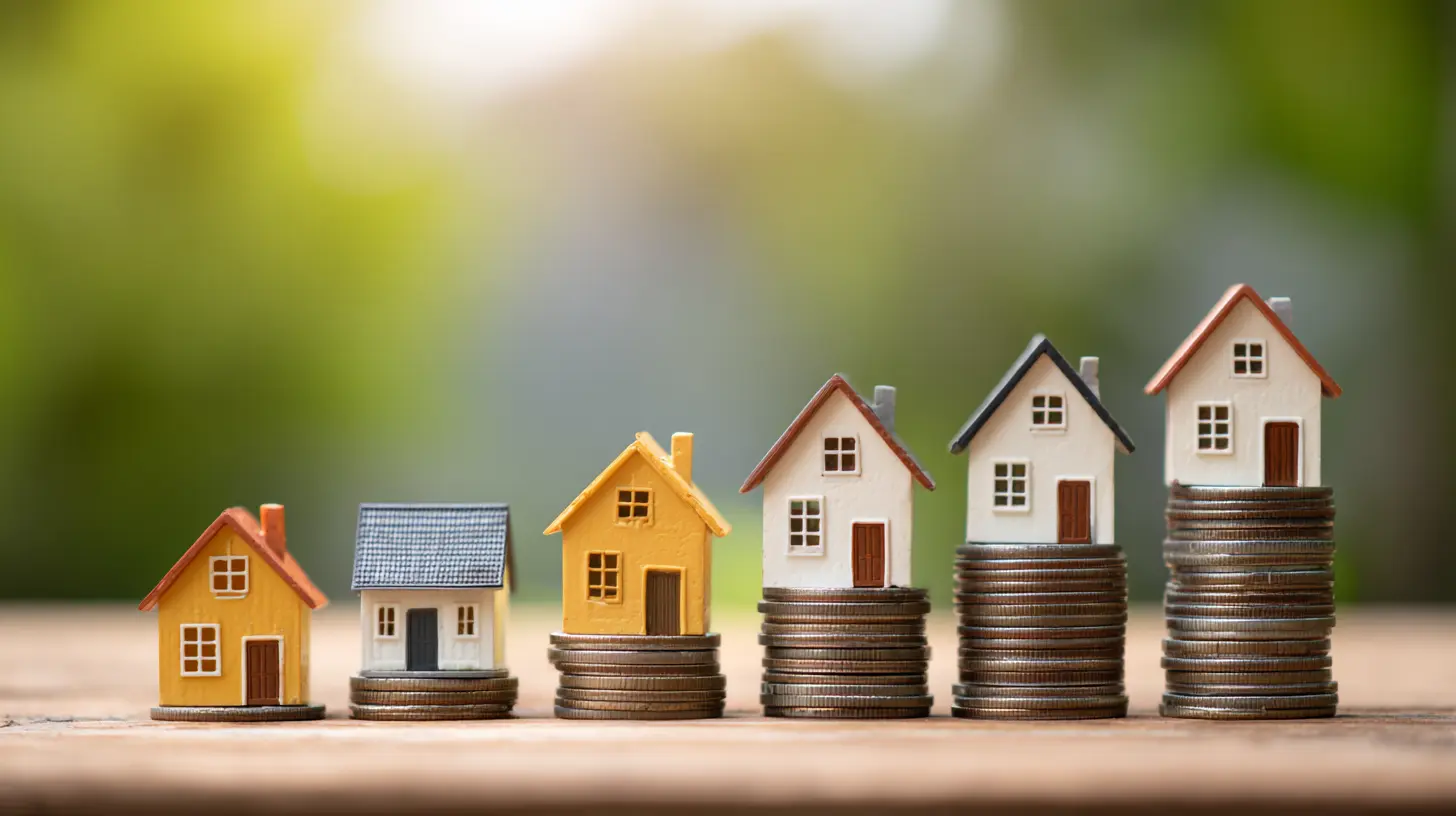
One of the biggest shifts I'm seeing is a change in who rents and why. For decades, renting was seen as a stepping stone-something you did until you bought a house. That mindset is crumbling.By 2026, more people will be "renters by choice." These are folks who could afford to buy but choose not to. They value flexibility. They don't want to be tied down to a mortgage, property taxes, and the headache of maintenance. Think of it like the difference between owning a boat and renting one. Owning a boat sounds great until you have to fix the engine. Renting gives you the fun without the hassle.
This group includes remote workers who want to move every year or two, empty nesters downsizing from big suburban homes, and young professionals who prioritize experiences over equity. For landlords, this is gold. Renters by choice stay longer, pay on time, and take care of the property because they treat it like a home, not a pit stop.
The catch? They're picky. They want amenities that match their lifestyle: high-speed internet, pet-friendly policies, in-unit laundry, and outdoor spaces. A basic, bare-bones apartment won't cut it anymore. If you're a property owner, 2026 is the year to upgrade your finishes and think about what a "lifestyle" renter actually values.

Where the Action Will Be: Secondary and Tertiary Markets
I know everyone talks about New York, San Francisco, and Los Angeles. But the real story for 2026 is happening in smaller cities and even suburbs. Think Boise, Spokane, Knoxville, and the outskirts of Atlanta and Denver.Why? Because of the remote work hangover. Even though some companies are calling people back to the office, the genie is out of the bottle. A huge chunk of the workforce now has hybrid or fully remote jobs. They don't need to pay $2,500 a month for a shoebox in a downtown core. They can rent a two-bedroom with a yard in a smaller city for half that.
This is creating a ripple effect. As people leave expensive metros, they bring their higher incomes to cheaper areas, driving up demand-and rents-in those places. A landlord in a secondary market might see 5% to 6% rent growth in 2026, while a landlord in a primary market might struggle to get 2%.
For renters, this is a golden opportunity. If you're flexible about location, you can trade city noise for space and savings. Just be aware: as these markets heat up, they won't stay cheap forever. The window is closing.
The Technology Tug-of-War: AI and Smart Rentals
Let's talk about the elephant in the room: technology. I'm not saying robots are going to manage your apartment building tomorrow. But by 2026, the rental experience will be noticeably different because of two things: AI and smart home features.On the landlord side, AI is already being used to set rent prices. Algorithms analyze everything from local crime rates to school ratings to how many people are searching for a one-bedroom in your zip code. This means less guesswork and more dynamic pricing-like how airlines change ticket prices based on demand. For renters, this can feel unfair. You might see a $100 price jump from one week to the next. But it's also more transparent. You'll know exactly what the market will bear.
On the renter side, smart home tech is becoming a must-have. Keyless entry, smart thermostats, and package lockers are no longer luxuries. They're expected. A property without these features will feel outdated, like a car without power windows. Landlords who invest in this tech will attract better tenants and command higher rents.
But here's the flip side: privacy concerns. Smart devices can feel intrusive. Renters are starting to ask, "Is that smart lock recording when I come and go?" The best landlords in 2026 will be the ones who balance tech with transparency. Give renters control over the data, and they'll trust you more.
The Affordability Crunch: It's Not Going Away
I wish I could tell you that rents will drop significantly in 2026. But I can't. Even with more supply, the underlying issue of housing affordability is structural. We simply haven't built enough homes for the population growth we've seen over the last decade.What will change is how we talk about affordability. Government programs are starting to step in. Rent control measures are being debated in more states, and some cities are experimenting with "rent-to-own" models. Expect more regulation, not less. Landlords will need to get comfortable with caps on annual rent increases and stricter eviction rules.
For renters, this is a double-edged sword. Rent control can keep your costs stable, but it also discourages new construction. If you're in a rent-controlled unit, you're golden. But if you're looking for a new place, you might find fewer options because builders are hesitant to invest.
The real solution? More housing density. That means duplexes, triplexes, and accessory dwelling units in neighborhoods that used to be single-family only. This is already happening in places like California and Oregon. By 2026, expect to see it spread. It's not a quick fix, but it's the only long-term answer.
The Landlord's New Playbook: Retention Over Acquisition
If you're a landlord reading this, here's your wake-up call. The days of "I can find a new tenant in a week" are over in many markets. In 2026, the smartest move you can make is to keep the tenants you already have.Think of it like a subscription service. It's cheaper to retain a customer than to acquire a new one. The same goes for rentals. A tenant who renews saves you turnover costs: cleaning, painting, marketing, and lost rent during vacancy. To keep them, you might need to offer a smaller rent increase-or even no increase at all.
Start building relationships. Respond to maintenance requests within 24 hours. Offer small upgrades, like a new faucet or fresh paint, when a lease is up. Consider a "loyalty program" where long-term tenants get priority for parking spots or storage units. It sounds simple, but most landlords ignore it.
Also, be willing to negotiate. A tenant who asks for a $50 reduction on a $2,000 rent is not being unreasonable. They're being smart. If you say no, they might leave, and you could end up with a month of vacancy, which costs you far more than $50 a month.
What Renters Should Do Right Now
If you're renting, 2026 is your year to be strategic. Don't just accept the first renewal offer. Do your homework. Look at comparable rents in your area. If your landlord is asking for a 5% increase but similar units are going for the same price as last year, push back.Also, consider signing a longer lease. In a market where rent growth is slowing, locking in a two-year lease can protect you from future spikes. Landlords love stability, so they're often willing to offer a discount for a longer commitment.
Another tip: look for new construction. Developers often offer generous move-in specials to fill brand-new buildings quickly. You might get a month free or reduced security deposit. Just be aware that after the first year, rents might jump to market rate. So read the fine print.
Finally, don't underestimate the power of a good relationship with your landlord. Be a reliable tenant. Pay on time. Keep the place clean. When renewal time comes, that goodwill can translate into a better deal. It's not fair, but it's true.
The Big Picture: A Market That's Maturing
Let's zoom out for a second. The rental market in 2026 and beyond isn't going to be the wild west we saw in 2021. It's maturing. Think of it like a teenager who finally calms down after a growth spurt. The bones are there, but the energy is different.For landlords, the focus will shift from speculation to operation. You can't just buy a property and expect it to appreciate. You have to manage it well. That means better customer service, smarter pricing, and a willingness to adapt.
For renters, the power dynamic is evening out. You'll have more choices, more leverage, and more reasons to stay put. But you'll also need to be savvy. The market is still unpredictable, and the best deals go to those who do their research.
For everyone else-investors, policymakers, and curious observers-the lesson is simple: housing is a human need, not just a financial asset. The more we treat it that way, the better off we'll all be.
So, what's your takeaway? If you're a renter, get ready to negotiate. If you're a landlord, get ready to compete. And if you're just trying to survive in a crazy market, remember this: the rollercoaster is slowing down. The view from the top is still good.
all images in this post were generated using AI tools
Category:
Housing TrendsAuthor:

Melanie Kirkland
Discussion
rate this article
2 comments
Alexa McMahon
This article provides valuable insights into the evolving rental market. Understanding these trends will be crucial for both investors and renters as we move into 2026. I look forward to seeing how these predictions develop.
June 22, 2026 at 11:07 AM
Melanie Kirkland
Thank you for your thoughts! It's exciting to explore these trends together. Let's see how they unfold in the coming years.
Thalia Baxter
Exciting times ahead in the rental market! With changes on the horizon for 2026 and beyond, there's plenty of opportunity for both renters and landlords. As trends evolve, we'll see new possibilities and innovations. Here's to a bright future in real estate that everyone can enjoy and benefit from!
May 7, 2026 at 11:16 AM
Melanie Kirkland
Thanks for your thoughts! The upcoming changes are sure to shape the market in interesting ways for both renters and landlords. Exciting times indeed!