Smart Home Security Systems: What You Need to Know
19 January 2026
Home security has come a long way from the traditional lock-and-key approach. Today, smart home security systems offer advanced protection, convenience, and peace of mind. But with so many options available, how do you choose the right system for your home?
In this guide, we’ll break down everything you need to know about smart home security systems—what they are, how they work, and what to look for when selecting one.
What Is a Smart Home Security System?
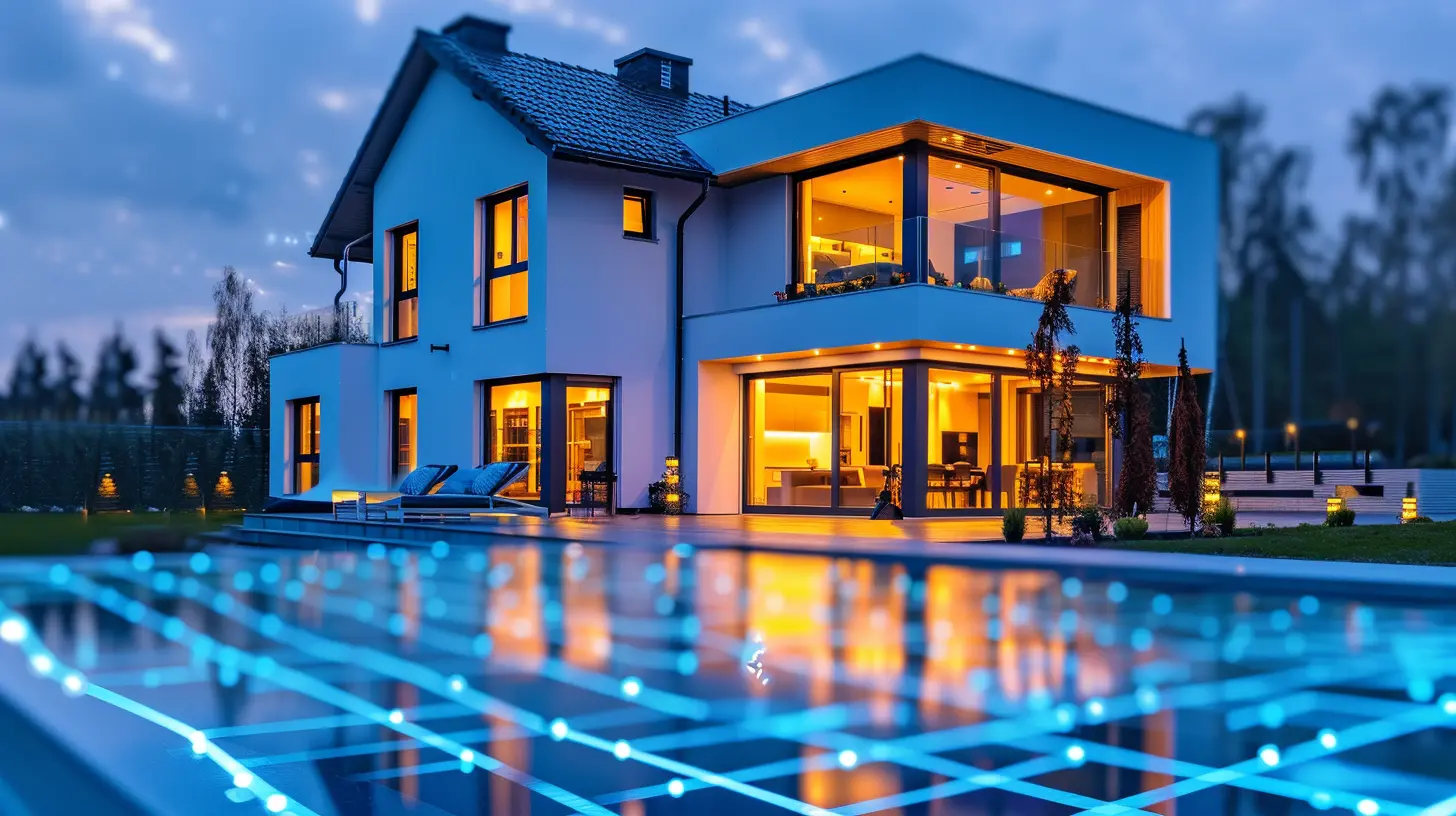
A smart home security system is an advanced security setup that connects to your home Wi-Fi network, allowing you to monitor and control it remotely via a smartphone app. Unlike traditional security systems, smart security systems integrate with other smart devices, providing real-time alerts, automation, and enhanced security features.These systems typically include door and window sensors, motion detectors, security cameras, and smart locks. Many also feature AI-driven capabilities like facial recognition and motion-triggered recordings.
Benefits of a Smart Home Security System
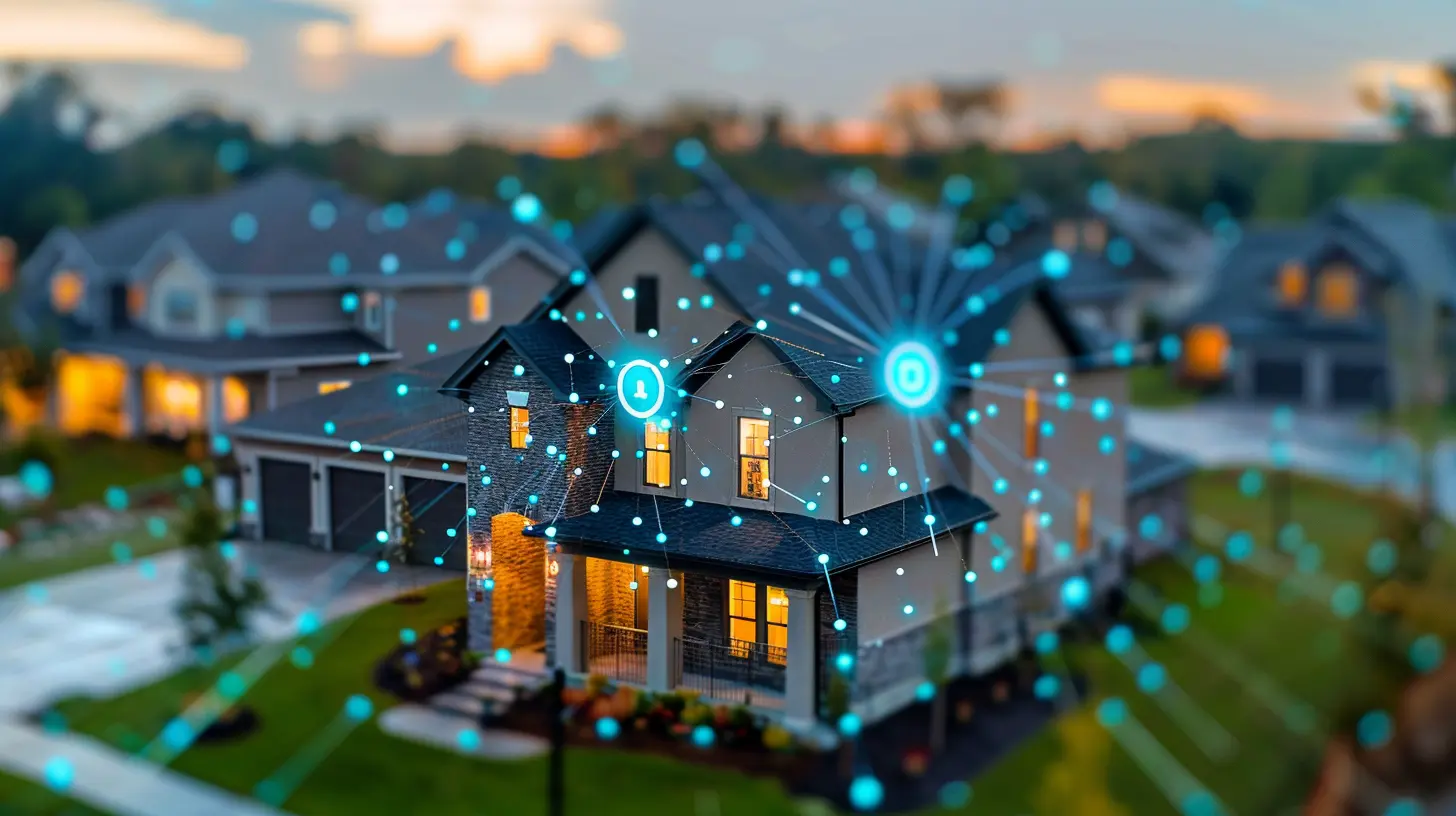
Still on the fence about investing in a smart security system? Here are some undeniable benefits:1. 24/7 Monitoring and Alerts
Smart security systems keep an eye on your home around the clock. If something unusual happens—like a door unexpectedly opening or motion detected in a restricted area—you’ll get an instant notification on your phone.2. Remote Access and Control
One of the biggest perks of a smart security system is remote access. Whether you're at work or on vacation, you can check live camera feeds, lock or unlock doors, and even turn on lights—all from your smartphone.3. Deterrence Against Intruders
Just the sight of outdoor security cameras can deter burglars. Many criminals avoid homes with visible security systems, reducing the risk of break-ins.4. Integration with Other Smart Devices
Smart security systems seamlessly work with other smart home gadgets like smart lighting, smart thermostats, and voice assistants (Alexa, Google Assistant). For instance, you can set your lights to turn on automatically when motion is detected at night.5. Emergency Response Features
Some smart security systems automatically alert emergency services when an intrusion is detected, ensuring a rapid response even when you're not home.
Key Components of a Smart Home Security System
When shopping for a smart security system, you’ll come across a variety of components. Here's a breakdown of the essential ones:1. Smart Cameras
Security cameras are crucial for any security system. Look for models with high-resolution video, night vision, and motion detection. Some even have two-way audio, allowing you to communicate with visitors (or scare off intruders).2. Motion Sensors
Motion sensors detect movement in specific areas of your home. If motion is detected when no one is supposed to be there, the system sends an alert and may trigger an alarm.3. Door and Window Sensors
These sensors are placed on doors and windows to detect when they are opened or breached. They provide an added layer of protection by notifying you if someone tries to enter your home.4. Smart Locks
Smart locks allow you to lock and unlock doors remotely. Some even offer fingerprint recognition or temporary access codes for visitors.5. Alarm Systems
A loud alarm can scare off potential intruders and alert neighbors. Many smart alarm systems also send notifications to your phone and can be silenced remotely.6. Video Doorbells
A video doorbell lets you see and communicate with visitors at your front door, even if you’re not home. It's handy for monitoring deliveries and screening unexpected guests.7. Hub or Control Panel
Some smart security systems require a hub or control panel to connect all devices. Others work independently through Wi-Fi and apps.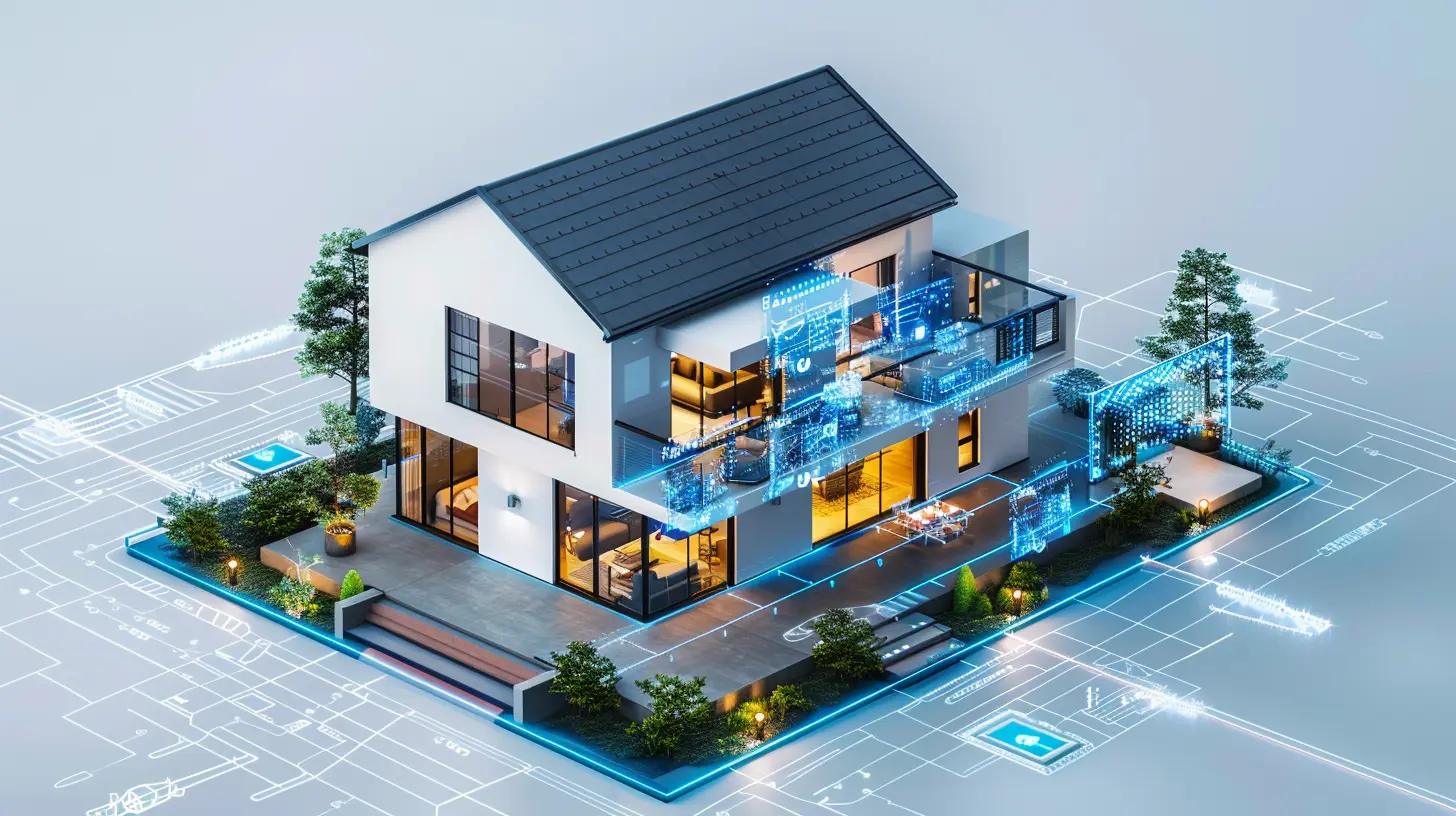
Choosing the Right Smart Security System for Your Home
With so many options available, picking the right system can be overwhelming. Consider these key factors before making a decision:1. DIY vs. Professional Installation
Some systems are easy to install yourself, while others require professional installation. If you’re tech-savvy, a DIY setup will save you money. Otherwise, a professionally installed system ensures everything works seamlessly.2. Monitoring Services
Do you want 24/7 professional monitoring, or are you okay with self-monitoring via a smartphone app? Professional monitoring services come with a monthly fee but provide added security.3. Compatibility with Other Smart Devices
If you already have smart home devices, make sure your security system is compatible with them. You want a system that integrates smoothly with your existing smart ecosystem.4. Subscription Fees
Some security systems require a monthly subscription for cloud storage, AI features, or professional monitoring. Be sure to factor in these costs before committing.5. Expandability
Your security needs may change over time. Choose a system that allows you to add extra sensors, cameras, or smart locks as needed.6. Battery Backup
A power outage shouldn't leave your home unprotected. Look for systems with battery backup features to ensure continuous operation.Are Smart Home Security Systems Worth the Investment?
Absolutely! A smart home security system offers more than just protection; it brings convenience, remote monitoring, and automation into your life. While the initial cost may seem high, the peace of mind and added safety make it a worthwhile investment.
Tips to Enhance Your Smart Home Security
Even the best security system can be vulnerable if not used correctly. Follow these tips to get the most out of your setup:- Use Strong Passwords – Ensure all your security devices are protected by strong, unique passwords to prevent hacking.
- Enable Two-Factor Authentication (2FA) – Add an extra layer of security by enabling 2FA on your security system’s app.
- Regularly Update Firmware – Keep your devices updated to protect against cyber threats and vulnerabilities.
- Secure Your Wi-Fi Network – Use a strong Wi-Fi password and consider setting up a separate network for your smart home devices.
- Position Cameras Strategically – Place cameras in high-risk areas like entry points, garages, and blind spots.
- Be Cautious with Smart Locks – If using smart locks, never share access codes with strangers.
The Future of Smart Home Security
Technology is constantly evolving, and so are smart home security systems. In the near future, we can expect:- AI-driven surveillance – Facial recognition and behavior analysis will improve threat detection.
- More voice control features – Integration with voice assistants will make controlling security systems even easier.
- Advanced automation – Security systems will work seamlessly with other smart devices for a fully automated home.
- Stronger cybersecurity measures – As hacking threats increase, manufacturers will enhance security protocols.
Final Thoughts
A smart home security system isn’t just a luxury—it’s a necessity in today’s world. Whether you’re protecting your home from intruders, monitoring package deliveries, or simply gaining peace of mind, investing in a reliable smart security system is one of the best decisions you can make for your home and family.So, if you haven’t already, now's the time to step up your home security game. After all, when it comes to keeping your loved ones safe, why take chances?
all images in this post were generated using AI tools
Category:
Smart HomesAuthor:

Melanie Kirkland
Discussion
rate this article
2 comments
Jenna McDermott
Forget the doorbell! With smart security, even your toaster can alert you about intruders. Just don't ask it to make breakfast in the chaos!" 🍞🔔
February 4, 2026 at 4:27 AM
Melanie Kirkland
Haha, you’re right! Smart security systems are all about keeping you safe—just make sure your appliances stick to their main functions! 🍞🔒
Zariah McKibben
Investing in smart home security enhances safety and convenience. Stay informed to choose the best system for your needs.
January 22, 2026 at 5:06 AM
Melanie Kirkland
Thank you for your insight! Staying informed is indeed key to choosing the right smart home security system for enhanced safety and convenience.