Sustainability and Energy Efficiency: Buyer Priorities in 2027
22 September 2026
The real estate market of 2027 does not look like the market of 2019, and the difference is not just interest rates or inventory. It is the quiet, relentless shift in what buyers actually care about when they walk through a front door. Sustainability and energy efficiency have moved from the margins of listing descriptions to the center of purchase decisions. This is not a trend driven by ideology alone. It is driven by math, risk, comfort, and the growing cost of ignoring how a home performs.
If you are buying, selling, or advising in this market, you need to understand why this shift happened, what buyers are truly prioritizing, and how to separate genuine value from marketing noise. This article breaks it down with the depth the topic deserves.

Why 2027 Is a Turning Point, Not a Fad
For years, energy efficiency was treated as a nice bonus. A new furnace or better insulation might help a home sell slightly faster, but it rarely changed the price in a meaningful way. That dynamic has flipped. Several forces converged to make building performance a primary driver of value.First, the cost of energy has become less predictable. Homeowners who locked in low utility bills a decade ago now face volatility that makes a fixed-rate mortgage look like the only stable number in their budget. Buyers have learned to ask for utility history before making an offer, and sellers who cannot produce reasonable numbers are seeing their leverage erode.
Second, insurance and lending practices have started to reflect climate and resilience risk. In some regions, premiums and even loan terms now hinge on whether a property meets certain standards. This is not universal, and it varies widely by location, but the direction is clear. A home that cannot demonstrate resilience or efficiency is becoming harder and more expensive to finance.
Third, buyer demographics have changed. Younger buyers who grew up with real-time data on everything expect transparency about how a home performs. They want to know the energy score, the water usage, the air quality, and the expected maintenance timeline. Vague assurances no longer satisfy them.
Fourth, technology has made efficiency visible and measurable. Smart meters, home energy monitors, and standardized scoring systems mean a home's performance can be quantified in ways that were impossible twenty years ago. When something can be measured, it can be compared, and when it can be compared, it influences price.
The result is a market where sustainability is not a philosophical preference. It is a practical filter.
What Buyers Actually Mean by Sustainability
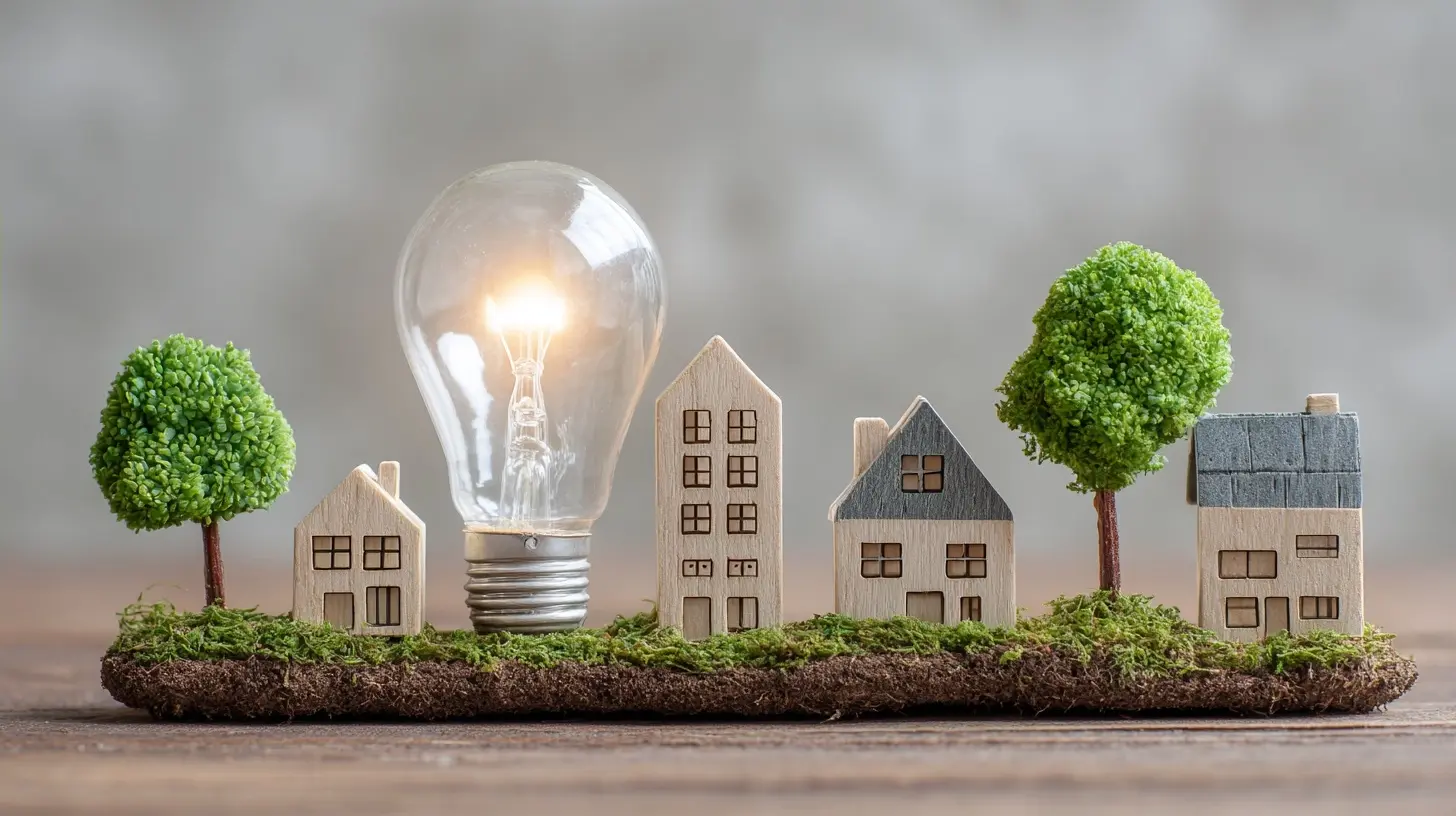
Here is where confusion creeps in. Ask ten buyers what sustainability means and you will get ten different answers. Some mean low utility bills. Some mean healthy indoor air. Some mean a home that will not flood. Some mean materials that do not off-gas. Some mean a property that holds value as regulations tighten.Understanding these distinctions matters because they lead to different purchase decisions. A buyer focused on operating cost will prioritize insulation, windows, and HVAC efficiency. A buyer focused on resilience will prioritize drainage, roof condition, and backup power. A buyer focused on health will prioritize ventilation, moisture control, and low-emission finishes.
The smartest buyers in 2027 are not chasing a single label. They are evaluating a bundle of performance characteristics and asking which ones matter most for their lifestyle, their budget, and their risk tolerance.
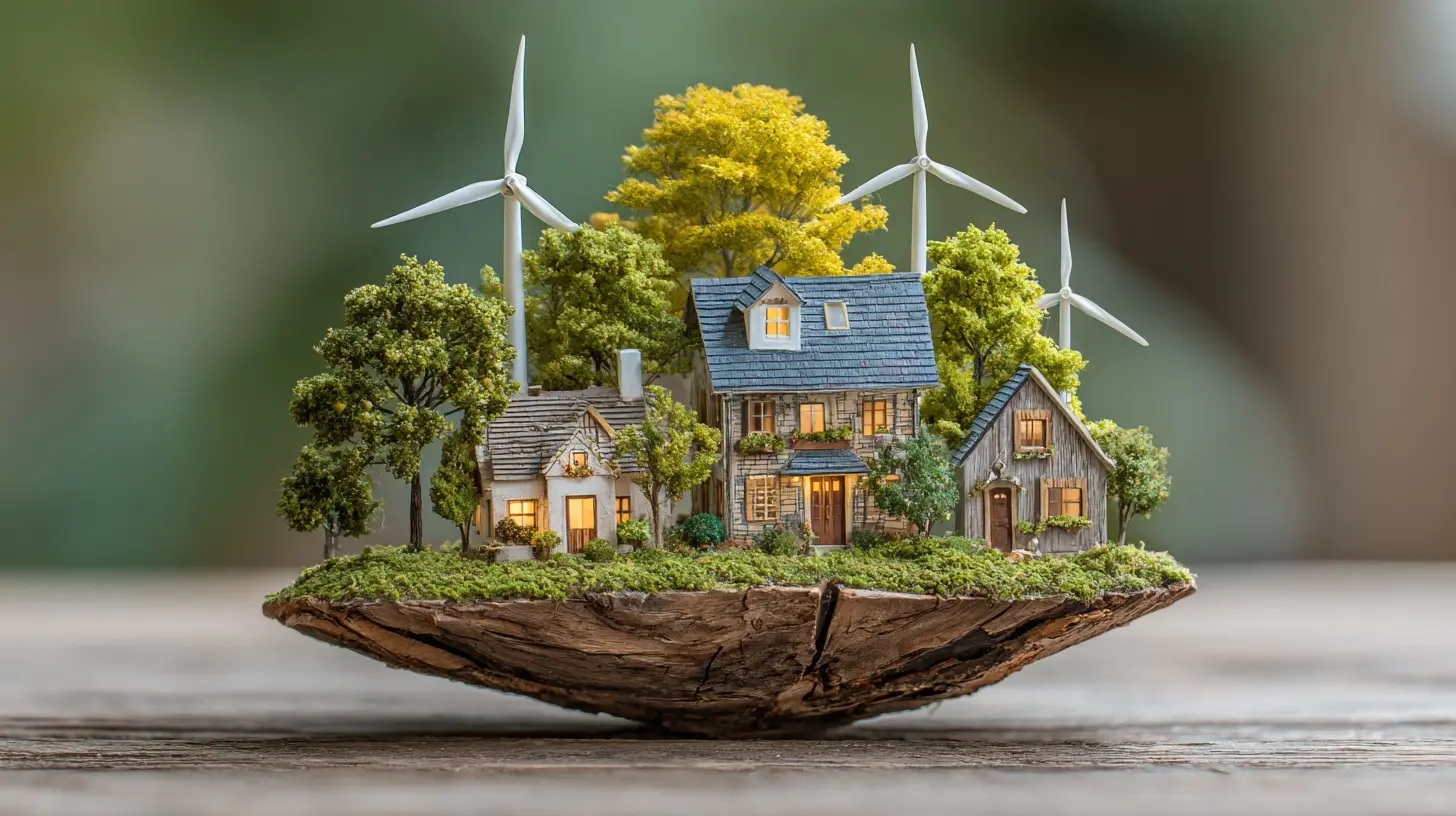
The New Hierarchy of Buyer Priorities
Based on patterns emerging in buyer behavior and advisory conversations, priorities tend to fall into a rough hierarchy. This is not a rigid ranking, but it reflects how most buyers weigh trade-offs when money is limited.1. Operating Cost Predictability
The single most universal concern is what the home will cost to run. Buyers want to avoid the scenario where they stretch to afford the mortgage and then get blindsided by a four-hundred-dollar winter utility bill. Homes with documented low operating costs command attention because they reduce monthly uncertainty.This is why energy scores, utility histories, and verified efficiency upgrades carry real weight. They answer the question every buyer asks silently: can I actually afford to live here?
2. Resilience and Risk Reduction
In markets affected by flooding, wildfire, extreme heat, or severe storms, resilience has become non-negotiable. Buyers are not just looking at whether a home is efficient. They are looking at whether it will survive the next decade without catastrophic loss or uninsurable risk.Features that signal resilience include proper grading and drainage, impact-rated roofing, fire-resistant siding, backup power systems, and thoughtful landscaping. These are not glamorous upgrades, but they can be the difference between a home that holds value and one that becomes a liability.
3. Health and Indoor Environmental Quality
The pandemic permanently changed how buyers think about indoor air. Ventilation systems, filtration, moisture management, and low-VOC materials are now part of the conversation. Buyers with allergies, asthma, or young children often rank these concerns above raw energy savings.This creates an interesting trade-off. A tightly sealed, highly efficient home can trap pollutants if ventilation is inadequate. The best-performing homes balance efficiency with fresh air exchange, and buyers are starting to understand that balance.
4. Future-Proofing Against Regulation
Some buyers are thinking ahead to stricter building codes, appliance standards, and disclosure requirements. They want a home that will not require costly retrofits in five years. This is especially true for buyers planning to hold long term.A home with outdated systems may look like a bargain today, but it can become a money pit when regulations or market expectations shift. Savvy buyers price that risk into their offers.
5. Values Alignment
For a segment of buyers, sustainability is also about personal values. They want to reduce their environmental footprint and support practices they believe in. This group is often willing to pay a premium for verified green certifications, renewable energy systems, and responsible materials.It is important not to overstate this segment's size, but it is equally important not to dismiss it. In certain markets and price points, values-driven buyers set the tone for what sells.

Energy Efficiency: Reading the Signals Correctly
Buyers often struggle to evaluate efficiency because the signals are noisy. A shiny new appliance does not mean the home performs well. A "green" label does not guarantee low bills. Here is how to cut through the noise.Look at the Building Envelope First
The envelope includes walls, roof, windows, doors, and foundation. It is the barrier between inside and outside. If the envelope is poor, no amount of high-efficiency equipment will fully compensate. Heat will escape in winter and infiltrate in summer, and the HVAC system will work overtime.Buyers should ask about insulation levels, air sealing, window glazing, and roof condition. These are expensive to fix and easy to overlook. A home with a mediocre furnace but an excellent envelope will often outperform a home with a top-tier furnace and a leaky shell.
Understand Equipment Age and Type
HVAC systems, water heaters, and appliances have finite lifespans. A home with systems near the end of their life may look efficient on paper but will soon require major capital outlays. Buyers should ask for installation dates, service records, and warranty details.Heat pumps deserve special mention. They have become increasingly common and capable, and they can deliver strong efficiency in many climates. However, performance varies by climate and installation quality. A poorly sized or poorly installed heat pump can disappoint, while a well-designed system can dramatically cut operating costs.
Verify, Do Not Assume
Certifications and labels can be useful, but they are not all equal. Some focus on energy, some on materials, some on overall environmental impact. Buyers should understand what a given certification actually measures and whether it aligns with their priorities.Third-party verification matters. A claim that has been independently tested carries more weight than a marketing brochure. When in doubt, ask for documentation.
The Solar Question: Nuance Over Hype
Rooftop solar is one of the most visible symbols of sustainability, and it is also one of the most misunderstood. Buyers need to think carefully before treating solar as a guaranteed win.When Solar Makes Sense
Solar tends to work best when the roof is in good condition, the home has decent baseline efficiency, local utility rates are high, and net metering or similar programs offer fair compensation for excess power. In these conditions, solar can reduce bills meaningfully and add resale appeal.When Solar Becomes a Complication
Solar can become a problem when the roof needs replacement soon, when the system is leased rather than owned, when local policies have changed unfavorably, or when the system was undersized or poorly installed. Buyers sometimes inherit lease obligations they did not fully understand, which can complicate financing and negotiation.The key is to look past the panels and examine the contract, the production history, the remaining warranty, and the roof underneath. Solar is a tool, not a talisman.
Common Mistakes Buyers Make
Even informed buyers stumble. These are the mistakes that show up again and again.Mistake 1: Focusing on Labels Instead of Performance
A certification is a starting point, not a conclusion. Buyers who buy the label without checking actual utility data or system condition sometimes end up disappointed.Mistake 2: Ignoring the Envelope
New appliances are visible and satisfying. Insulation and air sealing are hidden and boring. But the hidden work drives the results.Mistake 3: Underestimating Maintenance
Efficiency features require upkeep. Filters need changing, ventilation systems need balancing, solar panels need cleaning, and heat pumps need servicing. Buyers who ignore maintenance costs overestimate their savings.Mistake 4: Assuming Green Means Cheap
Sustainable homes can be more expensive upfront. The payoff comes through lower operating costs, better comfort, and potentially stronger resale value. Buyers who expect immediate savings may be frustrated.Mistake 5: Overlooking Location and Resilience
A highly efficient home in a flood zone is still a flood risk. Efficiency does not cancel out location-based hazards. Buyers need to evaluate both.Trade-Offs Every Buyer Should Weigh
Sustainability decisions rarely come free. Here are the trade-offs that matter most.Upfront Cost Versus Long-Term Savings
High-performance upgrades cost more today. The question is how long you plan to stay and how much you value predictable monthly costs. If you plan to move in two years, you may not recoup the investment. If you plan to stay for fifteen, the math often favors efficiency.Efficiency Versus Ventilation
Sealing a home tightly improves efficiency but can reduce air quality if fresh air is not managed. Balanced ventilation systems solve this, but they add cost and complexity. Buyers should prioritize homes where these systems are properly designed and maintained.Technology Versus Simplicity
Smart home systems can optimize energy use, but they can also introduce failure points and obsolescence. Some buyers love the control. Others prefer robust, low-tech solutions that are easy to repair. Neither approach is wrong, but they suit different people.Personal Values Versus Market Reality
A buyer may want the greenest possible home, but the local market may not reward that premium at resale. Understanding your local market's appetite for sustainability features helps you avoid overpaying for benefits you cannot recover.
What Sellers Should Understand
If you are selling in 2027, sustainability is no longer a niche marketing angle. It is part of the main story.Document Everything
Utility bills, service records, warranty documents, and improvement receipts are gold. They transform vague claims into verifiable facts. Buyers trust documentation more than adjectives.Fix the Cheap Stuff First
Air sealing, weatherstripping, and insulation upgrades are relatively inexpensive and can improve performance noticeably. These small wins make a home easier to market and often pay for themselves quickly.Be Honest About Limitations
If your home has an older furnace or a roof nearing replacement, disclose it. Buyers respect transparency, and hiding problems leads to failed negotiations and lost trust.Target the Right Buyers
Not every buyer cares equally about efficiency. Marketing a modest home as an eco-paradise can backfire. Instead, highlight the practical benefits: lower bills, better comfort, healthier air, and reduced maintenance surprises.How to Evaluate a Home's Sustainability in Practice
Here is a practical checklist buyers can use during showings and inspections.1. Ask for the last twelve months of utility bills. Compare them to similar homes in the area.
2. Check the age and condition of the roof, HVAC, water heater, and windows.
3. Look for signs of moisture problems, poor drainage, or air leaks around doors and windows.
4. Ask about insulation levels in the attic, walls, and crawlspace.
5. Inquire about ventilation, especially if the home has been tightly sealed.
6. Review any solar agreements carefully, including ownership, lease terms, and production history.
7. Check for resilience features relevant to your region, such as sump pumps, backwater valves, or fire-resistant landscaping.
8. Confirm what certifications actually cover and whether they were third-party verified.
9. Budget for maintenance and eventual replacement of major systems.
10. Consider how long you plan to stay and whether the efficiency investment aligns with your timeline.
Best Practices for Buyers Who Want Real Value
The buyers who get the most value are not the ones who chase every green trend. They are the ones who think clearly about their priorities and act on evidence.Start with a budget that includes not just the purchase price but the cost of ownership. A cheaper home with high operating costs can be more expensive over time than a pricier home with low costs.
Prioritize the envelope. It is the hardest and most expensive thing to fix later, and it affects everything else.
Verify claims with documentation. Ask questions. Get inspections from professionals who understand building performance, not just general condition.
Think about resilience alongside efficiency. A home that is efficient but vulnerable to natural hazards is not truly sustainable.
Stay flexible. The perfect home rarely exists. The goal is to find a home whose strengths align with your priorities and whose weaknesses you can manage.
The Bottom Line
In 2027, sustainability and energy efficiency are not abstract ideals. They are practical factors that shape monthly costs, comfort, health, resilience, and resale value. Buyers who understand this are making better decisions and negotiating from a position of knowledge. Sellers who embrace it are attracting serious offers and avoiding surprises.The market rewards clarity. Know what you value, verify what you are buying, and plan for the long term. That is how you turn a home purchase into a durable asset rather than a recurring expense.
all images in this post were generated using AI tools
Category:
Real Estate ForecastAuthor:

Melanie Kirkland
Discussion
rate this article
1 comments
Nyari Porter
Sustainability and energy efficiency will shape future real estate decisions.
September 22, 2026 at 4:47 AM