The Allure of Suburban Living: Why Homebuyers Are Flocking to the Outskirts
16 January 2026
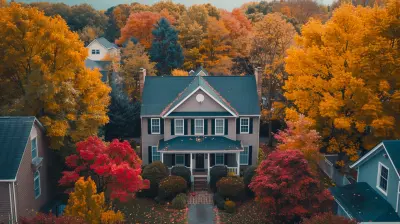
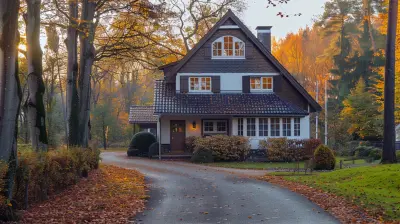
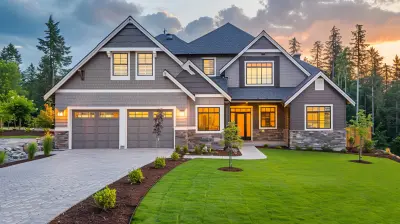
In recent years, suburban living has seen a massive resurgence. More and more homebuyers are swapping the hustle and bustle of city life for the charm and tranquility of the suburbs. But what’s behind this shift? Why are people trading in their city apartments for picket-fenced houses on the outskirts? Well, let’s dive into the many reasons why the suburbs have become the ultimate dream for homebuyers.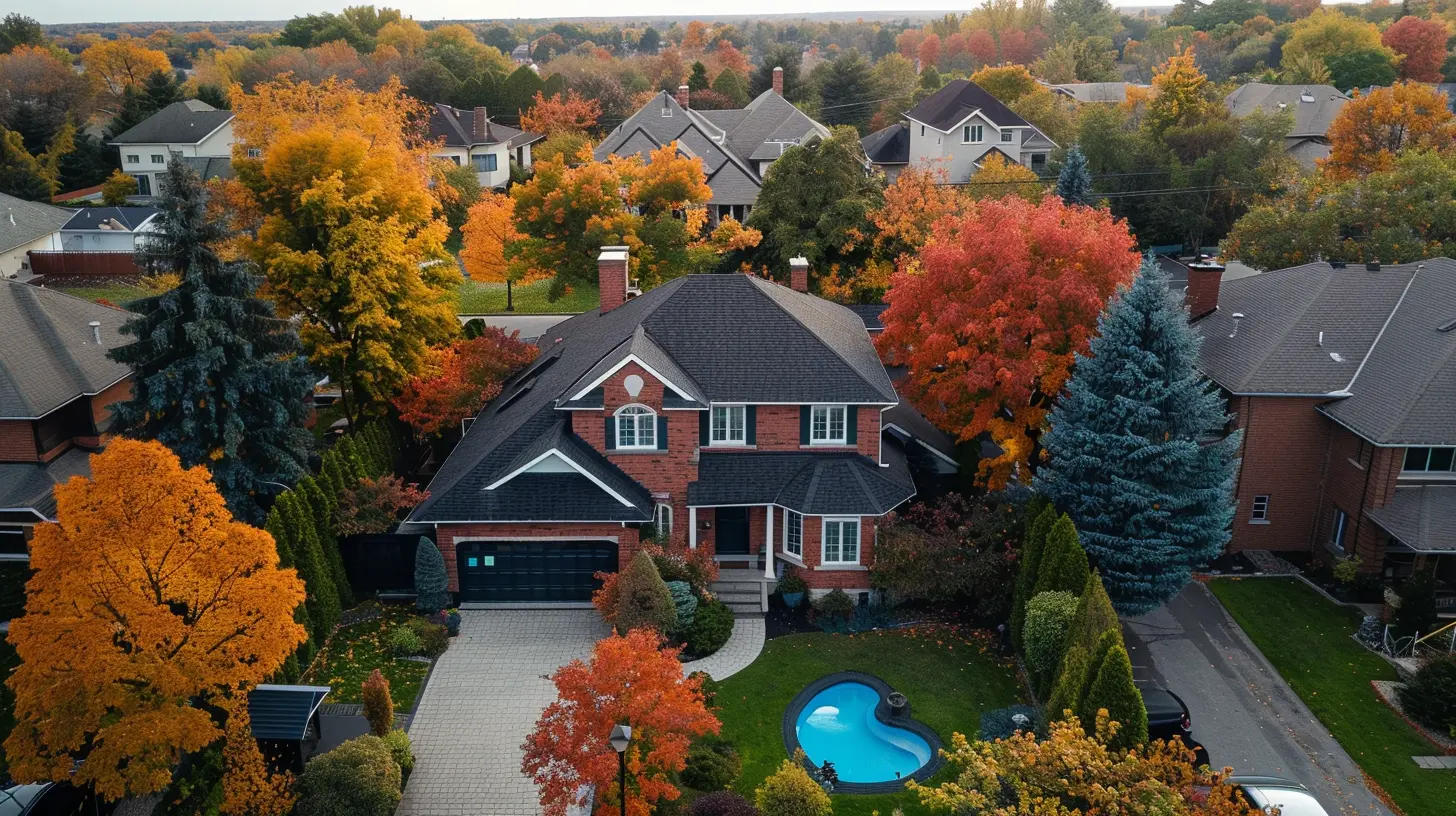
1. The Appeal of More Space and Privacy
One of the most obvious reasons people are moving to the suburbs is simple—space. City living often means squeezing into tiny apartments, dealing with nosy neighbors, and having little-to-no yard space. But in the suburbs? You get more room to breathe.Think about it—who wouldn’t want a spacious backyard for weekend BBQs or a home office that isn't also a cramped corner of the living room? Whether it's front porches, backyards, or larger square footage inside, suburban homes offer a level of freedom that city dwellers can only dream of.
Plus, there’s privacy. No more sharing walls with loud neighbors or hearing every footstep from the apartment above. Suburban homes provide the peace and quiet we all secretly crave.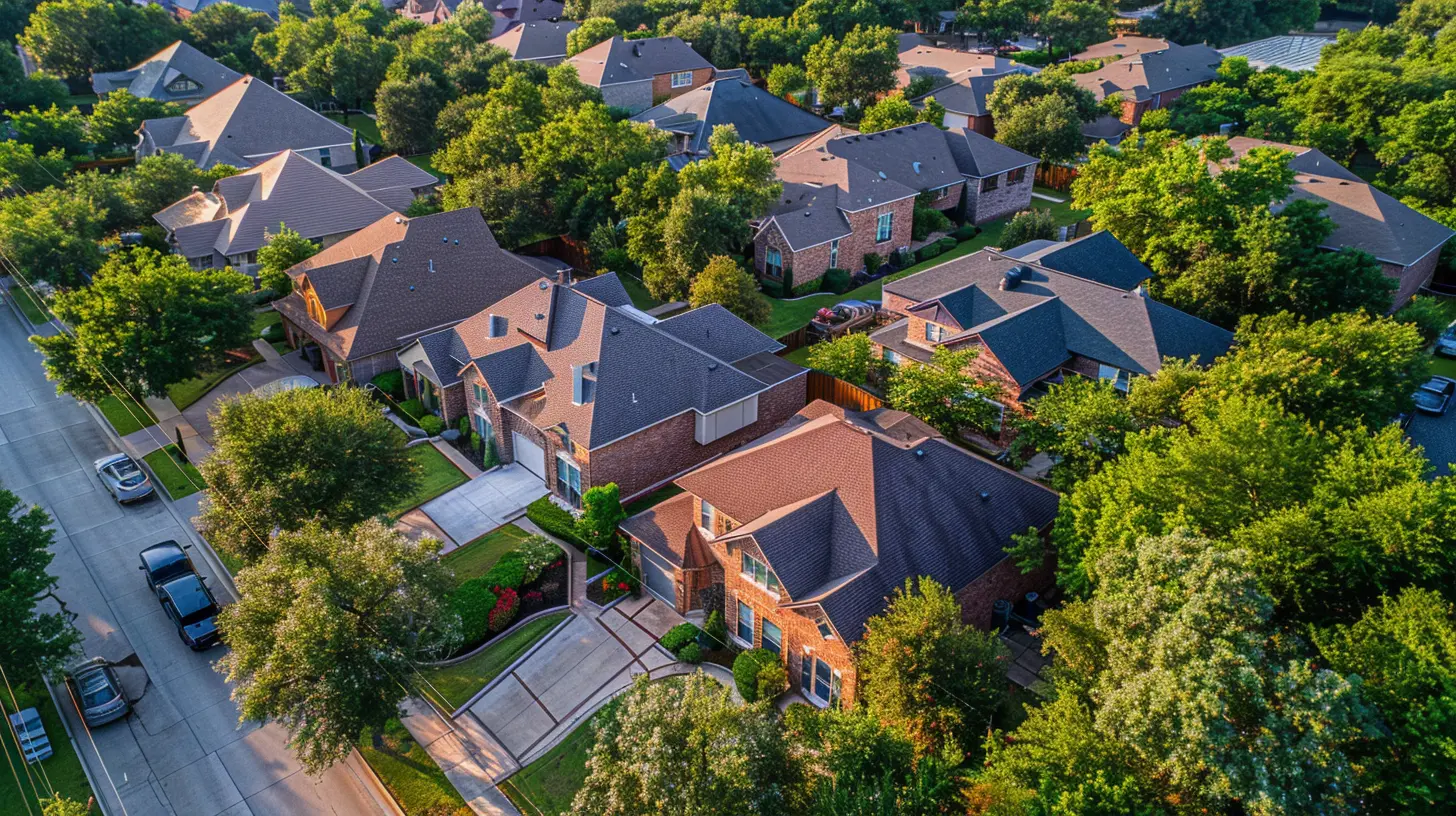
2. The Cost Factor: More Bang for Your Buck
Let’s talk finances. Owning property in a city can cost a small fortune, and for what? A tiny apartment that barely fits your furniture? In the suburbs, homebuyers can often get much more for their money.Take the price of a one-bedroom city apartment and compare it to what that same budget can get in the suburbs. A sprawling three-bedroom house with a backyard, garage, and maybe even a deck? Sounds like a no-brainer.
Lower property taxes and overall living costs also make the suburbs an attractive option. Groceries, dining, entertainment—everything tends to cost less the further you move from the city center.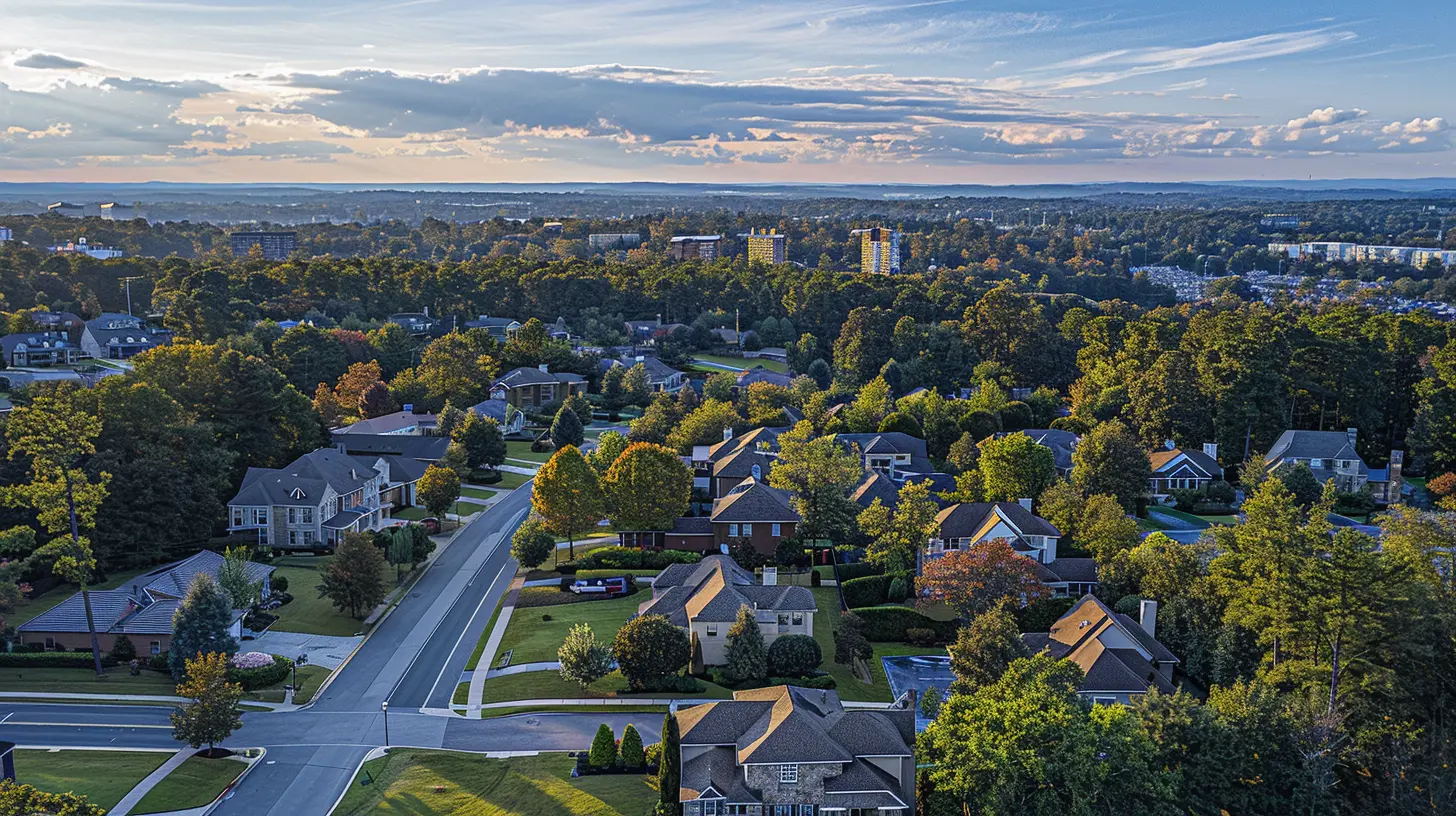
3. A Better Quality of Life
Beyond affordability, suburban life offers a healthier and more balanced lifestyle.- Less Stress: Let’s be honest, city life is stressful. The traffic, the noise, the constant crowds—it can be overwhelming. The suburbs provide a slower pace, offering a much-needed escape from the daily grind.
- More Green Space: Parks, hiking trails, and open fields are far more common outside the city. It’s no surprise that greenery is linked to reduced stress and improved mental well-being.
- Cleaner Air: Fewer cars, less pollution, and a lower population density all contribute to better air quality—something city dwellers don’t always realize they’re missing.
Need to go for a morning jog? In the suburbs, you're not dodging pedestrians or inhaling exhaust fumes. It’s just you, the fresh air, and maybe a few chirping birds.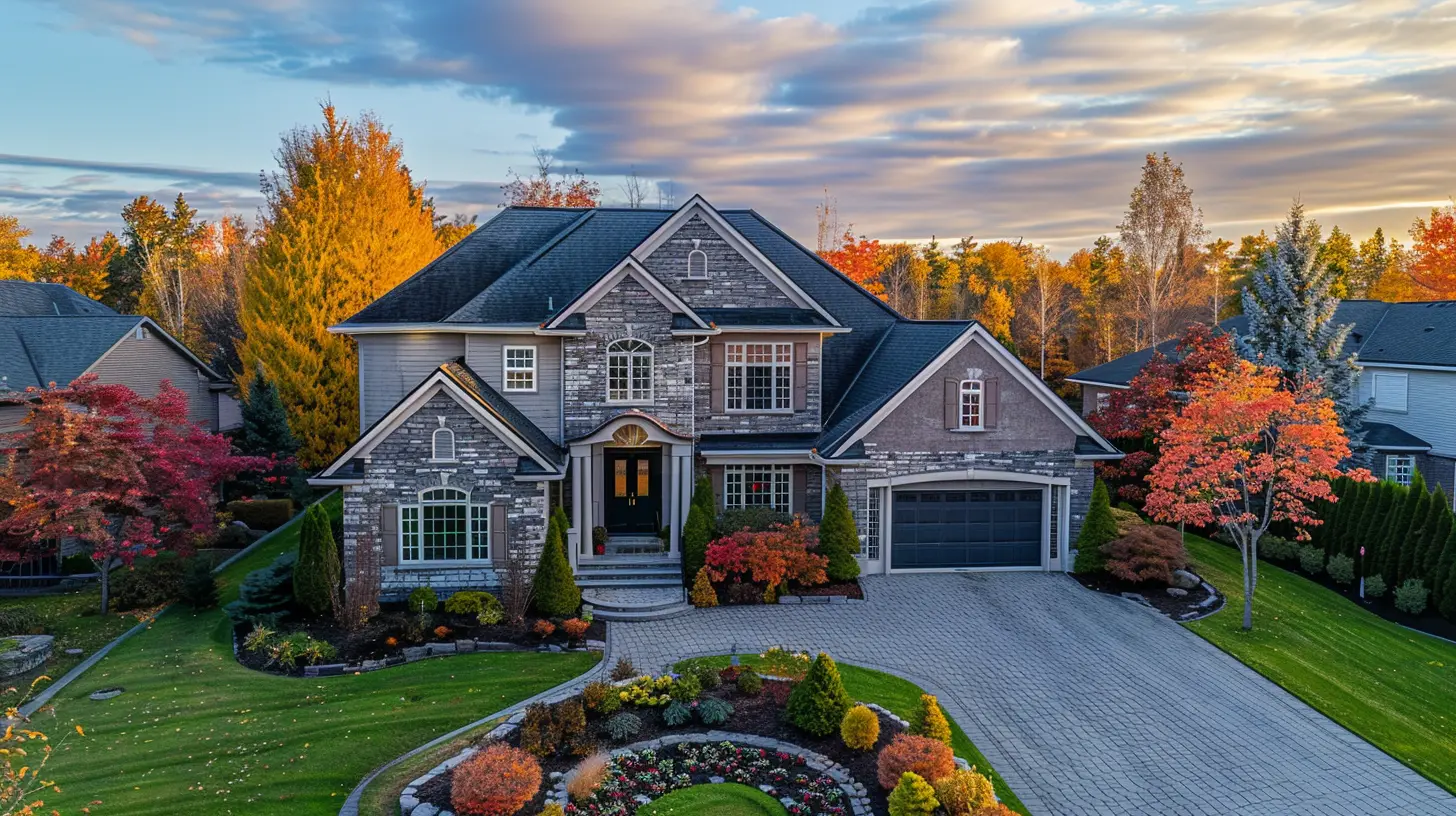
4. A Safer Environment
Safety is a major factor for many homebuyers, especially families. Crime rates in suburban areas tend to be significantly lower compared to big cities.For parents, raising children in a safe, family-friendly community is a top priority. Suburbs often offer well-lit streets, friendly neighbors, and a sense of security that can be hard to find in urban environments.
Many suburban neighborhoods also have close-knit communities where people actually know their neighbors—something that’s becoming increasingly rare in fast-paced city life.
5. Better Schools and Educational Opportunities
For families with kids (or those planning to have them), the quality of local schools is a crucial factor when buying a home. The suburbs often have some of the best public school systems, with higher ratings, better funding, and smaller class sizes compared to city schools.Private and charter schools are also more accessible, giving parents a wider range of educational options. Plus, with lower crime rates and safer environments, kids can simply be kids—riding bikes, playing in the yard, and experiencing a childhood free from big-city chaos.
6. The Rise of Remote Work & Flexible Lifestyles
Gone are the days when people had to live close to the office. The rise of remote work has completely changed the game.More professionals are realizing they no longer need to endure long commutes or pay sky-high rents to be near their workplace. Instead, they can work from home in a spacious suburban house, setting up a dedicated office space without sacrificing comfort.
Companies are also embracing flexible work arrangements, allowing employees to only visit the office occasionally. This newfound freedom has given homebuyers the confidence to move to the suburbs without worrying about daily commutes.
7. The Sense of Community & Belonging
There’s something special about suburban neighborhoods—the sense of community is stronger.In cities, people often lead isolated lives, barely acknowledging their neighbors. In contrast, suburban areas tend to be more communal. Block parties, neighborhood gatherings, and friendly chats over the fence are common.
This fosters a sense of belonging, making it easier to form lasting friendships and connections. It’s the kind of warmth that turns a house into a home.
8. Customization & Homeownership Perks
Owning a home in the suburbs gives you more freedom to make it your own. In city apartments, your decorating choices are often limited. Want to paint the walls? Might need your landlord’s approval. Thinking of a renovation? Not an option.In the suburbs, homeowners can fully customize their property—whether it’s adding a deck, building a pool, or designing the dream kitchen they’ve always wanted. The possibilities are endless.
Plus, homeownership in the suburbs often means a better long-term investment. Property values in suburban areas tend to appreciate steadily, making it a financially sound decision.
9. Easier & More Convenient Living
Daily errands in the city can feel like a never-ending hassle. Parking is a nightmare, grocery shopping requires strategic planning, and even simple tasks take longer because of crowds.Suburban areas, on the other hand, are designed for convenience. Shopping centers, supermarkets, and essential services are all within easy reach. Parking? Plenty of it. Need to make a quick trip to the store? No problem.
For families, this convenience is a game-changer. Running errands with kids in tow can be stressful enough—why make it harder with city logistics?
10. The Perfect Balance Between City & Country Life
Many suburbs strike the ideal balance between urban accessibility and rural tranquility. You’re not too far from the city when you need it, but also far enough to enjoy peace and quiet.With easy access to restaurants, shopping centers, entertainment, and even public transport, suburban living doesn’t mean completely cutting ties with city life. It’s the best of both worlds.
Conclusion: The Future Belongs to the Suburbs
The shift towards suburban living isn’t just a trend—it’s a movement. With affordability, space, safety, and quality of life all playing key roles, it’s easy to see why more homebuyers are making the transition.Whether you’re a young professional looking for more room, a growing family in search of a safe community, or a remote worker embracing a more flexible lifestyle, the suburbs have something for everyone.
So, will the suburbs continue to win over homebuyers in the coming years? If current trends are any indication, the answer is a resounding yes.
all images in this post were generated using AI tools
Category:
Suburban HomesAuthor:

Melanie Kirkland
Discussion
rate this article
2 comments
Drew Peterson
Suburbs: Where the grass is greener and Wi-Fi stronger!
January 28, 2026 at 11:51 AM
Melanie Kirkland
Absolutely! Suburban living offers both a vibrant community and the comforts of modern connectivity.
Kira Cruz
Suburbs: where spacious lawns beat cramped city life any day!
January 16, 2026 at 5:31 AM
Melanie Kirkland
Absolutely! The appeal of spacious lawns and a quieter lifestyle is a big draw for many homebuyers seeking balance away from city hustle.