The Future of Real Estate Networking in 2026
1 May 2026
Remember that old saying: "It's not what you know, it's who you know"? Well, in real estate, it's always been both. But the way we connect with those "who's" is changing faster than a seller's market in a boomtown. If you're still relying solely on stack of business cards from 2019 and hoping the local chamber of commerce lunch pays off, you might want to sit down. Let's talk about where real estate networking is heading in 2026.
Why Traditional Networking Feels Like a Rotary Phone
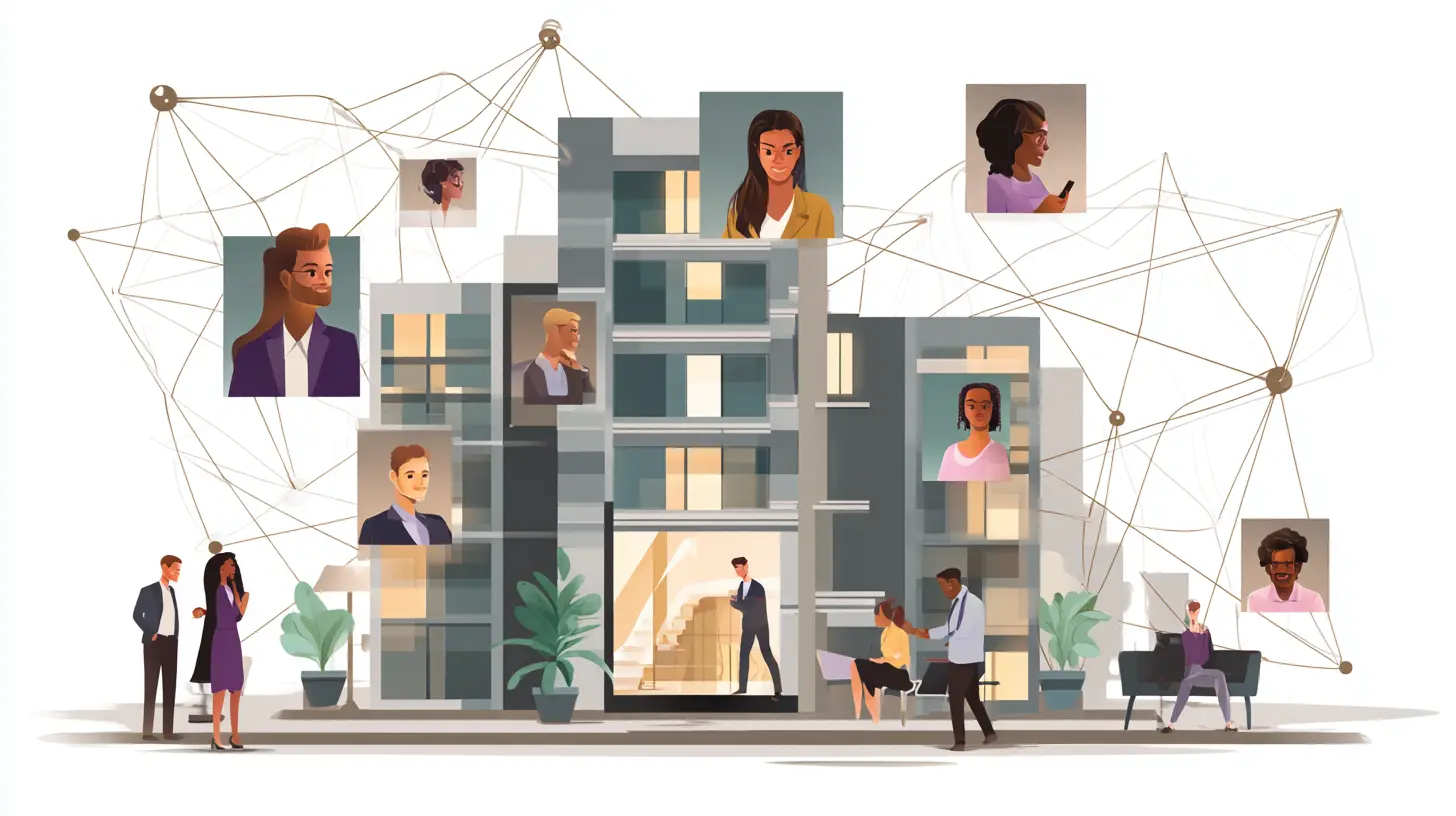
Let's be honest. How many times have you stood in a hotel ballroom, holding a lukewarm cup of coffee, exchanging pleasantries with someone whose name you'll forget by the time you hit the parking lot? It's exhausting. And frankly, it's becoming less effective by the day.The old model was built on scarcity. You had limited ways to meet people, so you showed up, shook hands, and hoped for the best. But in 2026, the game has flipped. Information is abundant. Attention is scarce. And the people you want to connect with are drowning in noise. They don't want another sales pitch over a wilted salad. They want real value, delivered in a way that respects their time and their brain.
So what does the new networking landscape look like? It's not about replacing human connection. It's about upgrading it.
The Rise of Hyper-Local Digital Communities
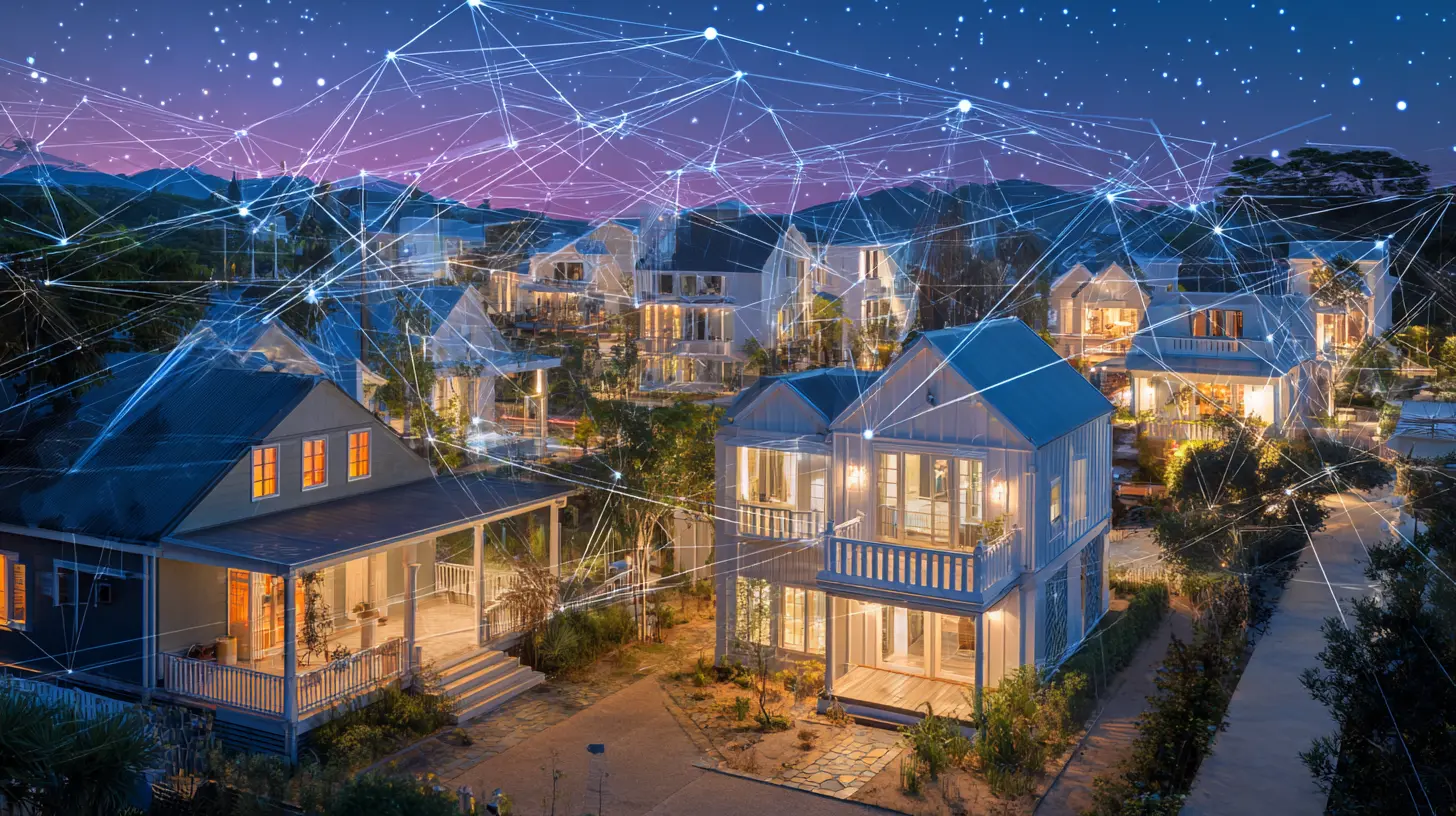
Here's a prediction that might sting a little: the big national real estate conferences are going to feel like dinosaur conventions by 2026. Not extinct, but definitely slow and lumbering. What's replacing them? Hyper-local digital communities that actually function like neighborhoods.Think about it. When you need a plumber, you ask your neighbors on the local Facebook group or Nextdoor. The same principle is taking over professional networking. Instead of joining "Real Estate Investors of America," you'll be in "Denver Multifamily Investors and Coffee Lovers" or "Austin First-Time Homebuyer Specialists Who Also Hike."
These groups aren't just for leads. They're for problem-solving. A title officer in your zip code can answer a closing question in five minutes. A local contractor can tell you which foundation issues are deal-breakers in your specific soil type. That kind of granular, immediate help beats a generic webinar every single time.
Why does this work? Because proximity builds trust. And trust is the only currency that matters in real estate. In 2026, your network won't be measured by how many LinkedIn connections you have. It will be measured by how many people in your actual market would pick up the phone at 9 PM on a Friday.

Video Networking Isn't Just a Trend, It's the New Handshake
I know, I know. Everyone is tired of Zoom. But here's the twist: video networking in 2026 won't look like a stiff, scheduled call where you stare at your own face for an hour. It's going to be asynchronous, casual, and built into your daily workflow.Imagine this. You find a property that needs some work. Instead of emailing three contractors and waiting days for a reply, you record a quick 90-second walkthrough video. You post it to a private network of vetted pros in your city. Within an hour, you have comments, estimates, and even a referral for a lender who specializes in renovation loans.
That's the future. Short, authentic video updates that feel like you're talking to a friend, not broadcasting to an audience. The agents who thrive in 2026 will be the ones who are comfortable being themselves on camera, even if it's messy. Because messy is human. And humans trust humans.
A quick analogy: Think of your network like a garden. Old networking was like planting seeds in a field and hoping the rain came. New networking is like building a greenhouse with smart irrigation. You control the environment. You water the right plants. You pull the weeds (the time-wasters). And you get a harvest you can actually depend on.
The Death of the Cold DM and the Birth of Value-First Outreach
Let's talk about something that needs to die: the cold direct message. You know the one. "Hey [Name], I saw you just listed your home. I have a buyer looking in that area. Want to chat?" Everyone sends that. Everyone ignores it.By 2026, that approach will be not just ineffective, but damaging to your reputation. The new rule is simple: give before you get. And I mean genuinely give, not just pretend to give so you can ask for something later.
Here's how it works in practice. You find a local real estate attorney on Instagram who posts about contract law. Instead of sending a pitch, you comment on their post with a thoughtful observation. You share one of their articles in your own story, tagging them with a compliment. You send them a potential client referral without being asked. You build a relationship over weeks and months, not minutes.
When you finally need their help on a tricky closing, they already know you. They already like you. And they're far more likely to go the extra mile.
Does this take more time? Yes. But it also works better. Because in 2026, everyone is busy. No one has time for transactional relationships. They want relational ones that feel good and actually deliver value.
AI as Your Networking Wingman, Not Your Replacement
There's a lot of fear about AI taking over real estate jobs. Let me put that fear to rest. AI isn't going to replace your handshake. But it will make your handshake more powerful.In 2026, the best networkers will use AI tools to do the boring stuff so they can focus on the human stuff. Think of AI as your personal assistant who never sleeps. It can analyze your contact list and tell you who you haven't spoken to in six months. It can remind you that your favorite mortgage broker's kid just won a soccer championship. It can even draft a personalized message that sounds like you, not a robot.
But here's the key: you still have to hit send. You still have to make the call. You still have to show up to the coffee meeting. AI can open the door, but only you can walk through it.
The agents who resist AI will be like a carpenter who refuses to use a power saw. Sure, you can do the work with a handsaw. But you'll be slower, more tired, and less competitive. The agents who embrace AI as a tool, not a crutch, will build networks that are wider, deeper, and more responsive.
Networking Events Get Reimagined as Experience-Based Gatherings
Let's circle back to those hotel ballrooms for a second. They're not going away entirely. But they're going to change. The "networking event" of 2026 won't be a lecture followed by awkward mingling. It will be an experience.Picture this: a "Real Estate Hike and Talk" where you walk a trail with 15 other agents, lenders, and investors. You're moving, you're breathing fresh air, and you're having real conversations without the pressure of eye contact. Or a "Property Scavenger Hunt" where teams of professionals compete to find the best hidden-gem listings in a neighborhood. Or a "Cook-Off for a Cause" where you make chili next to a title company owner.
These events work because they lower the social guard. When you're doing something fun or challenging together, you skip the small talk and go straight to real connection. You remember the person who helped you find the last clue, not the person who handed you a business card in a lobby.
The metaphor that fits: Old networking was like speed dating. New networking is like a pottery class. You get your hands dirty, you make something together, and you walk away with a relationship that has substance.
The Role of Reputation Systems and Trust Scores
Here's a slightly uncomfortable truth. By 2026, your professional reputation will be more transparent than ever. Think about how Uber and Airbnb use ratings. That same concept is coming to real estate networking in a big way.Platforms will emerge that allow professionals to rate and review each other after interactions. Did that inspector show up on time? Did that agent ghost you after a deal fell through? Was that investor fair in negotiations? This information will be visible to your network.
At first, this sounds scary. But think about the upside. If you consistently deliver value and treat people well, your "trust score" will be a powerful asset. It will be easier to find reliable partners and harder for bad actors to hide. In a world where trust is everything, a verified reputation will open doors that a cold call never could.
Your job in 2026 is to build a reputation so solid that your network becomes your best marketing tool. When someone needs a referral, your name comes up naturally. Not because you asked. Because you earned it.
How to Start Preparing for 2026 Right Now
You don't have to wait for the future to arrive. You can start building your 2026 network today. Here are a few practical steps that won't cost you a dime, just a shift in mindset.First, audit your current network. Go through your phone contacts and LinkedIn connections. Who have you not spoken to in over a year? Send them a message that has nothing to do with business. Ask how their family is. Share a memory. Rekindle the human connection.
Second, pick one hyper-local online community and become a genuine contributor. Answer questions. Share useful information. Celebrate other people's wins. Do this for three months without asking for anything in return. You will be amazed at the opportunities that come back to you.
Third, get comfortable with short-form video. You don't need a fancy setup. Just use your phone. Record a 60-second tip about your market and share it in a private group or with a few colleagues. The more you do it, the easier it gets. And the easier it gets, the more people will want to connect with you.
Fourth, find one AI tool that helps you stay organized. Maybe it's a CRM that sends you reminders. Maybe it's a scheduling app that makes it easy for people to book time with you. Maybe it's a simple note-taking app that keeps track of what you learn about people. Use it consistently.
The Bottom Line on Real Estate Networking in 2026
Here's the honest truth. The future of real estate networking isn't about technology. It's about humanity. The tools will change. The platforms will evolve. But the core need remains the same: we all want to feel seen, heard, and valued.The agents who win in 2026 will be the ones who remember that behind every transaction is a person. A person who is scared, excited, overwhelmed, or hopeful. A person who wants to work with someone they trust.
So ditch the script. Put down the stack of business cards. Stop trying to collect contacts like baseball cards. Instead, focus on building a network that feels like a community. One where you give more than you take. One where your reputation speaks louder than your pitch. One where you show up as your real self, not your polished professional persona.
Because when you do that, you won't just survive the future of real estate networking. You'll thrive in it.
all images in this post were generated using AI tools
Category:
Realtor TipsAuthor:

Melanie Kirkland
Discussion
rate this article
2 comments
Lilith McGrath
Exciting times ahead for real estate networking! Let's connect and thrive together in 2026!
June 20, 2026 at 2:22 AM
Melanie Kirkland
Absolutely! Looking forward to building strong connections and seeing how we can all grow together in 2026.
Quentin Spencer
Embrace tech to enhance connections and opportunities.
May 8, 2026 at 4:09 AM
Melanie Kirkland
Absolutely! Technology will shape how we connect and create opportunities in real estate. Exciting times ahead!