The Future of Retail Spaces: Will Online Shopping Change Commercial Real Estate?
28 January 2026
Let’s be honest — the way we shop has completely transformed. Remember when going to the mall was a weekend ritual? Fast forward to today, and a few clicks on your phone are enough to get groceries, clothes, and even furniture delivered to your doorstep. Thanks, internet.
But here’s the million-dollar question: What does all this mean for retail spaces? Are brick-and-mortar stores vanishing like VHS tapes, or is there a new chapter waiting to be written?
Get comfortable, grab your favorite drink, and let’s dig into the future of retail real estate and how online shopping is shaking things up — for better or worse.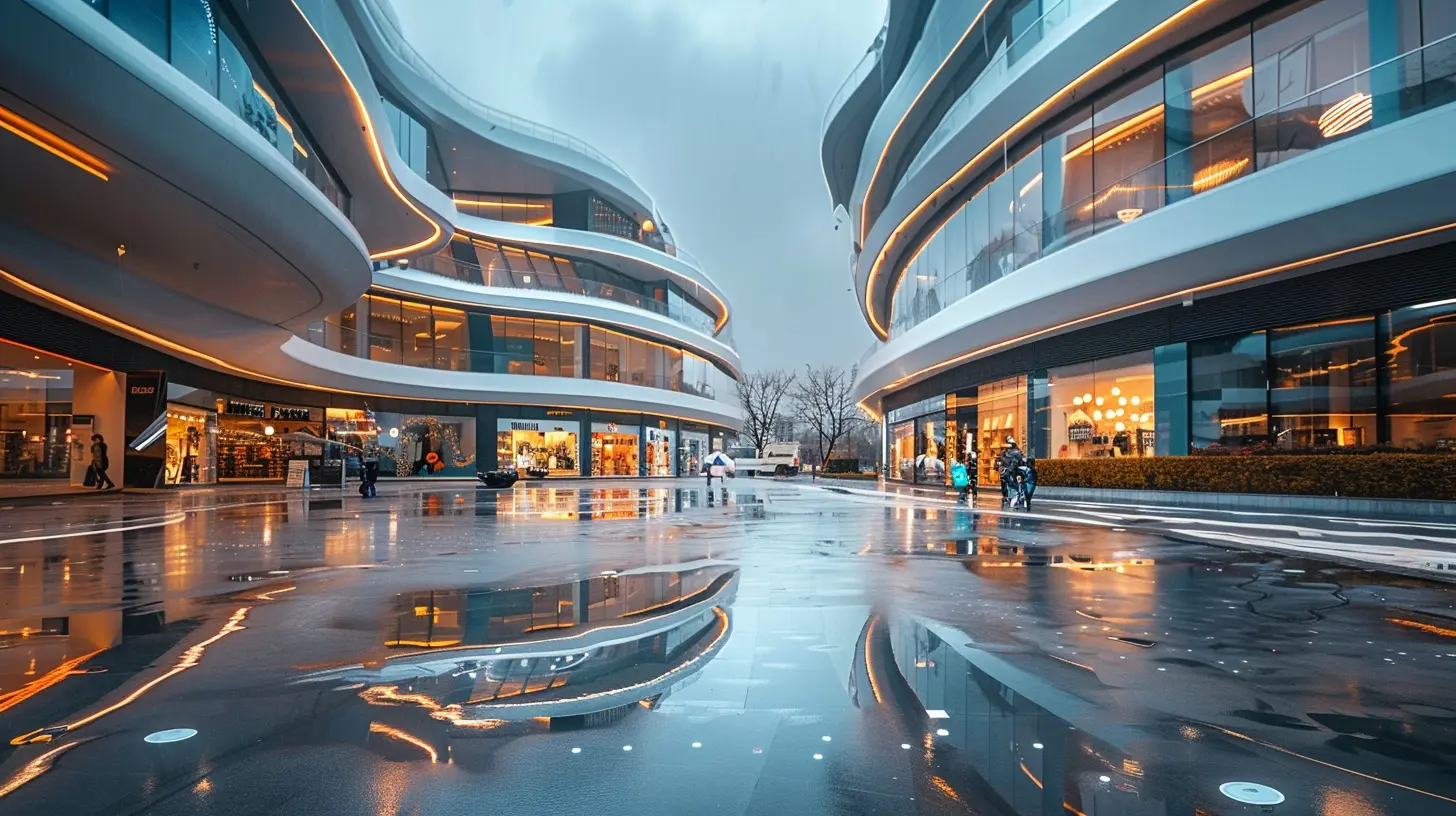
The Digital Boom: A Tsunami That Hit Hard
To understand where retail real estate is headed, we’ve got to rewind the tape a bit.The Rise of Online Shopping
Amazon, Shopify, Etsy, even Instagram — online platforms have made shopping ridiculously easy. Why drive 20 minutes to a store when you can get the same product delivered in 24 hours (or less)?Online shopping gives people:
- Convenience
- Variety
- Competitive pricing
It’s no wonder e-commerce’s share of total retail sales has spiked over the past decade. And during the COVID-19 pandemic? That shift went into overdrive.
What Happened to Retail Spaces?
Let’s not sugarcoat it — many traditional retailers took a hit. Department stores shut down. Shopping centers lost foot traffic. Big-box brands closed locations faster than you could say “Add to cart.”But does that mean retail spaces are done for? Not quite.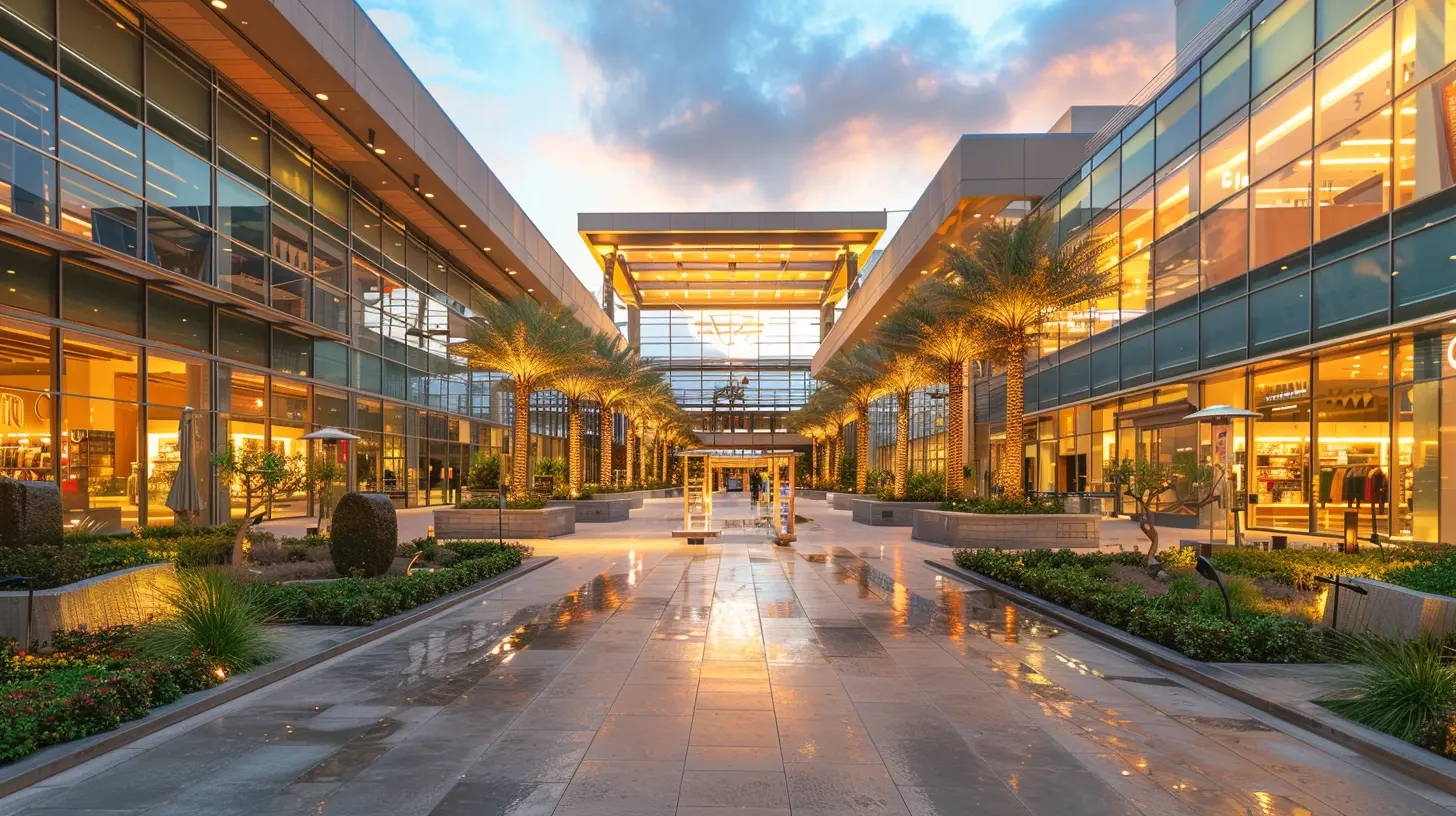
The Retail Real Estate Market Isn't Dead — It's Evolving
Here’s the twist: retail isn’t dying. It’s adapting.Hybrid Retail: The Best of Both Worlds
Smart brands aren’t picking between online and offline — they’re doing both. This is known as the omnichannel approach. Think curbside pickup, in-store returns for online orders, and mobile apps that enhance your in-store experience.Retail spaces now serve as:
- Fulfillment centers
- Showrooms
- Event spaces
Yes, that hip sneaker shop might also double as a mini-warehouse for online orders.
The Rise of Showrooming
Ever browsed a product online, then visited the store to see it in person? That’s showrooming. And guess what — businesses are catching on.Retailers are designing smaller, experience-focused stores where you can try products before buying them online. This trend is blurring the line between e-commerce and physical retail.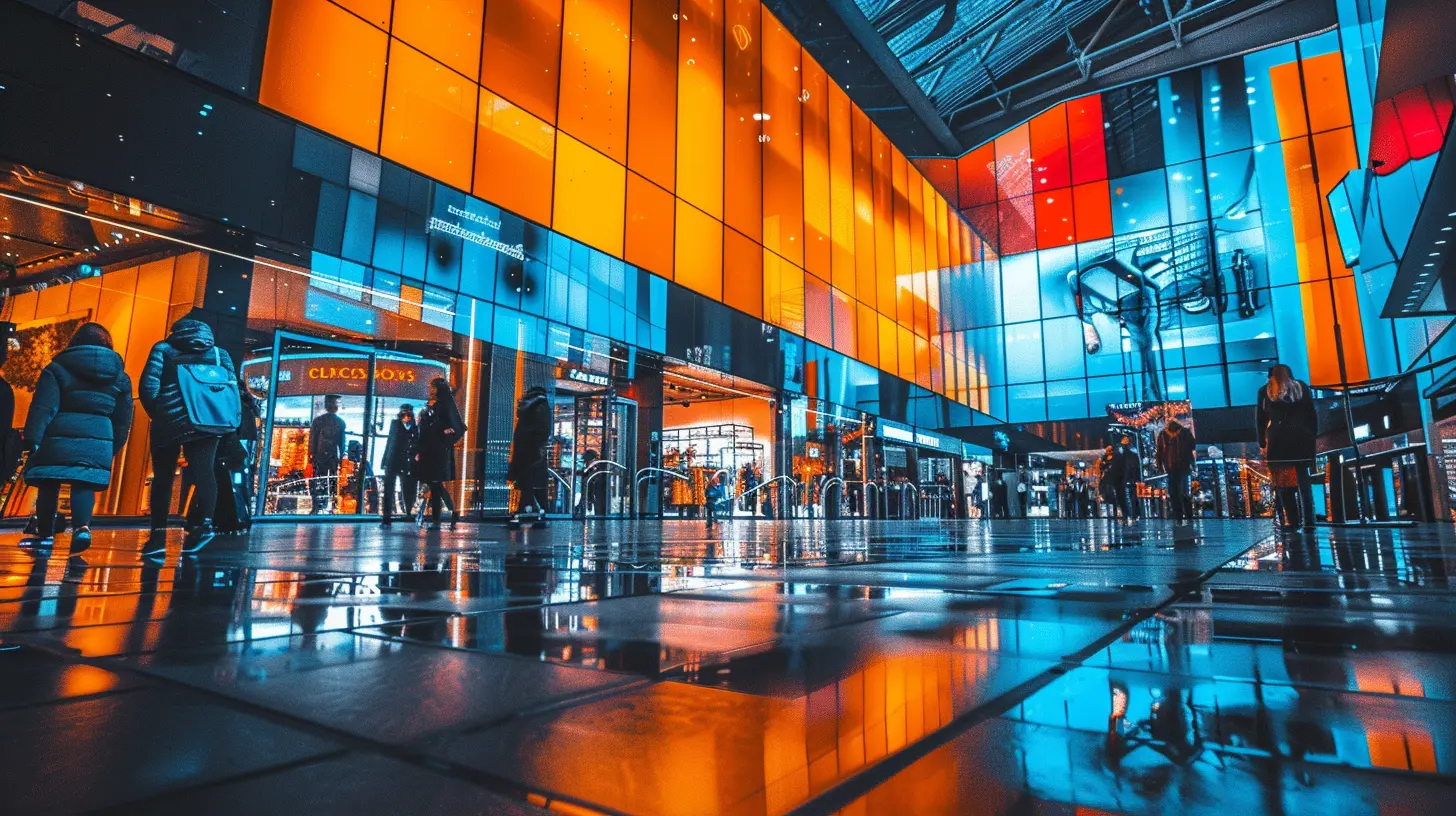
The Experience Economy: People Want More Than Just Stuff
One thing online shopping can’t fully replicate? Human connection and in-person experiences.Experiential Retail is Hot
New-generation stores are not just places to buy — they're places to be. Think coffee shops inside bookstores, yoga classes at athletic stores, or interactive displays at electronics retailers.It’s all about creating an experience that people want to Instagram about.
And this shift is key for retail landlords and investors. Properties designed for interactions — not just transactions — are becoming the gold standard.
The Power of Community
People crave connection. Retail centers that foster community — farmer’s markets, pop-up shops, live music nights — keep customers coming back.A strip mall turned lifestyle center can become a local hotspot. That’s the kind of value online shopping can’t compete with.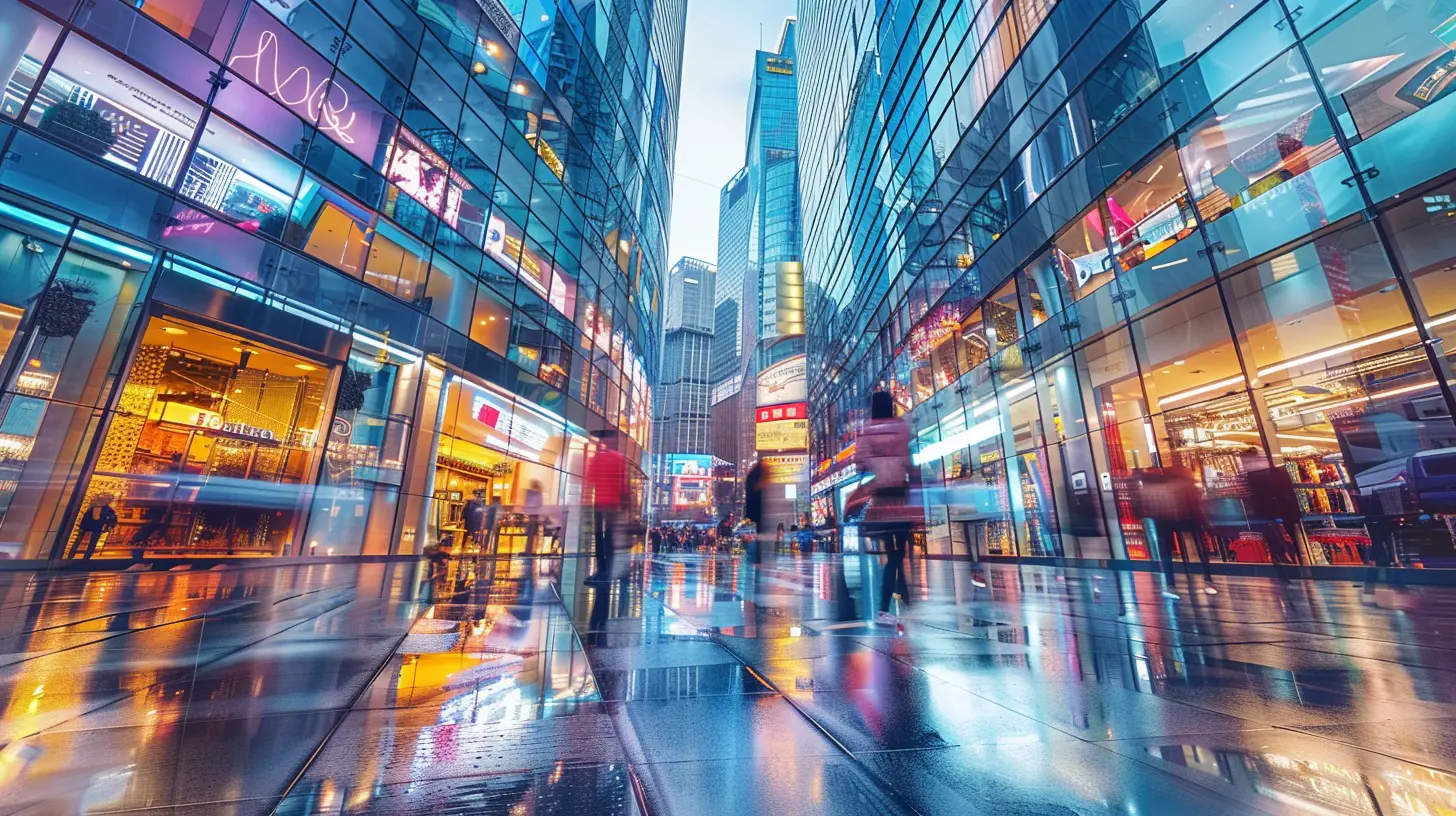
How Online Shopping Is Reshaping Commercial Real Estate
Now let’s zoom into the real estate side of things.Demand for Warehousing is Booming
This is huge. With more people buying things online, e-commerce businesses need somewhere to store all that inventory. And so, industrial real estate is thriving.We’re talking:
- Distribution centers
- Micro-fulfillment centers
- Last-mile delivery hubs in urban areas
Retail spaces that no longer work as traditional stores? They’re often being repurposed into these logistic hubs.
Flexibility is the New Trend
Long-term leases? That’s so 2005. Online-first brands want shorter, more flexible lease terms.They want the ability to test new markets with pop-up shops or seasonal stores. Commercial landlords are catching on by offering more modular space designs and adaptable layouts.
Location Still Matters — But in a Different Way
Prime real estate is no longer just about foot traffic. Now it’s also about proximity to highways, neighborhoods, or delivery-friendly zones.A well-located former retail store could be the perfect delivery warehouse. Creativity is key.
New Players Are Entering the Game
Here’s another shift: the definition of “retail tenant” is evolving.E-Commerce Giants Are Going Physical
Would you believe that Amazon has physical stores now? Yes, really. From Amazon Go to their 4-star stores, they’re rethinking what shopping in-person can feel like.Other online-born brands — Warby Parker, Allbirds, Casper — are also opening stores. Why? Because despite their digital roots, there’s still value in human connection and tactile shopping.
Healthcare, Fitness, and Education Are Moving In
Empty store spaces are being reimagined. Think:- Dental clinics in old retail bays
- Gyms inside former big-box stores
- Tutoring centers in suburban shopping plazas
It’s about bringing daily services closer to neighborhoods. Commercial real estate is stretching beyond its old definition of “retail.”
Future-Proofing Retail Spaces: What Needs to Change
So what does this all mean for the future of commercial real estate?1. Flexibility Over Size
Bigger isn’t always better. Flexible, multi-use spaces are in demand. A space that can go from boutique to gallery to yoga studio? That’s gold.2. Tech Integration Is a Must
Retail properties of the future need smart infrastructure — think high-speed internet, easy integration with digital tools, and data tracking for foot traffic.3. Sustainability Matters
Green buildings aren’t just trendy — they’re essential. Shoppers (especially younger ones) care about eco-conscious brands, and that means eco-conscious spaces.Adding EV chargers, solar panels, and sustainable materials could be a major value booster.
4. Community-Centric Design
Designing with people in mind — wide sidewalks, outdoor seating, shared spaces — can make a retail center more than just a shopping place. It becomes a lifestyle hub.What Investors and Landlords Should Keep in Mind
If you’re in the game, or thinking about it, here’s the deal: This isn't the end of retail; it’s a reinvention.Commercial real estate tied to retail isn’t going away. But the type of tenants, lease terms, and even the physical structures themselves are changing.
To stay ahead, investors need to:
- Embrace mixed-use concepts
- Be open to new types of tenants
- Offer flexible lease structures
- Invest in tech and green upgrades
In short, be less rigid and more responsive.
The Final Word: Adapt or Miss the Wave
Retail, like everything else, has entered the age of reinvention.Sure, online shopping’s rise has thrown some punches. But guess what? Retail spaces are fighting back — not by doing the same thing harder, but by doing things smarter.
Physical stores are evolving into experience zones, fulfillment centers, community hubs, and so much more. The real estate game? It’s still strong — just different.
So, will online shopping change commercial real estate? Absolutely.
But will it leave it in ruins? Not a chance.
If anything, it’ll push it to be more innovative, more flexible, and more in tune with what people actually want in the 21st century.
So whether you're an investor, retailer, or just someone curious about the future — don’t count retail real estate out. The story isn’t over. It’s just getting interesting.
all images in this post were generated using AI tools
Category:
Real Estate ForecastAuthor:

Melanie Kirkland
Discussion
rate this article
2 comments
Felix McGhee
Great insights! It's fascinating to see how online shopping will shape the future of retail spaces and commercial real estate.
February 12, 2026 at 3:56 AM
Melanie Kirkland
Thank you! I appreciate your feedback. The shift to online shopping indeed poses exciting challenges and opportunities for the future of retail and commercial real estate.
Graham McTavish
The shift towards online shopping is undeniably reshaping commercial real estate, prompting a re-evaluation of retail spaces. As consumer preferences evolve, adaptive reuse and experiential retail will likely dominate, compelling landlords to innovate and create interactive environments that merge physical and digital shopping experiences effectively.
January 31, 2026 at 4:40 AM
Melanie Kirkland
Thank you for your insightful comment! You’re absolutely right—adapting to consumer preferences through innovative retail spaces is crucial for the future of commercial real estate.