The Future of Suburban Living: Opportunities in 2027
19 April 2026
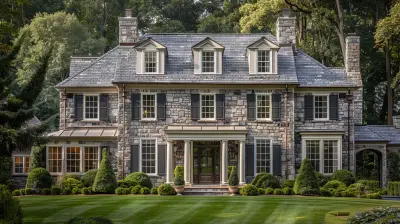
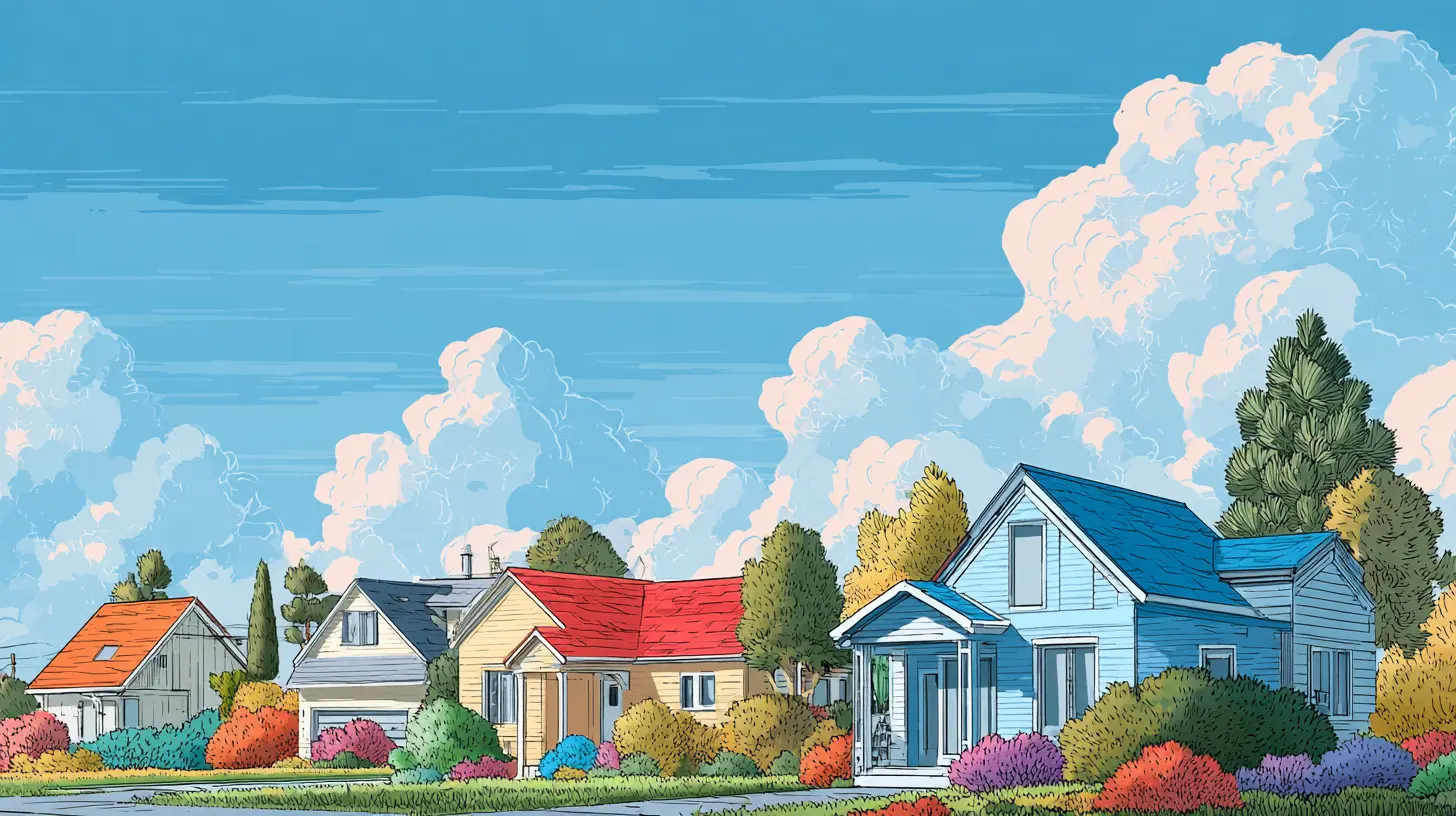
Let’s be honest: the image of the classic American suburb—the identical houses, the long commutes, the quiet streets that roll up the sidewalks at 6 PM—has been fading for a while. The past few years have given it a serious shake-up. But here’s what’s fascinating: the suburb isn’t dying. It’s evolving, morphing into something new, dynamic, and frankly, full of opportunity. By 2027, the suburbs won’t just be a place you escape to from the city; they’ll be a destination in their own right, built on a new set of promises. So, what exactly are we looking at? Let’s pull back the curtain.
The Great Recalibration: Why 2027 is the Tipping Point
Think of the suburban landscape like a piece of software. We’ve been running version 2.0, built post-World War II, for decades. It’s glitchy, doesn’t support new apps (like remote work), and the user interface is outdated. The update to version 3.0 is scheduled for 2027. This isn’t a random date; it’s the point where several powerful trends converge into a perfect storm of change.First, the demographic wave. Millennials, that massive generation, are now deep into their prime home-buying and family-raising years. But their tastes differ from their parents'. Then you have Gen Z, just entering the market, with values shaped by climate concerns and digital native status. Simultaneously, Baby Boomers are downsizing but not necessarily wanting to leave their communities—they’re seeking "right-sizing." This creates a multi-generational pull on the suburban fabric, demanding more variety.
Second, the technological infrastructure we’ve been promised—widespread 5G, normalized AI in home management, and mature electric vehicle (EV) networks—will have moved from novelty to utility by 2027. Technology will cease to be a feature and become the foundation. Finally, the lessons from the remote/hybrid work revolution will be fully baked into corporate policies and, more importantly, our personal psyches. The "office" as the sole center of our economic life will have permanently decentralized. This changes the very math of commuting, making a wider radius livable and desirable.
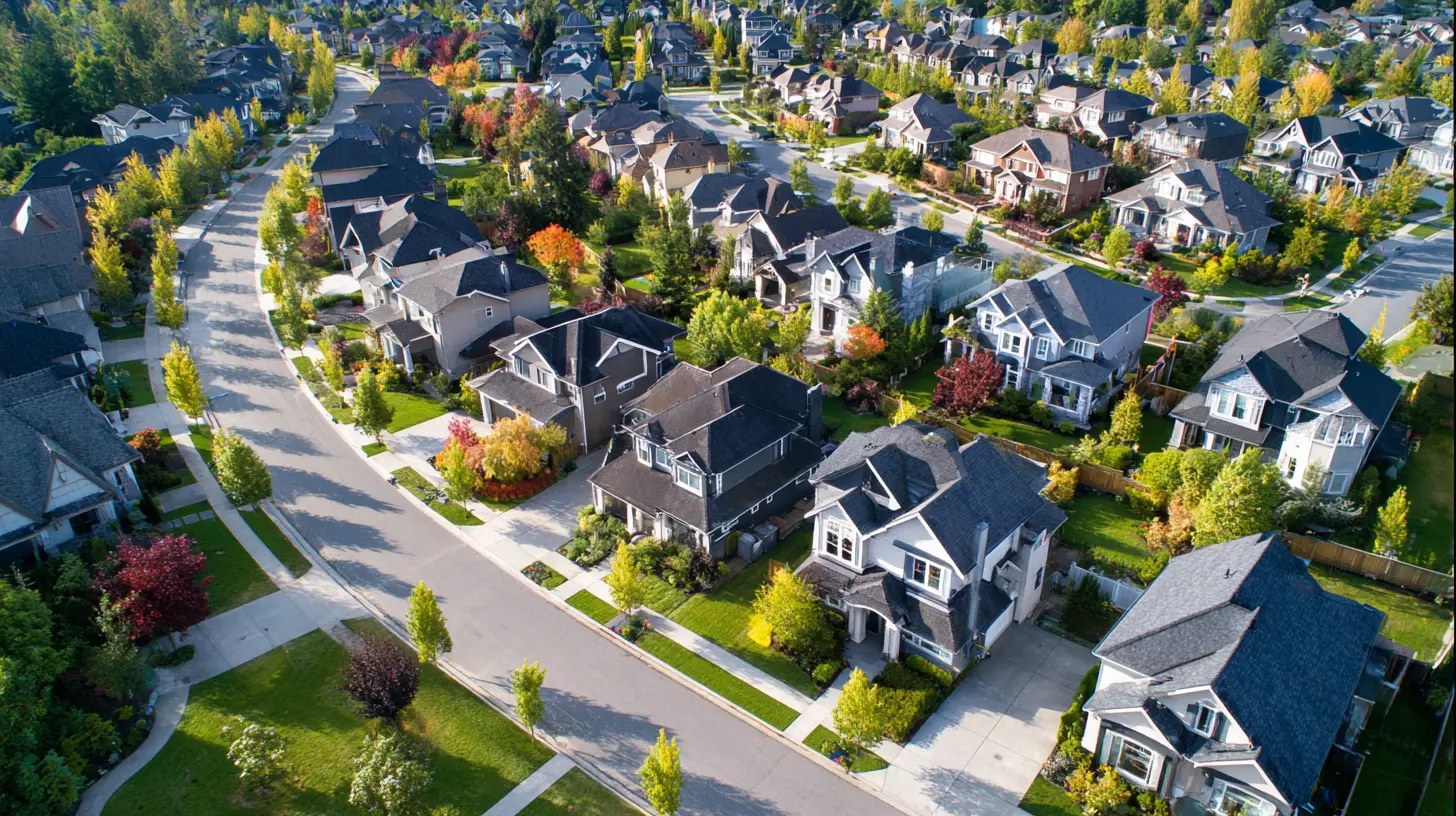
The Pillars of the 2027 Suburb: More Than Just Bedrooms
So, what will hold up this new suburban model? It’s not just about prettier houses. It’s about rebuilding the pillars of daily life.The 15-Minute Suburb: A European Import Takes Root
The "15-minute city" concept from urban planners is getting a suburban makeover. The goal? To ensure that within a quarter-hour walk, bike, or short drive from your home, you have access to most of life’s essentials and pleasures. We’re talking about a genuine mixed-use core in what was once just a strip mall. Imagine a suburban node with a grocery store, a clinic, a co-working space, a few great restaurants, a park, and a pharmacy—all clustered together. This isn’t about recreating downtown in the ‘burbs; it’s about creating dense, walkable, human-scaled hubs within the suburban sprawl. The opportunity here for developers and investors is massive: retrofitting aging commercial corridors into these vibrant, multi-purpose centers. For you, the resident, it means reclaiming time and reducing dependency on the car for every single errand.The Hyper-Connected Home & Infrastructure
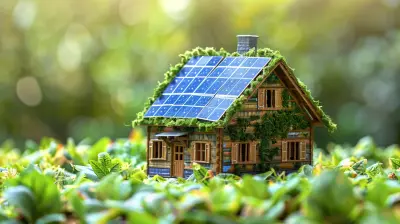
Your home in 2027 will be less of a castle and more of a command center. We’re moving beyond smart doorbells and thermostats. Think of integrated systems that manage energy production (via solar roofs and home battery walls), consumption, and even sales back to the grid. Your EV in the driveway isn’t just a car; it’s a backup battery for your house. AI will predict your routines, optimizing heating and cooling for efficiency and comfort, and even managing grocery replenishment.But the home is only as good as the community it’s in. The critical infrastructure opportunity lies in the "last mile." Municipalities that invest in universal, fiber-optic-grade internet will see property values surge. Equally important will be the EV charging ecosystem. Ubiquitous, fast-charging stations in public lots, parks, and community centers will be as expected as streetlights are today. This isn’t just greenwashing; it’s a fundamental utility upgrade.
The New Work-Life Blend: Co-Working Hubs & Maker Spaces
The home office is here to stay, but let’s face it, working from your kitchen table every day can drive you stir-crazy. The suburb of 2027 will offer a "third place" for work: the suburban co-working hub. These won’t be the slick, expensive downtown memberships, but community-focused spaces, perhaps attached to libraries, community centers, or those 15-minute nodes. They provide separation, professional amenities, and, crucially, serendipitous local networking.Furthermore, we’ll see a rise in "maker spaces" or small-scale light industrial zones. As e-commerce and the maker economy grow, the demand for small warehouses, workshops, and studio spaces will explode. Why rent a unit across town when you can have a 500-square-foot studio a five-minute drive from your home to run your Etsy business or store your project car? Zoning laws will have to adapt, allowing for this gentle, productive density.
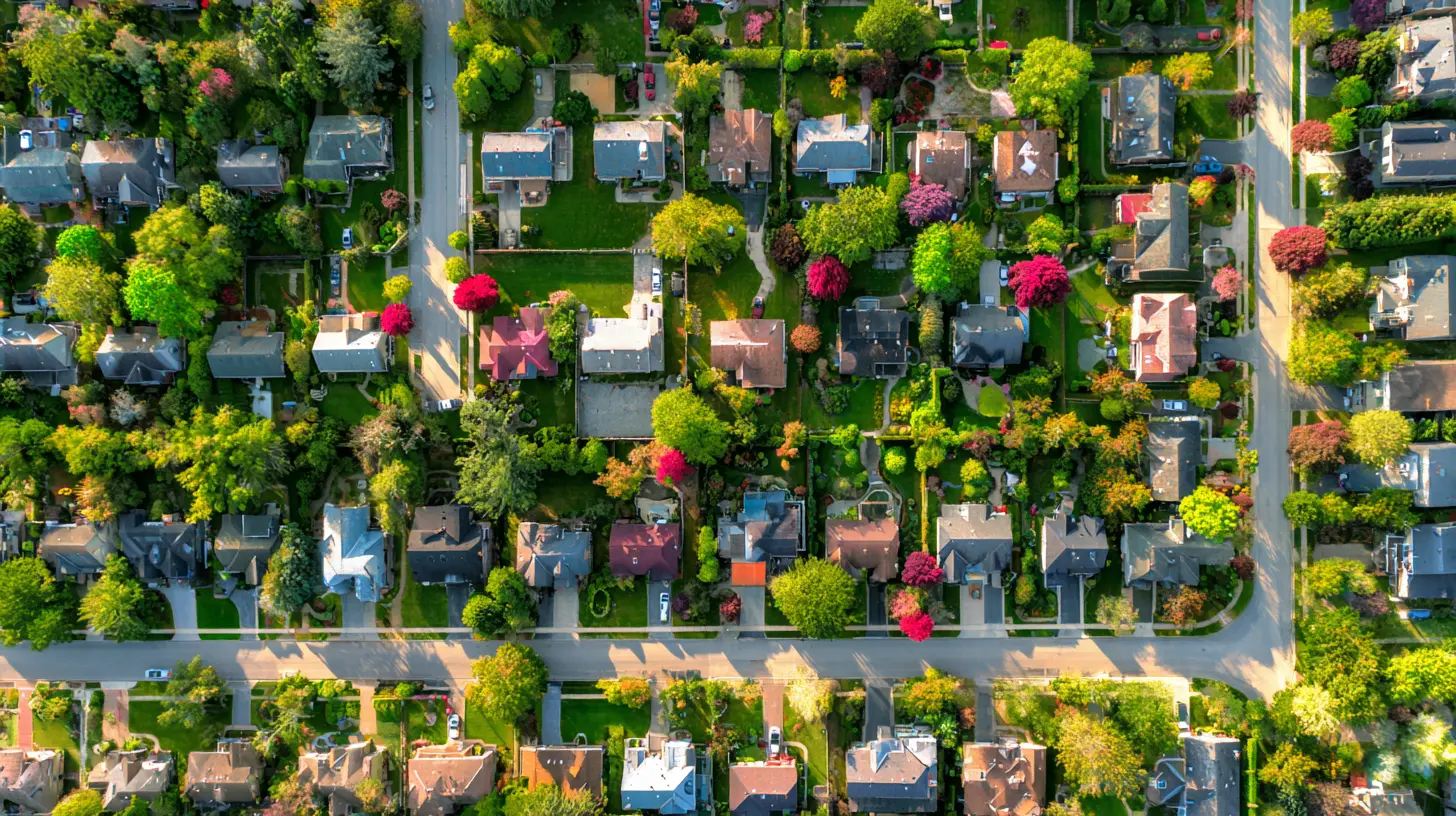
The Green Suburb: From Lawn Culture to Land Stewardship
The vast, manicured, water-guzzling lawn will become the vinyl siding of the 21st century—a dated symbol of a different time. The 2027 suburb will embrace ecological integration. This means:* Native Landscaping: Swapping Kentucky bluegrass for native plants, wildflowers, and drought-resistant gardens that support local pollinators and reduce water use.
* Food Production: The rise of community gardens, neighborhood orchards, and even small-scale suburban hydroponic or vertical farming operations. Hyper-local food isn’t just a rural thing anymore.
* Water Management: Green infrastructure like bioswales, rain gardens, and permeable pavements will become standard in new developments to manage stormwater naturally and recharge aquifers.
* Wildlife Corridors: Thoughtful planning will connect green spaces, allowing for wildlife movement and preserving biodiversity even within developed areas.
The opportunity here is for landscapers, ecological designers, and builders who specialize in sustainable materials and practices. For homeowners, it means lower maintenance costs, a deeper connection to their local ecosystem, and a tangible sense of contributing to resilience.
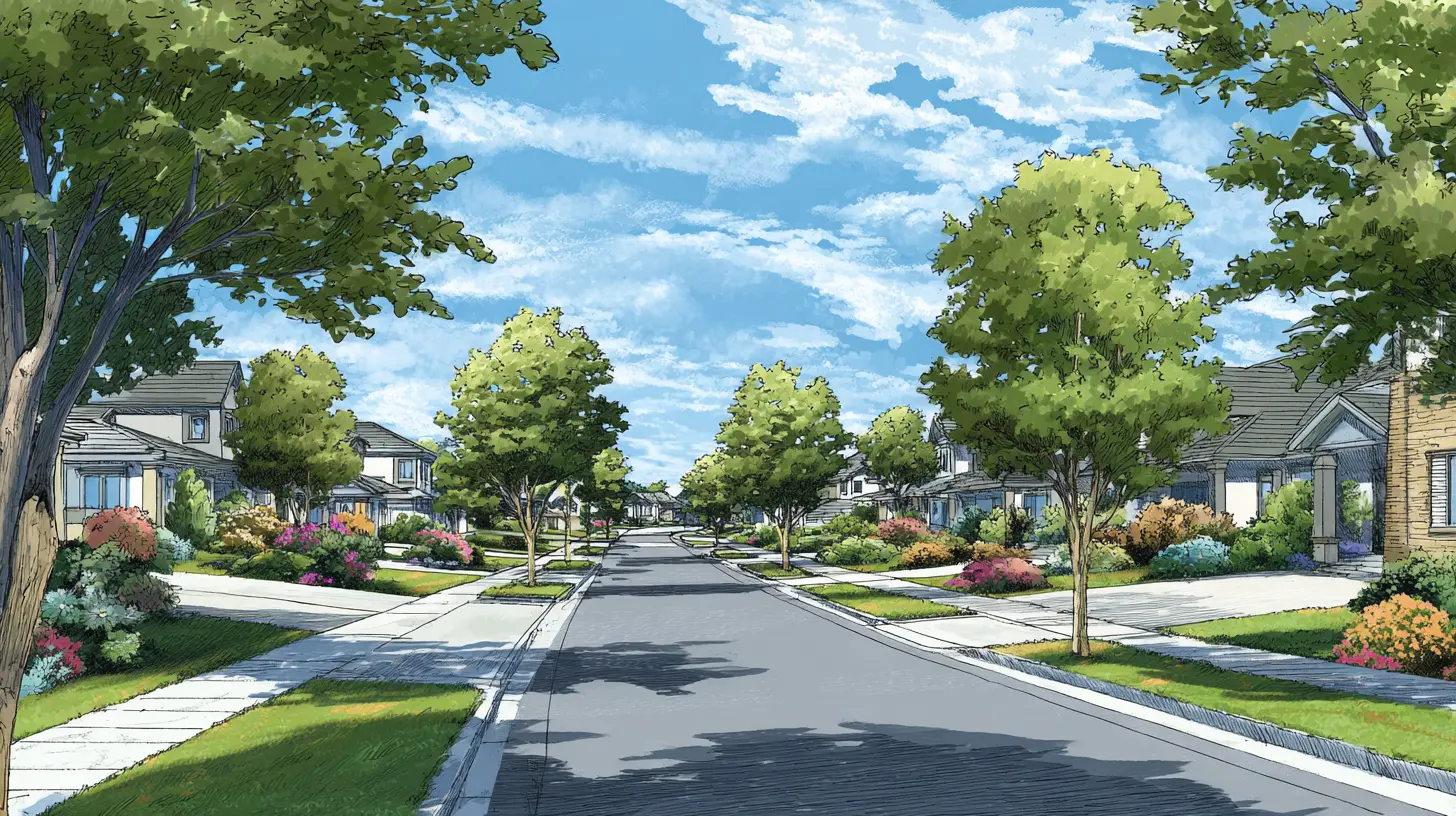
Community 2.0: Intentionality Over Proximity
The old suburb often fostered accidental community—you were friends with the people on your street because they were there. The new suburb will thrive on intentional community. Digital tools, born from the need to connect during isolation, will mature into platforms for hyper-local governance, skill-sharing, and social organizing. Think neighborhood apps that are less about reporting potholes and more about organizing a tool-lending library, a weekly running group, or a carpool schedule for kids' activities.This also points to a rise in diverse housing types within the same community. To accommodate the multi-generational demand, we’ll see more duplexes, townhomes, accessory dwelling units (ADUs or "granny flats"), and small-lot single-family homes interspersed with larger traditional homes. This creates economic and demographic diversity, making communities more vibrant and sustainable. The opportunity for builders is clear: diversify your portfolio. The opportunity for residents is richer, more varied social fabric.
The Investment & Real Estate Landscape in 2027
What does all this mean for your wallet or your investment strategy? The metrics of value are shifting.Location, Location, Location gets a new definition. It will no longer just be about school districts and commute times to a downtown core. The new premium will be on:
* Walkability Scores to a Mixed-Use Hub: Proximity to a 15-minute node.
* Digital & Green Infrastructure: Is there community fiber? EV charging? Green spaces?
* Housing Typology Flexibility: Does the property have the potential for an ADU or a home office pod?
Suburbs with strong, forward-thinking municipal governments that proactively update zoning codes, invest in broadband and green infrastructure, and foster public-private partnerships for community hubs will see astronomical growth. The risk lies in suburbs that cling to the 20th-century model—they may stagnate or decline.
For the individual homeowner, the mindset shifts from seeing a house as a static asset to viewing it as a platform for living. The potential to add a co-working shed, a rental ADU, or a solar-plus-battery system isn’t just a lifestyle upgrade; it’s a direct investment in the property’s future value and its income-generating potential.
Conclusion: Not an Escape, But an Embrace
The future of suburban living by 2027 isn’t about rejecting the city or nostalgically returning to the past. It’s about a synthesis. It’s about taking the space, safety, and connection to nature that drew people to the suburbs for generations and weaving in the density, convenience, diversity, and technological fluency we’ve come to appreciate in urban centers.The result is a new kind of place—one that offers a genuine blend. It promises the quiet of a backyard under the stars with the ability to walk to a good coffee shop. It offers the community of a neighborhood block party powered by a hyper-local digital network. It provides a home that is both a sanctuary and a connected, productive node in a wider grid.
The opportunities are everywhere: in construction, technology, governance, landscaping, and community building. For those looking to buy, build, or invest, the key is to look beyond the floorplan and the square footage. Look at the fabric of the community itself. Is it designed for 1995, or is it building for 2027? The suburbs that choose to build for the future are where we will find the most compelling opportunities to live, work, and thrive.
all images in this post were generated using AI tools
Category:
Real Estate OpportunitiesAuthor:

Melanie Kirkland
Discussion
rate this article
2 comments
Jenna West
Embrace change and discover the beauty of suburban life!
June 3, 2026 at 11:52 AM
Melanie Kirkland
Absolutely! Suburban life is evolving, and there's so much to explore in this new landscape.
Evren McFarlane
As suburban living evolves, it's crucial to embrace sustainable development and community-focused amenities. By prioritizing green spaces and efficient transit, we can create vibrant neighborhoods that appeal to families and professionals alike, shaping a brighter future for suburban life.
April 21, 2026 at 5:04 AM
Melanie Kirkland
You're right. Emphasizing sustainability and community is key to enhancing suburban living. Green spaces and transit options will truly shape thriving neighborhoods.