The Future of Suburban Living: Trends to Watch in 2027
25 April 2026
Let’s be honest—suburbs have gotten a bad rap over the last decade. We’ve all seen the memes: endless cul-de-sacs, cookie-cutter houses, and that one neighbor who mows their lawn at 7 AM on a Saturday. But here’s the thing: the suburbs aren’t dying. They’re evolving. Fast.
As we hurtle toward 2027, the suburban landscape is shifting under our feet—and it’s not just about bigger closets or better school districts. We’re talking about a fundamental reimagining of what it means to live on the outskirts. Think of it like this: if the old suburb was a vinyl record—static, predictable, stuck in a groove—the new suburb is a Spotify playlist, endlessly customizable, data-driven, and surprisingly vibrant.
So, what’s actually coming? Let’s roll up our sleeves and dig into the trends that will define suburban living in just three short years. No fluff, no hype—just the real, gritty, exciting transformation.
The End of the Commuter’s Nightmare: The Rise of the 15-Minute Suburb
Remember when you bought a house in the suburbs because you wanted a yard, but you ended up spending two hours a day in traffic, breathing in exhaust fumes and questioning your life choices? Yeah, that’s changing.By 2027, the “15-minute city” concept—popularized in urban planning circles—will fully colonize suburbia. The idea is simple: everything you need for daily life should be within a 15-minute walk or bike ride from your front door. But here’s the twist: suburbs are actually better positioned to pull this off than dense urban cores.
Why? Because suburbs have space. That empty strip mall from 1982? It’s becoming a mixed-use hub with a grocery store, a co-working space, a yoga studio, and a microbrewery. That dead zone between subdivisions? It’s getting a network of protected bike lanes and pedestrian paths. Local governments are finally realizing that the old model—where you drive 20 minutes to buy milk—is not only inefficient but actively making people miserable.
What this means for you: You’ll start seeing “live-work-play” communities popping up even in exurbs. Home prices near these hubs will skyrocket. If you’re buying in 2027, proximity to a 15-minute node will be as valuable as square footage.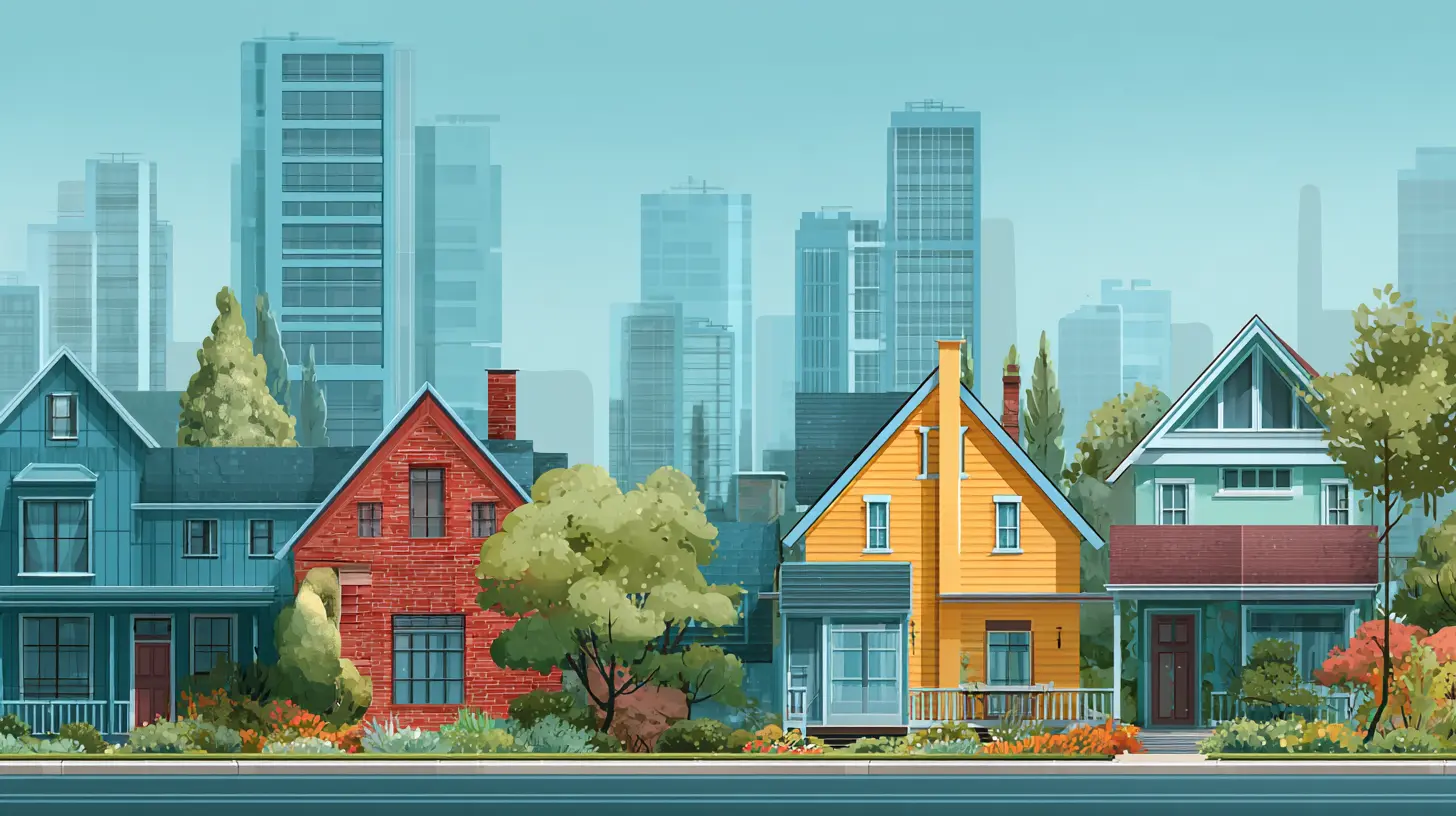
The “Third Place” Revolution: Suburbs Get a Social Spine
For decades, suburbs have suffered from a chronic condition: social isolation. You wave at your neighbor but never actually talk. Your kids play in the backyard, but the street is empty. It’s like living in a beautifully furnished prison cell with a nice lawn.Enter the “third place.” Sociologist Ray Oldenburg coined this term for spaces that aren’t home (first place) or work (second place)—think cafes, barbershops, parks, libraries. In 2027, suburbs will finally get serious about building these intentionally.
We’re talking about “village greens” that aren’t just patches of grass, but programmable spaces with Wi-Fi, pop-up markets, and outdoor seating. We’re talking about “clubhouses” that aren’t just for the 1%—affordable community centers with shared tools, cooking classes, and co-working desks. Developers are waking up to the fact that people don’t just buy houses; they buy a sense of belonging.
The data backs this up: A 2023 survey by the National Association of Realtors found that 64% of homebuyers would pay more for a home in a neighborhood with a strong sense of community. By 2027, that number will be closer to 80%. If your suburb doesn’t have a proper third place, it’s going to feel like a ghost town.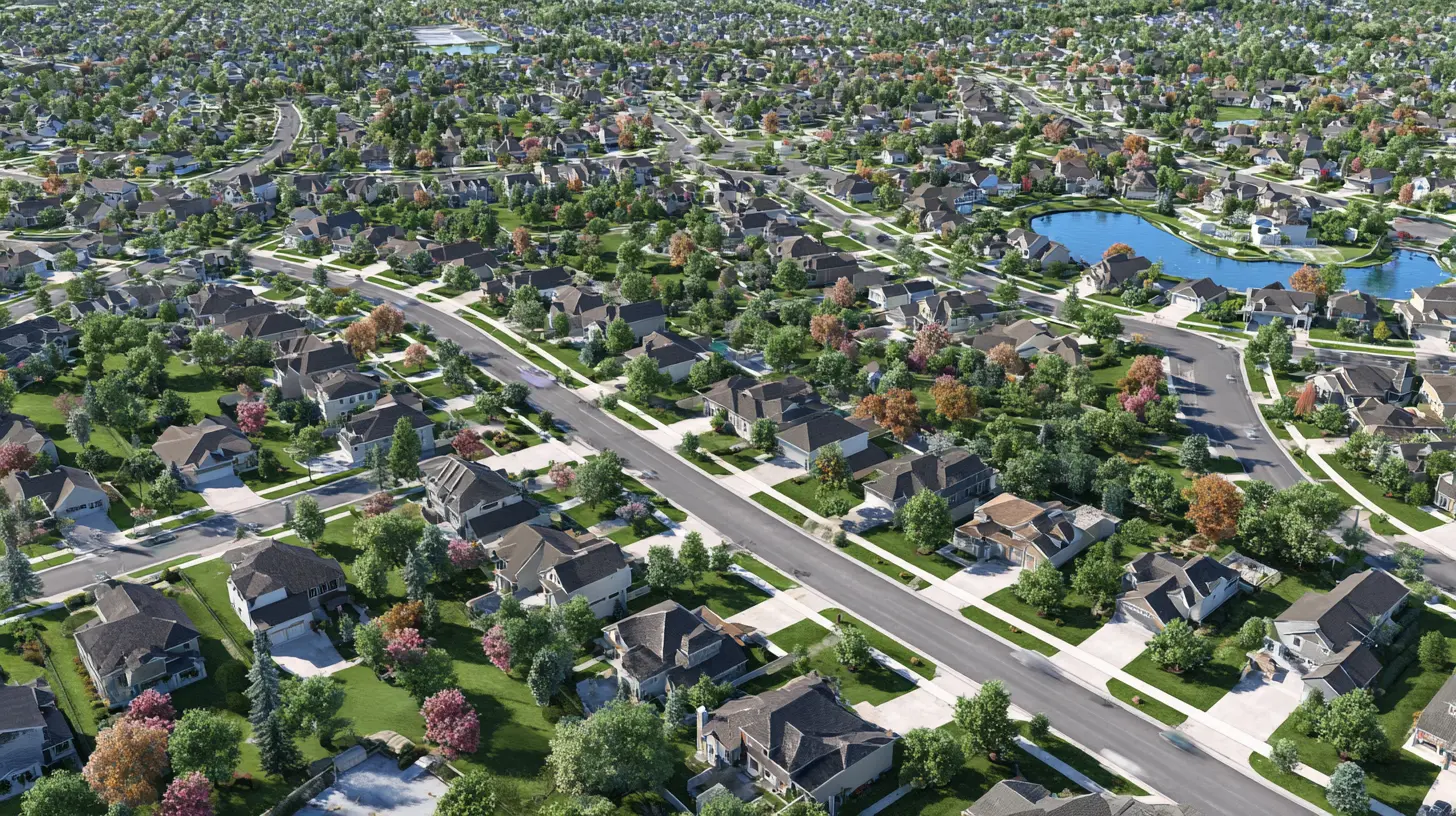
The ADU Explosion: Your Backyard Is Now an Asset
Let’s talk about accessory dwelling units (ADUs)—those tiny homes, granny flats, or garage conversions that everyone’s been whispering about. In 2027, they’re not a trend. They’re a necessity.Here’s the math: housing prices are still insane. Mortgage rates are volatile. And the American family is shrinking—more singles, more empty nesters, more multigenerational households. The solution? Build more units without building new subdivisions. That means converting every underutilized backyard into a rentable, livable space.
By 2027, expect to see zoning laws in most suburban cities essentially greenlighting ADUs by default. No more bureaucratic nightmares. You’ll be able to add a 600-square-foot unit with a kitchenette, a bathroom, and a separate entrance in under 90 days. Some cities will even offer low-interest loans or tax breaks to homeowners who build them.
Why this matters for you: If you own a suburban home in 2027, your backyard isn’t just for barbecues—it’s a revenue stream. Rent it out to a young professional, a college student, or an aging parent. It pays your mortgage, builds equity, and solves the housing crisis one lawn at a time. The smart money is already buying properties with ADU potential.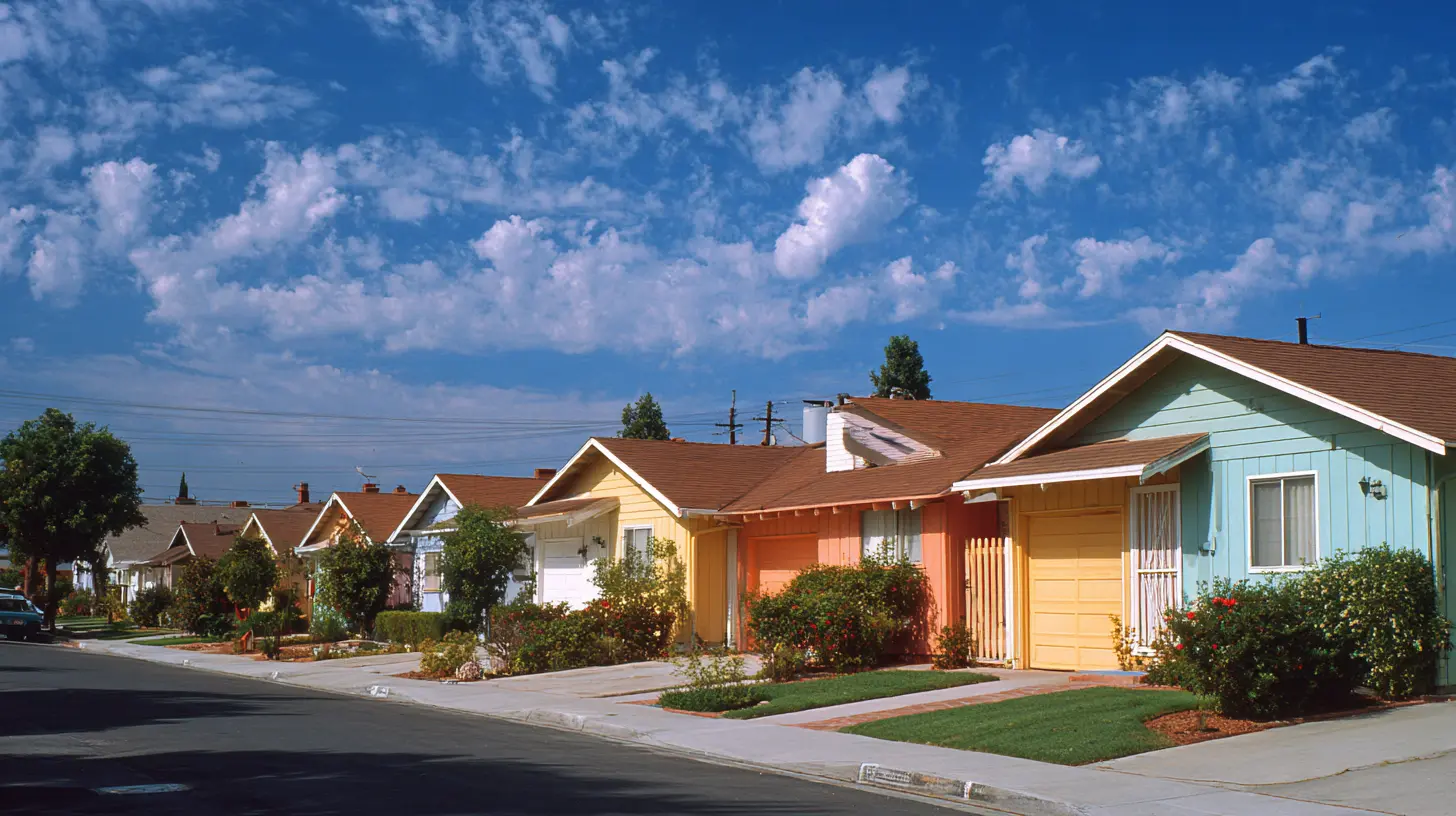
The Greenification of Suburbia: From Lawns to Ecosystems
I’m going to say something controversial: the American lawn is a lie. It’s a water-hungry, pesticide-soaked, biodiversity-killing relic of 1950s suburban ideology. And in 2027, we’re going to watch it die.The shift is already happening. Native plant gardens, rain gardens, and “rewilded” yards are becoming status symbols. Homeowners are ripping out Kentucky bluegrass and replacing it with clover, sedges, and wildflowers that actually support pollinators. The trend is so powerful that some HOAs are rewriting their covenants to allow “natural landscaping” instead of demanding a perfect green carpet.
But it goes deeper. By 2027, suburban homes will be expected to generate their own energy. Solar panels will be standard on new builds, not an upgrade. Battery storage (think Tesla Powerwall, but cheaper and better) will be common. Some suburbs will become “net-zero communities”—meaning they produce as much energy as they consume. Even water will be managed differently: greywater systems for irrigation, rainwater harvesting, and permeable driveways that prevent flooding.
The punchline: The suburb of 2027 will look less like a golf course and more like a forest. And that’s a good thing. Your property value will go up, your utility bills will go down, and you’ll actually see butterflies again. Who doesn’t want that?
The Tech-Enabled Suburb: Smart, But Not Creepy
We’ve all heard the horror stories about smart homes—fridges that order milk you don’t need, thermostats that turn off when you’re not home, and cameras that watch your dog. But in 2027, the technology will be seamless, invisible, and actually useful.Think about it: your suburb will have a shared fiber-optic network that makes Zoom calls feel like you’re in the same room. Autonomous shuttles will run loops between neighborhoods and transit hubs, reducing the need for a second car. Streetlights will dim when no one’s around to save energy, but brighten when they detect motion. Trash cans will have sensors that tell the garbage truck when they’re full.
The real game-changer, though, is the “digital twin.” Cities and developers will create a virtual replica of the entire suburb—every house, every tree, every pipe. This twin will run simulations: what happens if we add a bike lane here? What if we plant more trees there? It’s like having a crystal ball for urban planning. Decisions that used to take years of studies will be made in weeks.
But here’s the catch: Privacy will be a battleground. By 2027, we’ll have clear laws about who owns data from smart meters, traffic cameras, and HOA sensors. The suburbs that get this right—transparent, opt-in, secure—will thrive. The ones that turn into surveillance states? People will leave.
The Remote Work Pivot: Your House Is Now a Hybrid Hub
Let’s be real: the pandemic didn’t just change where we work. It changed what we expect from our homes. By 2027, remote work isn’t a perk—it’s a baseline. And suburbs are finally designing for it.New homes will come with dedicated “work suites”—soundproofed rooms with separate entrances, good lighting, and robust ventilation. Not a corner of the dining room. Not a converted closet. A real, functional office that doesn’t feel like a punishment. Some builders are already offering floor plans with two home offices, recognizing that dual-income couples both need space.
But the bigger shift is in the neighborhood itself. Co-working spaces will pop up in strip malls and repurposed churches. You’ll have “work hubs” within walking distance—places where you can book a desk for the day, grab coffee, and actually interact with other humans. This isn’t just about productivity; it’s about mental health. Isolation is the silent killer of suburban life, and 2027 will be the year we finally address it.
The bottom line: If your 2027 home doesn’t have a dedicated workspace, you’re going to struggle to sell it. And if your suburb doesn’t have shared work infrastructure, it’s going to lose its best talent to cities that do.
The Affordability Tightrope: Will Suburbs Still Be Cheaper?
This is the elephant in the room. For decades, the suburbs were the “affordable” option. Move out of the city, get more space for less money. But that equation is breaking down.In 2027, some suburbs will be more expensive than inner-ring neighborhoods. Why? Because demand is shifting. People want walkability, community, and green space—all things that suburbs can offer, but only if they’ve been redesigned. The suburbs that invested in bike lanes, mixed-use zoning, and public transit will command a premium. The ones that stayed stuck in 1995—big lawns, no sidewalks, strip malls with empty parking lots—will see prices stagnate or fall.
What does this mean for buyers? You’ll need to be strategic. Look for “transitional suburbs”—areas that are currently undervalued but have the bones for a 15-minute transformation. These are places with good schools, a downtown that’s a little rough around the edges, and a city council that’s open to change. Buy there in 2025, and you’ll be sitting on a goldmine by 2027.
The Multigenerational Megatrend: Grandparents, Parents, Kids Under One Roof
Here’s a statistic that’ll blow your mind: by 2027, nearly one in four Americans will live in a multigenerational household. That’s up from one in five in 2021. The reasons are obvious—aging boomers, student debt, childcare costs, and a general desire to stay connected.Suburbs are uniquely suited to handle this. The key is design. We’re talking about homes with “in-law suites”—separate entrances, full kitchens, and private bathrooms—that allow aging parents to live independently without being isolated. We’re talking about layouts that put the master bedroom on the first floor (for accessibility) and the kids’ rooms on the second.
Some developers are even building “pocket neighborhoods”—clusters of small homes around a shared courtyard, designed for multigenerational living. Grandma lives in the 800-square-foot unit, you live in the 1,200-square-foot unit, and the courtyard is where everyone meets for dinner.
The takeaway: If you’re buying a home in 2027, flexibility is everything. Look for properties that can be easily subdivided, have extra plumbing rough-ins, or have a basement that can be converted. The one-size-fits-all suburban house is dead. Long live the adaptable home.
The Food Desert Reversal: Suburbs Get Their Own Grocery Revolution
We talk a lot about food deserts in cities, but the suburbs have their own version—those long stretches of highway with nothing but fast food and gas stations. In 2027, that’s changing.Urban farming is moving to the suburbs. Not in a hipster, rooftop-garden way, but in a serious, scalable way. Think “agrihoods”—neighborhoods built around working farms. You buy a house, and your HOA dues include a share of the harvest. There are already dozens of these in the U.S., and by 2027, they’ll be common.
Even without full agrihoods, suburban grocery stores will evolve. You’ll see more “micro-markets” in walkable nodes—smaller stores with fresh produce, meat, and dairy, rather than the giant big-box stores that require a car. Delivery drones will be a thing, but the real innovation is bringing food closer to where people live.
Why this matters: Because nothing kills a suburb faster than having to drive 20 minutes for a head of lettuce. In 2027, the suburbs that solve the food access problem will be the ones that thrive.
The Verdict: Suburbia 2.0 Is Coming, Whether You’re Ready or Not
Let’s step back and look at the big picture. The suburbs we’ve known—the sprawling, car-dependent, socially isolated monocultures—are on life support. But that’s not a tragedy. It’s an opportunity.The trends I’ve outlined—15-minute neighborhoods, ADUs, green infrastructure, tech integration, remote work hubs, multigenerational design—are all pointing toward a future that’s more human, more sustainable, and more connected. The suburb of 2027 won’t be a compromise. It’ll be a destination.
So, here’s my advice: watch these trends like a hawk. If you’re a homeowner, start thinking about how your property can adapt. If you’re a buyer, look for the signs of a suburb that’s leaning into the future. And if you’re a developer? Well, you already know what to do.
The future of suburban living isn’t about going back to some golden age. It’s about building something new—something that actually works for the way we live now. And honestly? It’s about time.
all images in this post were generated using AI tools
Category:
Housing TrendsAuthor:

Melanie Kirkland
Discussion
rate this article
2 comments
Noora McCracken
Suburban living is evolving, with trends like remote work flexibility and sustainable developments. It's exciting to see how communities will adapt to meet the needs of future residents.
June 5, 2026 at 12:55 PM
Melanie Kirkland
Absolutely, it's fascinating how adaptability will shape suburban life. The blend of remote work and sustainability will redefine our communities in innovative ways.
Azriel Montgomery
As urban areas become more congested, suburban living is likely to gain more appeal. With a focus on sustainability, remote work, and community spaces, developers will need to adapt to these trends to meet the evolving demands of future residents.
May 19, 2026 at 2:17 AM
Melanie Kirkland
You're spot on. The shift to suburban living, driven by sustainability and remote work, is definitely shaping the future. Developers will need to innovate to keep up with these changing priorities.