The Future of Urban vs. Suburban Real Estate Demand
24 October 2025
It’s no secret that the real estate world has been flipped on its head in the past few years. The pandemic, the rise of remote work, changing lifestyles, and economic shifts have all played their part. What's most intriguing? The tug-of-war between urban and suburban living is heating up in ways no one could’ve predicted. So, where are people planting roots these days—and more importantly, where are they headed next?
Let’s take a real look at what’s going on, without the fluff. Whether you're a potential homebuyer, a real estate investor, or just someone trying to make sense of it all, this deep dive into the future of urban vs. suburban real estate demand is for you.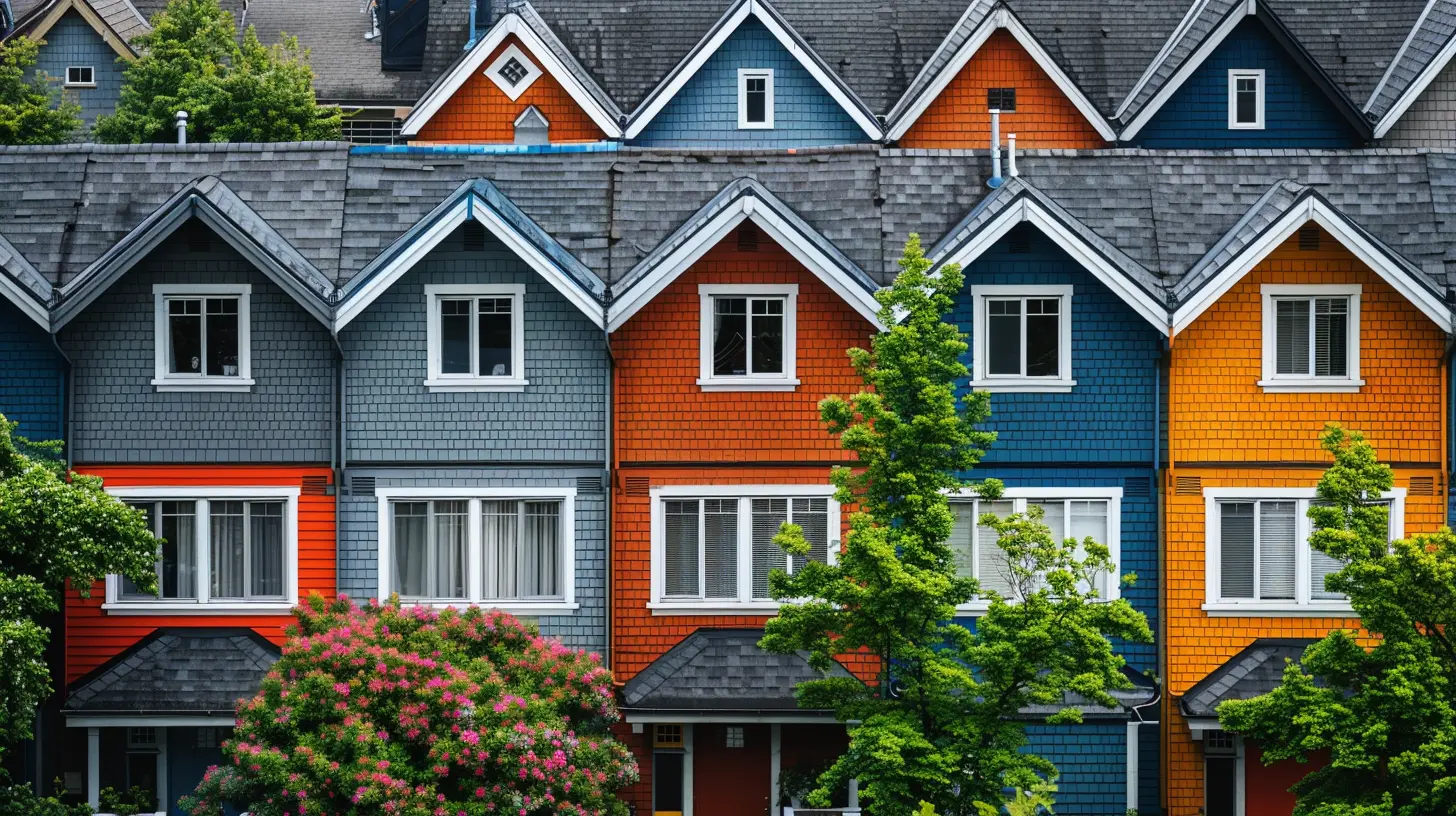
A New Chapter In Where We Choose To Live
For decades, the urban core had an undeniable allure. High-rise apartments, bustling streets, entertainment on every corner—cities had it all. But something changed. Suburbs, once seen as sleepy or too quiet, began offering what many people realized they actually wanted: space, affordability, peace, and better quality of life.But is this shift permanent? Or just a temporary response to a unique moment in time?
The Urban Appeal: Is It Losing Its Spark?
Let’s be real. Cities will always have their charm. They’re cultural melting pots, economic hubs, and trendsetters. Think New York, San Francisco, Chicago—these places have life pulsating through their streets. But post-2020, urban living got hit with some major curveballs.1. Remote Work: The Game Changer
Before, you picked your home based on how close it was to the office. Now? Work-from-home and hybrid jobs have become the norm. People are saying... “If I don’t need to commute, why am I paying premium rent for a small apartment downtown?”This shift reshaped priorities. Goodbye, cramped city studios. Hello, spacious home offices and backyard BBQs.
2. Cost of Living is a Dealbreaker
Let’s talk money. Urban living isn't cheap—and it’s not getting cheaper. Rising rents, property taxes, parking fees, and general expenses have made many question the value of staying downtown. Meanwhile, many suburbs offer more bang for your buck.3. Quality of Life Factors
City life is exciting, sure. But it comes with noise, pollution, and congestion. During COVID, people craved greenery, fresh air, and elbow room. Newsflash: many never looked back.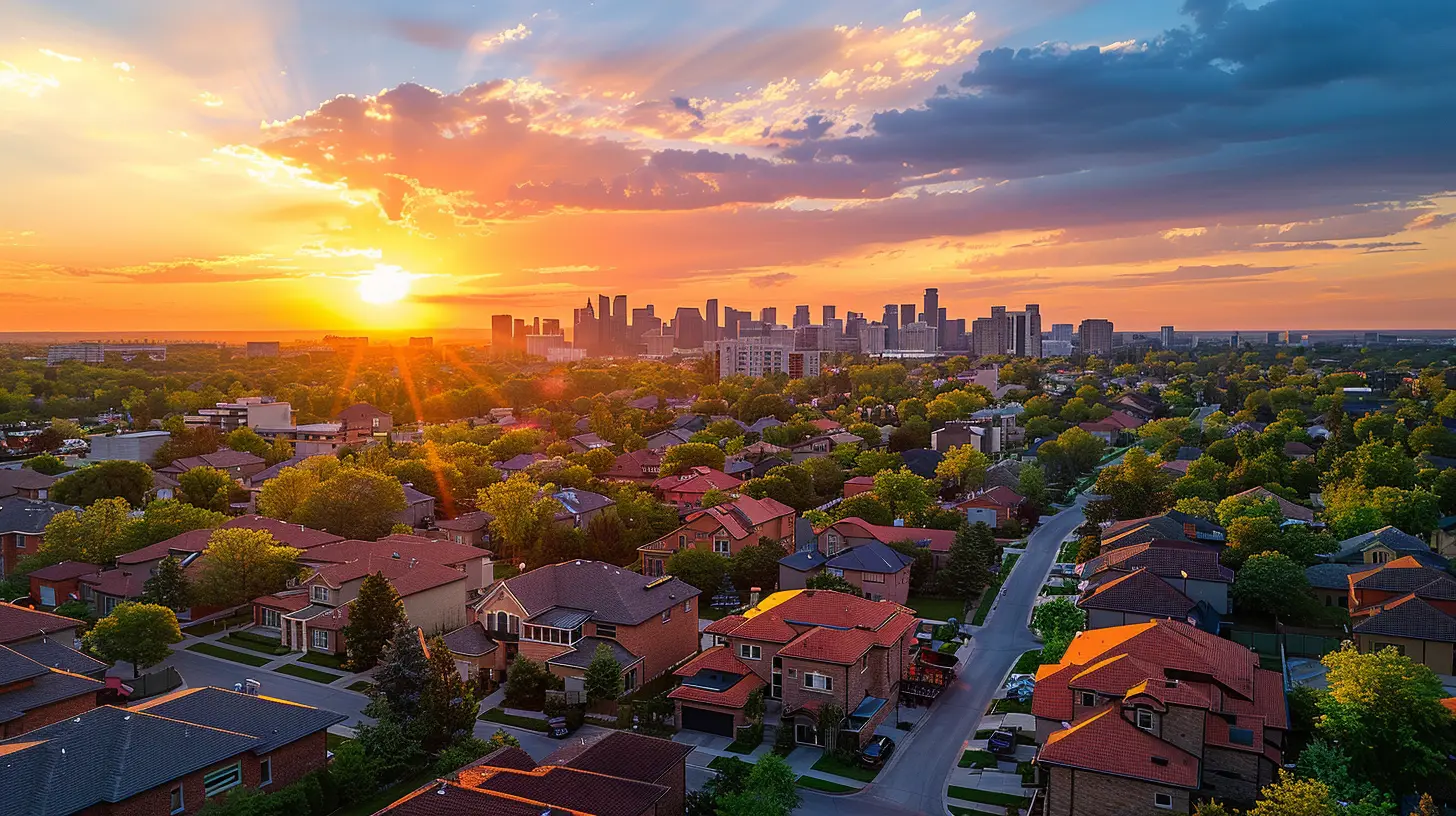
The Suburban Renaissance: More Than Just White Picket Fences
Remember when suburbs were painted as boring or too traditional? Not anymore. Suburbs are having a major glow-up—and people are noticing.1. The Rise of “Hipsturbia”
That term might sound silly, but it's a real thing. Suburbs are reinventing themselves as trendy, walkable, mini-cities. Think farmer's markets, co-working spaces, breweries, and art scenes nestled between family homes. It's the best of both worlds: calm surroundings with a splash of culture and convenience.2. Room to Breathe (Literally)
Suburban homes typically offer more space—inside and out. Families are prioritizing things like home gyms, bonus rooms, and outdoor living areas. Try fitting that into a downtown condo!3. Stronger Community Ties
Ironically, moving out of the city has helped many people feel more connected. Suburbs often foster tight-knit communities, and during uncertain times, that support system is priceless.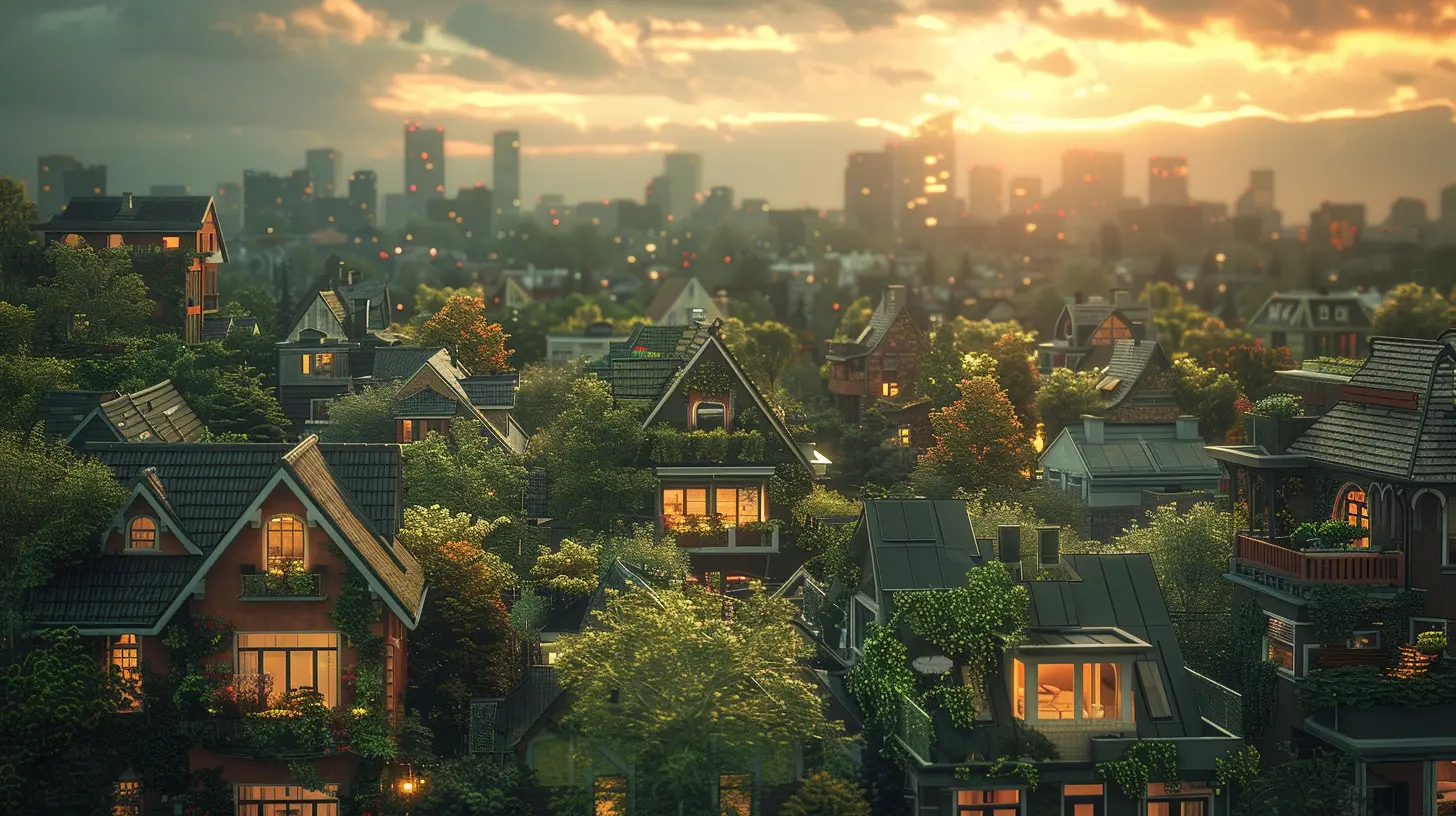
Generational Trends: Millennials, Gen Z, and Baby Boomers
Different generations are shaping the future of real estate in their own ways.Millennials: The Suburban Sweethearts?
Millennials are now in their 30s and 40s—prime homebuying age. And many are leaving the urban grind behind for suburban neighborhoods that better align with their growing families and financial goals.They want space, good schools, safety, and community. And in most cases, suburbs deliver just that.
Gen Z: City Loyalists or Suburban Converts?
Gen Z is just entering the workforce, and many still love the allure of urban life. But they’re also digital natives who can work from anywhere. While cities remain attractive socially, rising costs and remote work options may encourage them to do things differently than their older siblings.It’s still too early to call it, but watch this group closely—they might bend the trend.
Baby Boomers: Downsizing, But Not Always Urban
Boomers are retiring in droves. While some are drawn back to cities for the amenities and walkability, many prefer quieter suburban or rural settings. They're looking for lower-maintenance living, but also value space and tranquility.Urban Comeback or Suburban Stronghold?
Let’s not write cities off too quickly.Urban Areas Are Adapting
Cities are catching on. They’re making conscious efforts to become more livable. More green spaces are being developed. Some cities are improving public transit and investing in affordable housing projects. Others are revamping zoning laws to allow more flexible housing options, like duplexes or small multi-family homes.Suburbs Must Keep Up
On the flip side, for suburbs to maintain their newfound popularity, they have to evolve. That means becoming more inclusive, more diverse, and more connected. Infrastructure upgrades, better public transport, and walkable town centers are key.So really—it’s not a battle, but a balancing act.
Real Estate Investors: Where’s the Smart Money Going?
If you’re thinking like an investor, you’re probably asking: “Where should I put my money?”Suburbs Offer Stability
Suburban markets, especially those just outside major metros, are showing strong returns. Rental demand is high, prices are still relatively affordable, and appreciation is steady. The suburbs aren't just a safer bet—they’re becoming a highly profitable one, too.Urban Areas Still Have Long-Term Potential
Don’t count cities out. Great deals are popping up in metro areas where prices dipped temporarily. If you have the patience to ride out the volatility, urban real estate can pay off big in the long run. Especially once the dust settles on remote work trends.The Hybrid Future: Urban and Suburban Blending
Here’s the twist: maybe the real future isn’t urban OR suburban. Maybe it’s both. Or even something in-between.Think "Suburban Urbanism"
Many suburbs are mimicking city features—think mixed-use developments where you can live, work, and play without driving an hour. Think of it as city-lite living.Meanwhile, some cities are beginning to feel more like the suburbs—with tree-lined neighborhoods, community parks, and quieter zones.
The line between the two? It’s blurring fast.
What It Means for Buyers and Sellers
So what should you do with all this info?Buyers: Know What Matters Most to You
Ask yourself: What kind of life do I want? What can I realistically afford? If space, schools, and community matter more to you than nightlife and public transport—suburbs might be your sweet spot. But if you thrive on diversity, energy, and walkability—urban living might still be your jam.Sellers: Timing and Location Are Everything
If you’re selling in hot suburban markets, now could be your moment. But if you’re in a city, don’t panic—there are still plenty of buyers looking for unique urban lifestyles. You just need the right marketing game plan.The Final Word: It’s All About Lifestyle Choices
When it comes to the future of urban vs. suburban real estate demand, there’s no one-size-fits-all answer. People’s lives, jobs, families, and dreams are all different. What we can safely say is that flexibility and lifestyle preferences are now driving demand more than ever.The only constant in real estate? Change. And this particular shift—urban or suburban—is one to watch closely.
So, whether you're a city lover, a suburban enthusiast, or somewhere in between, just know this: the future of real estate is wide open. And that’s something to get excited about.
all images in this post were generated using AI tools
Category:
Real Estate ForecastAuthor:

Melanie Kirkland
Discussion
rate this article
1 comments
Vex Franklin
Ah, the eternal debate of urban vs. suburban! It’s like choosing between a thrilling roller coaster ride in the city or a peaceful hammock nap in the 'burbs. Spoiler alert: both have their perks, but you can’t fit a hammock on a subway! Happy house hunting!
November 1, 2025 at 1:50 PM
Melanie Kirkland
Absolutely! Both urban and suburban living offer unique benefits. It's all about what lifestyle suits you best. Happy exploring!