The Impact of Transportation Hubs on Land Development Potential
17 June 2026
When you think about what drives land development, transportation hubs may not immediately come to mind. But they should! These hubs—whether they’re airports, train stations, or major highways—have a massive influence on how land is used, valued, and developed.
Imagine a city without efficient transport links. It would struggle to grow, businesses would hesitate to invest, and real estate prices wouldn’t see the same appreciation as areas well-connected to major transit networks. Whether you're a developer, investor, or just someone curious about urban growth, let’s dive into how transportation hubs shape land development potential.
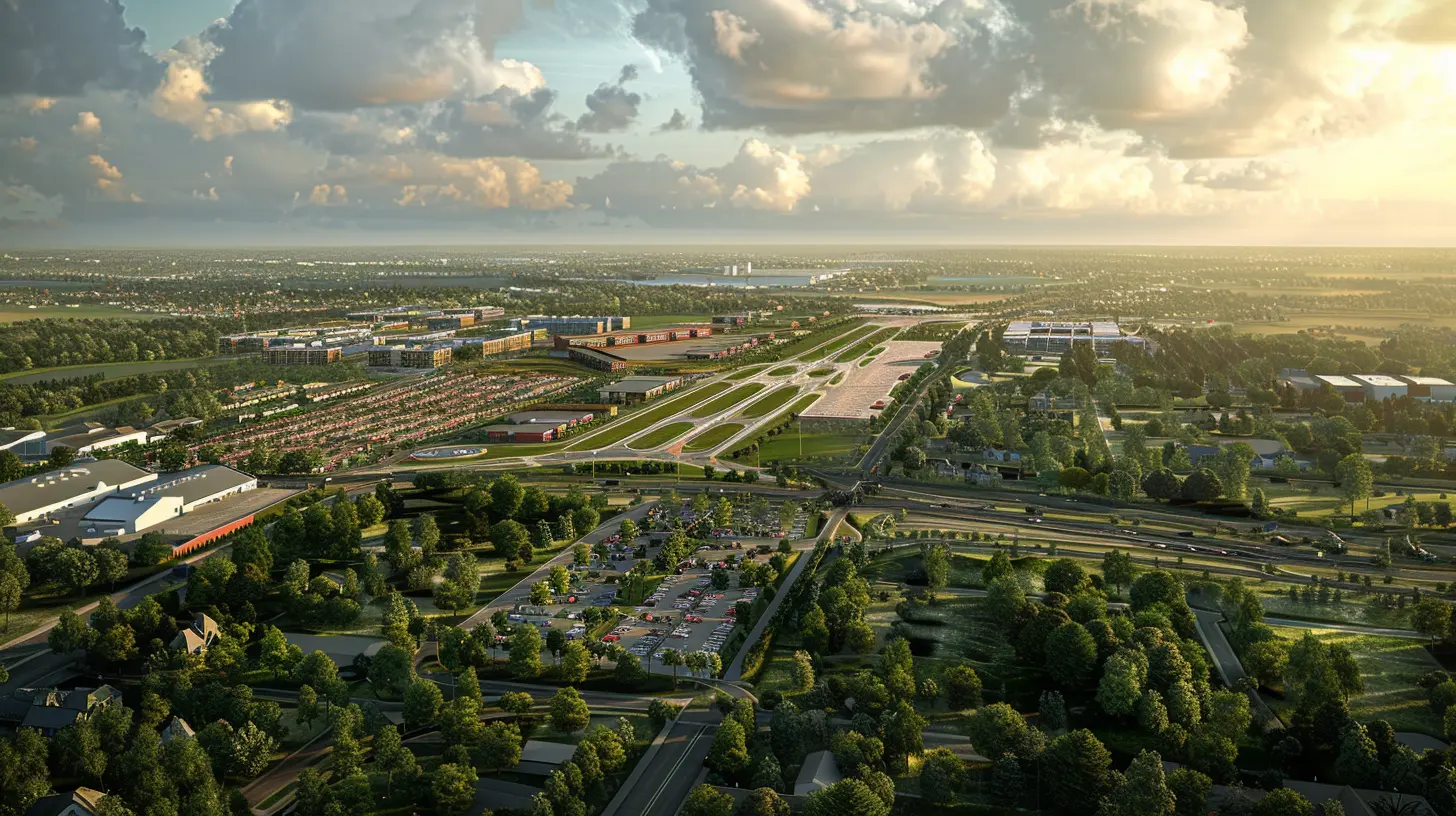
What Are Transportation Hubs?
Before we get into their impact, let's define what we mean by “transportation hubs.” These are key points in a transit network where various modes of transportation intersect, facilitating the movement of people and goods.Some common examples include:
- Airports – Connecting cities globally and boosting tourism and commerce
- Train Stations – Serving as major commuter and freight transport hubs
- Bus Terminals – Ensuring smooth public transportation systems
- Highway Intersections – Encouraging commercial and residential expansions
- Ports – Driving economic activity through trade and logistics
Each of these hubs plays a critical role in determining how urban and suburban areas expand and evolve. 
How Transportation Hubs Spur Land Development
1. Boosting Property Values
One of the most immediate and obvious effects of a transportation hub is an increase in property values. Land that once seemed unremarkable can skyrocket in price when it’s suddenly close to a new highway or train station.Think about it—if you're looking for a home, wouldn't you prefer one with easy access to public transport? Businesses think the same way. Being close to a transit hub means more foot traffic, easier logistics, and a generally more attractive location.
Studies have shown that properties near well-connected transportation sources often see 35-50% higher appreciation rates compared to those farther away.
2. Encouraging Commercial Investments
Transportation hubs attract businesses like moths to a flame. The easier it is for customers, employees, and supplies to reach a location, the more appealing it becomes for companies.Take a look at areas around major airports; they often flourish with hotels, office buildings, and entertainment complexes. Similarly, train stations are surrounded by retail stores, restaurants, and corporate offices—all benefiting from the steady flow of commuters.
3. Accelerating Residential Growth
Where there’s commercial activity, residential growth follows. Cities that expand their transportation networks see a surge in housing development. New high-speed rail lines, metro expansions, or even an upgraded highway can turn previously overlooked suburbs into prime real estate.A great example is how cities expand around subway extensions. When a new metro line is announced, developers rush in to buy land around planned stations. Soon, high-rise apartments, shopping districts, and entire communities spring up, creating vibrant neighborhoods where there was once nothing but empty land.
4. Reducing Urban Sprawl
Urban sprawl—where cities stretch out endlessly with little planning—can be a problem. But transportation hubs help counter this by encouraging higher-density, well-planned development near their locations.When cities build reliable transport networks, people no longer have to live miles away from economic centers just to find affordable housing. Instead, more efficient urban planning allows for mixed-use developments—places where people can live, work, and shop without needing long commutes.
5. Revitalizing Underdeveloped Areas
Some areas remain stagnant for years, with vacant lots and underused properties. But introduce a transportation hub, and suddenly, things change.A prime example of this is the transformation of New York City’s Hudson Yards. Once an overlooked industrial space, massive transportation investments—including rail connections—turned it into one of the most ambitious commercial and residential developments in recent times.
Investors recognize the potential of being near transport hubs and are willing to take on redevelopment projects. These projects create jobs, attract tourism, and breathe new life into previously neglected spaces. 
Challenges in Transportation Hub-Driven Development
While transportation hubs offer huge benefits, they also come with challenges. Not every development near a hub is automatically a success.1. Traffic Congestion
More attractions = more people = more traffic. Cities need to plan for increased congestion when introducing a new transit hub. Without proper infrastructure, seamless movement can turn into never-ending gridlock.2. Land Speculation & Price Hikes
Speculators may buy up land near an upcoming transportation project, driving prices beyond affordability. This can push out lower-income residents or small businesses that once thrived in the area.3. Environmental Concerns
While transit hubs reduce reliance on cars (helping the environment), construction, increased human activity, and urbanization can negatively impact natural landscapes. Sustainable planning is essential.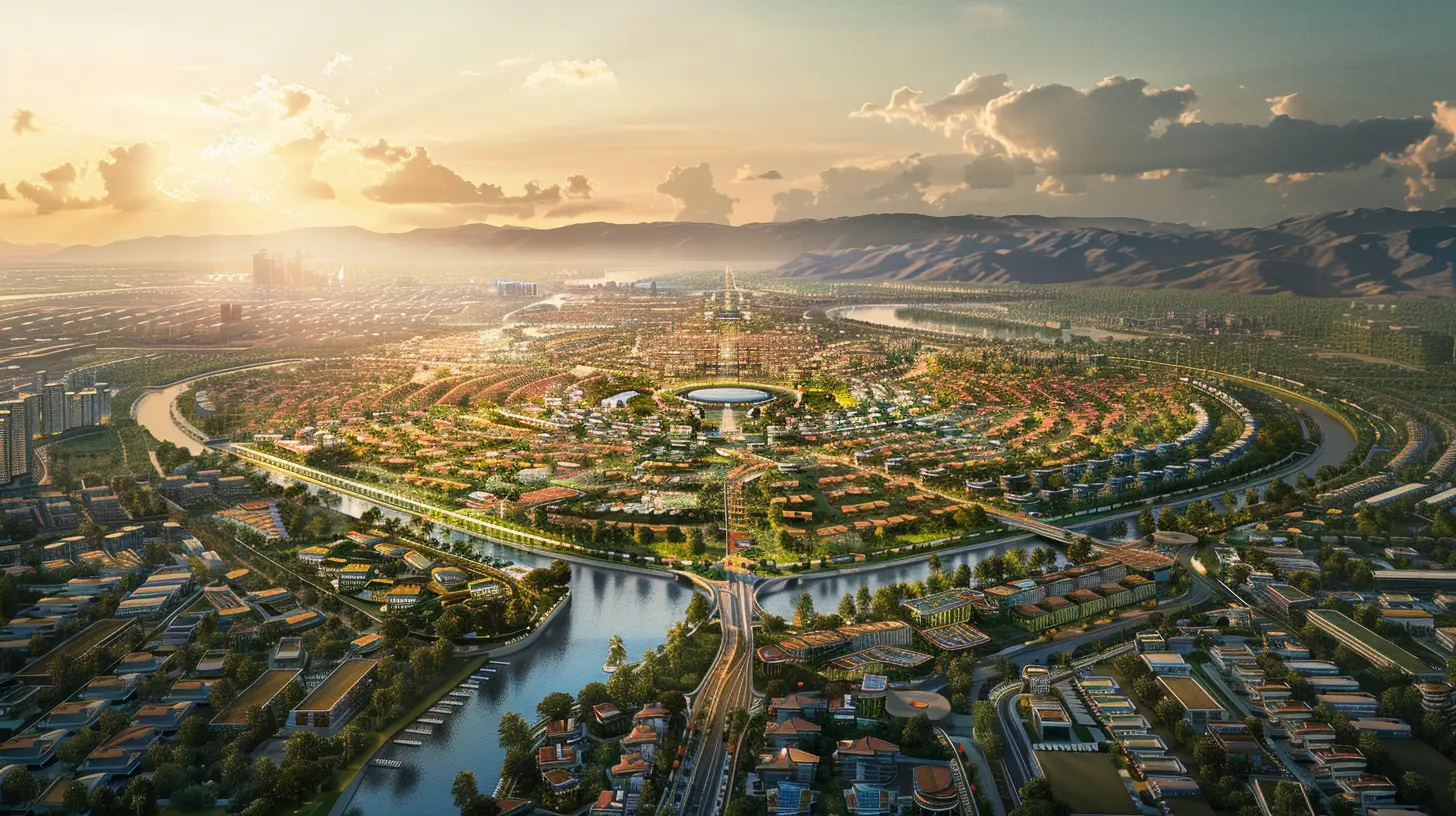
Best Practices for Maximizing Development Potential
So, how can cities, investors, and developers make the most of transportation hubs while minimizing downsides?Smart Zoning & Mixed-Use Development
Instead of just building houses or offices, cities should encourage mixed-use developments—places where retail, office spaces, and homes all coexist. This ensures a vibrant community rather than just another commercial district.Invest in Supporting Infrastructure
It’s not just about the hub itself—sidewalks, bike lanes, green spaces, and secondary roads are just as important in ensuring smooth transit and livability.Affordable Housing Initiatives
Cities can introduce policies ensuring that lower-income residents aren’t forced out due to soaring property prices. Rent controls, subsidized housing, and inclusive development policies help maintain economic diversity.Public-Private Partnerships
Governments don’t have to do everything alone. Collaborating with private investors ensures well-funded, efficiently managed transportation projects that benefit both businesses and residents.The Future of Transportation Hubs & Land Development
With rapid advancements in transportation—high-speed rail, smart transit systems, and even talk of hyperloop networks—the impact of transportation hubs is only going to grow.Emerging trends like Transit-Oriented Development (TOD) focus on creating walkable, high-density communities built around efficient public transit. Cities worldwide are adopting this model, ensuring sustainable and well-planned urban growth.
As we move toward eco-friendly transit solutions and smart city technologies, transportation hubs will continue to be at the heart of land development. Whether you’re looking to invest, develop, or just understand how cities evolve, one thing is clear—transportation hubs aren’t just points on a map; they’re catalysts for transformation!
Final Thoughts
Next time you see a new train station or airport expansion in the news, don’t just think of it as another construction project. It’s a sign of future growth, increased land value, and new opportunities.From boosting property prices to reshaping entire neighborhoods, transportation hubs are one of the most powerful forces in real estate development. Understanding their impact can help investors, city planners, and even everyday homeowners make smarter decisions about where and when to buy, build, or invest.
So, whether you’re a real estate enthusiast, a city-lover, or just someone fascinated by how urban landscapes change, keep an eye on transportation hubs. They’re shaping the future—one station, airport, and highway at a time.
all images in this post were generated using AI tools
Category:
Land DevelopmentAuthor:

Melanie Kirkland
Discussion
rate this article
1 comments
Zadie Thornton
Transportation hubs: the heartbeat of land value.
June 17, 2026 at 3:14 AM
Melanie Kirkland
Absolutely, transportation hubs significantly enhance land value by improving accessibility and connectivity, driving both development and investment opportunities.