The Landscape of Second-Home Ownership: Predicted Trends
29 January 2026
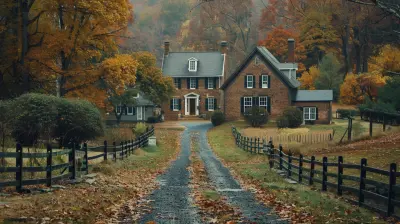
Second homes used to be considered a luxury reserved for the ultra-wealthy. A beach house in Malibu? A ski chalet in Aspen? Sure—if you were an A-list celeb or tech mogul. But times have changed, and if you look around today, you’ll notice something different. Second-home ownership is no longer just about status. It’s evolving—and fast.
Let’s break down what’s happening in the world of second properties, what’s likely to come, and how it may affect your real estate decisions in 2024 and beyond.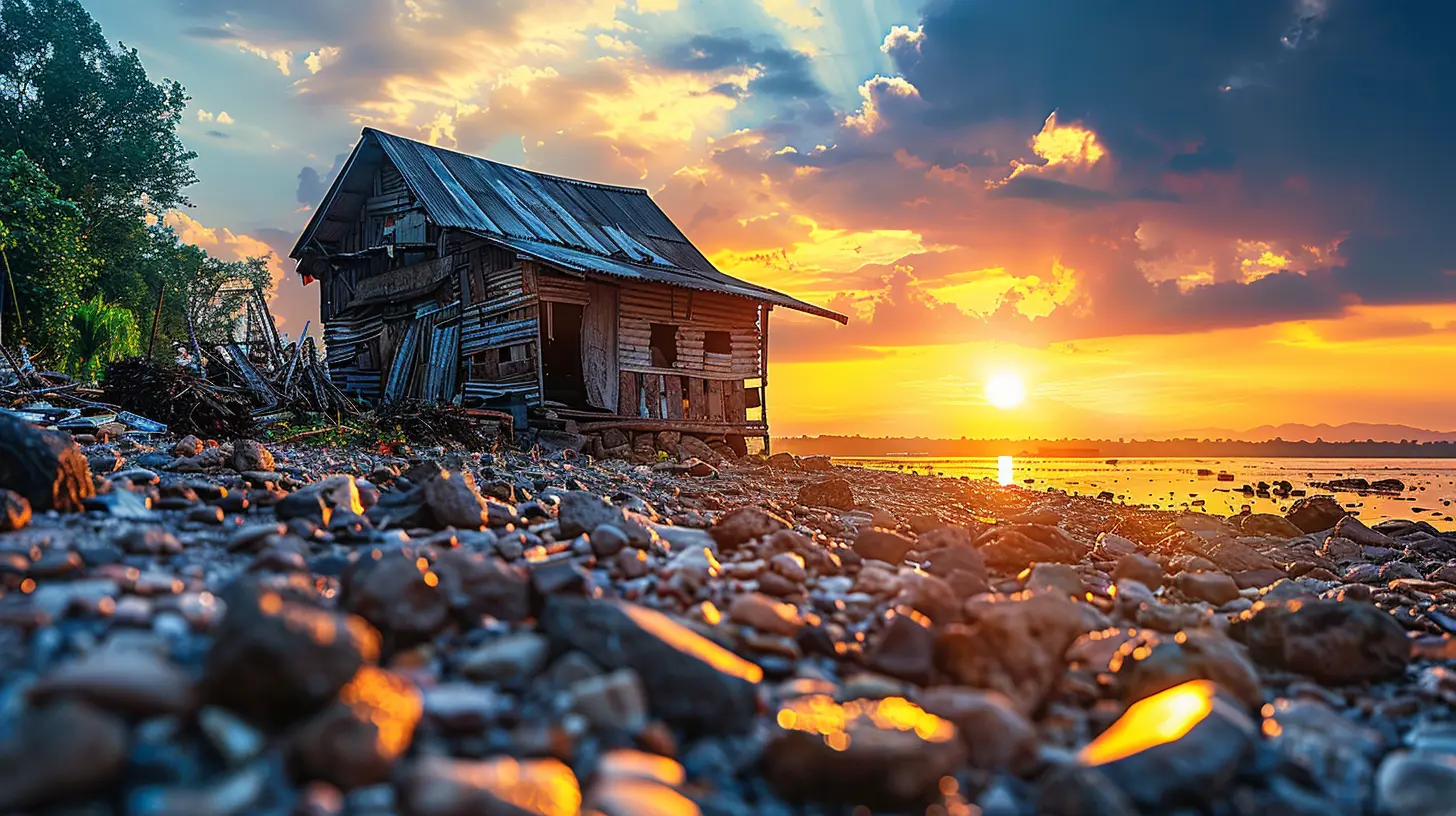
What’s a “Second Home” Anyway?
Before we dive deep, let’s unpack the term. A second home typically refers to a property that someone owns in addition to their primary residence. Think vacation homes, rental investments, or even a “getaway” cabin in the woods.But here's the kicker: second homes are no longer just about vacations. People are now buying them to work remotely, retire early, rent out for extra income, or simply hedge against inflation. Pretty multifaceted, right?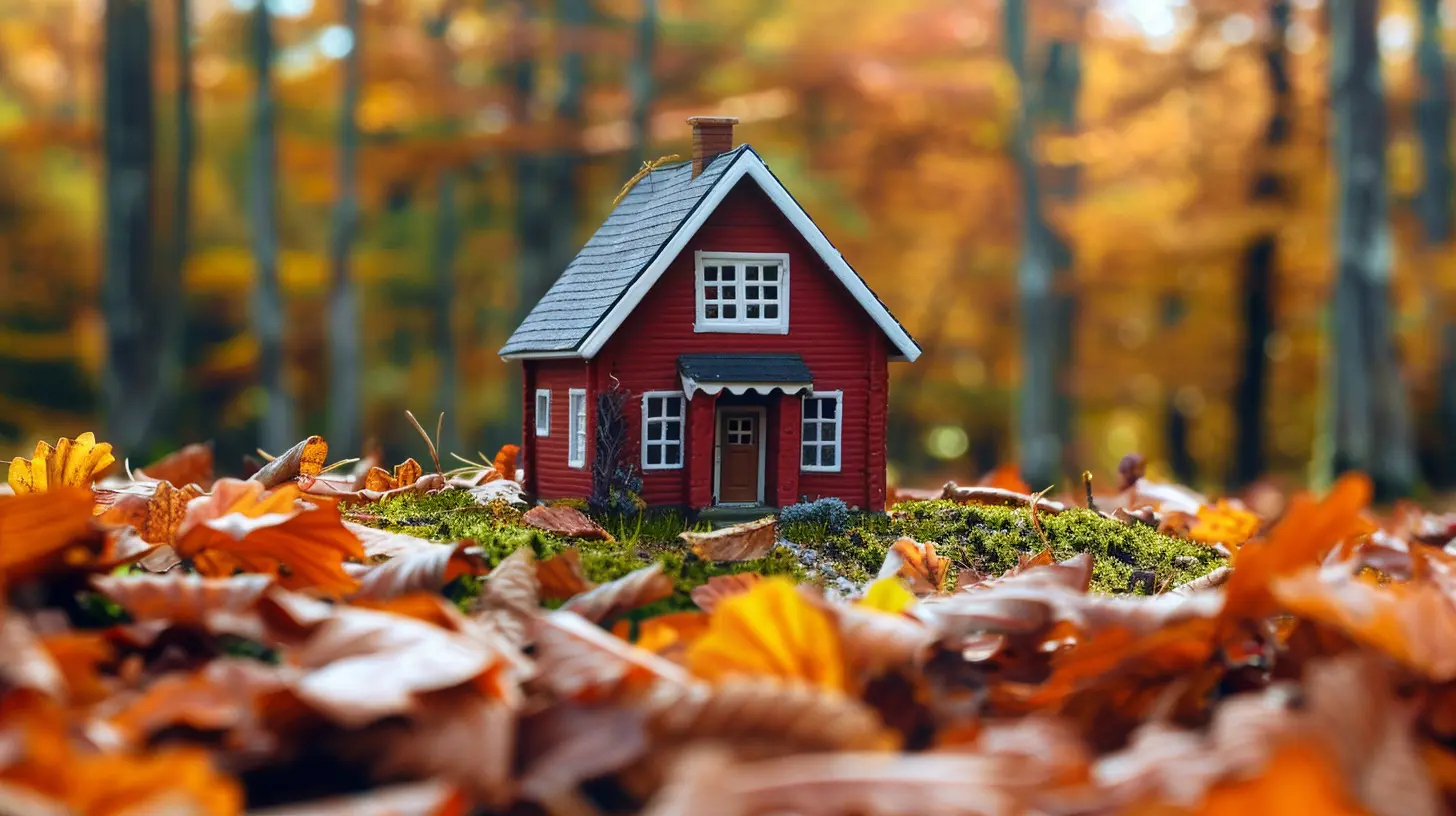
Why The Sudden Shift in Second-Home Ownership?
Let’s call out the elephant in the room—COVID-19. Yep, that global curveball didn’t just change how we live—it completely rearranged how we think about space and location.When office buildings locked their doors and everyone started working from home, people realized they didn’t have to stay shackled to pricey city apartments. They could work from a lakefront home in Vermont or a quiet desert home in Arizona. That mindset hasn't faded. In fact, it’s amplified.
The Rise of Remote Work
Remote work isn’t just a trend—it’s the new normal. And as long as your Wi-Fi’s strong, you can practically work from anywhere. That means second homes aren’t just “relaxation zones” anymore—they’re part-time offices too.Escaping Urban Stress
Cities are loud, crowded, and—let’s be honest—expensive. Many are trading the high-rise chaos for mountain serenity or seaside calm. Owning a second home provides that much-needed escape route. It's like hitting a reset button after a hectic week.Generational Wealth & Investment Strategy
Here’s a wild stat: Millennials are officially buying more real estate than Boomers. And a growing chunk of them are buying second homes not just to enjoy, but as long-term investments. With inflation on the rise, real estate offers some comforting stability compared to stock market volatility.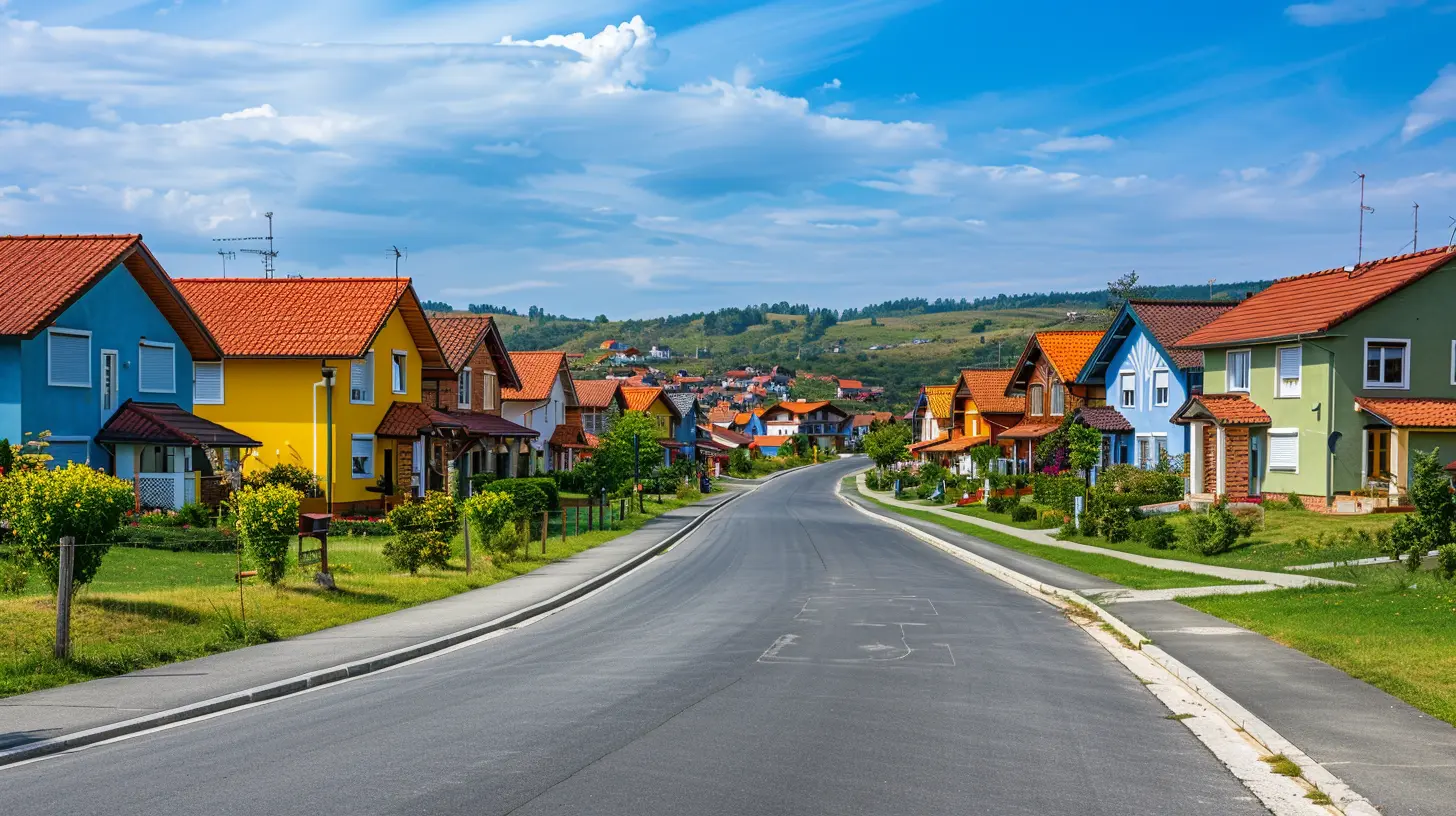
Predicted Trends in Second-Home Ownership
So, where is this all heading? Let’s read the room and look into the crystal ball.1. Hybrid Home Usage Will Dominate
Gone are the days when your vacation home sat empty 45 weeks a year. Owners in 2024 want double—or triple—the value. People are using their second homes as:- Part-time remote workspaces
- Seasonal rentals (thanks, Airbnb!)
- Retirement prep pads
- Family legacy properties
Expect more multi-functional second homes in the near future.
2. Smaller Markets See Big Demand
Major metro areas like New York, San Francisco, or L.A. used to hog attention. But now? Real estate investors and second-home buyers are eying smaller, quieter, and more affordable towns.Places like:
- Asheville, NC
- Bend, OR
- Bozeman, MT
- Traverse City, MI
These towns offer charm, culture, and connectivity without the sticker shock.
Also, properties in these areas are appreciating at surprising rates. That’s a win-win.
3. The Rise of “Zoom Towns”
Heard of this term? A Zoom town is a small community that’s booming because remote workers are, well, zooming in. These towns are seeing skyrocketing property values and tons of new builds.The flip side? Infrastructure struggles and soaring costs of living. But from an investment angle, it’s juicy.
4. Fractional Ownership & Co-Buying Models
Buying a whole second property can be costly. Enter: fractional ownership. Think of it like a timeshare—except you’re actually buying a percentage of the home, not just renting time.Platforms like Pacaso and Ember are making this more mainstream. You get access to luxury properties without footing the entire bill. It's like owning 1/8 of a million-dollar home—and actually using it.
Also gaining traction? Co-buying with friends or family. Pooling resources = less burden, more fun (assuming you can all agree on decor).
5. Sustainability Will Matter More
Eco-conscious living is no longer a fringe idea. Buyers increasingly want energy-efficient homes, solar panels, reclaimed materials, and smart tech.This is especially true in nature-heavy second-home locations. Nobody wants to wreck the very scenery they came for.
6. Short-Term Rental Rules Will Tighten
Here’s the curveball: lots of cities and towns are starting to crack down on short-term rentals. They’re imposing stricter licensing, occupancy taxes, and even caps on the number of rentals allowed.Why? Locals are getting priced out. As more people buy second homes specifically to Airbnb them, residents are finding it harder to live in their own communities.
If you’re planning to rent your second home out, always check the zoning laws and local ordinances first.
Tech is Changing the Game
Smart home features are now the norm in second homes. From remotely controlled HVAC systems to AI-powered security cameras, homeowners want to manage their properties from a distance—and tech makes it seamless.Also, virtual showings, drone tours, and 3D floor plans let buyers scout properties from hundreds (or thousands) of miles away. This means people are making buying decisions without stepping foot inside the home. Wild, huh?
Financing is Evolving—But Still Tricky
Here's the deal: buying a second home isn’t quite as straightforward as your first. Lenders often require:- Higher down payments (10–20% minimum)
- Higher credit scores
- Proof of income stability
- Higher interest rates
But don't panic. Some banks are rolling out special second-home loan packages or bundling it with your primary mortgage. Creative financing will become more common as demand grows.
Want to get clever? Use rental income projections as leverage when applying for the loan.
Generational Differences in Second-Home Buyers
Let’s break down who's buying what — and why.Millennials (ages 27–42)
These digital natives are:- Entering their prime earning years
- Embracing remote work
- Viewing second homes as income properties
Millennials also care deeply about location diversity, sustainability, and lifestyle alignment.
Gen X (ages 43–58)
Often buying for:- Retirement plans
- Education (college towns for their kids)
- Family getaways
They’re less concerned about trends and more focused on long-term value.
Baby Boomers (ages 59–77)
Boomers are:- Downsizing from large homes
- Looking for accessible layouts
- Often paying in cash
They tend to gravitate toward warm-weather locations with active lifestyle communities (think golf, pickleball, and low taxes).
Risks & Challenges to Watch Out For
Second-home ownership sounds dreamy, no doubt. But it's not a fairytale. You’ll want to prepare for:- Maintenance headaches: Who's going to fix the plumbing when you're 500 miles away?
- Market volatility: Secondary markets can swing faster.
- Rental vacancies: Don’t assume year-round bookings.
- Insurance costs: Waterfront homes = higher premiums.
- Legal hiccups: Local laws can change suddenly.
Always have a backup plan—and an emergency fund—for your second home. Think of it like having a car without a spare tire. Risky, right?
Is a Second Home Right for You?
You’ve read the trends, weighed the pros and cons, and maybe even imagined yourself sipping morning coffee on a porch in some remote paradise.But here's the bottom line—it depends on your goals.
Ask yourself:
- Do I want a lifestyle upgrade or a cash-flowing asset?
- Can I handle the financial and logistical commitments?
- Will this property serve multiple purposes?
If the answer is a hearty “yes,” then now might be the time to start scouting your perfect second home.
Final Thoughts
The landscape of second-home ownership is shifting—and fast. No longer just reserved for the rich and famous, owning a second home is becoming more accessible, more practical, and more purposeful.Whether as an investment, a lifestyle choice, or a little bit of both, second homes are here to stay. Just remember: do your homework, stay flexible, and plan for the long haul.
Because in 2024 and beyond? A second home isn’t just a dream—it might be your smartest move.
all images in this post were generated using AI tools
Category:
Real Estate ForecastAuthor:

Melanie Kirkland
Discussion
rate this article
2 comments
Beatrice Patel
As second-home ownership evolves, it's crucial for buyers to stay informed about emerging trends. Understanding market dynamics, remote work shifts, and location preferences will help in making informed investment decisions.
February 14, 2026 at 5:11 AM
Melanie Kirkland
Absolutely! Staying informed about market dynamics and evolving preferences is key for second-home buyers to make savvy investment choices.
Uriel Cook
The article insightfully explores the evolving dynamics of second-home ownership, highlighting trends such as remote work's influence on location preferences and the increasing demand for sustainable properties in emerging markets.
February 2, 2026 at 4:27 AM
Melanie Kirkland
Thank you for your thoughtful feedback! I'm glad you found the exploration of remote work and sustainability trends in second-home ownership insightful.