The Legal Side of Land Development: Permits, Regulations, and Compliance
29 May 2026
So, you've got your eye on a juicy piece of land and you're daydreaming about what it could become—a bustling strip mall, a cozy suburban neighborhood, maybe even a funky co-working space. But hold on, before those dreams become blueprints, you’ve got to conquer something that isn’t quite as glamorous: the legal side of land development. We're talking permits, zoning codes, environmental rules, and piles of paperwork that could make your head spin.
Let’s be real for a minute: this part of the process isn’t as exciting as designing a modern loft, but it’s absolutely essential. Miss a step, and your entire project could be delayed—or worse, shut down completely. Let’s break it all down in plain English and make sure you’re not caught off guard.

Why Legal Compliance Matters in Land Development
Before we dive into the nitty-gritty, let’s clarify one thing: why should you even care about permits and regulations?Well, imagine building a house only to find out it’s smack in the middle of a protected wetland. Or kicking off construction without a permit and getting slapped with a massive fine. Not exactly the dream, right?
Legal compliance is the foundation of any successful land development project. It helps you:
- Avoid costly fines and delays
- Ensure the safety and functionality of your build
- Protect the environment
- Work within community guidelines
- Keep future buyers, tenants, and neighbors happy
Bottom line? You need to treat the legal side with as much respect as your architectural plans.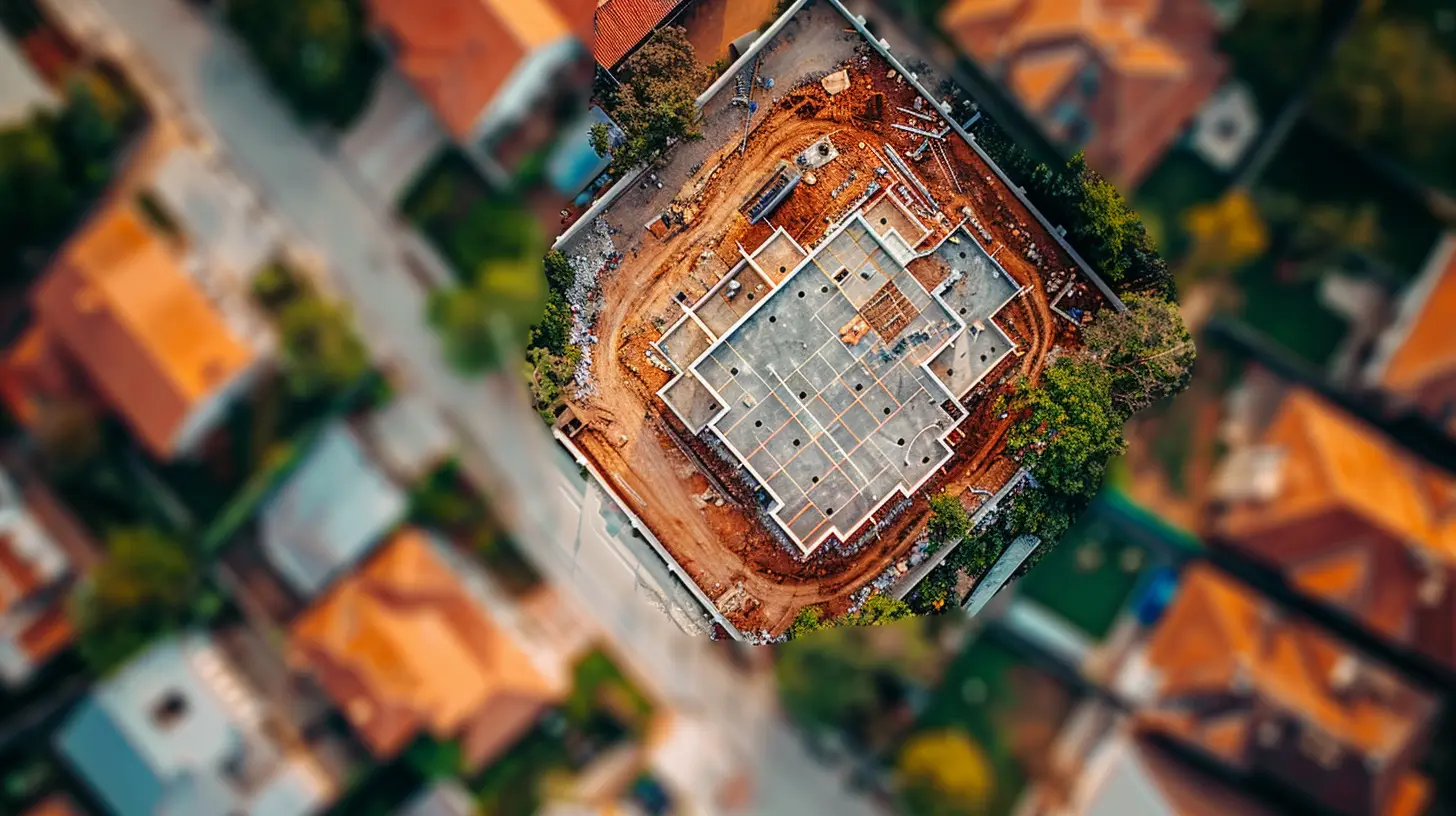
Step 1: Understanding Zoning Laws
Alright, let’s start at the top: zoning.What Is Zoning?
Zoning laws dictate how land can be used in specific areas. Think of zoning as the traffic cop of land development—it tells you where you can build a skyscraper and where you’re limited to a single-family home.Common Zoning Types:
- Residential – Single-family, multi-family, mobile homes, etc.- Commercial – Retail, office spaces, restaurants
- Industrial – Warehouses, factories
- Agricultural – Farms, greenhouses
- Mixed-Use – Combines commercial and residential
Why Zoning Matters
Here's the kicker: even if you own a piece of land, you can’t just build whatever you want on it.Before you buy or plan, check with your local zoning department. If your dream doesn’t match the zoning laws? You might need to apply for a rezoning or variance—which isn’t exactly a walk in the park.
Step 2: Land Use Permits – The Gate to Development
If zoning laws are the rulebook, permits are your official permission slip to play.What Are Land Use Permits?
These are approvals granted by local or state authorities that allow you to develop land based on specific rules. Think of them as the green light after a very detailed inspection of your plans.Key Permits You Might Need:
- Building Permits – For construction, renovation, or demolition- Grading Permits – For reshaping land through excavating or filling
- Environmental Permits – If the land impacts air, water, or wildlife
- Occupancy Permits – Before folks can move in or start operations
- Utility Permits – For water, gas, electricity connections
Sounds like a lot, right? It is—but cutting corners here can bring your project to a screeching halt.
Step 3: Environmental Regulations – Nature Has a Say Too
We all love a bit of greenery, but from a developer’s perspective, Mother Nature can be a serious stakeholder.Environmental Constraints to Watch Out For:
- Wetlands Protection- Endangered Species Habitats
- Soil Contamination
- Flood Zones
- Air and Water Quality Standards
Agencies That Might Get Involved:
- EPA (Environmental Protection Agency)- Army Corps of Engineers (especially for wetlands)
- Local environmental departments
If your project impacts any of these, you’ll likely need an Environmental Impact Assessment (EIA). This report evaluates how your development could affect the environment and outlines ways to mitigate damage.
So yeah, you can't just bulldoze through a butterfly sanctuary.
Step 4: Subdivision and Plat Approval
Thinking about splitting a big ol’ plot of land into smaller lots? You’re going to need subdivision approval.What’s a Plat?
A plat is a map showing how you’ll divide a tract of land. It includes lot dimensions, roads, easements, and other features.Why It’s Important:
Municipalities want to ensure that new developments:- Fit the local infrastructure (roads, sewage, water)
- Meet density and setback requirements
- Provide for public spaces or access
You’ll need to submit your plat to the local planning board for review. This usually involves public hearings, so be ready to explain your vision—and hear concerns from neighbors.
Step 5: Dealing with Easements and Right-of-Ways
This part often catches people off guard. You might own the land, but not all the rights to it.What Are Easements?
Easements grant someone else the right to use your land for a specific purpose—like utility access or a shared driveway.Right-of-Ways
These are legal routes that allow others (usually the public or utility companies) to travel across a portion of your land.Before you dive into development, have a land surveyor check for recorded easements or encroachments. You don’t want to build a fence only to find it blocks the city's access to power lines.
Step 6: Stormwater Management and Utilities
You can’t just pave over nature and expect it all to work out. Your project needs to handle water drainage, utility access, and other infrastructure needs.Stormwater Management
This involves planning for how rainwater will flow on your site. The goal is to prevent flooding and contamination.Utility Hookups
You’ll need permits and inspections for:- Sewer lines
- Water supply
- Electricity
- Gas
- Internet and cable
This stuff often requires coordination with local utility companies and city engineers. It’s not sexy, but it’s essential.
Step 7: Building Codes and Inspections
Alright, you’re finally building—exciting stuff! But you’re not totally out of the legal woods yet.Building Codes
These are standardized regulations that dictate how structures should be built to ensure safety and livability. Think fire exits, wiring, plumbing, and structural integrity.Inspections Throughout the Process
Inspectors will check:- Your foundation
- Electrical systems
- Plumbing
- Structural framing
- Final safety compliance
Each phase of construction typically needs its own inspection. Fail one, and you’ll need to fix it before moving forward.
Step 8: Final Approval and Certificate of Occupancy
You’ve crossed every T, dotted every I, and completed construction. Now what?Certificate of Occupancy (CO)
This little document is your official stamp of approval from the city or county saying, “Yep, it’s safe for people to live or work here.”Without a CO, you can’t legally occupy or sell the property. So yes, it’s very much a big deal.
Common Pitfalls to Avoid
Even the savviest developers can trip up if they’re not careful.Watch out for:
- Skipping due diligence on zoning- Ignoring local community input
- Not budgeting time and money for permits
- Overlooking environmental red flags
- Assuming utility access is a given
Rule of thumb? If you’re unsure—ask. Local planning departments, real estate attorneys, and land use consultants exist for a reason.
Legal Help: When to Bring in the Pros
Let’s not sugarcoat it: land development law can be insanely complex.If you’re working on a large-scale or controversial project, do yourself a favor and talk to:
- A real estate attorney
- A land use planner
- An environmental consultant
- A civil engineer
They’ll help you sidestep risks and navigate any legal curveballs.
Wrapping It All Up
The legal side of land development is less glamorous than design and construction, but it's the part that keeps your project on solid ground—literally and figuratively.From zoning laws and permits to inspections and final approvals, each step involves a maze of rules you can’t afford to ignore. But here's the good news: with a bit of patience, good research, and the right team on your side, you can absolutely bring your vision to life—without getting lost in the legal weeds.
So next time you look at a plot of land and imagine all the possibilities, remember—before the dream rises, the paperwork must be in place.
all images in this post were generated using AI tools
Category:
Land DevelopmentAuthor:

Melanie Kirkland
Discussion
rate this article
1 comments
Zinn McGrath
Understanding the legal landscape of land development is crucial. Proper permits and compliance with regulations not only prevent costly delays but also ensure sustainable and responsible growth in the community.
May 31, 2026 at 3:47 AM
Melanie Kirkland
I completely agree. Navigating the legal landscape is essential for effective land development and community growth. Proper permits pave the way for a smooth process.