The Rise of Mixed-Use Communities in Suburban Neighborhoods
13 December 2025
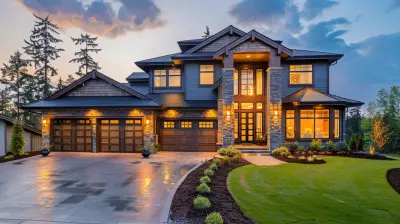
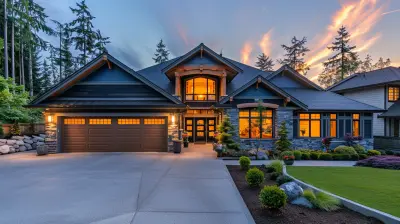
For years, suburban living meant spacious homes, quiet streets, and a daily commute to the city for work or entertainment. But times are changing. Suburban neighborhoods are no longer just sleepy residential areas—they’re evolving into vibrant, mixed-use communities where people can live, work, and play without ever needing to leave their neighborhood.
This shift isn't just a trend; it's a revolution in how we think about suburban living. So, what’s driving this change, and why are mixed-use communities becoming the future of suburban neighborhoods? Let’s dive in. 
What Are Mixed-Use Communities?
Mixed-use communities are developments that blend residential, commercial, and recreational spaces into one integrated environment. Instead of separating homes from offices, shopping centers, and entertainment districts, these communities bring them all together.Imagine stepping out of your front door and walking to a coffee shop, gym, or even your workplace—all within a 10-minute stroll. That’s the essence of mixed-use living. These communities are designed for convenience, connection, and a better quality of life. 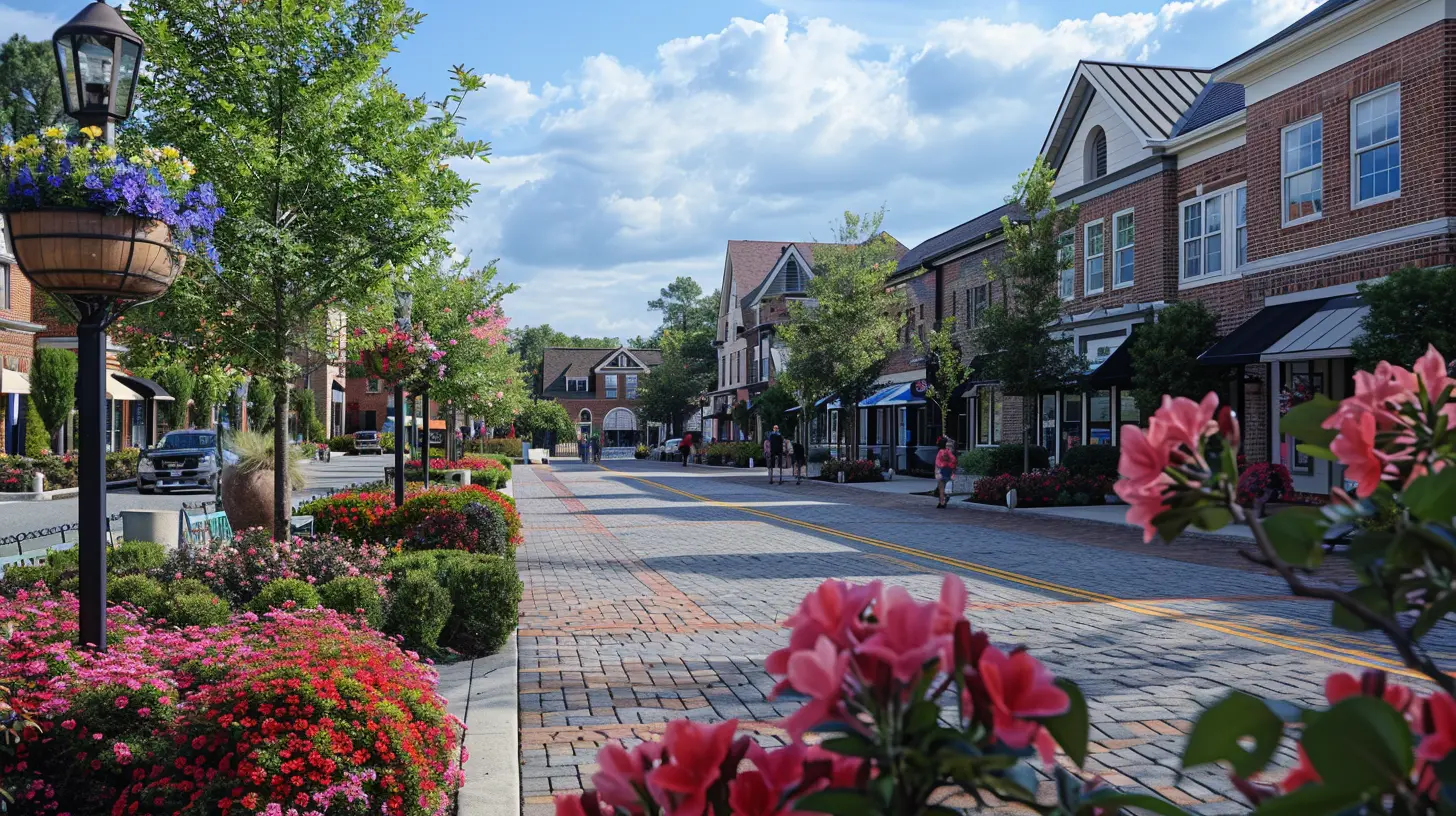
Why Are Mixed-Use Communities Gaining Popularity?
1. The Desire for Convenience
In today’s fast-paced world, convenience is king. People want to spend less time commuting and more time enjoying life. Mixed-use developments offer just that—easy access to shopping, dining, and even workspaces right in your own backyard.Think about it: no more battling traffic just to grab groceries or meet friends for dinner. Instead, everything is within walking or biking distance. That’s a game-changer for busy professionals, families, and retirees alike.
2. A Shift in Work Culture
Remote and hybrid work models have become the norm, reducing the need for long commutes. Many people are looking for communities that support their new work-from-home lifestyle.Mixed-use areas often include co-working spaces, coffee shops with high-speed internet, and even shared office hubs. This means you can get out of the house, switch up your work environment, and still be close to home—all without the hassle of a long drive.
3. A Strong Sense of Community
Unlike traditional suburban neighborhoods where interaction is limited to occasional greetings with neighbors, mixed-use communities foster a sense of connection. With parks, communal spaces, and local businesses, residents naturally interact more often.Instead of living in isolation behind closed doors, people engage with their surroundings—chatting with baristas, running into neighbors on morning walks, and supporting local businesses. This helps create a tight-knit, supportive community where people actually know and care about each other.
4. A More Walkable and Healthier Lifestyle
Let’s be honest—most suburban areas are designed for cars, not people. You need to drive everywhere, even for the smallest errands. Mixed-use communities flip that script by prioritizing walkability.With sidewalks, bike lanes, and pedestrian-friendly streets, these neighborhoods promote a more active lifestyle. Walking to your favorite café in the morning, biking to the gym, or jogging through a nearby park becomes second nature.
And the benefits? Better physical health, less stress, and a daily dose of fresh air.
5. Boosting Local Businesses
Mixed-use communities don’t just benefit residents; they’re a win for small businesses too. Local cafes, boutiques, yoga studios, and restaurants thrive in these environments because they have a steady flow of customers right at their doorstep.Instead of big-box stores or chain restaurants dominating the scene, you get more unique, community-driven businesses. This adds character to the neighborhood and creates a more personalized shopping and dining experience. 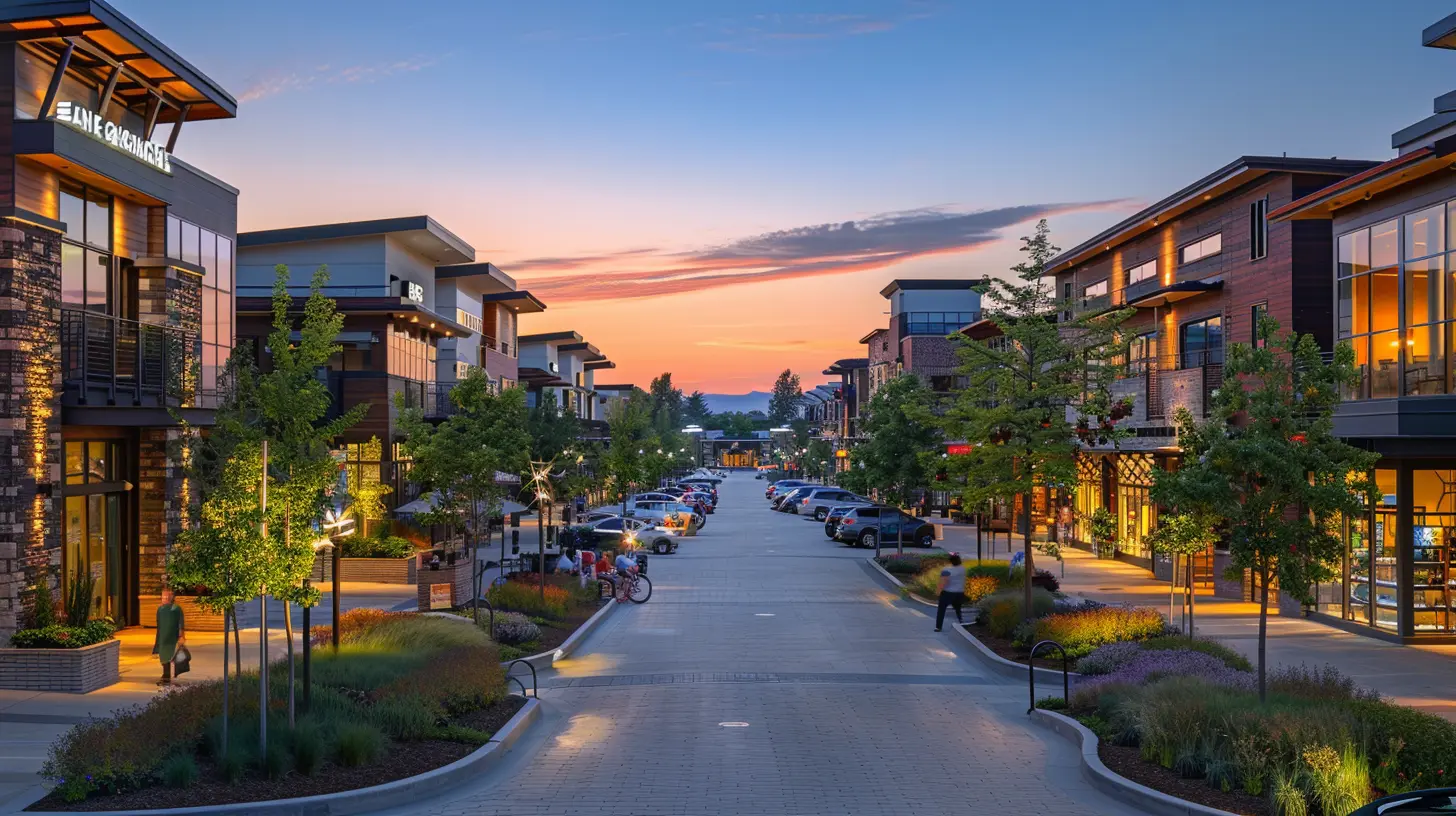
How Mixed-Use Communities Are Transforming Suburban Living
Redefining the Suburban Identity
For decades, ‘suburban living’ was synonymous with single-family homes and long commutes. But mixed-use developments are rewriting that narrative. The suburbs are no longer just places to sleep—they’re becoming dynamic hubs full of life and activity.This shift is especially appealing to millennials and Gen Z, who crave the energy of city life but also want the space, affordability, and tranquility of the suburbs. Mixed-use neighborhoods offer the best of both worlds.
Encouraging Sustainability
With a focus on reducing car dependency, mixed-use communities promote sustainability. Fewer car trips mean lower carbon emissions, and having green spaces, energy-efficient buildings, and community gardens helps build a more eco-friendly lifestyle.Plus, the accessibility of locally owned businesses reduces the need for long supply chains, further minimizing environmental impact.
Property Values Are on the Rise
If you're thinking about real estate investments, mixed-use communities are a solid bet. Properties in these areas tend to appreciate faster because of their high demand.After all, who wouldn’t want to live in a neighborhood that offers convenience, community, and high quality of life? As more people recognize the benefits, property values in mixed-use neighborhoods are only expected to climb.
Making Life More Enjoyable
At the end of the day, mixed-use living enhances everyday life. It eliminates boring commutes, increases social interactions, and makes it easier to maintain a healthy lifestyle.Instead of spending hours driving, you can catch up with friends at a nearby café, take an evening stroll through a vibrant town square, or simply enjoy the convenience of having everything you need right at your fingertips. 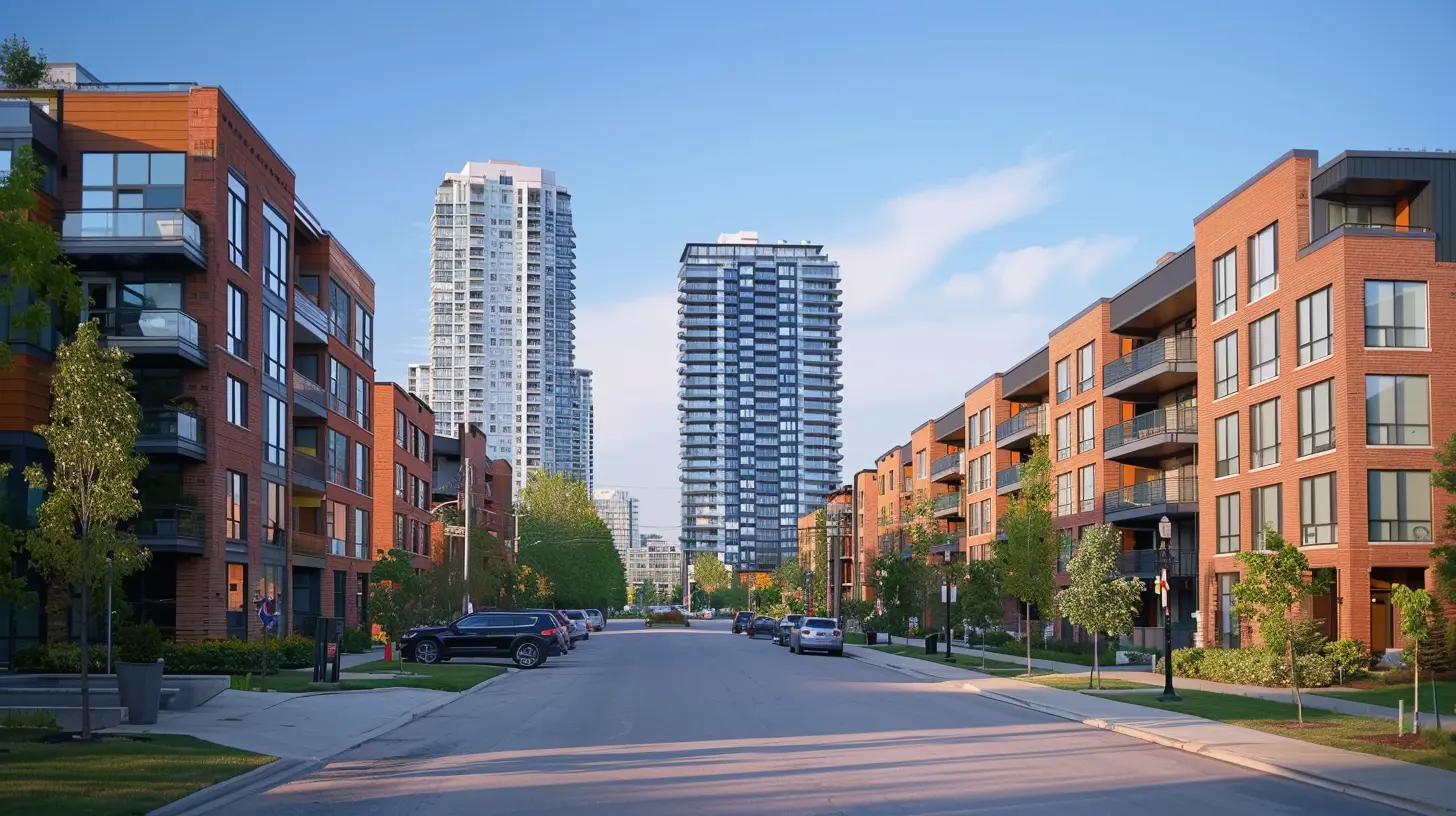
Challenges and Considerations
Of course, no development model is perfect. Here are a few challenges that come with mixed-use communities:- Higher Property Costs: Because these neighborhoods offer so much, home prices may be slightly higher than in traditional suburban areas.
- Increased Foot Traffic: With more businesses and communal spaces, residents might experience a livelier—not always quieter—atmosphere.
- Zoning and Planning Issues: Not all suburban areas are equipped for mixed-use developments, and some may face resistance from long-time residents who prefer traditional zoning.
However, as demand continues to grow and more cities adapt to this model, these hurdles are becoming less of an issue.
Is a Mixed-Use Community Right for You?
If you crave a neighborhood where everything is within reach—where you can grab coffee, go for a jog, meet friends for drinks, and work just steps from your doorstep—then a mixed-use community might be perfect for you.This lifestyle isn’t just for young professionals or retirees; it’s ideal for families, too. With safe, walkable streets, parks, and access to community events, kids can grow up in a dynamic and engaging environment.
So, whether you're looking to buy a home, invest in real estate, or simply relocate to a neighborhood that offers better quality of life, mixed-use communities are a trend worth considering.
Final Thoughts
The rise of mixed-use communities in suburban neighborhoods is more than just a passing trend—it’s the future of suburban living. It blends the best elements of city life and traditional suburban comfort into one seamless experience.With convenience, social connectivity, sustainability, and economic benefits, these communities are reshaping the way we live. The suburbs are no longer just a place to come home to after work; they’re now places where life happens.
So, the big question is: Are you ready to embrace the future of suburban living?
all images in this post were generated using AI tools
Category:
Suburban HomesAuthor:

Melanie Kirkland
Discussion
rate this article
2 comments
Summer Thompson
Who knew suburbs could be so chic? Mixed-use communities are turning sleepy neighborhoods into vibrant hubs—where coffee, yoga, and a quick grocery run are just a stroll away!
December 20, 2025 at 4:18 AM
Melanie Kirkland
Absolutely! Mixed-use communities are transforming suburban life, blending convenience and culture to create vibrant, walkable neighborhoods.
Astra Snyder
Suburbs: where your coffee shop is closer than your gym!
December 13, 2025 at 3:39 AM
Melanie Kirkland
Absolutely! The rise of mixed-use communities is transforming suburbs into vibrant spaces where convenience meets lifestyle, encouraging both relaxation and wellness.