The Rise of Smart Cities: What It Means for Land Developers
25 January 2026
If you've been keeping one eye on the skyline and the other on your smartphone, chances are you’ve heard the buzz about smart cities. No, we’re not talking about cities that pass SATs with flying colors. We're talking tech-savvy urban areas where everything—from traffic lights to trash cans—is getting an upgrade.
But what does that mean for land developers? Is it a golden opportunity? A complicated web of tech talk? Or just another buzzword that’ll fizzle out faster than last year’s TikTok trend?
Let’s dive into how the rise of smart cities is flipping the game board for land developers—and why now might be the perfect time to roll the dice.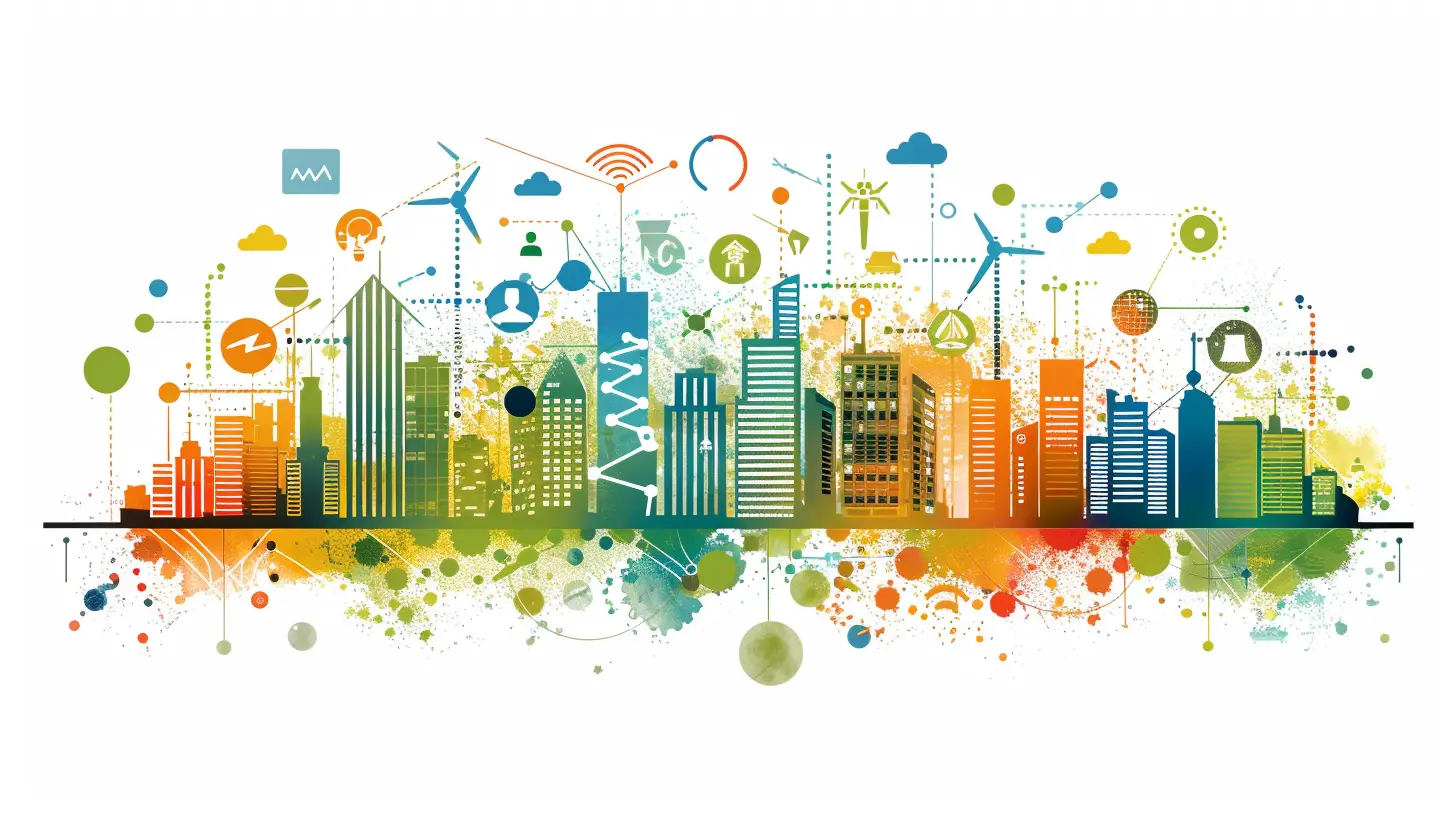
What Is a Smart City Anyway?
Before we get into the nitty-gritty, let’s break down what a smart city actually is. Think of a smart city as a city with a brain. It uses data, sensors, and the Internet of Things (IoT) to improve everything from traffic flow to energy usage.Smart cities aim to:
- Reduce environmental impact
- Increase efficiency
- Improve quality of life
- Make urban living more sustainable
It’s like turning your average city into a high-functioning, constantly learning, tech-powered organism. Kind of like giving your city a Fitbit... and a Tesla... and maybe even a nose for sniffing out inefficiencies.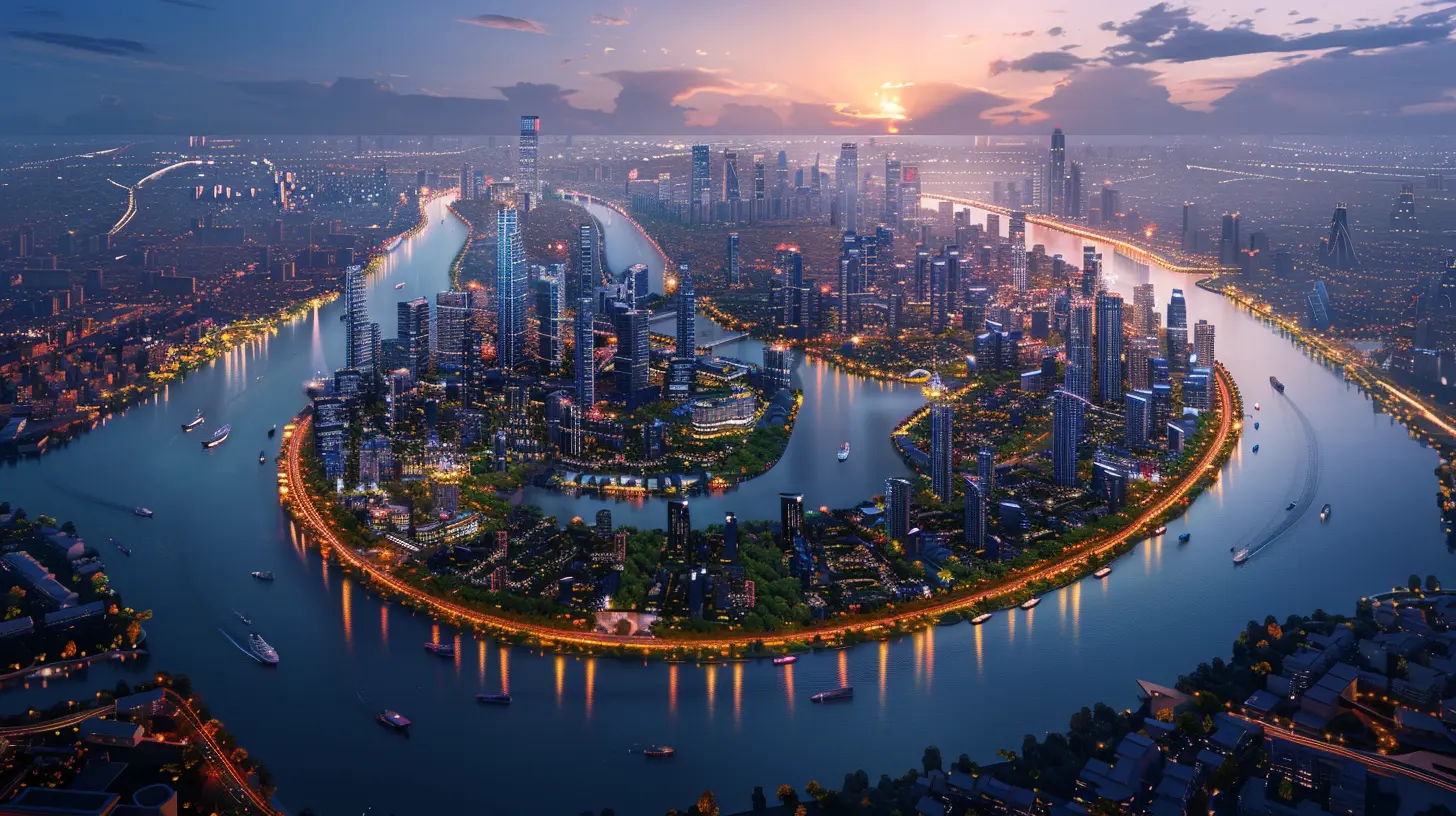
The Smart Shift: Urbanization Meets Innovation
Cities are growing—fast. By 2050, nearly 70% of the world’s population is expected to live in urban areas. That’s a lot of humans in a not-so-large space. So, what do we do? We go smart.Smart cities use technology to manage this growth smoothly. They collect data through connected devices, analyze it, and make real-time decisions. Think smart traffic lights that adjust based on conditions or buildings that monitor their own energy use.
This isn’t science fiction—it’s already happening in places like Singapore, Barcelona, and even parts of New York City.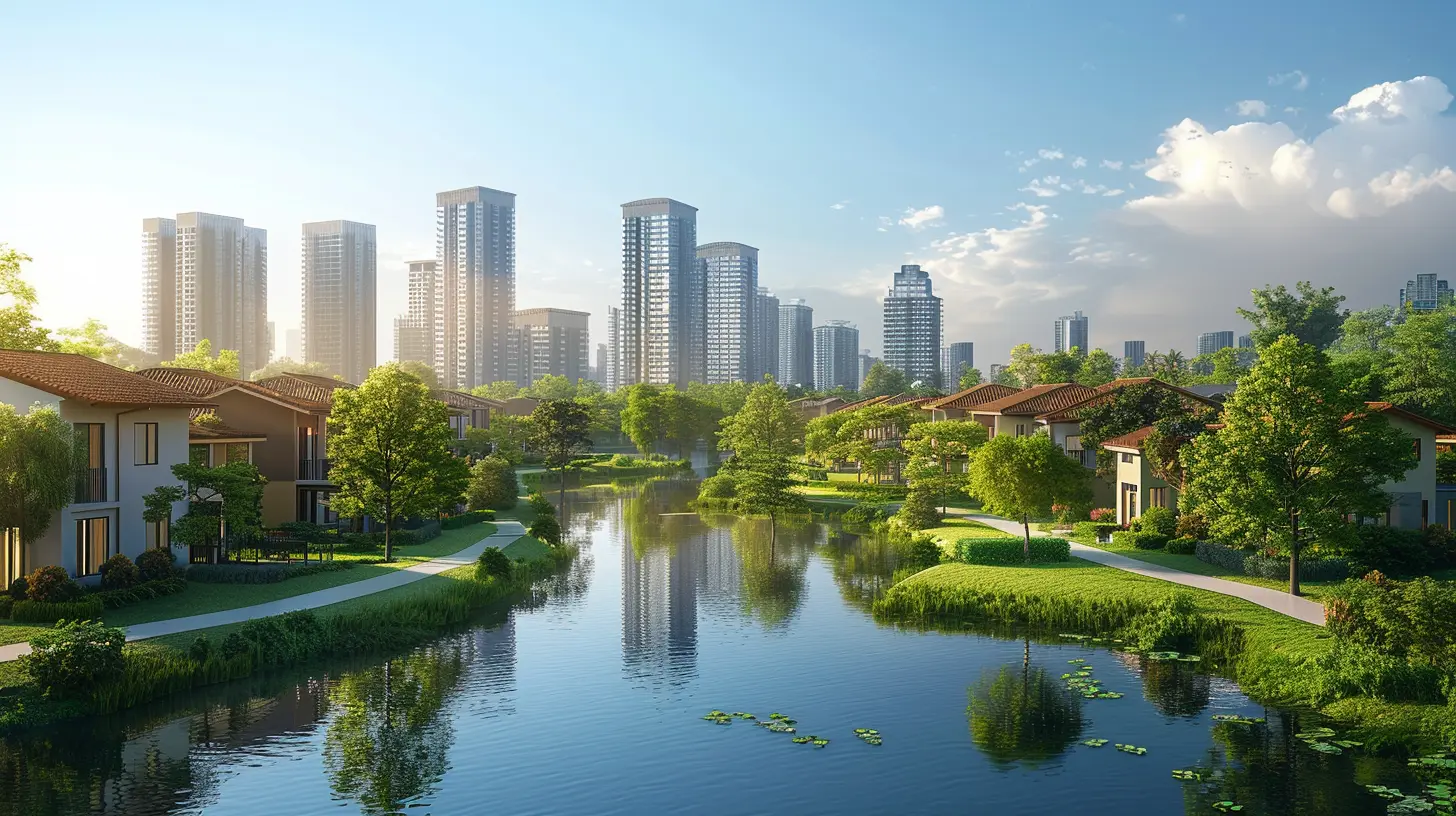
Why Should Land Developers Care?
Alright, you might be thinking: “Cool story, but how does this affect my land deals?”That’s where it gets interesting.
As a land developer, smart cities aren’t just a trend—they’re a call to evolve. Here's why:
1. Higher Demand for Mixed-Use Spaces
Smart cities thrive on integration. People want to live, work, and play in the same area. That means the traditional model of separate zones for residential, commercial, and retail is slowly going extinct.Mixed-use developments are the name of the game, combining housing, offices, green spaces, and entertainment all in one happy, walkable package.
For developers, this equals more opportunities to create vibrant, in-demand spaces—and potentially earn more per square foot.
2. Sustainability Is the New Currency
In smart cities, green is gold. Eco-focused infrastructure isn’t just a nice-to-have; it’s essential.Expect local governments to start enforcing stricter sustainability standards. Think solar panels, green roofs, energy-efficient systems, and sustainable building materials.
Developers who stay ahead of the curve—not scramble to catch up—will have a competitive edge. Bonus: going green can often mean lower utility bills for tenants and future owners, making your property more attractive.
3. Digital Infrastructure Is Non-Negotiable
Gone are the days when Wi-Fi was a luxury. In smart cities, digital connectivity is as critical as plumbing.Land developers need to start thinking about fiber-optics, 5G towers, and smart grids as part of the foundational blueprint. It’s like building an artery system for your development’s tech heartbeat.
Projects that offer cutting-edge connectivity will attract both investors and tenants looking for future-ready spaces.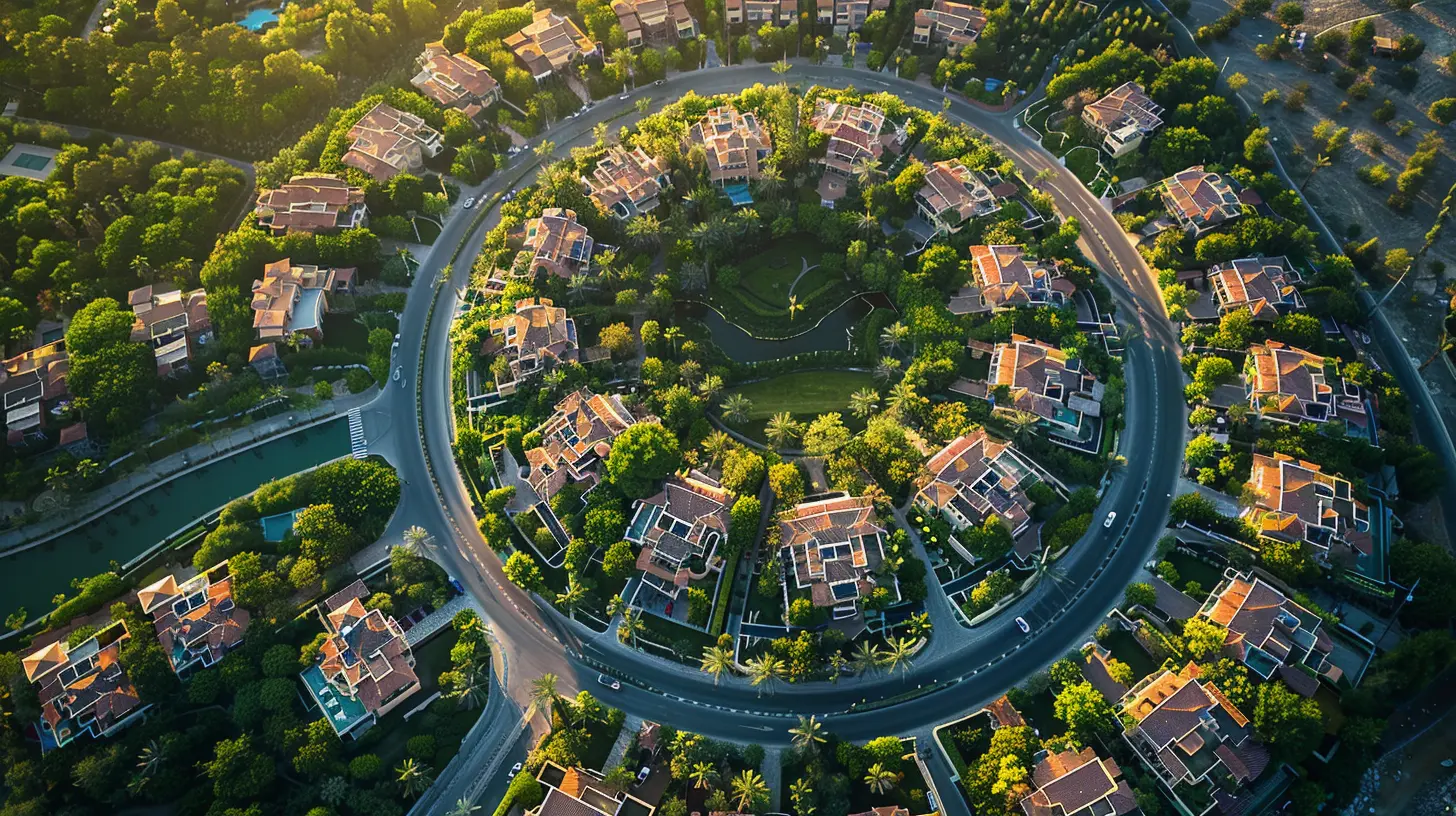
Tech-Savvy Tenants Are on the Rise
Let’s talk about the people moving into these smart cities. Spoiler alert: they’re just as smart—or at least tech-obsessed.From smart thermostats to app-controlled door locks, today’s tenants expect their living spaces to be as connected as their phones. These aren't just bells and whistles anymore—they’re standard expectations.
For developers, this means incorporating smart home features and community-wide tech (like shared EV charging stations or parcel lockers) right from the planning stages.
Ignore these trends, and you risk developing properties that feel outdated before they’re even open.
Don’t Just Build Smart—Build Flexible
Smart cities are evolving rapidly, and if there’s one thing developers should embrace, it's flexibility.Zoning laws? They’re adapting. Transportation models? Totally shifting. Consumer expectations? Changing by the year.
The key to survival (and success)? Designing for adaptability. Build spaces that can be reconfigured or expanded with changing needs. Use modular designs. Leave room for tech upgrades. Think chess, not checkers—plan a few moves ahead.
Collaboration Is the Secret Sauce
If the idea of dealing with all this tech is making your head spin, take a deep breath. You’re not in this alone.Smart cities are built on collaboration between developers, tech companies, utility providers, and local governments. Everyone brings a piece of the puzzle.
Partner with smart tech firms to integrate systems from the ground up. Work with city planners to align with future infrastructure projects. Think of it like assembling a superhero team—with you as the real estate visionary.
Location, Location... and Connectivity
You already know location matters, but in the era of smart cities, connectivity is part of the equation.Proximity to fiber lines, EV infrastructure, and public Wi-Fi hubs can seriously impact your property’s attractiveness (not to mention value).
Start including digital access points and network infrastructure in your feasibility studies. It might just tilt the scales in your favor when deciding which plots to invest in.
Government Incentives Are Sweetening the Deal
Still on the fence about diving into smart city development? Well, how about some free money (or at least a financial nudge)?Many local and national governments are offering juicy incentives—like tax breaks, grants, and fast-tracked permits—for developers who align with smart city goals.
Whether it’s building sustainable housing, integrating renewable energy, or setting up smart infrastructure, these perks can significantly lower your costs and boost your ROI.
The Competitive Advantage
Let’s get real for a second. If you’re not integrating smart city principles into your projects, someone else will.Developers who embrace this shift can future-proof their portfolios, boost demand, and build stronger relationships with stakeholders. Plus, you’ll earn a shiny reputation as a forward-thinking innovator—what’s not to love?
It’s not just about bricks and mortar anymore. It’s about bytes and bandwidth.
Future-Proof or Fall Behind
Here's the deal: smart cities aren’t just coming—they’re already here. And for land developers, that’s both a challenge and a massive opportunity.Adaptation isn’t optional; it’s the only way forward. Those who evolve with the smart city wave will be the ones shaping the urban landscape, not just building on it.
So, where do you want to stand—on the cutting edge or in the rearview mirror?
Final Thoughts
The rise of smart cities is more than just a tech trend—it’s the new urban reality. For land developers, this is your cue to think bigger, build smarter, and embrace change like never before.It’s no longer about just pouring concrete and laying bricks. It’s about building communities that are efficient, sustainable, and connected. Communities that aren’t just livable—but lovable.
So go ahead—put that “smart” hat on. The future’s calling, and it wants a high-tech neighborhood with good Wi-Fi and a whole lot of vision.
all images in this post were generated using AI tools
Category:
Land DevelopmentAuthor:

Melanie Kirkland
Discussion
rate this article
2 comments
Xavi Riley
Insightful perspectives on future developments!
February 12, 2026 at 3:56 AM
Melanie Kirkland
Thank you! I'm glad you found the perspectives insightful.
Genevieve Snow
This article highlights the exciting potential of smart cities for land developers. Embracing technology and sustainability is crucial, but it also calls for a thoughtful approach to urban planning. Balancing innovation with community needs will define the future of development.
January 28, 2026 at 4:45 AM
Melanie Kirkland
Thank you for your insightful comment! Balancing innovation with community needs is indeed key to fostering successful smart cities.