The Role of Community Events in Neighborhood Popularity
31 October 2026
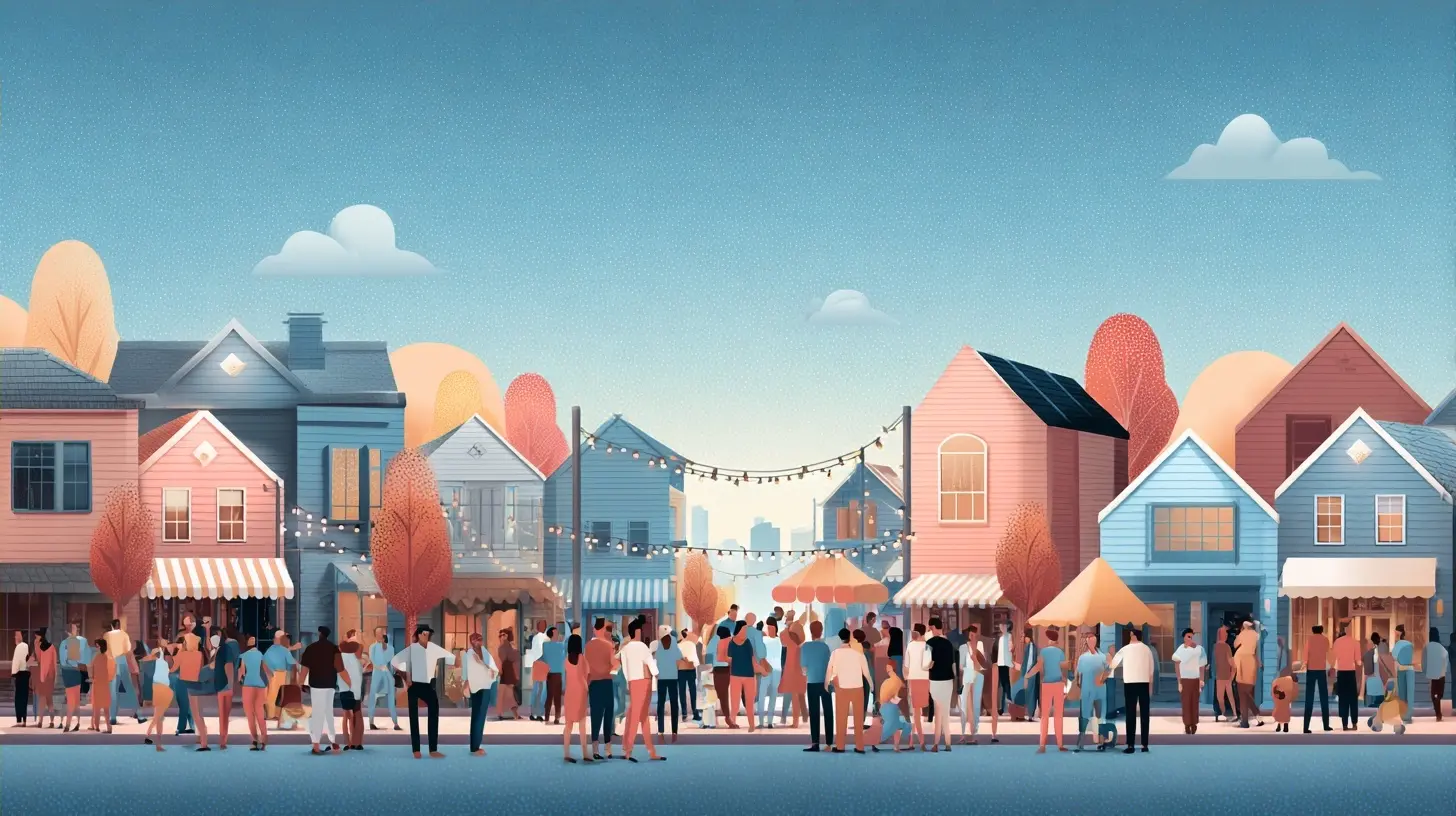
Let's cut the nonsense: buyers do not fall in love with a subdivision because of the granite countertops. They can get granite anywhere. They fall in love with a place because it feels alive, and nothing signals "alive" faster than a street full of people who actually want to be there. Community events are not fluff. They are a marketing asset, a retention tool, and a pricing lever all at once, and most neighborhoods treat them like an afterthought. That is a mistake you can fix.
This is not a feel-good piece about block parties. It is a hard look at how events move the needle on neighborhood popularity, when they backfire, and how to run them so they produce measurable results instead of a half-empty parking lot and a stack of leftover hot dog buns.
Why Events Drive Popularity More Than Amenities Do
Amenities are static. A pool is a pool. A dog park is a dog park. Buyers compare those features in a spreadsheet and move on. Events are dynamic, and dynamic things create stories.Here is the mechanism, and it matters because it explains everything that follows. Popularity is a function of demand, and demand comes from perception. Perception gets built in two places: what people see online, and what they hear from someone they trust. Events feed both channels at the same time.
When a neighborhood hosts a well-run event, three things happen almost automatically.
First, it generates social proof. Photos, videos, and word of mouth circulate without anyone paying for ads. A family who attended a fall festival tells a coworker. That coworker tells a spouse. The spouse searches the neighborhood name. This is not theory. It is how referral traffic builds for desirable communities.
Second, it manufactures belonging before purchase. Buyers who have attended an event in a neighborhood are no longer comparing four anonymous subdivisions. They are comparing one place where they know a face or two against three they do not. That emotional asymmetry is worth real money at the negotiating table.
Third, it filters for fit. Events attract the kind of people who like the kind of community you are building. A neighborhood that runs a low-key monthly coffee meetup self-selects for people who value calm and connection. A neighborhood that throws a loud summer concert series self-selects for people who want energy. Either can be popular. Both cannot be all things to all buyers, and events make that identity visible.
The catch: this only works when events are consistent and genuine. A one-off event reads as a stunt. A pattern of events reads as culture. Buyers are surprisingly good at telling the difference, especially once they have been burned by a "community" that turned out to be a marketing brochure with sidewalks.
What Popularity Actually Means, and Why It Is Not the Same as Fame
Popularity gets conflated with visibility. They are not the same thing. A neighborhood can be famous and still be hard to sell in, if the fame comes from traffic, noise, or a reputation for chaos.Real popularity has three components, and events affect each differently.
| Component | What it means | How events help | How events hurt |
|---|---|---|---|
| Demand | Buyers want in | Creates word of mouth and social proof | Overcrowding from outside visitors can scare off residents |
| Retention | Owners stay | Builds friendships that reduce turnover | Cliques form and newcomers feel excluded |
| Reputation | People speak well of it | Positive stories spread | One badly managed event becomes the story |
Notice that retention is in the middle of that table, and it is the one most neighborhoods ignore. Here is why that is a serious error. Turnover is expensive. Every time a house sells, a neighborhood loses institutional memory, gains an unknown quantity, and often sees a small dip in cohesion. Events that build real relationships slow that churn. A neighborhood where people know their neighbors is a neighborhood where people stay, and staying is the quiet engine behind long-term popularity. Demand gets the headlines. Retention pays the bills.
The Event Types That Actually Move the Needle
Not all events are equal. Some build community. Some build attendance. A few build both. Here is a practical breakdown, with the trade-offs spelled out.Small recurring gatherings
Coffee mornings, evening dog walks, a monthly food truck visit, a kids' bike parade. Low cost, low risk, high relationship value. These are the backbone. They work because frequency beats scale. Ten people showing up every month for a year will know each other's names, kids, and dogs. Two hundred people at a single festival will know nothing.The trade-off is visibility. Small events do not generate much marketing content. They build loyalty, not buzz. Run them anyway, because loyalty is what keeps a neighborhood popular after the initial hype fades.
Seasonal anchor events
A summer kickoff, a fall festival, a winter lights walk. These are your marketing workhorses. They generate photos, press mentions, and social media content, and they give real estate agents something concrete to invite prospects to. They also create a shared calendar moment that residents plan around.The trade-off is cost and complexity. Anchor events require budgeting, permits, volunteers, and insurance. They also raise expectations, and a beloved annual event that gets canceled or downgraded creates more disappointment than never having started it.
Resident-only gatherings
Potlucks, book clubs, garage sale days, holiday parties. These build the internal culture that makes a neighborhood feel like a place rather than a location. They also protect residents from the downside of fame: if every event is open to the public, residents eventually stop attending their own neighborhood's functions because they are overrun.The trade-off is that resident-only events do little for external demand. Use them as the glue, not the billboard.
Signature identity events
A neighborhood art walk, a historic home tour, a charity 5K. These do double duty. They build pride internally and attract attention externally. They also position the neighborhood with a distinct personality, which is exactly what buyers remember when they are comparing options.The trade-off is that signature events demand real organizational capacity. If you cannot sustain them annually without burnout, do not launch them.
The practical rule: run a mix. Small recurring events for relationships, one or two anchor events for visibility, resident-only gatherings for cohesion, and a signature event only if you have the volunteer base to sustain it.
Why Some Neighborhood Events Backfire
This is the part most guides skip, and it is the part that matters most. Events can actively damage popularity. Here is how.The exclusion problem
Events that feel like they belong to one group, whether that is long-time residents, one age bracket, or one social circle, make everyone else feel like an outsider. Newcomers are the most sensitive to this. They show up once, feel like they walked into someone else's family reunion, and never come back. The fix is structural: assign greeters, run name tags, and design at least one activity that requires people to mix rather than cluster.The overcrowding trap
Public events in a desirable neighborhood attract outsiders. That sounds great until residents cannot park, noise spills past reasonable hours, and the neighborhood starts feeling like a venue instead of a home. Popularity that comes at the expense of livability is not popularity. It is a liability. Set capacity limits, keep some events resident-only, and communicate parking and noise plans before, not after, complaints start.The volunteer burnout spiral
Most neighborhood events run on the goodwill of a handful of people. When those people get tired, the events stop, and the neighborhood's reputation takes a hit. The fix is boring but essential: spread responsibilities, document how each event runs, and recruit new volunteers every single year. An event that depends on one person is not a community asset. It is a single point of failure.The performative event
Some events exist to produce photos rather than relationships. Attendees can feel it. A staged ribbon-cutting with rented chairs and a photographer reads as corporate, not communal. If the event does not create a genuine reason for people to talk to each other, it is marketing theater, and buyers see through it.The cost creep
Events get bigger, budgets grow, and suddenly the neighborhood association is spending serious money on a festival that serves mostly outsiders. Residents start asking why their dues are funding a party for strangers. Keep budgets transparent, tie spending to clear goals, and be willing to shrink an event that has outgrown its purpose.How to Measure Whether Events Are Working
You cannot manage what you do not measure, and "everyone had a good time" is not a metric. Here is what to track, in order of usefulness.Attendance and repeat attendance. First-time attendance tells you about reach. Repeat attendance tells you about value. If the same people show up every time and no new faces appear, your event is a club, not a community builder.
Resident participation rate. What percentage of households attended at least one event in the past year? This is the single most telling number. A neighborhood where 60 percent of households show up to something is a neighborhood with real cohesion. A neighborhood where 10 percent show up is a neighborhood with a committee, not a community.
Volunteer pipeline. How many new volunteers joined this year? If the number is zero, your event program is fragile.
Turnover and days on market. These are lagging indicators, but they matter. Compare them before and after a sustained event program. Do not expect causation from a single data point, but a consistent pattern of lower turnover and faster sales in a neighborhood with an active event calendar is worth noting.
Inbound interest. Track how many buyer inquiries, agent requests, and rental applications mention the neighborhood's events or community feel. This is soft data, but it is real, and it is exactly the kind of signal that shows up in conversations long before it shows up in a spreadsheet.
Complaint volume. Count noise, parking, and trash complaints after each event. A rising complaint count is an early warning that popularity is turning into resentment.
Set a simple review cadence. After each event, note attendance, cost, volunteer hours, and one thing to change. Once a year, look at the full picture and cut whatever is not earning its keep. Sentimentality is how neighborhoods end up with a calendar full of events nobody attends.
The Real Estate Angle: How Agents and Developers Should Use Events
If you sell homes, events are not a nice-to-have. They are a tool, and like any tool they can be used well or badly.For developers and builders
Events during the sales phase serve two purposes: they create urgency and they create evidence. A buyer who attends a community event in a new development sees the lifestyle being sold, not just the floor plan. That is far more persuasive than a brochure.But there is a trap. Do not stage events that feel like sales presentations. The moment a buyer feels pitched, the goodwill evaporates. Keep the sales team visible but low-key. Let the event be about the community, and let the homes sell themselves afterward.
Also be honest about what will continue after the builder leaves. If the event program depends entirely on the developer's marketing budget, it will die when the last home closes. Build a residents' association and a volunteer base early, or do not promise a "vibrant community calendar" you cannot sustain.
For real estate agents
Agents who understand a neighborhood's event culture have a real advantage. They can tell specific stories instead of generic ones. "They do a monthly food truck night and a fall festival that the whole street turns out for" beats "it's a great community" every single time.Practical moves: attend events yourself so you can speak from experience, keep a simple calendar of neighborhood events to share with buyers, and introduce prospective buyers to residents when the opportunity arises naturally. Do not force it. Forced introductions feel like a sales tactic. Organic ones feel like a favor.
For neighborhood associations
Your job is to build systems, not just plan parties. Create a simple playbook for each recurring event: who runs it, what it costs, what permits are needed, and how to hand it off. Recruit a welcoming committee whose only job is to make new residents feel included at their first event. That single role does more for retention than almost anything else.Common Misconceptions Worth Killing
"More events means more community." No. More events means more calendar clutter. A few well-run events beat a packed schedule of half-hearted ones. Quality and consistency win."Events are only for families with kids." This is the fastest way to alienate a huge share of residents. Singles, renters, older residents, and newcomers without children all need reasons to show up. Design at least some events around adult socializing, food, and shared interests rather than child-centric activities.
"Bigger is always better." A 500-person festival can build buzz, but a 20-person monthly gathering builds relationships. You need both, and confusing the two leads to events that impress outsiders and bore residents.
"If people want community, they will organize it themselves." Some will. Most will not. The first event is always the hardest, and someone has to go first. Associations and developers who wait for organic momentum usually wait forever.
"Events are a cost center." They are an investment with a measurable return in retention, demand, and reputation, provided you run them with discipline. The cost center label is what happens when events are run without goals or measurement.
Best Practices That Hold Up Over Time
Start small and boring. A monthly coffee meetup that actually happens beats an ambitious festival that collapses after one year. Consistency is the whole game.Make welcoming a system, not a vibe. Assign greeters. Use name tags. Create a simple way for new residents to be invited personally. Inclusion does not happen by accident.
Keep some events private. Residents need spaces that belong to them. Public events build reputation. Private events build loyalty. You need both, and mixing them up ruins both.
Document everything. Every event should have a one-page playbook so it survives volunteer turnover. This is the least glamorous advice in this article and the most important.
Watch the livability balance. Popularity that ruins the neighborhood for the people who live there is not popularity. It is decline with better photos.
Be honest about capacity. If you cannot sustain an event, do not launch it. Canceled traditions hurt more than traditions that never started.
The Bottom Line
Community events are one of the few levers that improve demand, retention, and reputation at the same time. That makes them unusually valuable and unusually easy to get wrong. The neighborhoods that win are not the ones with the biggest festivals. They are the ones with a steady rhythm of gatherings that make residents feel known and make outsiders want in. Run fewer events, run them better, measure what matters, and protect the people who actually live there. Do that, and popularity stops being a marketing claim and starts being a fact.
all images in this post were generated using AI tools
Category:
Neighborhood GuidesAuthor:

Melanie Kirkland