The Role of Virtual Tours in Real Estate Success by 2026
10 September 2026
The real estate industry has always been slow to adopt new technology, but the pandemic changed that overnight. What started as a necessity in 2020 has evolved into a permanent expectation. By 2026, virtual tours will not be a differentiator or a luxury add-on. They will be the baseline entry point for any serious listing. The question is no longer whether you should use virtual tours, but how you should use them to maximize conversions, save time, and build trust in a market that is increasingly skeptical of polished marketing.
This is not a prediction about a futuristic metaverse. This is about the practical, measurable role of interactive 3D walkthroughs, video tours, and hybrid live-streamed showings in the sales and leasing process. Understanding the distinction between these formats, and knowing when to deploy each, will separate top producers from those who simply check a box on a listing checklist.
The Shift from Listing Feature to Search Filter
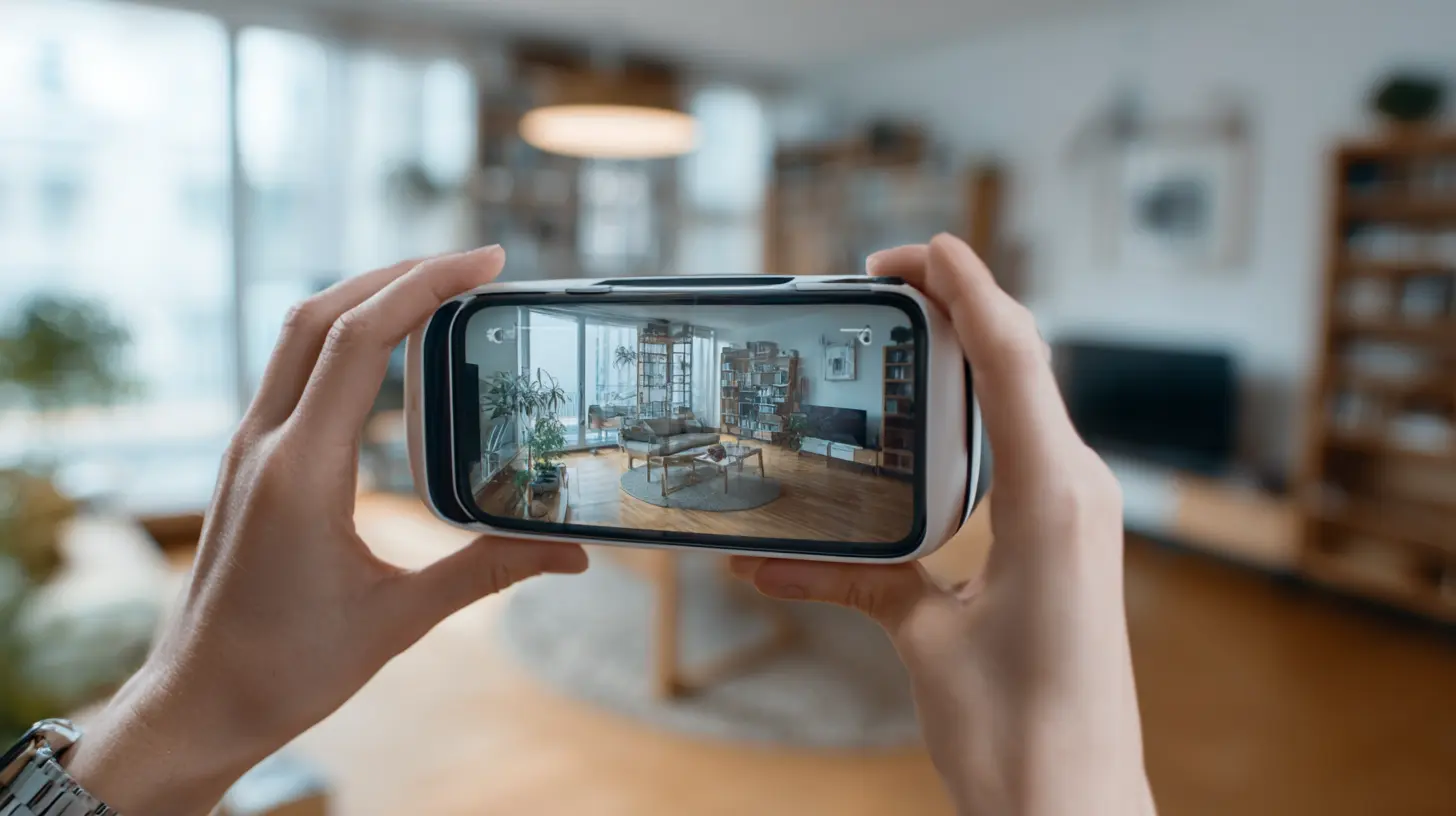
For years, virtual tours were treated as a bonus. A listing with a tour was considered "premium." By 2026, that mindset is obsolete. Major listing portals are already changing how they rank and display properties. The presence of a high-quality virtual tour is becoming a critical factor in search relevance, not just user engagement.Consider the behavior of a serious buyer. They have saved searches, set alerts, and scrolled through hundreds of photos. They are exhausted by inconsistency. A property with a full virtual tour allows them to pre-qualify a home before they ever contact an agent. This is the real value: filtering out the looky-loos and the merely curious.
The role of the tour is to answer the question "Is this worth my Saturday afternoon?" If the tour does its job, the buyer arrives at the physical showing with a high level of intent. They are not there to see if the kitchen is big enough; they are there to confirm the feeling they already had from the tour. This pre-qualification shortens the sales cycle and reduces the number of wasted appointments, which is a direct cost saving for the agent and a convenience for the seller.
By 2026, expect to see search filters that allow users to exclude listings without virtual tours. This is already happening on some platforms, and it will become standard. If your listing lacks a tour, you will be invisible to a segment of the market that simply refuses to visit a home blind. This is not about tech-savvy millennials; it is about busy professionals, relocating families, and out-of-state investors who value their time more than the novelty of a 3D gimmick.
Understanding the Three Main Formats
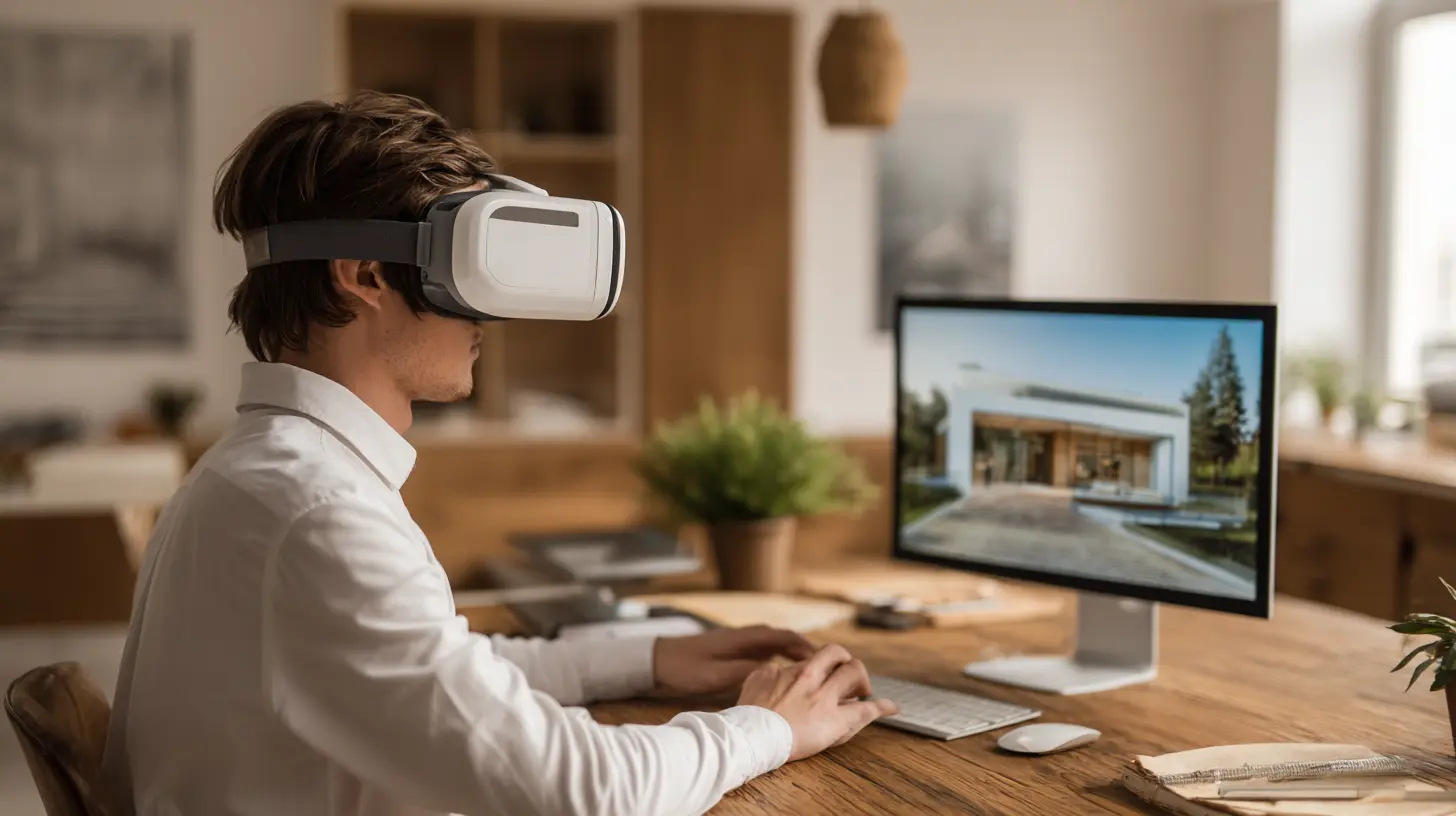
Not all virtual tours are created equal. The term has become a catch-all, which is a mistake. There are three primary formats, each with a specific job to do. Using the wrong one for the wrong property is a common error that leads to wasted money and poor results.1. The Interactive 3D Walkthrough (Matterport, Kuula, etc.)
This is the gold standard for high-value properties. It allows the user to navigate from room to room, essentially moving through the space at their own pace. The strength here is spatial awareness. You understand the flow of the floor plan, the relationship between rooms, and the true scale of the space. This is invaluable for a primary residence where the buyer will live daily.
The trade-off is cost and complexity. A professional 3D scan requires specialized equipment and staging. A cluttered or poorly staged home will look terrible in a 3D scan because the technology captures everything, including the laundry pile in the corner. It is unforgiving.
Best use case: Single-family homes, luxury condos, and any property where layout is a major selling point. It is also excellent for vacant homes, as the scan creates a clean, uninterrupted view of the architecture.
2. The Guided Video Tour (Narrated or Walkthrough Style)
This is not a slideshow with music. This is a curated cinematic experience. A professional videographer walks through the property, highlighting specific features, capturing the light in the morning, and showing the flow of the home in a linear fashion. The agent or a professional narrator often provides context.
The strength is emotional engagement. Video can convey the feeling of standing on the deck, the sound of the neighborhood, or the scale of a great room in a way that a self-guided 3D tour cannot. It is a passive experience, which is perfect for the initial scroll on social media or a listing portal.
The weakness is that it is linear. The viewer sees only what the videographer wants them to see. You cannot zoom into a closet or look behind a door. This format is best for telling a story, not for due diligence.
Best use case: Lifestyle properties, waterfront homes, or properties with unique architectural details. It is also a fantastic tool for the first 30 seconds of an Instagram reel or a YouTube ad.
3. The Live Virtual Showing (Zoom, FaceTime, or Specialized Software)
This is the most underrated tool in the arsenal. It is not a pre-recorded tour; it is a real-time, interactive appointment. The agent is physically in the home with a smartphone or tablet, and the buyer is watching from their computer. The agent acts as the buyer's eyes and hands, opening cabinets, walking out to the backyard, and answering questions in real time.
The strength is flexibility and honesty. The buyer can ask to see the basement ceiling, the water heater, or the view from the second window. The agent can show imperfections and address them immediately. This builds enormous trust because it feels more authentic than a polished, edited production.
The weakness is scheduling and logistics. It requires the agent to be on-site, which is a time commitment. It also requires a stable internet connection in the property, which is not always available.
Best use case: Relocation buyers, out-of-town investors, or any time a buyer is seriously interested but physically cannot attend an open house. It is also a powerful tool for the final negotiation stage, allowing a buyer to do a final walkthrough before submitting an offer.
The Psychology of Trust and the "Too Good to Be True" Problem
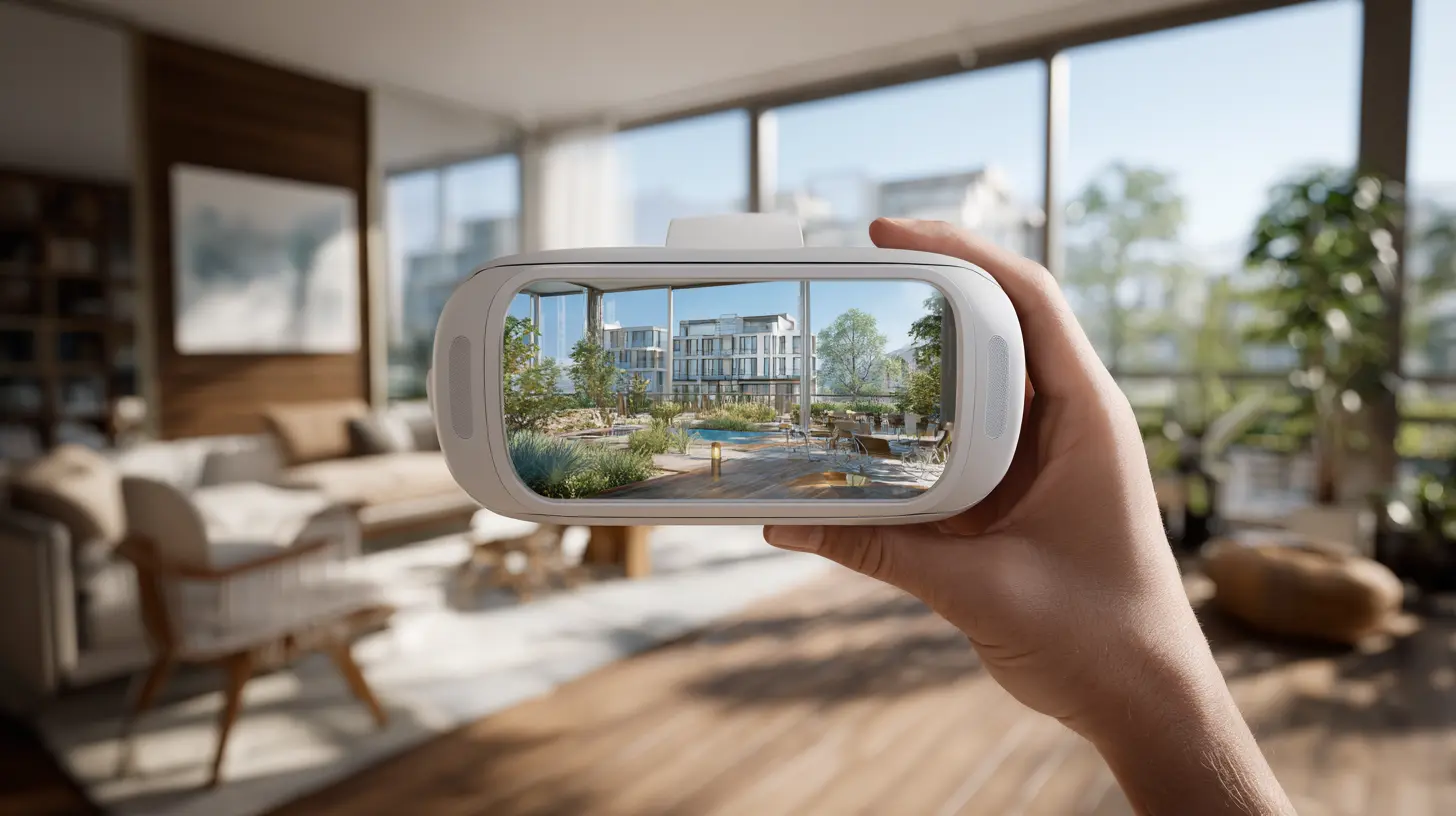
One of the biggest misconceptions in real estate marketing is that better photos and tours always lead to more offers. This is true, but only if the presentation is honest. By 2026, buyers are more skeptical than ever. They have seen too many listings that look like a magazine spread but turn out to be a fixer-upper.The virtual tour, if done poorly, can kill a deal. If the tour uses wide-angle lenses that distort room sizes, or if it conveniently omits the dated bathroom, the buyer will feel deceived when they arrive. This feeling of deception is toxic. It creates immediate distrust that is almost impossible to overcome, regardless of the property's actual merits.
The most successful agents will use virtual tours as a tool for setting accurate expectations. This is a nuanced shift. Instead of using the tour to hide flaws, use it to highlight the true potential and the honest condition of the home. A buyer who sees the scuffed floors in the 3D tour and still wants to visit is a buyer who is prepared to negotiate on price or renovations. This saves everyone time.
Consider the example of a home with an outdated kitchen but a stunning backyard. A photo-only listing might attract buyers who love the house but hate the kitchen, leading to lowball offers. A virtual tour that clearly shows the kitchen, but spends time on the backyard, attracts buyers who value outdoor space and see the kitchen as a project. These buyers are less likely to be shocked by the condition and are more likely to make a reasonable offer based on the property's true value proposition.
Practical Implementation and Common Pitfalls
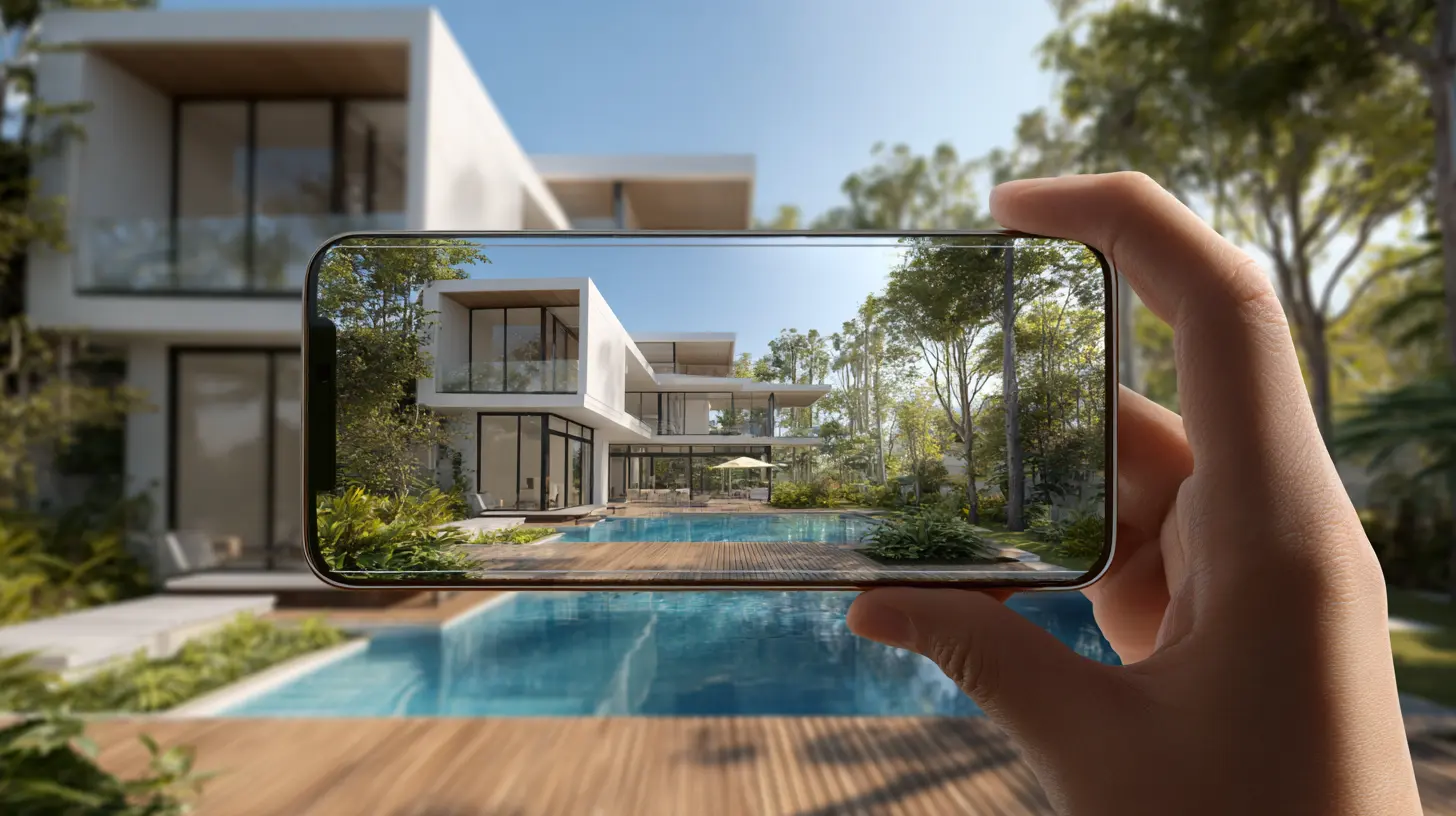
Implementing a virtual tour strategy is not just about hiring a photographer. It is about integrating the tour into your workflow. Here are some practical considerations that are often overlooked.Staging is Non-Negotiable
A 3D tour of an empty room is boring. A 3D tour of a cluttered room is distracting. The property must be staged, either with furniture or at least with minimal styling. For vacant homes, consider using virtual staging software to add furniture digitally to the 3D tour. This is a cost-effective way to show scale and potential. However, be aware that virtual staging can be misleading if not labeled clearly. Always disclose that the furniture is digitally inserted.
The Order of Media Matters
Do not put the virtual tour at the bottom of the listing. The first image should be a stunning, high-resolution photo. The second click should lead to the tour. The tour should be immediately accessible. A buyer should not have to hunt for it. The goal is to move the buyer from passive viewing to active exploration as quickly as possible.
Mobile is the Primary Screen
Most buyers will view the tour on their phone. This changes the design and user experience. A 3D tour that requires a heavy download or a specific app will be abandoned. The tour must be web-based and load instantly on a 5G or standard 4G connection. Test the tour on your own phone before you publish it. If it lags, it fails.
Do Not Forget the Floor Plan
A virtual tour is not a substitute for a floor plan. In fact, they work best together. The floor plan gives the buyer the "top-down" view of the layout, while the 3D tour gives the "eye-level" view. This combination is powerful. It allows the buyer to understand the flow logically and then visualize themselves inside the space.
The Live Tour is a Sales Skill
Agents who use live virtual tours need to develop a specific skill set. You cannot just point the camera and walk. You need to narrate, provide context, and manage the camera movement smoothly. You need to be aware of lighting and audio. This requires practice. A shaky, poorly lit live tour will do more harm than good. If you are not comfortable doing this, hire a professional to run the technology while you handle the sales conversation.
The Cost-Benefit Analysis for Sellers and Agents
The biggest question on any seller's mind is "How much will this cost?" The answer is that it varies, but the cost is justifiable when viewed as a percentage of the sale price.A professional 3D scan and video tour package might cost between $300 and $800 for a standard residential home. On a $400,000 home, that is less than 0.2% of the sale price. The question is not if you can afford it, but if you can afford to be without it.
Consider the alternative. A home without a tour sits on the market longer. Every extra day on the market leads to price reductions and buyer suspicion. The cost of a price reduction of 1% is $4,000 on that same $400,000 home. The math is clear. The tour is cheap insurance against market stagnation.
For agents, the cost is often absorbed as a marketing expense. The return on investment is not just in selling the listing faster, but in winning the listing in the first place. When you present your marketing plan to a seller, a professional virtual tour package is a powerful piece of evidence that you are a serious professional. It is a tangible asset that you are bringing to the table, which justifies your commission.
The Future of Integration: AI and the "Choose Your Own Adventure" Tour
Looking specifically at 2026 and beyond, the role of virtual tours will expand beyond simply viewing. We are starting to see integration with artificial intelligence that will personalize the tour experience.Imagine a buyer who has been searching for homes with a home office and a large backyard. An AI-powered tour platform could, based on the user's search history, highlight the office space and the backyard in the tour, providing pop-up information about square footage and dimensions. This is not science fiction; it is the logical next step in personalization.
we are seeing the beginnings of integration with interior design tools. A buyer could potentially "place" their own furniture into the 3D tour to see if their sofa fits. This is a powerful emotional trigger. It moves the buyer from "looking at a house" to "living in their home." This emotional connection is what drives offers.
However, there is a caution here. The technology must serve the transaction, not complicate it. A tour that is too complex, with too many features and buttons, will frustrate the average user. The best tours will be the ones that are intuitive and seamless. The user should not be thinking about the technology; they should be thinking about the house.
Avoiding the "Gimmick" Trap
There is a risk that virtual tours become a gimmick, especially with the rise of 360-degree video and VR headsets. While VR is impressive, the penetration of VR headsets in the general population remains low. By 2026, it is likely that a small percentage of buyers will have access to a high-end VR setup. Investing heavily in a VR-only experience that requires special hardware is a mistake for the average residential listing.The majority of buyers will still use a desktop computer or a smartphone to view the tour. The focus should be on making the tour work flawlessly on these devices. A simple, fast-loading, web-based 3D tour that works on a phone is infinitely more valuable than a high-fidelity VR experience that requires a $1,000 headset.
When NOT to Use a Virtual Tour
It is important to recognize that virtual tours are not universally beneficial. There are cases where they can be counterproductive.The Tear-Down or Heavy Fixer-Upper: If the property is in severe disrepair, a high-definition 3D tour will only magnify the flaws. Potential investors or flippers might be better served by photos and a clear floor plan. They want to see the bones, not the peeling paint. A video tour that lingers on a collapsed ceiling is a waste of time.
The Small, Simple Condo: For a 500-square-foot studio, a 3D tour is overkill. The space is easily understood in a few good photos and a clear floor plan. A tour might actually make the space feel smaller and more claustrophobic.
Luxury Privacy: For ultra-high-end properties where privacy is paramount, sellers may not want a detailed public tour that reveals the entire layout and security features. In these cases, a private, invite-only live tour is more appropriate.
The key is to match the tool to the asset. A blanket policy of "every listing gets a tour" is as lazy as not using tours at all. The professional agent will assess the property and the target demographic and choose the appropriate level of presentation.
Measuring Success and Adjusting Strategy
How do you know if your virtual tour is working? The most basic metric is the click-through rate from the listing to the tour. More importantly, you should monitor the "tour-to-showing" conversion rate. If you have 100 tours viewed and only 2 showing requests, something is wrong. Either the tour is misrepresenting the property, or the property is overpriced.In the future, we will see more sophisticated analytics. Heat maps showing where viewers spend the most time inside the tour can provide valuable feedback. If viewers are spending a lot of time in the kitchen but immediately exiting the tour when they reach the bedroom, that is a signal that the bedrooms are underwhelming. This data can inform pricing and renovation advice.
The real measure of success, however, is the quality of the buyer. A virtual tour is successful when it generates a showing from a buyer who says, "I have seen the tour, and I love the layout. I just need to see it in person to confirm the condition." That is a buyer who is ready to write an offer.
Conclusion
By 2026, the virtual tour will be as standard as the front door photo. It is not a future trend; it is the current baseline that will become the minimum expectation for a professional listing. The agents and sellers who succeed will not be those who simply purchase a 3D scan and upload it. They will be the ones who understand the psychology of the buyer, the strengths and weaknesses of each format, and the importance of an honest presentation.The role of the virtual tour is to build trust, pre-qualify buyers, and save time. It is a tool for efficiency in a market where time is the most valuable commodity. Use it to tell the truth about the property, to highlight its potential, and to allow the buyer to mentally move in before they ever step foot on the property. When you achieve that, you are not just selling a house; you are selling a future, and the tour is the first chapter of that story.
all images in this post were generated using AI tools
Category:
Realtor TipsAuthor:

Melanie Kirkland
Discussion
rate this article
2 comments
Leo Fry
Virtual tours: the future is here.
October 3, 2026 at 11:39 AM
Melanie Kirkland
Absolutely! Virtual tours are revolutionizing how we buy and sell properties. Exciting times ahead!
Romina Gill
Virtual tours are transforming real estate by enhancing accessibility and engagement. As technology advances, agents must embrace these tools to stay competitive and meet buyer expectations.
September 15, 2026 at 10:47 AM