The Smart Home and the Internet of Things: What Homeowners Need to Know
9 April 2026
Technology is evolving at an incredible pace, and nowhere is it more evident than in our homes. What once seemed like futuristic luxuries—voice-activated lights, smart thermostats, and security systems controlled from your phone—have quickly become everyday conveniences. This revolution is all thanks to the Internet of Things (IoT).
But what does this mean for homeowners? Should you embrace a fully connected smart home, or is it just another tech trend? Let’s break it all down in simple terms.
What Is a Smart Home?
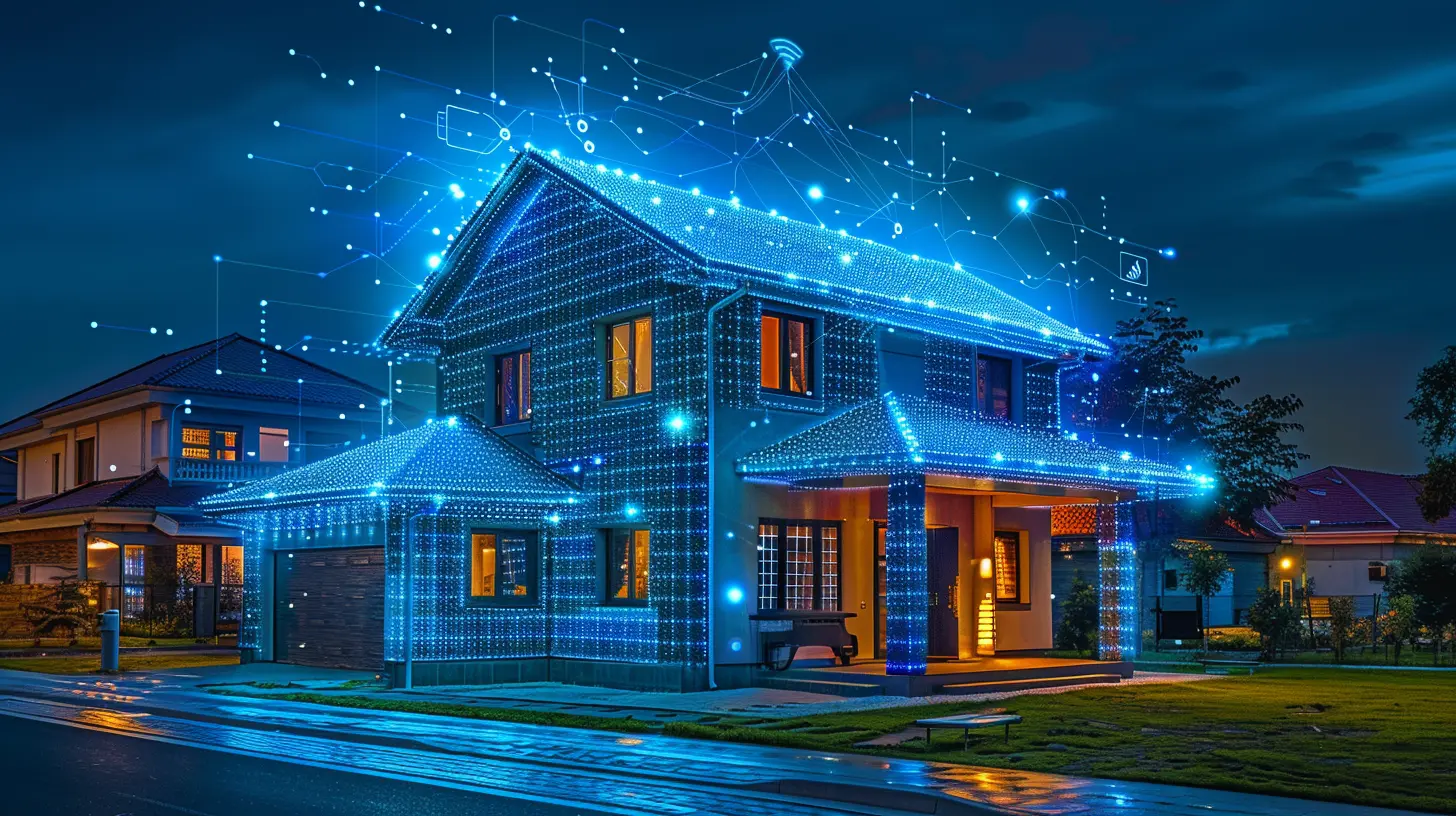
A smart home is a residence equipped with devices that connect to the internet, allowing homeowners to control and automate various functions remotely. These devices communicate with each other through a central hub or mobile app, offering convenience, security, and efficiency.Think of it as giving your home a brain. Instead of manually turning off lights, adjusting the thermostat, or checking if you locked the doors, your smart home does it for you—with just a voice command or a swipe on your phone.
Understanding the Internet of Things (IoT)
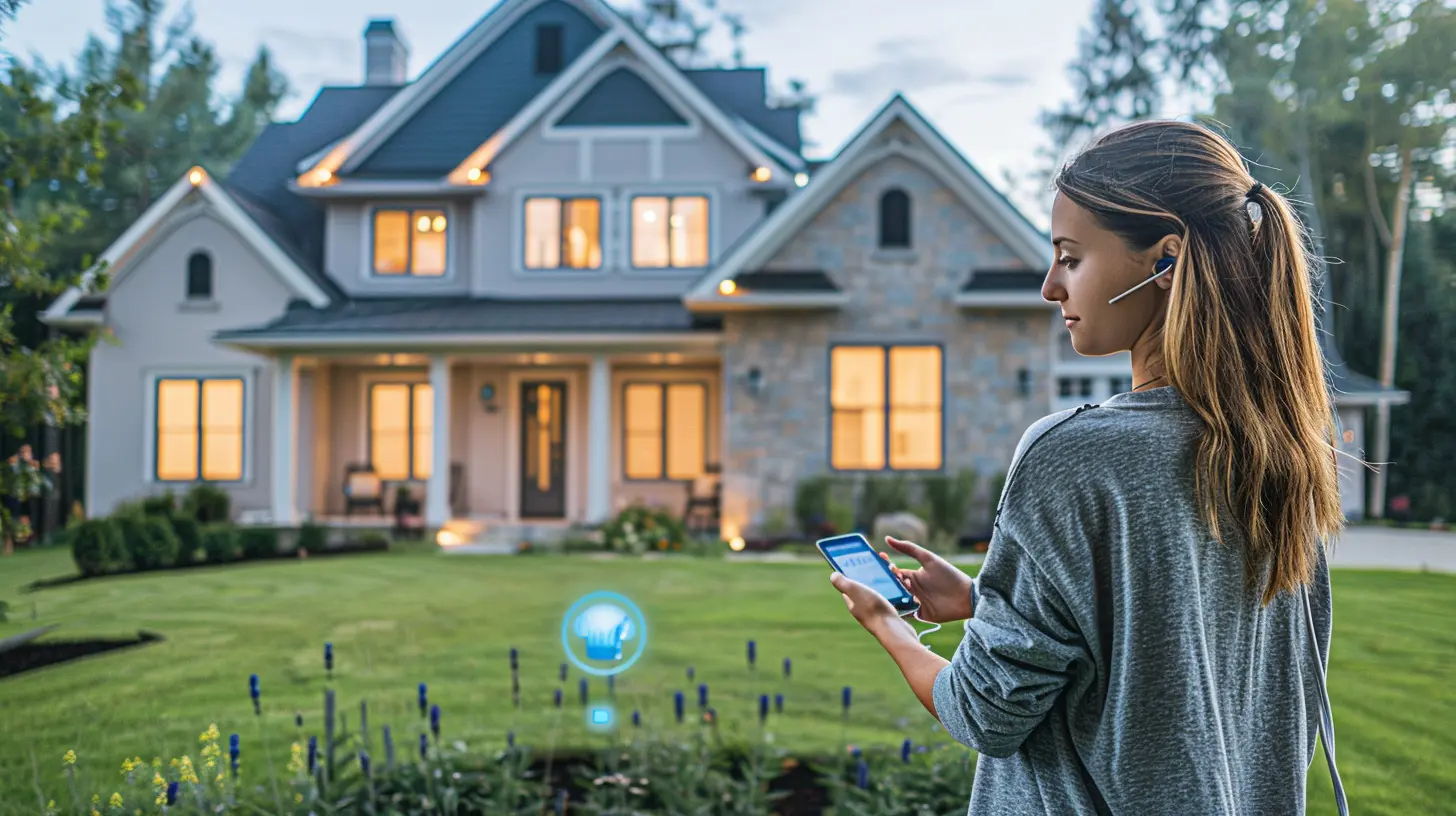
The Internet of Things (IoT) refers to a network of physical devices—like smart refrigerators, wearable fitness trackers, and even smart thermostats—that collect and share data over the internet.In the context of a smart home, IoT enables:
- Smart locks and security systems to alert you when someone enters.
- Thermostats that adjust the temperature based on your preferences.
- Lights that turn on automatically when you walk into a room.
- Voice assistants (like Alexa and Google Home) to streamline daily tasks.
Benefits of a Smart Home
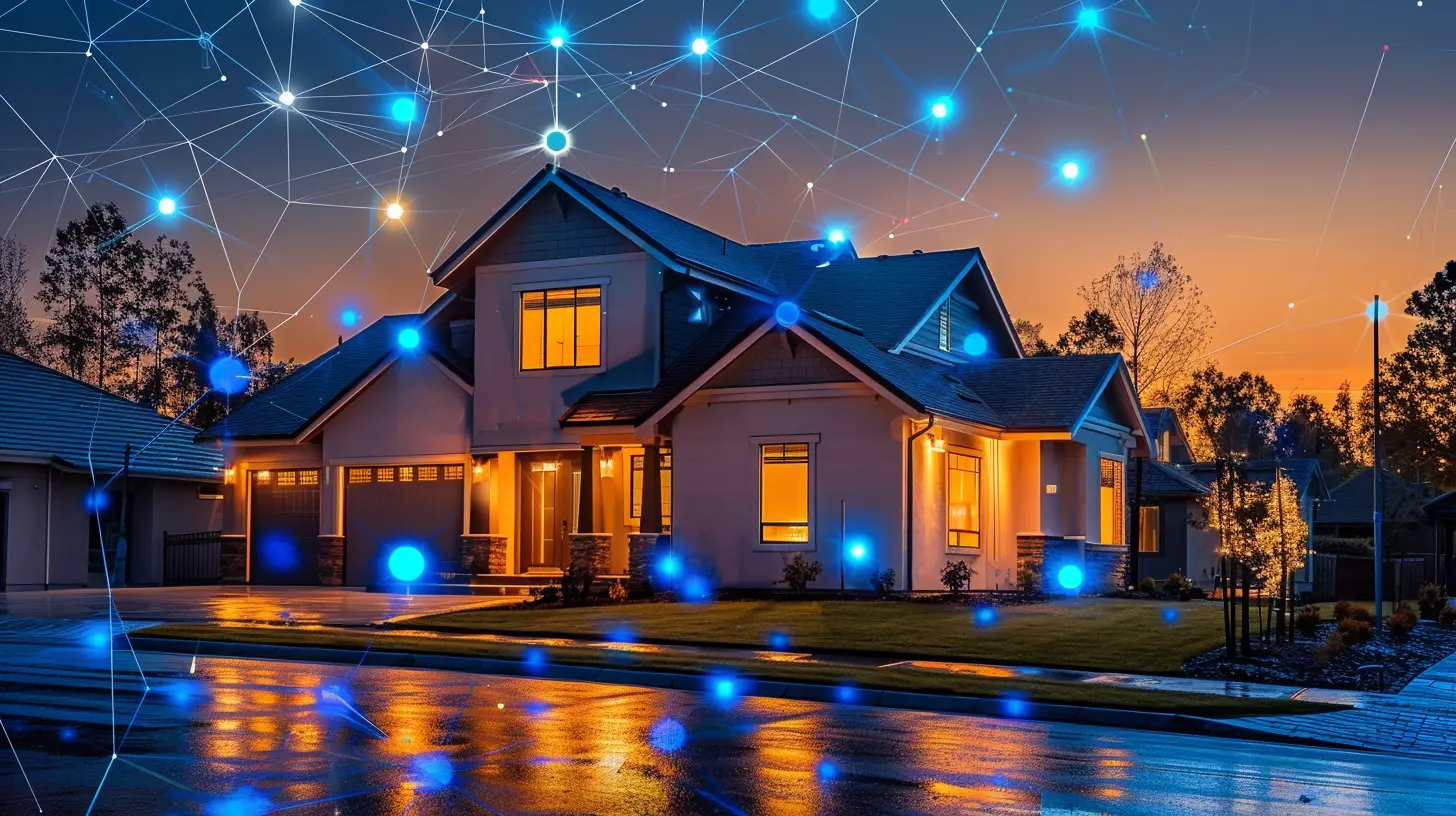
So, why should homeowners invest in smart home technology? Here are the key benefits:1. Convenience at Your Fingertips
Imagine lying in bed and realizing you forgot to turn off the living room lights. Instead of getting up, you can simply use your phone or voice assistant to switch them off. That’s the power of a smart home—control everything with a tap or a voice command.2. Enhanced Security and Peace of Mind
One of the biggest advantages of smart home technology is security. Smart locks, video doorbells, and motion sensors allow you to monitor your home from anywhere. You’ll receive real-time alerts about suspicious activity, and in many cases, even communicate with visitors through a two-way speaker.3. Energy Efficiency and Cost Savings
Smart thermostats, lighting, and appliances help reduce energy consumption. For example:- A smart thermostat adjusts based on your daily habits, saving energy when you're away.
- Smart lighting can dim automatically or turn off when a room is empty.
Over time, these small adjustments lead to significant savings on utility bills.
4. Increased Home Value
Many homebuyers are looking for move-in-ready smart homes. A well-integrated system can increase your home’s market appeal and, potentially, its resale value. Features like smart locks, security cameras, and automated lighting are strong selling points for buyers.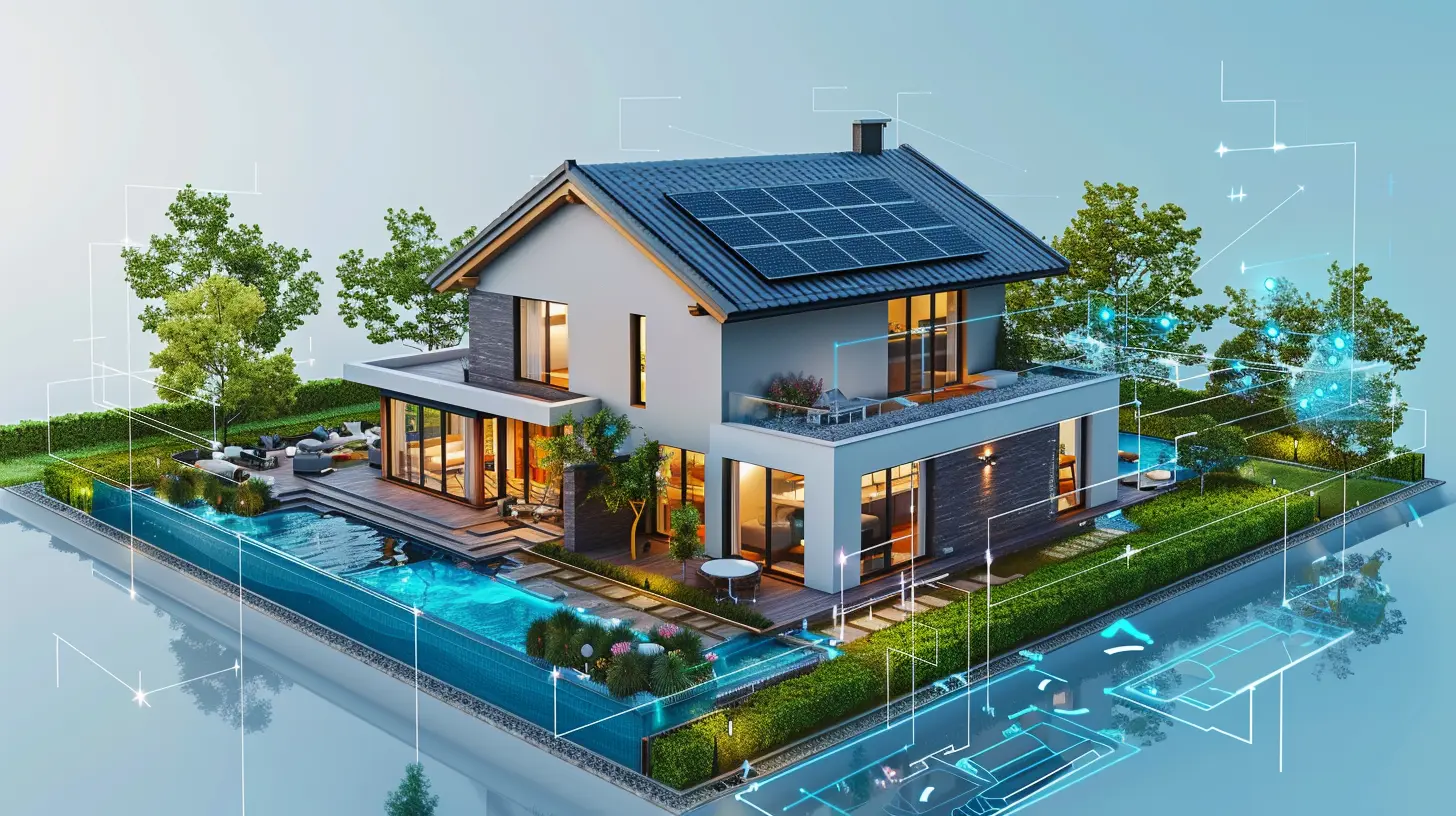
Smart Home Devices Every Homeowner Should Consider
Ready to dip your toes into smart home tech? Here are some essential devices to consider:1. Smart Thermostats
- Example: Nest, Ecobee, Honeywell- Adjusts temperature based on your routine
- Helps save energy and money
2. Smart Security Systems
- Example: Ring, Arlo, SimpliSafe- Includes video doorbells, motion detectors, and alarm systems
- Lets you monitor your home remotely via mobile apps
3. Smart Lighting
- Example: Philips Hue, Lutron Caseta, TP-Link Kasa- Allows remote control and scheduling
- Can be voice-controlled for added convenience
4. Smart Locks
- Example: August Smart Lock, Schlage Encode, Yale Assure- Keyless entry and remote-controlled access
- Allows temporary access codes for visitors
5. Voice Assistants
- Example: Amazon Echo (Alexa), Google Nest Hub, Apple HomePod- Controls smart devices with voice commands
- Helps with daily tasks like setting reminders and playing music
Is a Smart Home Safe?
With all the convenience smart homes offer, security concerns inevitably arise. After all, no one wants their home devices hacked.Here’s how to keep your smart home secure:
1. Use Strong, Unique Passwords
Avoid using default passwords. Instead, create unique passwords for each smart device and update them regularly.2. Enable Two-Factor Authentication (2FA)
Where available, use two-factor authentication to add an extra layer of security to your accounts.3. Keep Your Devices Updated
Manufacturers release updates to fix security vulnerabilities. Always update your smart home devices to the latest firmware.4. Secure Your Wi-Fi Network
Your smart home runs on Wi-Fi, so make sure your router is secure by using a strong password and enabling encryption (WPA3 or WPA2).5. Limit Third-Party Access
Not all apps and services that integrate with your smart home are trustworthy. Only connect devices from reputable brands.
Common Concerns About Smart Home Technology
Many homeowners are excited about smart tech, but some still have concerns. Let’s address the most common ones:1. Isn’t It Expensive?
While some smart gadgets can be pricey, many affordable options exist. Plus, the energy savings from smart thermostats and lighting eventually offset the costs.2. What If My Internet Goes Out?
Most smart home devices still function manually in case of an outage, so you won’t be left in the dark—literally.3. Are Smart Homes Too Complicated?
Smart home systems are designed to be user-friendly. With apps and voice control, even non-tech-savvy homeowners can navigate them easily.The Future of Smart Homes
Smart home technology is only getting smarter. Artificial intelligence, automation, and better security features will make homes even more intuitive in the years to come. Here’s what to expect:- More Integration: Devices will work seamlessly together across different brands.
- Smarter AI Assistants: Voice assistants will get better at predicting your needs.
- Increased Energy Efficiency: Homes will automatically optimize energy consumption.
- Better Privacy Features: Companies will improve security to protect user data.
Should You Upgrade to a Smart Home?
If you value convenience, security, and energy efficiency, a smart home is a worthy investment. Start small—maybe with a smart thermostat or video doorbell—and gradually expand as you get comfortable with the technology.The future is connected, and upgrading your home with smart technology might just be one of the best decisions you make as a homeowner.
all images in this post were generated using AI tools
Category:
Smart HomesAuthor:

Melanie Kirkland
Discussion
rate this article
2 comments
Dulce Nelson
Embracing smart home technology is no longer optional; it’s essential for modern homeowners. The Internet of Things transforms convenience, efficiency, and security in our daily lives. Stay informed and adapt to these advancements to enhance your living experience and elevate your property’s value.
April 18, 2026 at 3:19 AM
Melanie Kirkland
Absolutely! Embracing smart home technology is vital for enhancing convenience, efficiency, and security, ultimately boosting property value. Staying informed is key to making the most of these advancements.
Solstice Pratt
“Smart homes are like that friend who just got really into yoga—sometimes it’s great, sometimes it’s a bit much. Just remember, a toaster that talks is fun, but it won’t help you with life’s bigger problems!”
April 12, 2026 at 4:30 AM
Melanie Kirkland
That's a clever comparison! Smart homes can bring convenience, but they won't solve everything. Balance is key.