Things You Need to Know About Relocating to Rural Areas
24 June 2026
Thinking about relocating to a rural area? Maybe you're tired of the constant noise of the city, the rush-hour traffic, or the never-ending crowds. Moving to the countryside can be a dream come true—peace, fresh air, open spaces, and a slower pace of life. But before you pack your bags and head for the hills, there are some important things you need to know.
Rural living comes with its own set of unique challenges and rewards. This guide will help you make an informed decision by covering everything from lifestyle changes to infrastructure, job opportunities, and community connections. 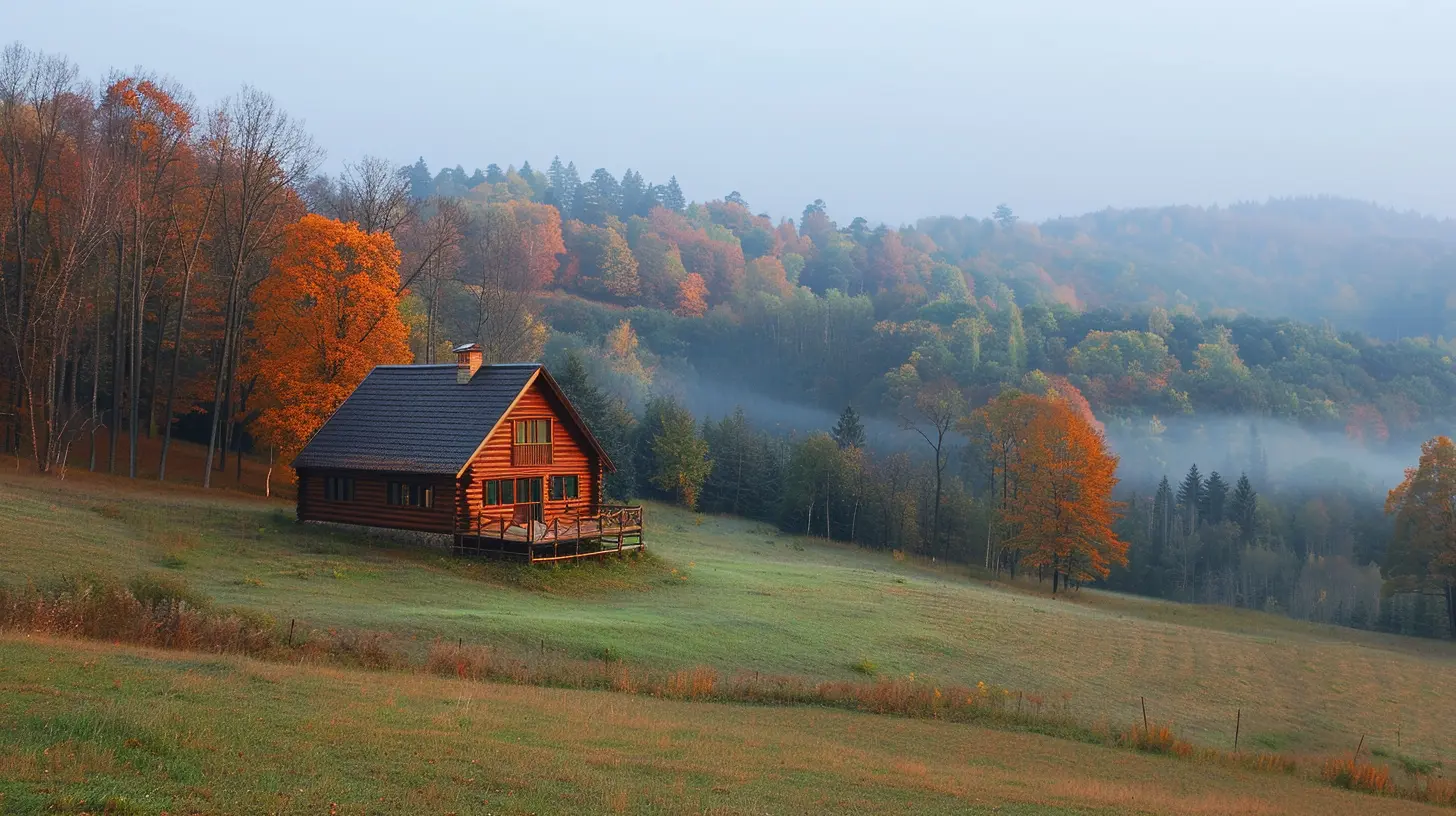
1. Adjusting to a Slower Pace of Life
One of the biggest changes when moving to a rural area is the slower pace of life. If you're used to city life, where everything happens fast, this adjustment may take some time.- Stores might close earlier than you're used to.
- Social events may happen less frequently.
- You'll likely spend more time outdoors and in nature.
At first, it might feel too quiet, but over time, many people find this peaceful environment incredibly rewarding. 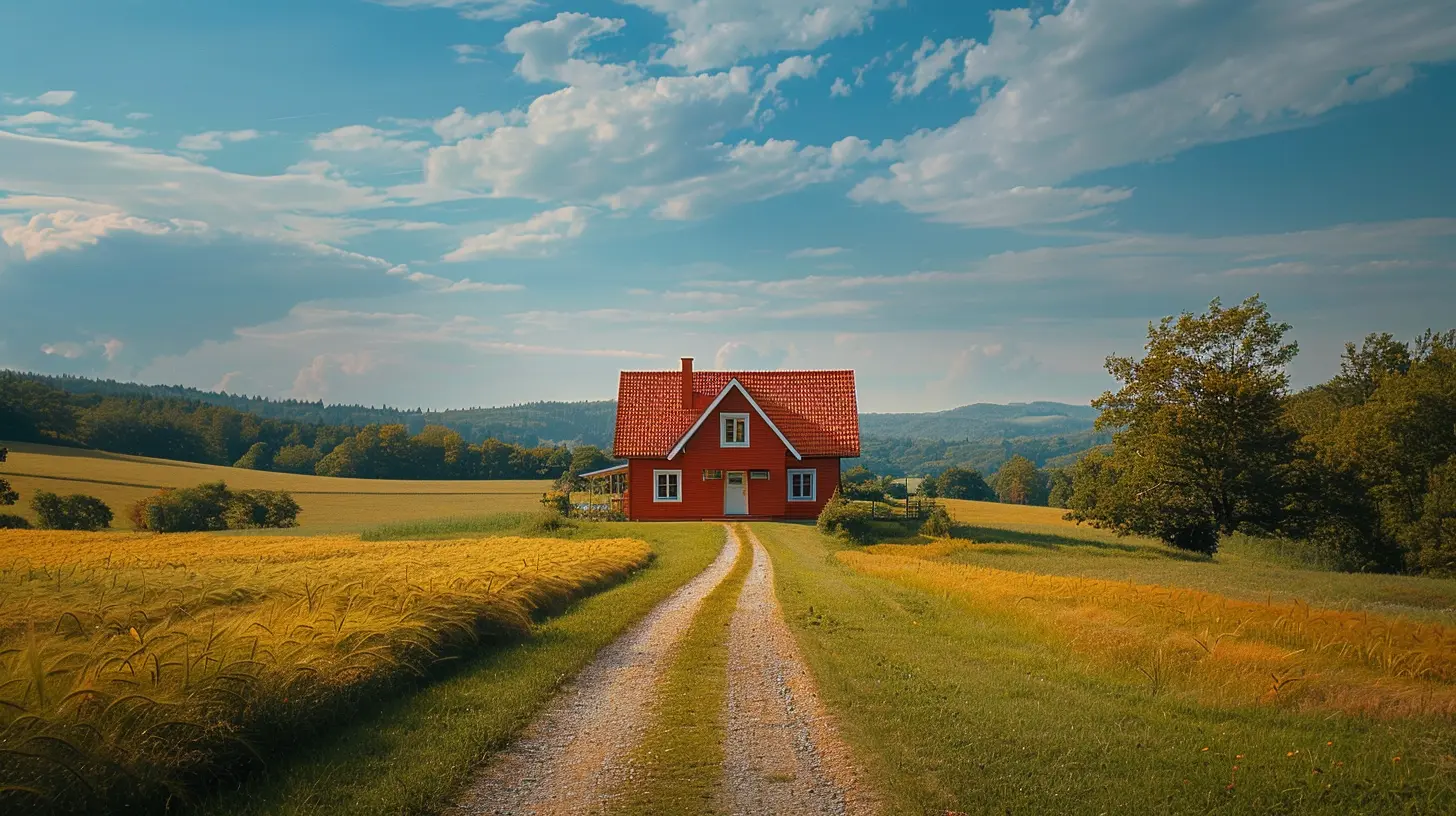
2. Cost of Living: Lower, but Not Always Cheaper
One major reason people move to rural areas is the lower cost of living. Housing is generally more affordable, and you may find you get more land for your money. However, other expenses might be higher:- Groceries and essentials: Fewer stores mean less competition, which can drive prices up.
- Gas and transportation: You may need to drive longer distances for work, shopping, and healthcare.
- Internet and utility costs: Some rural areas have limited service options, leading to higher bills for internet and energy.
While overall you might spend less, it's essential to budget for unexpected costs that come with countryside living. 
3. Reliable Transportation is a Must
Public transportation is almost non-existent in many rural areas. If you're used to subways, buses, or rideshares, you'll need to rethink how you get around.- Owning a car is not just a convenience—it’s a necessity.
- Harsh weather conditions might require an all-wheel-drive vehicle.
- Expect longer commutes if you need to visit a city for work or other needs.
Make sure you factor in vehicle maintenance, fuel costs, and potential emergency travel when planning your move. 
4. Job Opportunities May Be Limited
Unless you're working remotely, job opportunities in rural areas can be scarce. Many rural economies are based on agriculture, forestry, tourism, or small businesses.- Working remotely? Ensure you have reliable internet access before you move.
- Considering self-employment? Many people find success running small businesses in rural areas.
- Looking for local work? Check job boards and community postings to see available opportunities.
If you have a specialized profession, you may need to commute to the nearest town or city for employment.
5. Community and Social Life: Tight-Knit but Smaller
Rural communities are often very close-knit. This means people tend to know each other, and it can be easier to make meaningful connections. However, it also means fewer entertainment options.- Expect to participate in local events, fairs, and community gatherings.
- Making friends takes time, but being involved in the community helps.
- If you enjoy nightlife, theaters, or diverse dining, you might miss city amenities.
The upside? Genuine relationships and a true sense of belonging can be a major benefit of rural living.
6. Healthcare and Emergency Services Can Be Limited
One of the most critical things to consider is access to healthcare. In cities, hospitals and clinics are easily accessible, but in rural areas, medical facilities may be miles away.- Fewer hospitals and specialists: You may need to travel for serious medical care.
- Longer response times: In case of an emergency, getting help may take longer.
- Telehealth services: Some people rely on virtual doctor visits for minor health concerns.
If you have ongoing health issues, it's best to research your nearest medical facilities before deciding to move.
7. Internet and Cell Service Might Be Spotty
In today’s world, staying connected is essential. However, many rural areas still struggle with slow or unreliable internet and cell service.- Check the availability of high-speed internet before committing to a location.
- Some areas rely on satellite internet, which may have slower speeds.
- Cell phone coverage might be inconsistent, requiring signal boosters in certain locations.
If remote work or digital access is critical to you, researching this ahead of time is a must.
8. Wildlife, Bugs, and Nature: It Comes with the Territory
Living in the countryside means sharing your space with wildlife. You may encounter deer, coyotes, raccoons, or even bears, depending on where you move.- Expect more bugs, from mosquitoes to ticks, especially in the summer.
- Be prepared for occasional encounters with snakes or other small critters.
- If you garden or have pets, take precautions against wildlife.
For nature lovers, this can be one of the best perks of rural living. But if you're not used to it, the adjustment can be surprising.
9. Preparing for Self-Sufficiency
One of the joys of rural living is self-sufficiency. Many people take up gardening, raising animals, or even installing solar panels for energy independence.- You may need a backup generator for power outages.
- Learning basic home repairs can save time and money.
- Stocking up on essentials minimizes frequent trips to town.
Being resourceful and prepared can make your transition to rural life much smoother.
10. Seasonal Challenges: Winter and Weather Extremes
Before you move, research the local climate. Winters in rural areas can be harsh, and weather extremes can make daily life challenging.- Snow removal might be your responsibility, especially on private roads.
- Flooding, tornadoes, or hurricanes may be more common in some areas.
- Heating costs can be higher if you're relying on propane or wood stoves.
Understanding how the seasons affect your new home will help you prepare better.
Final Thoughts
Relocating to a rural area is a big decision that comes with both challenges and rewards. If you're ready for a slower, more peaceful lifestyle, rural living can be an amazing adventure. However, planning ahead and knowing what to expect will make your transition much easier.From reliable transportation to community connections and self-sufficiency, every aspect of rural life requires adjustment. But with the right mindset, it can be one of the most rewarding moves you ever make.
Would you trade city lights for starry nights? If so, the countryside might just be calling your name.
all images in this post were generated using AI tools
Category:
Relocation TipsAuthor:

Melanie Kirkland
Discussion
rate this article
1 comments
Harper Kearns
Moving to the countryside? Remember, fresh air comes with fresh challenges. Internet might be slow, neighbors might be chatty, and those breathtaking views can sometimes come with pesky wildlife... Choose wisely before you pack!
July 11, 2026 at 3:36 AM
Melanie Kirkland
Great point! The charm of the countryside definitely has its trade-offs. Thanks for highlighting those important considerations!