Turning Vacant Lots into Valuable Assets: A Guide to Land Development
23 May 2026
Vacant lots often sit idle, gathering weeds and collecting dust. But what if I told you that those overlooked patches of land could turn into goldmines with the right approach? Whether you're an investor, developer, or just a landowner wondering what to do next, developing vacant land is one of the smartest financial moves you can make.
In this guide, we’ll dive into the essentials of land development—figuring out what your land is worth, navigating zoning laws, and turning that empty space into something that generates real value.
Let’s roll up our sleeves and get to work! 
Why Vacant Land is a Hidden Opportunity
Most people see an empty lot and think it’s just wasted space. But the truth is, every vacant piece of land holds potential—it just depends on how you use it.- Raw land is a blank canvas – You have the freedom to decide what gets built.
- High demand for development – Cities are expanding, and real estate is always evolving.
- Low holding costs – Unlike developed properties, vacant land has lower taxes and little upkeep.
- Long-term appreciation – As infrastructure and businesses grow around it, your land’s value can skyrocket.
The key? Smart development. But before you start, you need to lay the groundwork—literally and figuratively. 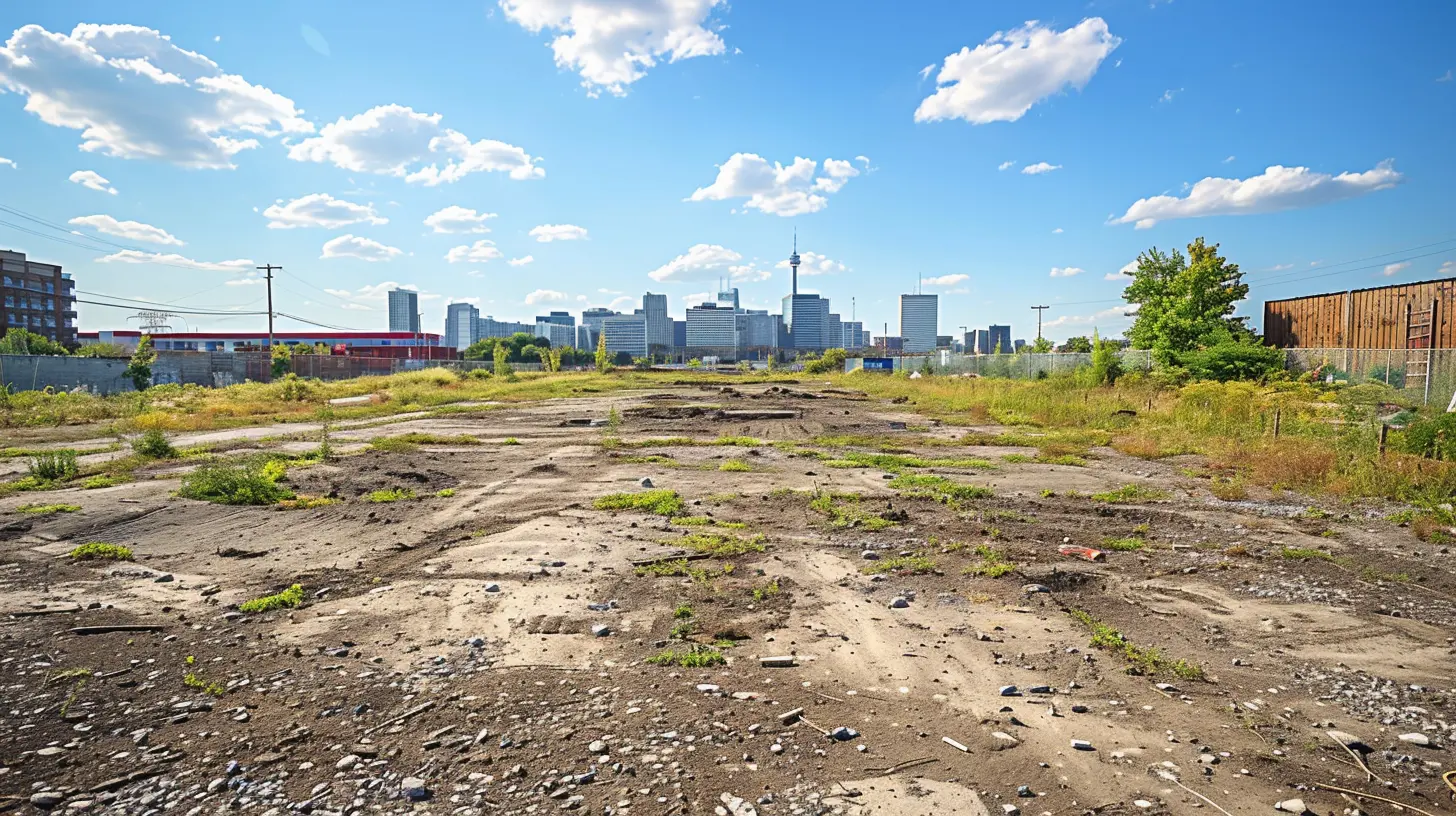
Step 1: Evaluating the Land’s Potential
Before you start dreaming of high-rise buildings or trendy retail spaces, you need to assess what your land is actually capable of. Here’s what to look into:1. Zoning and Land Use Regulations
Check if your land is zoned for residential, commercial, agricultural, or industrial use. You can usually find this information at your local planning office or online through municipal records. If the zoning isn’t in your favor, don’t panic—you might be able to apply for a zoning change or variance.2. Market Demand in the Area
Developing land is only profitable if there’s demand. Research the local market—are people looking for affordable housing? Is there a shortage of office space? Understanding what’s in demand will help you decide what to build.3. Infrastructure and Utilities Availability
Does your land have access to roads, electricity, water, and sewage? If not, developing it will be trickier (and more expensive). In some cases, you may need to pay to have these utilities extended to your property.4. Environmental Considerations
Some lands come with restrictions due to environmental concerns—flood zones, protected wildlife, or contamination issues. Conducting an environmental assessment can save you from unexpected roadblocks.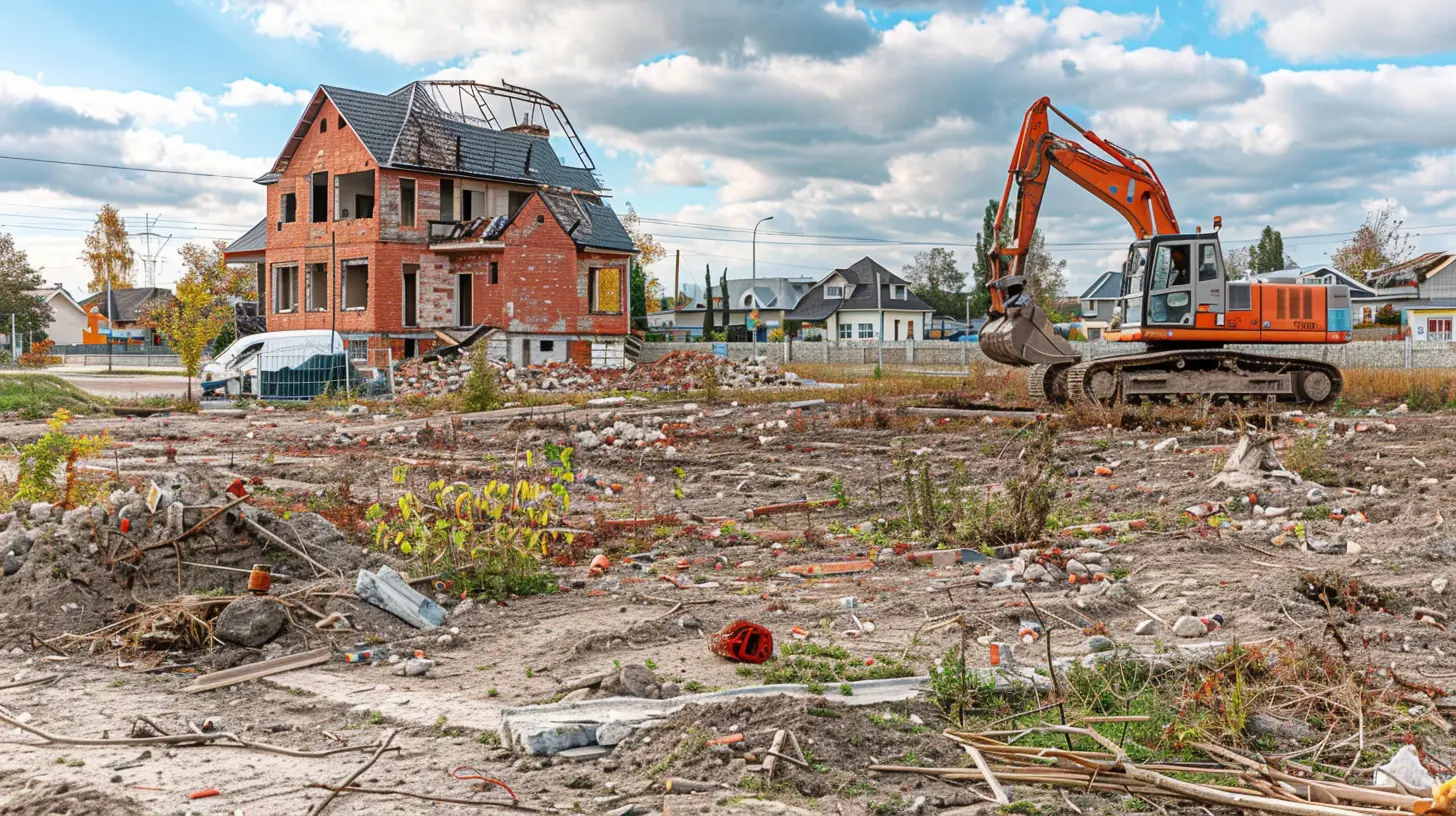
Step 2: Choosing the Right Development Strategy
Now that you know what your land can handle, it’s time to choose a development path. Here are some of the most profitable ways to turn your land into an asset:1. Residential Development
Housing is always in demand. You can develop:- Single-family homes
- Multi-family units
- Apartment complexes
- Tiny home communities
If your land is in a growing city, residential development can be a goldmine. Just make sure you understand permitting, building codes, and financing before breaking ground.
2. Commercial Development
Got land in a prime location? Consider commercial projects like:- Retail plazas
- Office buildings
- Warehouses
- Restaurants
Businesses are always looking for high-traffic locations, and if your land fits the bill, leasing commercial space can bring in steady income.
3. Agricultural Use
If your land isn’t ideal for brick-and-mortar development, agriculture might be the way to go. Options include:- Organic farming
- Vineyard or orchard development
- Livestock grazing
This works especially well in rural areas where zoning laws favor agricultural use.
4. Recreational or Specialty Use
Think outside the box! Vacant land can be developed into:- RV parks
- Campgrounds
- Event venues
- Storage units
The key is matching development to the location and demand. 
Step 3: Securing Permits and Financing
Once you’ve chosen your development path, it’s time for the paperwork and funding.1. Permits and Approvals
You’ll need to get the necessary permits before breaking ground. These can include:- Building permits
- Zoning approvals
- Environmental clearances
- Utility permits
Skipping this step can lead to costly legal troubles, so make sure everything is in order before you start.
2. Financing Your Project
Land development isn’t cheap, but there are several ways to fund it:- Traditional Bank Loans – Many banks offer construction loans for development projects.
- Owner Financing – If you bought the land from a seller, you might be able to negotiate financing terms directly.
- Investors or Partnerships – Bringing in investors can help share the financial burden in exchange for a share of the profits.
- Crowdfunding – Real estate crowdfunding platforms allow developers to raise capital from multiple investors.
Securing funds can be challenging, but a well-planned project with strong demand will attract financial backing.
Step 4: Construction and Development
With permits in place and financing secured, it’s finally time to get your hands dirty. Here’s what to expect:1. Hiring the Right Team
You’ll need a good team to bring your vision to life, including:- Architects and engineers
- Contractors and construction crews
- Project managers
Choosing the right professionals ensures smooth development and helps you avoid costly mistakes.
2. Managing the Timeline and Budget
Construction projects often run over budget or take longer than expected. To minimize headaches:- Set realistic timelines
- Account for unexpected delays
- Keep a close eye on expenses
A well-managed project will stay on track and maximize profitability.
Step 5: Making Your Property Profitable
Once construction is complete, the real fun begins—turning your development into a money-maker. Here’s how:1. Selling vs. Holding
You can choose to:- Sell the developed property – Cash out and reinvest in new projects.
- Lease it for passive income – Earn steady rents without selling the asset.
The right decision depends on your financial goals and market conditions.
2. Marketing Your Property
Whether you’re selling or leasing, marketing is key. Use:- Online real estate platforms
- Social media promotions
- Local networking events
- Real estate agents
Effective marketing ensures your development doesn’t just sit empty after completion.
Final Thoughts
Turning a vacant lot into a valuable asset isn’t just about construction—it’s about strategy. By choosing the right development type, securing permits, managing finances, and marketing wisely, you can transform an empty space into a thriving investment.The journey isn’t always easy, but with the right approach, that patch of dirt could be the foundation for something incredible. If you’re sitting on vacant land, now might be the perfect time to start turning it into something truly valuable.
all images in this post were generated using AI tools
Category:
Land DevelopmentAuthor:

Melanie Kirkland
Discussion
rate this article
1 comments
Mia Strickland
Great insights on maximizing land potential!
May 27, 2026 at 11:53 AM
Melanie Kirkland
Thank you! I'm glad you found the insights helpful.