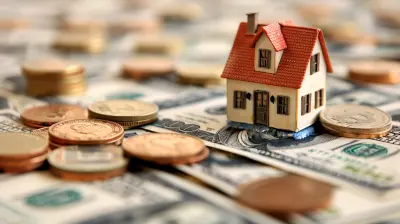
Unlocking the Mystery of Down Payments: What You Need to Know
30 March 2026
When it comes to buying a home, there’s a lot of jargon thrown around—escrow, amortization, PMI. One term that seems to stump almost everyone is down payment. What is it, really? How much do you need? And why does it feel like such a make-or-break part of the homebuying process? Don’t sweat it. In this guide, we’re going to unlock the mystery of down payments and leave you feeling confident, informed, and—dare I say it—a little excited about embarking on your real estate journey. Grab your coffee or tea, and let’s dive in.
What Is a Down Payment? Let’s Get the Basics Right
At its core, a down payment is simply the upfront cash you pay toward the purchase of a home. Think of it as your “skin in the game.” It’s your way of showing the lender that you’re serious about buying the property and that you’re financially stable enough to put some of your own money on the table.The rest of the home’s cost? That’s covered by a mortgage (a fancy word for a home loan), which you’ll pay back over time. But the down payment is where the whole process starts—it’s like putting gas in the tank before you set off on a cross-country road trip.
Why Do Down Payments Even Exist?
Ever wonder why lenders insist on a down payment in the first place? It all comes down to risk. Imagine you’re lending a friend a chunk of cash to buy something expensive—say, a car. Wouldn’t you feel a bit more comfortable if they put some of their own money into it? That way, if things go south, at least they’ve got something to lose, too.For lenders, it’s the same idea. A down payment reduces the risk to them because buyers are less likely to walk away from a home they’ve invested their own money in. Plus, the more you put down upfront, the smaller your loan will be, which makes monthly payments more manageable for you. Win-win!
How Much Do You Really Need for a Down Payment?
Here’s the million-dollar question: how much should your down payment be? You’ve probably heard the old rule of thumb—20% of the home’s purchase price. While that’s a great target if you can afford it, it’s not a hard-and-fast rule. Let’s break it down:Traditional 20% Down Payment
- Putting 20% down has some perks. For starters, you’ll avoid paying private mortgage insurance (PMI)—that’s an extra cost tacked onto your monthly payment if your down payment is less than 20%.- It also shows lenders you’re a low-risk borrower, which can land you better interest rates.
- BUT (and it’s a big but), 20% can be a hefty chunk of change depending on the price of the home you’re eyeing. For example, 20% of a $300,000 home is $60,000. That’s no small feat.
Low Down Payment Options
- Thankfully, there are plenty of options if 20% feels out of reach. Some loan programs let you go as low as 3-5%.- FHA loans (ideal for first-time homebuyers) require as little as 3.5% down.
- VA loans (for eligible veterans and service members) and USDA loans (for rural homebuyers) offer zero-down payment options. Yep, you read that right—zero!
- Keep in mind, though, lower down payments usually mean higher monthly payments and PMI, so there’s a tradeoff.
What About First-Time Buyers?
If you’re a first-time homebuyer, the thought of saving up tens of thousands of dollars might have you breaking out in a cold sweat. Relax! The key is to start small and make steady progress. Many states offer down payment assistance programs or grants to help you out, so don’t forget to look into those.
Factors That Can Influence Your Ideal Down Payment
Deciding how much to put down isn’t one-size-fits-all—it really depends on you. Here are a few factors to consider:1. Your Budget
This one’s a no-brainer. How much cash do you have saved up? And don’t forget—you’ll still need money for closing costs, moving expenses, and maybe even some new furniture if your current couch has seen better days.2. Your Monthly Cash Flow
Yes, a bigger down payment means smaller monthly mortgage payments, but don’t drain your savings account completely. You’ll want to have a financial cushion for emergencies, because let’s face it, life happens.3. How Long You Plan to Stay in the Home
Think long-term here. If you’re planning to stay in the home for a while, a larger down payment might make sense. But if this is more of a short-term gig (say, 5 years or less), it might be better to hold onto some of your cash for other investments.4. Mortgage Rates
Have you checked current interest rates? A higher rate might make you consider a bigger down payment to reduce the overall cost of the loan over time.Where Can You Find the Money for a Down Payment?
Ah, the million-dollar question (or, more like the tens-of-thousands-dollar question). If your savings aren’t quite where they need to be, don’t worry—you’ve got options. Here are a few ways people typically fund their down payment:- Savings: Good ol’ fashioned penny-pinching. Start a down payment fund and contribute to it consistently.
- Gifts from Family: Many loan programs allow you to use gifted money as part of your down payment. Just make sure it’s all documented properly.
- Work Bonuses or Tax Refunds: Got a windfall coming your way? Funnel it straight into your down payment fund.
- Retirement Accounts: Some retirement plans allow you to borrow against your savings (but be careful—this can come with big risks).
- State Assistance Programs: Many local governments offer grants, low-interest loans, or other assistance programs for first-time or low-income buyers.
The Impact of Your Down Payment on Homeownership
So, how does your down payment affect your overall homeownership experience? Let’s take a look:1. Lower Monthly Payments
The more you put down upfront, the less you’ll owe on your mortgage. That means lower monthly payments, leaving you with more cash to tackle other expenses—or maybe even splurge on those dreamy kitchen upgrades.2. Reduced Interest over Time
A smaller loan balance means you’ll pay less interest over the life of your loan. Think of it as saving money on your home while you sleep—who doesn’t love that?3. Greater Equity
Your down payment gives you an instant ownership stake in your home. The bigger your stake, the less likely you are to end up “underwater” (owing more on your mortgage than your home is worth) if property values drop.Common Myths About Down Payments: Let’s Bust Them
Have you been holding off on buying a home because of some down payment misconceptions? Let’s clear those up.- Myth #1: You Need 20% Down. Nope! As we mentioned earlier, you can go much lower depending on the loan program.
- Myth #2: Down Payments Are Non-Negotiable. Believe it or not, some sellers are open to helping with closing costs or other expenses, which can free up more of your cash for the down payment.
- Myth #3: If You Can’t Afford 20%, You’re Not Ready to Buy. Not true! Plenty of financially savvy buyers start with small down payments and work their way up.
Wrapping It All Up: Take the First Step
Down payments might seem mysterious or intimidating, but here’s the truth—they’re just one piece of the puzzle. The key is to do your homework, know your options, and choose what works best for your unique situation.If you’re dreaming of homeownership, don’t let the idea of a down payment hold you back. Start small, plan ahead, and take it one step at a time. Before you know it, you’ll be holding the keys to your very own home.
all images in this post were generated using AI tools
Category:
Down PaymentsAuthor:

Melanie Kirkland
Discussion
rate this article
2 comments
Marley McClain
Down payments can feel like a labyrinth, but understanding them is your key. From traditional percentages to creative alternatives, mastering this crucial aspect can unlock your dream home—so don’t just save, strategize!
April 9, 2026 at 2:19 AM
Melanie Kirkland
Thank you for your insightful comment! You're absolutely right—strategizing around down payments can truly open doors to homeownership.
Bennett McGrath
Great article! Your insights on down payments are incredibly helpful for first-time homebuyers. Understanding the options and requirements can truly empower buyers to make informed decisions. Thank you for breaking down such an important topic with clarity and ease! Looking forward to more informative posts.
March 30, 2026 at 2:34 AM
Melanie Kirkland
Thank you for your kind words! I'm glad you found the insights helpful. Stay tuned for more posts on home buying tips!