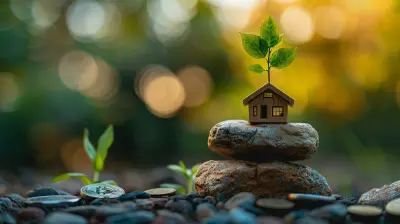
Urban Living Reinvented: Housing Trends for 2027
16 April 2026
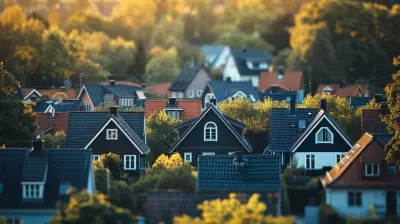
Remember the glossy, futuristic cityscapes from old sci-fi movies? The ones with flying cars and monolithic, impersonal skyscrapers? Well, the future of urban living is arriving by 2027, but it’s looking a lot warmer, greener, and frankly, more human than we ever imagined. We’re not just slapping some smart tech on old blueprints. We’re fundamentally rethinking what it means to live in a city. It’s a quiet revolution, happening brick by brick, algorithm by algorithm, and community garden by community garden.
So, pull up a chair (your smart, ergonomic, probably-sustainable one) and let’s dive into the housing trends that are set to reshape our urban landscapes by 2027. This isn't just about aesthetics; it's about a seismic shift in our values, our technology, and our very definition of "home."
The Great Pivot: From Concrete Jungles to Living Ecosystems
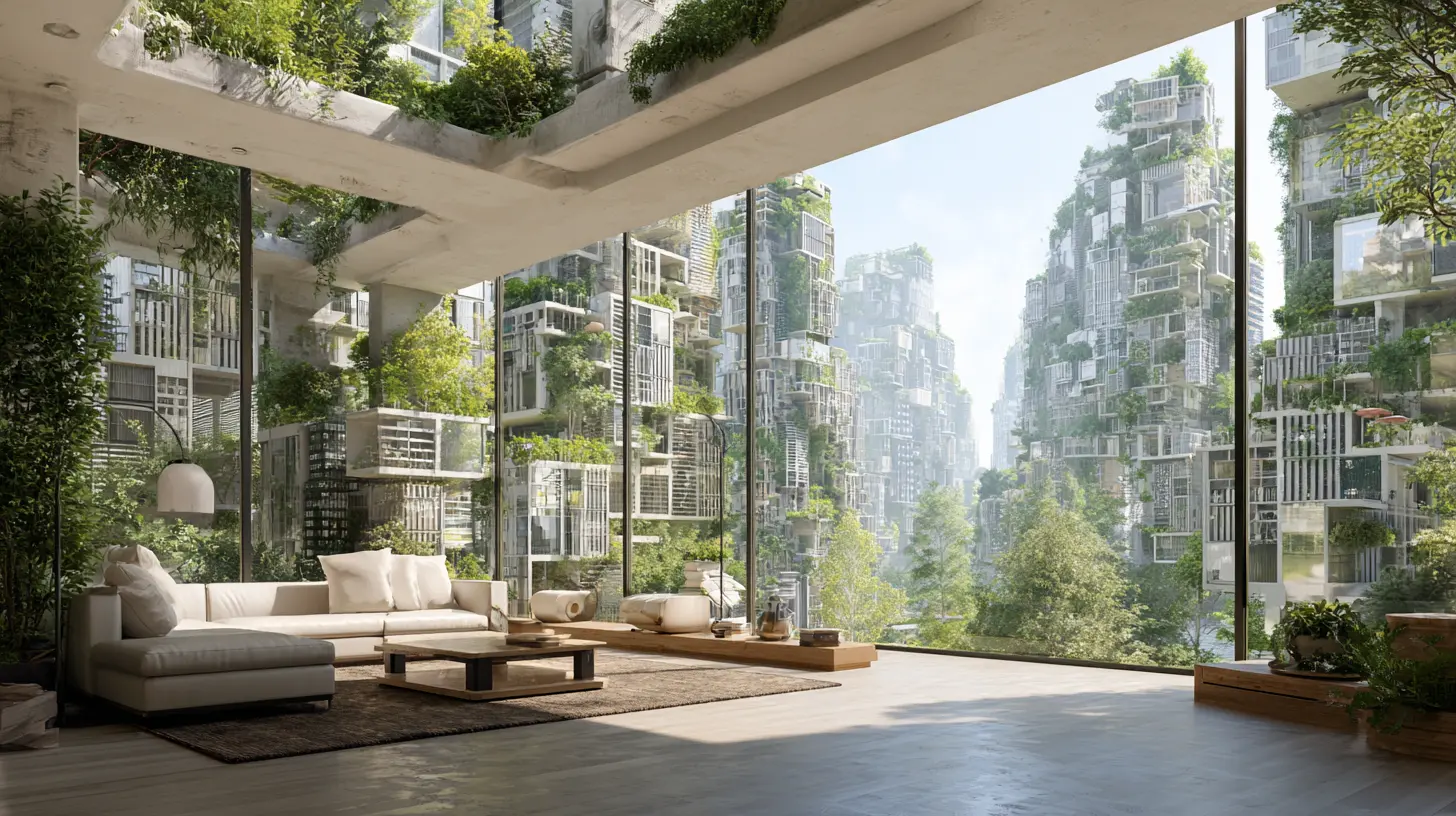
For decades, urban development was a numbers game: how many units can we fit on this plot? The result? Often, sterile concrete boxes that felt more like human filing cabinets than neighborhoods. But a profound awakening is underway. We’re beginning to see cities not as machines for living, but as complex, living ecosystems—and our homes are becoming integral parts of that system.Think of it this way: we’re moving from being mere occupants of a city to being its caretakers and active participants. Our apartments and houses are becoming the individual cells in a larger, healthier urban body. This shift is driven by a powerful cocktail of climate urgency, a post-pandemic craving for connection and wellness, and technology that’s finally smart enough to be subtle. By 2027, the most desirable addresses won’t just boast a great view; they’ll be part of the view itself.
Biophilic Design: Your Home is a Garden (Literally)
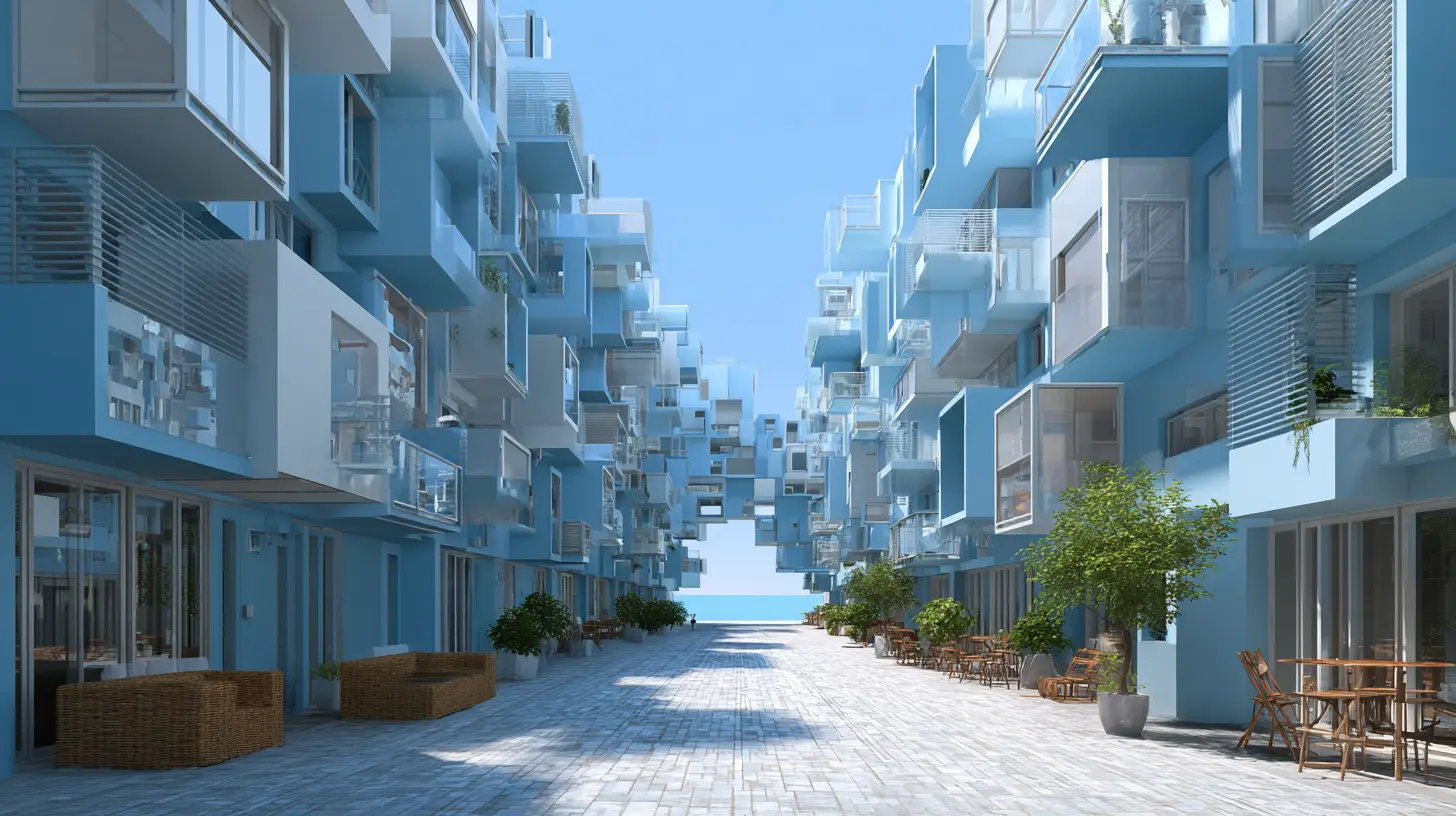
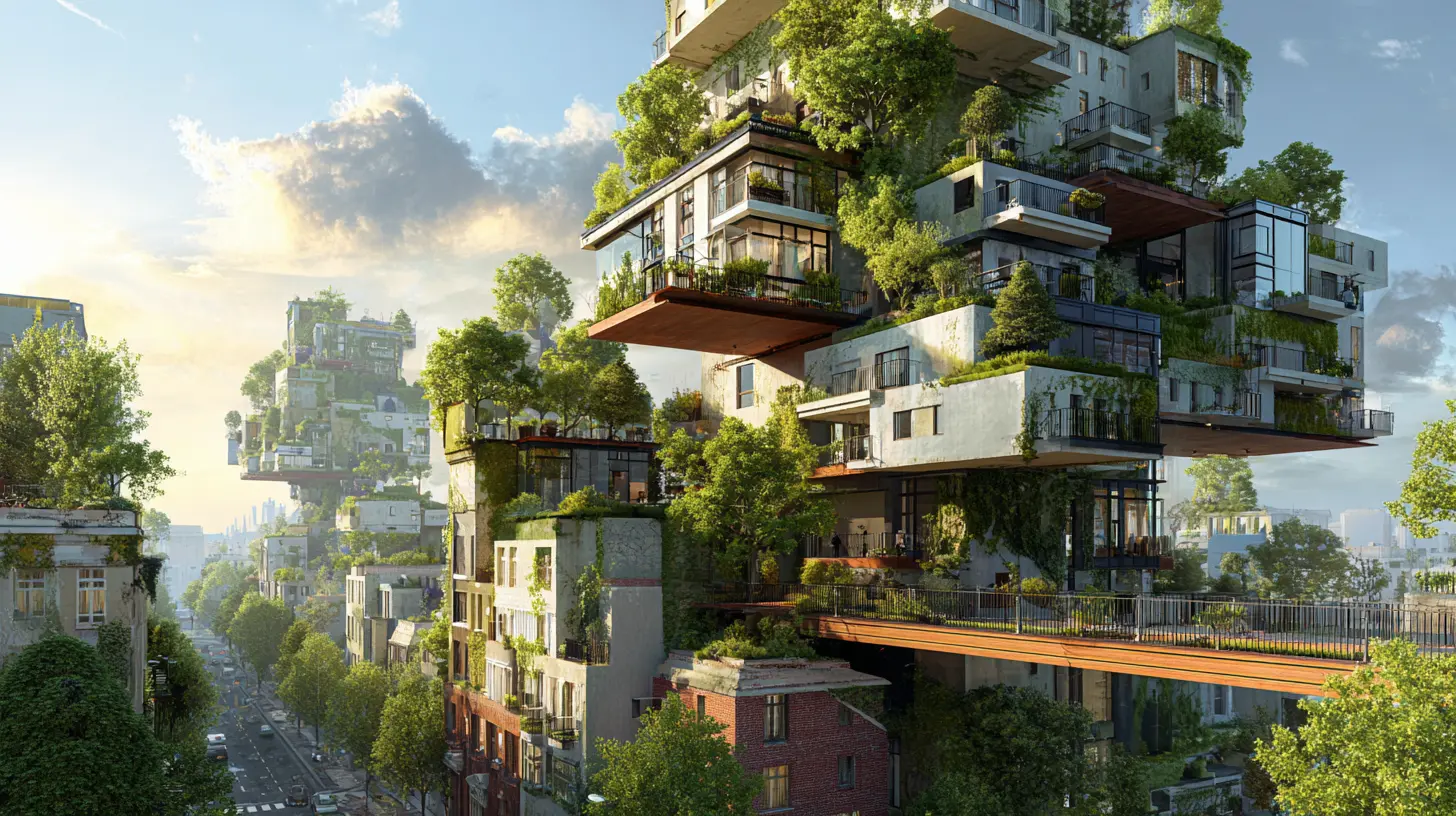
Forget the lone succulent on your windowsill. Biophilic design—the practice of connecting occupants more closely to nature—is going mainstream in a massive way. By 2027, it won’t be a luxury add-on; it will be the baseline expectation.We’re talking about living walls that act as natural air purifiers in your lobby, internal courtyards and atrium gardens that bring light and oxygen deep into building cores, and private terraces that are genuine extensions of local ecology, planted with native species to support pollinators. Materials will be raw, tactile, and honest: think cross-laminated timber structures, hempcrete walls, and terracotta façades that breathe. The sound of trickling water features will mask street noise, and circadian lighting systems will mimic the sun’s daily journey, regulating our sleep and boosting our mood. Your home won’t just look at nature; it will incorporate it, making you calmer, more productive, and healthier. It’s the difference between looking at a postcard of a forest and actually sitting under its canopy.
The 15-Minute City Becomes Real (And Your Home is the Hub)
You’ve probably heard the concept: a city where everything you need—work, groceries, healthcare, education, leisure—is within a 15-minute walk or bike ride. By 2027, this urban planning philosophy will move from theory to tangible reality, and it will dramatically change what we want from our homes.If you don’t need a car for daily errands, what happens to that parking space? It gets reinvented. Underground parking garages are being transformed into community hubs—package pickup centers, micro-fulfillment warehouses for local stores, e-bike charging and repair stations, or even subterranean urban farms using hydroponics. Your home itself becomes the central node in your small, walkable world. Mixed-use developments will be the undisputed king, with apartments sitting atop grocery stores, clinics, co-working spaces, and childcare centers. The boundary between your living room and your neighborhood will blur. Your "commute" to the gym or your friend’s place might just be a stroll down a verdant, pedestrian-priority lane. The home is no longer just a retreat from the city; it’s the comfortable launchpad for your engagement with it.
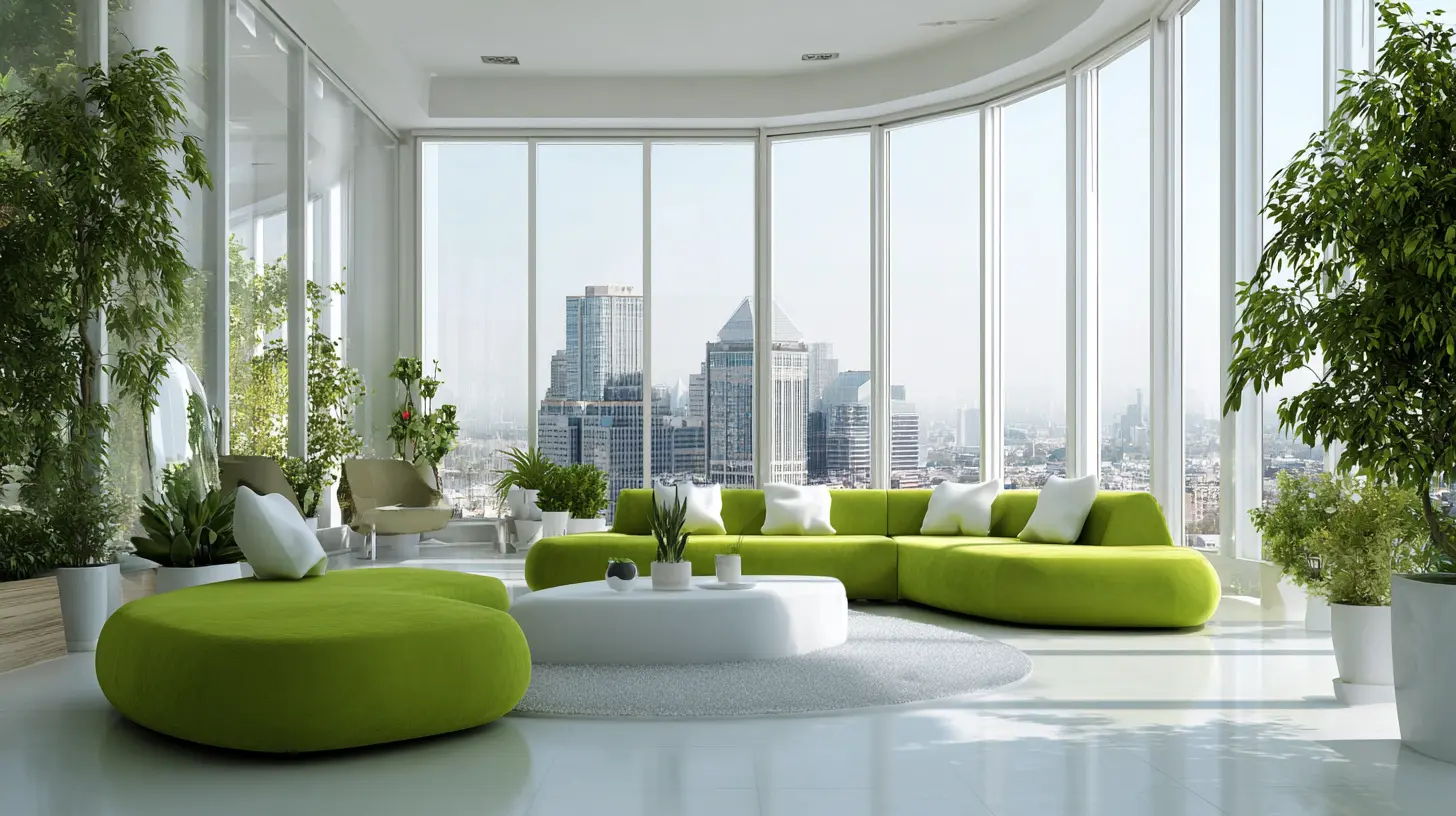
The Tech-Enabled Sanctuary: Invisible Intelligence
Here’s the paradox of 2027’s smart home: the technology will be more powerful and integrated than ever, but you’ll notice it less. The clunky apps and confusing touchscreens are on their way out. Welcome to the era of ambient, predictive, and contextual intelligence.AI and Predictive Automation: A Home That Knows You
Your home won’t just respond to commands; it will anticipate needs. Using a combination of sensors and discreet AI (with robust privacy controls, a non-negotiable trend in itself), your space will learn your rhythms. It’s not magic; it’s thoughtful programming.Did you have a stressful day? Your home might gradually lower the lights, cue up a calming playlist, and adjust the thermostat to your ideal sleeping temperature a little earlier. Your fridge will track groceries and suggest recipes based on what’s about to expire, automatically adding missing ingredients to your pickup order with the local market. Predictive maintenance will be standard; your building’s system will know a filter needs changing or a pipe has a minor weakness before it becomes a problem, scheduling repairs with minimal disruption. The goal is to offload life’s mental clutter—the "did I turn off the oven?" anxiety—so you can focus on living. The tech becomes the quiet, competent stage manager of your domestic life, not a demanding co-star.
Hyper-Efficiency and Self-Sufficiency
Rising energy costs and climate resilience concerns are pushing homes to become personal power stations. By 2027, integrated renewable solutions will be commonplace. We’re moving beyond just solar panels on the roof.Imagine building-integrated photovoltaics (BIPV)—where your windows, façade, or even roof tiles are the solar collectors, sleek and invisible. Smart home energy management systems will juggle power from your panels, your battery storage (like a Tesla Powerwall, but cheaper and more ubiquitous), and the grid. It will run your dishwasher during peak solar production and sell excess energy back to the network. Water reclamation systems will capture greywater from showers and sinks to irrigate those biophilic gardens or flush toilets. Your home will have a "metabolism," actively managing its intake and output for minimal waste and maximum efficiency. It’s not just about saving the planet (though that’s a huge part); it’s about security, lower bills, and independence.
The Social Fabric: New Shapes of Community
Perhaps the most exciting trend is the redefinition of private and shared space. The "nuclear family in a solitary box" model is fragmenting, making way for more fluid, supportive, and interesting living arrangements.Co-Living 2.0: Purpose-Built, Not Just Partitioned
The first wave of co-living was often just fancy dormitories for young professionals. Co-Living 2.0, arriving fully by 2027, is more nuanced and demographic-agnostic. It’s about curated communities with shared values. You might have a co-living building for artists with shared studio space and gallery walls, one for young families with communal playrooms and babysitting co-ops, or one for empty-nesters who want social connection without the burden of a large house.The architecture will reflect this. Private units will be compact, hyper-efficient "sanctuary pods"—beautifully designed for sleeping, bathing, and private downtime. But the heart of the home will be the generously sized, professionally managed common areas: large kitchens for communal dinners, libraries, cinema rooms, workshops, and guest suites. You’re not just renting a room; you’re buying into a built-in social network and a suite of amenities that would be impossible to afford alone. It’s a direct antidote to urban loneliness.
Flexible & Adaptable Spaces (The "Swiss Army Knife" Home)
With remote and hybrid work permanently in the mix, our homes need to work harder. The open-plan loft is getting a rethink because, let’s be honest, Zoom calls in the middle of the living room are not ideal.The answer is adaptive architecture. We’ll see widespread use of moving walls, fold-away furniture, and multi-level platforms that can transform a space in minutes. That home office nook? With a sliding partition and a fold-down bed, it becomes a private guest room. Your dining table lowers to become a crafting station or a play table for kids. Sound-dampening pods and acoustic phone booths will be common features, allowing for private calls or focused work within a larger space. Your home will be a chameleon, changing its colors to suit your daily needs—workday, weekend, party, or retreat. It’s the ultimate exercise in spatial efficiency, giving you the feeling of more space without adding a single square foot.
By 2027, urban living won’t be about enduring the city. It will be about thriving within it. Our homes will be our partners in wellness, our anchors in community, and our active contributors to a sustainable future. They will be softer, smarter, and more social. The reinvention isn’t coming from some distant, cold vision of the future. It’s being built right now, from our very human desires for connection, comfort, and a lighter footprint on the planet. The city of tomorrow is taking root today—and it feels a lot like home.
all images in this post were generated using AI tools
Category:
Housing TrendsAuthor:

Melanie Kirkland
Discussion
rate this article
2 comments
Fenris Murphy
Exciting changes are on the horizon for urban living! The trends for 2027 promise fresh ideas and vibrant spaces. Let's embrace this evolution and look forward to a dynamic future in our cities. Time to get inspired!
May 22, 2026 at 10:50 AM
Melanie Kirkland
Absolutely! I'm excited to see how these trends will transform our cities and enhance our living experiences. Let's embrace the change together!
Rina Cannon
Who knew that by 2027, urban living would be like stepping into the future? With tiny homes, vertical gardens, and tech-savvy apartments, it’s a city-slicker’s paradise! Can’t wait for my smart fridge to remind me to water my plants while I binge-watch my favorite shows!
April 20, 2026 at 2:59 AM
Melanie Kirkland
It's exciting to think about how innovation will reshape our lifestyles. Can't wait to see it all come together!