What the Aging Population Means for Housing Needs by 2026
2 October 2026
The aging population is reshaping the housing landscape in profound ways. As the demographics shift and more individuals enter their golden years, the implications for housing needs by 2026 are critical for developers, investors, and policymakers alike. This article delves into the multifaceted challenges and opportunities that arise from this demographic change, offering insights on how to navigate this evolving market.
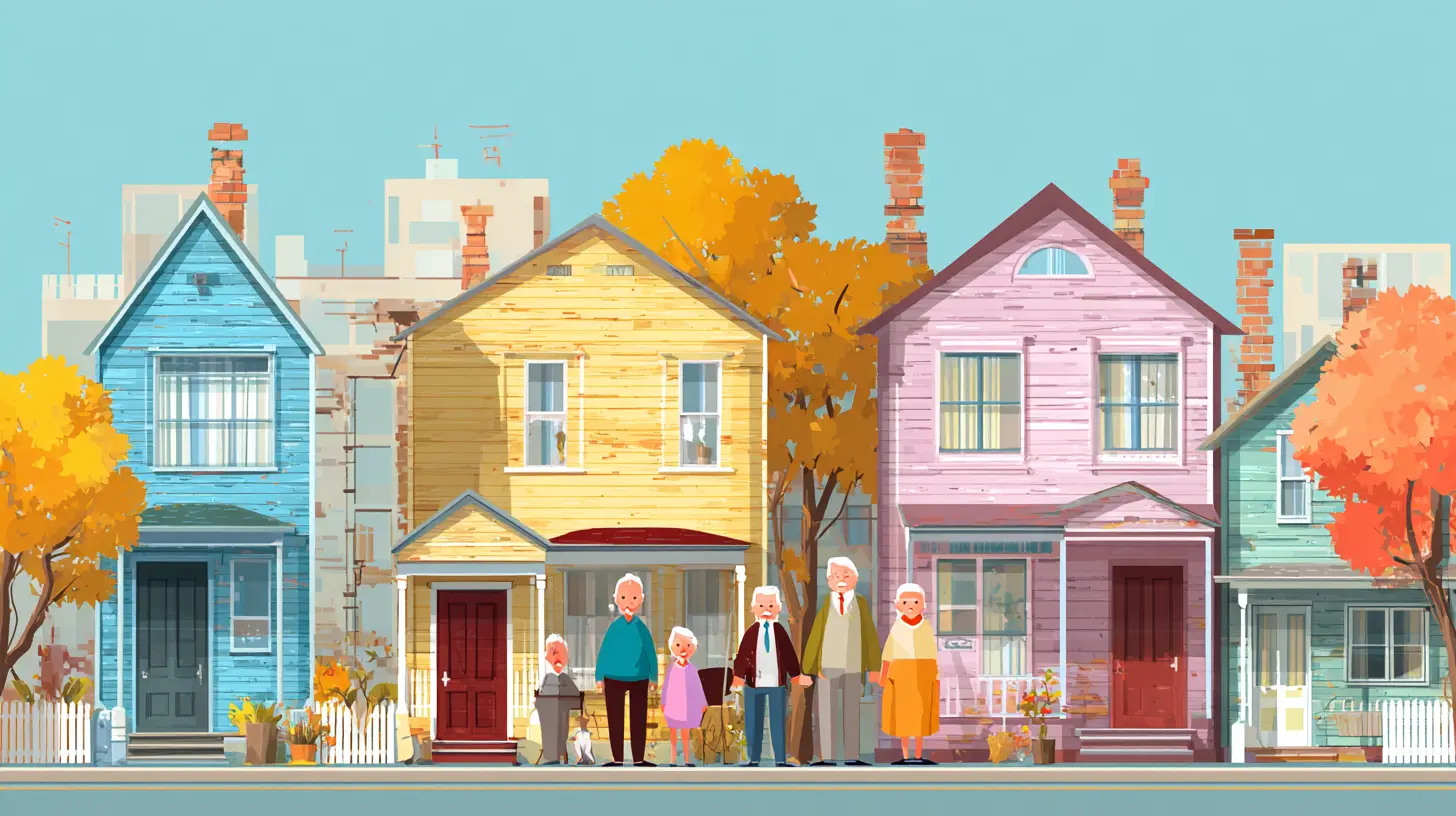
Understanding the Demographic Shift
The aging population is not just a statistic; it represents a significant social and economic transformation. As of 2023, individuals aged 65 and older make up a substantial portion of the population, and projections indicate that this trend will continue, reaching nearly 25% by 2030. This shift is driven by increased life expectancy and declining birth rates, leading to an older, more diverse population.Key Statistics
- By 2026, it is estimated that over 54 million Americans will be aged 65 and older.- The number of individuals aged 85 and older is expected to reach 8 million by 2026.
These figures underline the urgent need for housing solutions that cater specifically to this age group.
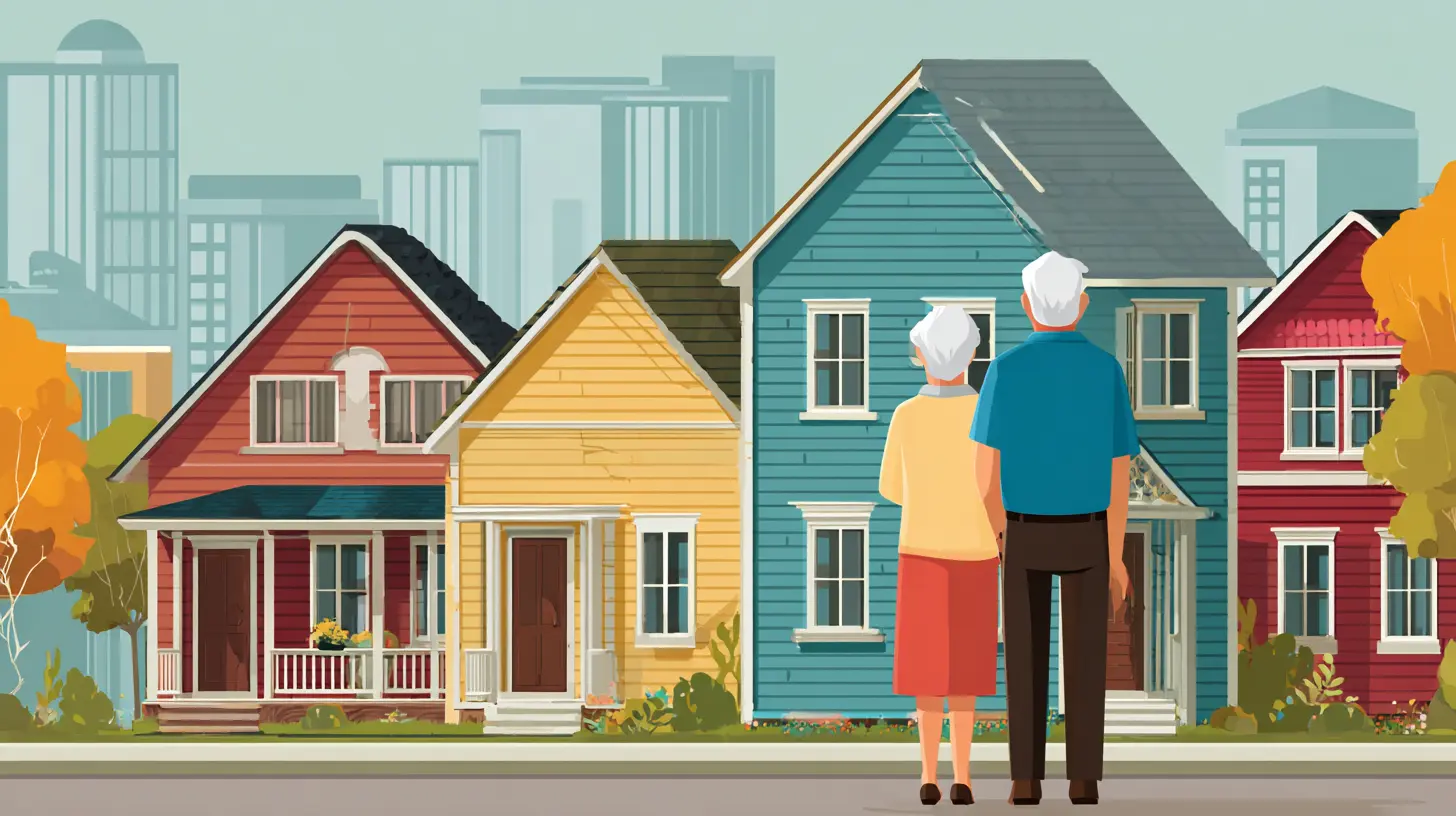
Housing Preferences of the Aging Population
Understanding the preferences of older adults is crucial for effective housing planning. Many seniors seek different living arrangements than previous generations. Here are some trends that define their housing desires:Demand for Accessibility
As mobility can become an issue, accessibility is paramount. Homes designed with single-level living, wider doorways, and no-step entries are increasingly sought after. features like grab bars in bathrooms and non-slip floors can significantly enhance safety.Desire for Community
Aging individuals often prefer to live in communities that offer social engagement. This has led to a rise in demand for age-restricted communities or developments that provide opportunities for interaction, such as shared gardens, community centers, and social activities.Location Matters
Proximity to healthcare services, public transportation, and shopping centers heavily influences housing choices. Seniors want to remain independent, and easy access to essential services is a top priority. Neighborhoods that offer these amenities are more attractive to older adults.
Types of Housing Options
With the aging population in mind, various housing options are emerging to meet their needs. Each option has distinct advantages and disadvantages.Independent Living Communities
These are designed for seniors who are largely self-sufficient but desire a community atmosphere. They typically offer amenities like housekeeping, meals, and transportation services.Pros: Encourages social interaction, offers support services, and provides a maintenance-free lifestyle.
Cons: Can be expensive, and some may feel a lack of independence due to rules and regulations.
Assisted Living Facilities
For seniors who need more help with daily activities, assisted living facilities provide a balance between independence and assistance. They offer personal care services while allowing residents to maintain some autonomy.Pros: Personalized care, access to medical services, and community engagement.
Cons: Higher costs compared to independent living, and potential for less privacy.
Aging in Place
This approach allows seniors to stay in their own homes while receiving support services for daily tasks. Modifying existing homes to enhance accessibility is key.Pros: Familiar environment, increased independence, and personalized care options.
Cons: Home modifications can be costly, and finding reliable in-home care can be challenging.

Real-World Examples of Adaptation
Communities across the country are responding to the aging population with innovative housing solutions.The Village Model
The village model is a grassroots approach that allows older adults to live independently in their own homes while providing access to a network of services and social activities. This model fosters community support and encourages seniors to remain active and engaged.Example: The Beacon Hill Village in Boston, Massachusetts, is a prime example where members pay an annual fee for access to services like transportation, home repairs, and social events.
Mixed-Use Developments
Developers are increasingly creating mixed-use spaces that cater to all ages. These developments often include residential units, retail shops, and community services all in one location, making it easier for seniors to access essential services.Example: The Del Webb communities in various states offer homes tailored for active adults with amenities that promote health and wellness while being integrated with shopping and recreational facilities.
Challenges Facing the Housing Market
While the demand for senior housing is growing, several challenges must be addressed to meet these needs effectively.Affordability
Many seniors live on fixed incomes, making affordability a significant concern. As housing costs rise, finding suitable options that fit within a limited budget becomes increasingly difficult.Zoning Regulations
Zoning laws can hinder the development of new housing types that cater to older adults. Many areas are still designed for traditional single-family homes, limiting the options for innovative solutions like accessory dwelling units or mixed-use developments.Healthcare Integration
As healthcare needs become more pronounced, integrating housing with healthcare services is essential. However, coordinating these services can be complex and requires collaboration between various stakeholders.
Best Practices for Developers and Investors
For those looking to invest in or develop housing for the aging population, certain best practices can enhance success.Conduct Community Needs Assessments
Understanding the specific needs of the community is vital. Conduct surveys or focus groups to gather insights on what seniors want in their living arrangements.Design for Flexibility
Building homes that can easily adapt to changing needs is crucial. Features like adjustable light switches, wide hallways, and spaces that can evolve with the resident's needs can greatly enhance the usability of a property.Collaborate with Healthcare Providers
Partnering with healthcare providers can facilitate the integration of services within housing developments. This collaboration can enhance the overall living experience for seniors and provide peace of mind for their families.Misconceptions About Senior Housing
Several misconceptions persist about senior housing that can cloud decision-making.Myth: Seniors Want to Live Alone
While some seniors prefer solitude, many seek community and socialization. Understanding that many older adults desire connection can guide the development of more inviting communal spaces.Myth: All Seniors Are the Same
Older adults are a diverse group with varying needs and preferences. Understanding the differences based on age, health status, and lifestyle can lead to more targeted and effective housing solutions.Myth: Senior Housing Is Too Expensive
While costs can be high, there are affordable options available. Many communities offer sliding scale fees based on income, and government programs can assist with housing needs.
Navigating the Future
As we look ahead to 2026 and beyond, several trends will shape the housing landscape for the aging population.Technology Integration
Smart home technology will become increasingly important for seniors. Features like remote health monitoring, automated lighting, and voice-activated systems can enhance safety and ease of living.Sustainability
Sustainable building practices will become more relevant as environmental concerns grow. Seniors often prefer homes that are energy-efficient and environmentally friendly, aligning with broader societal trends.Policy Changes
Government policies will likely evolve to accommodate the growing aging population, such as incentives for builders to create senior-friendly developments or funding for public transportation aimed at seniors.Conclusion
The aging population presents both challenges and opportunities in the housing market. As we approach 2026, understanding the needs and preferences of older adults will be crucial for stakeholders at all levels. By prioritizing accessibility, community, affordability, and adaptability, we can create housing solutions that not only meet the demands of the aging population but also enhance their quality of life.
all images in this post were generated using AI tools
Category:
Housing TrendsAuthor:

Melanie Kirkland