Where Retail Space Is Making a Big Comeback
21 October 2026
For nearly a decade, the narrative around physical retail sounded like a eulogy. E-commerce was eating the world, malls were dying, and any investor who held retail real estate was either stubborn or trapped. Then something unexpected happened. Retail space started coming back, not everywhere and not in the same form as before, but in specific places and specific formats that are outperforming the broader market by a wide margin.
This is not a story about the death of e-commerce or a triumphant return to the golden age of shopping malls. It is a story about a market that went through a painful correction and is now repricing around a different set of fundamentals. Understanding where that comeback is happening, and why, matters whether you are an investor, a developer, a retailer, or simply someone trying to make sense of the built environment around you.
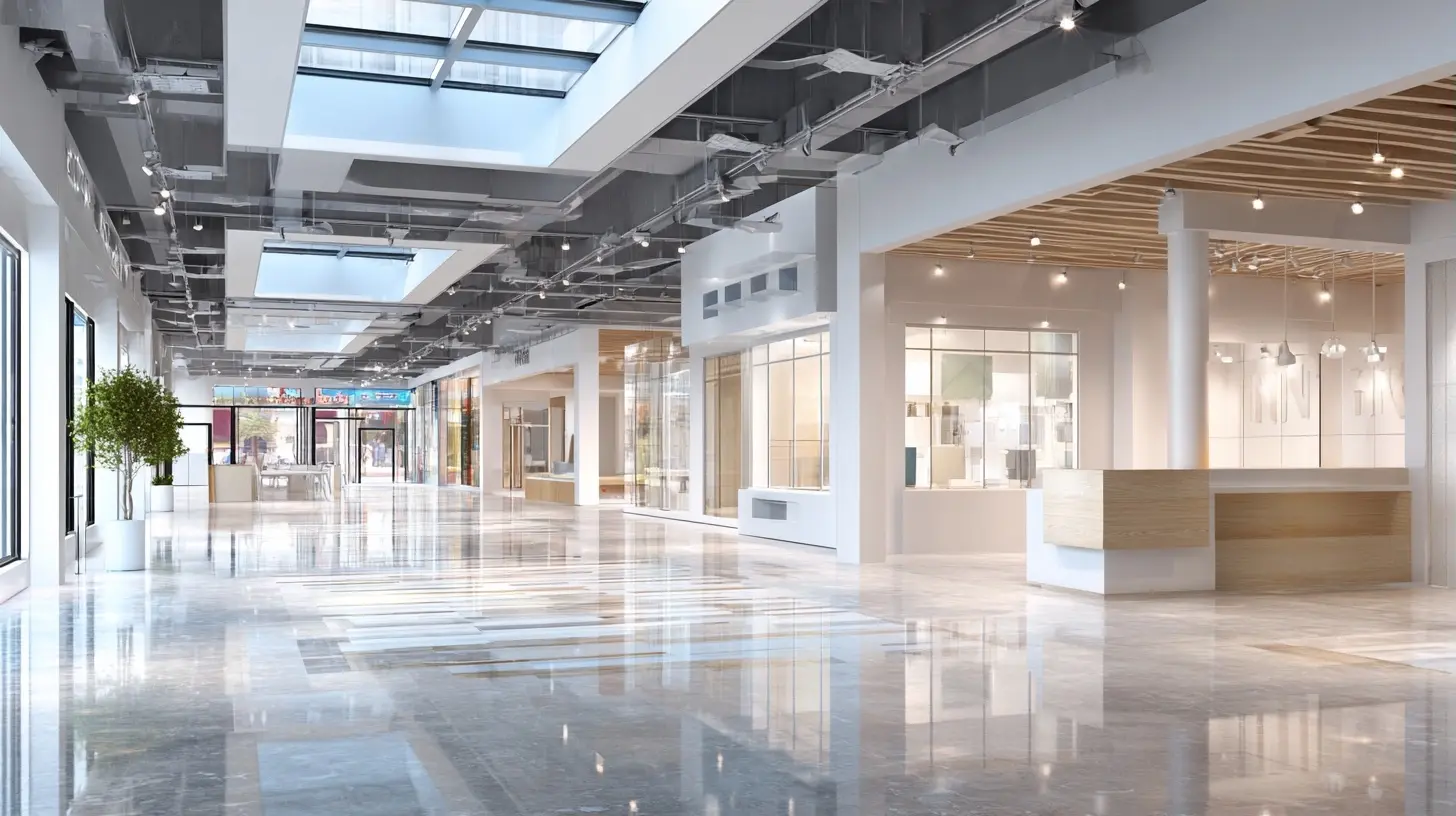
The Comeback Is Real, but It Is Not Uniform
The first thing to get straight is that "retail is back" is a lazy headline. Retail real estate is not a single asset class. A grocery-anchored center in a growing suburb and a 1980s enclosed mall in a declining trade area are both technically retail, and their trajectories have almost nothing in common.What has actually happened is a sharp bifurcation. Demand has concentrated in a relatively narrow band of property types and locations, while the weakest assets continue to struggle or get demolished and redeveloped. That concentration is what makes the comeback look dramatic in some markets and invisible in others.
The segments showing the clearest recovery share a few traits: they serve daily needs, they sit in areas with strong household growth, they offer something e-commerce cannot replicate easily, and they are small enough or flexible enough to adapt. Let us break down where this is happening.

Grocery-Anchored Centers: The Quiet Workhorse
If you want to understand why certain retail space is thriving, start with groceries. Grocery-anchored neighborhood centers have been among the most resilient retail assets through the entire disruption cycle, and their recovery has been steady rather than spectacular.The logic is straightforward. People buy food every week regardless of the economy. A grocery store drives repeat foot traffic that is not discretionary, and that traffic spills over to the surrounding tenants: the pharmacy, the barber, the quick-service restaurant, the nail salon, the gym. These are convenience and service businesses that depend on proximity and habit.
What makes this segment work is the mismatch between online economics and perishable goods. Grocery delivery exists and keeps growing, but the last-mile cost of delivering a carton of milk and a bag of apples is brutal relative to the value of the order. Most households still shop in person for the bulk of their food, and even heavy online grocery users tend to visit stores for fresh items and immediate needs. That physical necessity anchors the whole center.
What to watch before buying into the story
Not every grocery-anchored center is a safe bet. The anchor tenant's health matters enormously. A center anchored by a strong, well-capitalized operator in a growing trade area behaves very differently from one anchored by an underperforming chain in a stagnant market. You should look at the anchor's sales per square foot, its lease term remaining, and whether the center has a realistic plan if that anchor ever leaves. A grocery box is hard to backfill with anything other than another grocer, and not every market can support a replacement.Trade area fundamentals matter just as much. Population growth, household income, and the absence of newer competing centers within a reasonable drive time are the variables that determine whether a center holds its value. A grocery center in a mature, stable suburb can be an excellent income asset. The same center in an area losing population is a slow-motion problem no matter how good the anchor looks on paper.
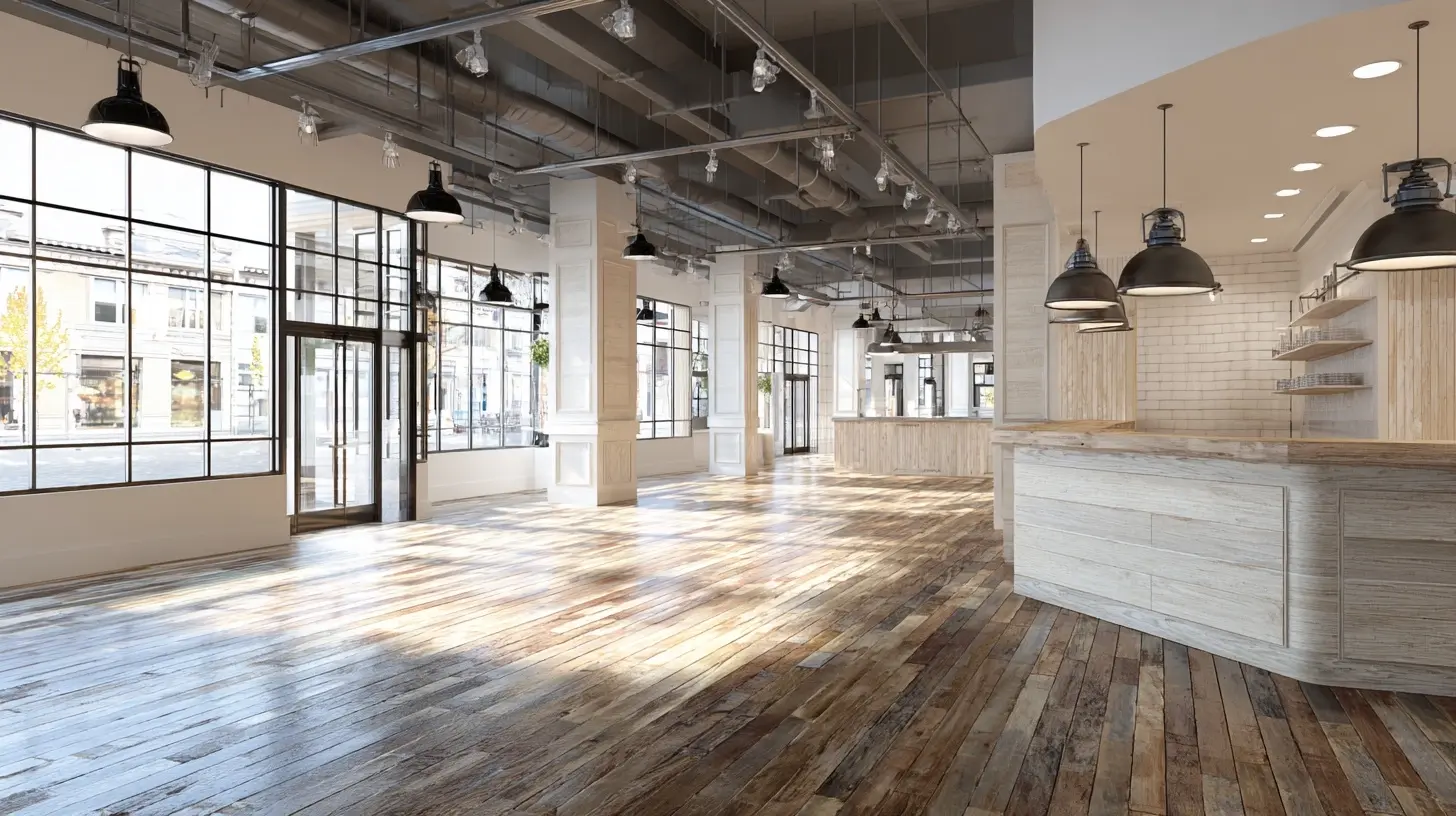
The Return of the Small-Format and Strip Center
Another place the comeback is visible is in small-format retail and well-located strip centers. These are the properties that many investors wrote off as obsolete during the e-commerce panic, and that assumption turned out to be wrong for the right locations.Small-format space appeals to a broad range of tenants: medical and dental offices, quick-service restaurants, fitness studios, pet services, personal care, and specialty food. These businesses are service-heavy and experience-driven, which makes them resistant to online substitution. You cannot get a teeth cleaning, a haircut, or a yoga class delivered to your door.
The economics also favor smaller spaces. A tenant leasing 1,500 square feet has a much easier time covering rent than one leasing 10,000 square feet, which means the landlord's income is spread across more, smaller tenants. That reduces concentration risk. The trade-off is higher management intensity: more leases, more turnover, more coordination. It is more work to operate, and that operational burden is precisely why some larger institutional owners avoided it and why smaller, hands-on owners have found opportunity there.
Why the strip center came back
Several forces converged. Rents fell enough during the downturn that service businesses could finally afford good locations. Landlords became more flexible on lease terms and tenant improvements. And consumer behavior shifted toward convenience: people want to park once, walk a short distance, and get several errands done. A well-curated strip center delivers that better than a sprawling mall or a big-box power center.There is also a demographic angle. Aging populations in many markets need more medical and personal services close to home. Younger households, meanwhile, show a persistent preference for walkable, mixed-use environments where retail sits alongside housing. Both trends push demand toward smaller, conveniently located formats.
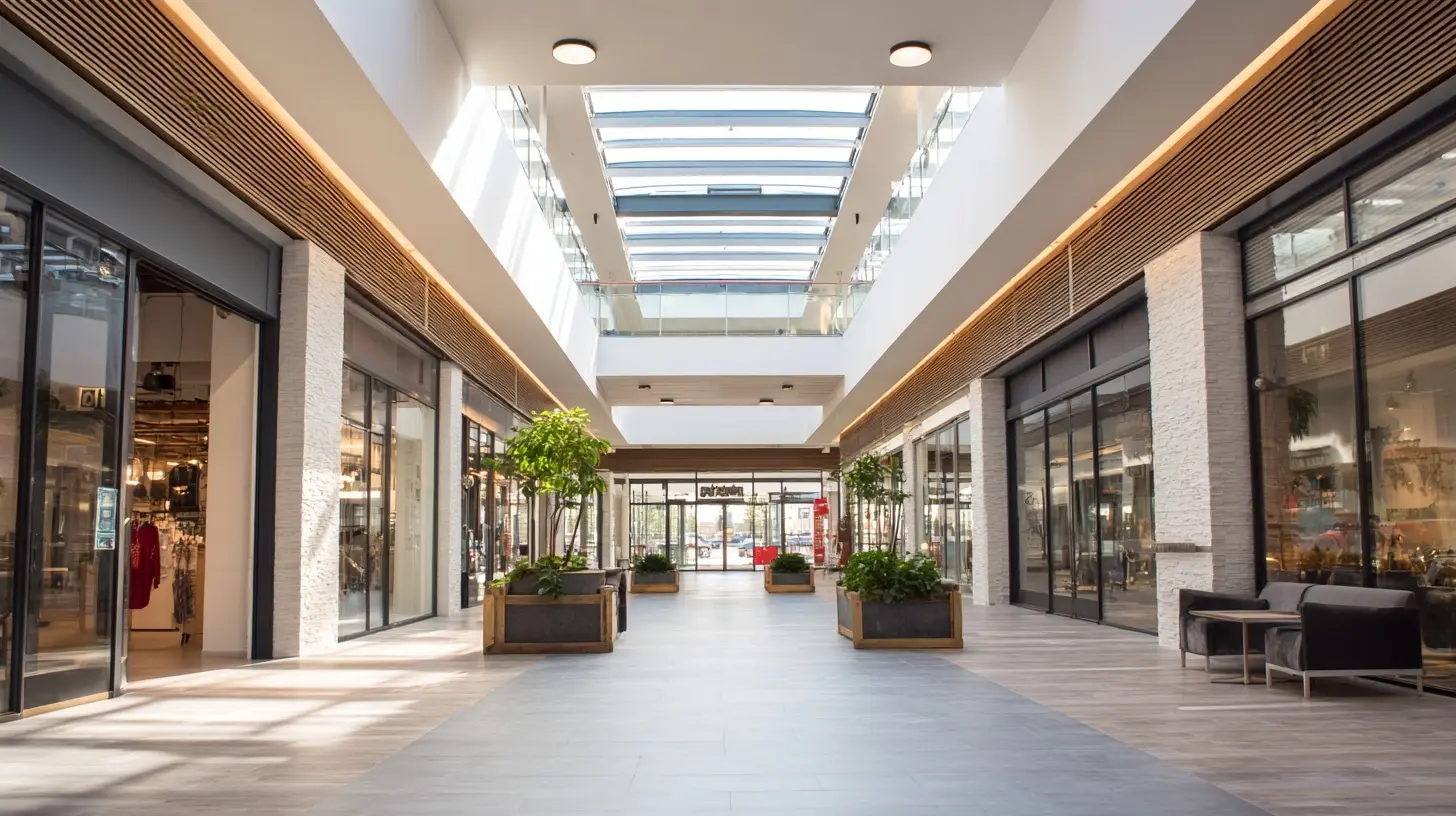
Mixed-Use Districts and the Walkable Urban Comeback
Perhaps the most interesting part of the retail recovery is happening in mixed-use and walkable urban districts. This is where retail space is not just surviving but commanding premium rents, and it is where the lessons for developers are most valuable.The core insight is that retail in a mixed-use environment benefits from built-in demand. If you put hundreds of apartments above and around a retail street, you have created a captive customer base that lives within walking distance. That base supports cafes, restaurants, small grocers, fitness, and services in a way that a standalone retail property cannot match.
This is why so many cities and developers have shifted toward ground-floor retail under residential. The retail is not the primary revenue driver; it is the amenity that makes the residential product more attractive and the neighborhood more vibrant. When it works, the whole is worth more than the sum of its parts.
When mixed-use retail fails
The failure mode is well documented and worth understanding. Mixed-use retail fails when the ground-floor space is overbuilt relative to real demand, when the unit sizes are wrong for the tenants who actually want to be there, or when the district lacks the density and foot traffic to support the retail program.A common mistake is designing retail space for an imagined future population rather than the one that exists today. Another is building large, deep spaces that only a chain restaurant or big-box tenant could use, when the realistic tenant mix is small local operators who need 800 to 2,000 square feet with good frontage. Getting the unit sizes, the parking strategy, and the tenant mix right is the difference between a lively district and a row of vacant storefronts.
Why the Comeback Happened: The Underlying Forces
It helps to step back and understand the structural reasons retail space is recovering in these segments. This is not a random cyclical bounce.The oversupply correction ran its course
The retail downturn was partly a story of too much space. Years of overbuilding, especially in enclosed malls and power centers, created a glut. The painful period of store closures and mall redevelopments removed a lot of that excess. When supply contracts enough, the remaining space tightens, and rents stabilize. That is basic economics, and it is a big part of what is happening now.E-commerce found its ceiling in categories that need physical space
Online retail kept growing, but the growth was uneven across categories. Books, electronics, and apparel moved online in a big way. Fresh food, personal services, medical care, and experiential categories did not. The categories that resisted online substitution are exactly the ones that need physical space, and that has concentrated demand in the property types that serve them.Retailers learned to use stores as part of an omnichannel strategy
The old framing of stores versus e-commerce was wrong. Many retailers now treat stores as fulfillment nodes, showrooms, and returns centers. A store that handles online order pickup and returns generates traffic and reduces last-mile costs. That gives retailers a reason to keep and even expand physical footprints in the right locations.Consumers value experience and convenience
After years of shopping online, consumers have shown a durable appetite for experiences and for the convenience of physical errands done quickly. Restaurants, fitness, personal services, and specialty food all benefit. That demand supports the service-heavy tenant mix that drives the strongest retail centers.
The Trade-Offs You Need to Weigh
None of this means retail real estate is a free lunch. Every segment of the comeback comes with real risks and trade-offs that deserve honest attention.Grocery-anchored centers offer stability but often lower yields and limited upside. You are buying a bond-like income stream, and the growth comes mostly from rent escalations and modest re-leasing. If you want high appreciation, this is not the asset for you.
Small-format and strip centers offer higher yields and more upside but demand active management. Tenant turnover is higher, and a single vacancy in a small center can hurt more proportionally than in a large one. You need the capacity to lease, manage, and maintain.
Mixed-use retail can command premium rents and create long-term value, but it is the most execution-dependent. Get the design, the tenant mix, or the timing wrong, and you have an expensive problem. It also tends to have longer development timelines and more regulatory friction.
The common thread is that the comeback rewards specialization and local knowledge. Generic, passive approaches to retail real estate are less likely to work than they were in the era of easy mall income.
Common Mistakes and Misconceptions
A few persistent errors keep investors and developers from capturing the comeback.The biggest misconception is that the recovery is broad. It is not. Assuming that any retail property will benefit from the trend is a recipe for buying into a segment that is still declining.
Another mistake is underwriting anchor tenants as permanent. Anchors leave, chains restructure, and formats change. A center that depends entirely on one tenant is fragile no matter how strong that tenant looks today. Always stress-test the property without its anchor.
A third error is ignoring the tenant's business model. A landlord who leases to a restaurant without understanding the operator's margins and experience is asking for a vacancy in eighteen months. The best retail leasing is done by people who understand what makes the tenant's business work and whether the location supports it.
Finally, there is the misconception that online growth and physical retail are a zero-sum game. The evidence points the other way: the categories and formats that integrate physical and digital are the ones performing best.
Practical Guidance for Different Readers
If you are an investor, focus on trade area fundamentals, anchor health, and lease structure. Look at sales per square foot for anchors and key tenants, remaining lease terms, and the realistic cost to backfill a vacancy. Model the downside, not just the base case.If you are a developer, get the unit sizes and tenant mix right before you finalize the design. Talk to the operators you want to attract and understand their space needs and economics. Build flexibility into the plan so you can adapt as the market shifts.
If you are a retailer, the comeback means competition for good space is returning. Negotiate tenant improvement allowances and flexibility clauses while you still have leverage, and choose locations based on customer proximity and co-tenancy rather than raw square footage.
If you are a city or planner, the lesson is that mixed-use and walkable districts generate durable retail demand. Zoning that allows housing near retail, reasonable parking requirements, and predictable approval processes all help.
What to Watch Going Forward
The comeback is likely to continue in the segments described here, but it will remain selective. Watch the health of grocery operators, the pace of household formation in suburban and mixed-use markets, and the evolution of retailer omnichannel strategies. Watch interest rates as well, since retail real estate is sensitive to financing costs and cap rate movements.The most important thing to watch is supply. The recovery has been helped by years of underbuilding in many segments. If new supply ramps up faster than demand, the strongest segments could soften. Discipline in development will determine whether the comeback has staying power.
Retail space is making a big comeback, but the comeback is concentrated, conditional, and earned. The properties that are thriving are the ones that serve real, recurring needs in the right locations with the right tenant mix. That is not a temporary trend. It is a durable shift in what physical retail is for, and understanding it is the key to making good decisions in this market.
all images in this post were generated using AI tools
Category:
Real Estate OpportunitiesAuthor:

Melanie Kirkland
Discussion
rate this article
1 comments
Simon Wolfe
Oh great, retail space is back! Just what we need-more empty storefronts transformed into trendy coffee shops. Can't wait for the grand reopening!
October 21, 2026 at 3:05 AM