Where to Buy Next: Up-and-Coming Areas in Atlanta
18 October 2026
Atlanta has never been a city that sits still. Neighborhoods that were quietly affordable ten years ago now command prices that surprise even longtime residents. The flip side is that the city still has plenty of room to grow, and the next wave of appreciation is already forming in pockets that most buyers have not fully noticed yet. If you are shopping for a home or an investment property and you want to get ahead of the curve rather than chase it, this guide is for you.
I have spent enough time watching Atlanta's intown and suburban rings to know one thing: "up and coming" is not a marketing label you can trust at face value. It is a claim that needs evidence. So instead of simply listing trendy ZIP codes, this article explains how to evaluate an emerging area, which specific parts of metro Atlanta show the strongest fundamentals right now, and what trade-offs you accept when you buy before a neighborhood is fully polished.
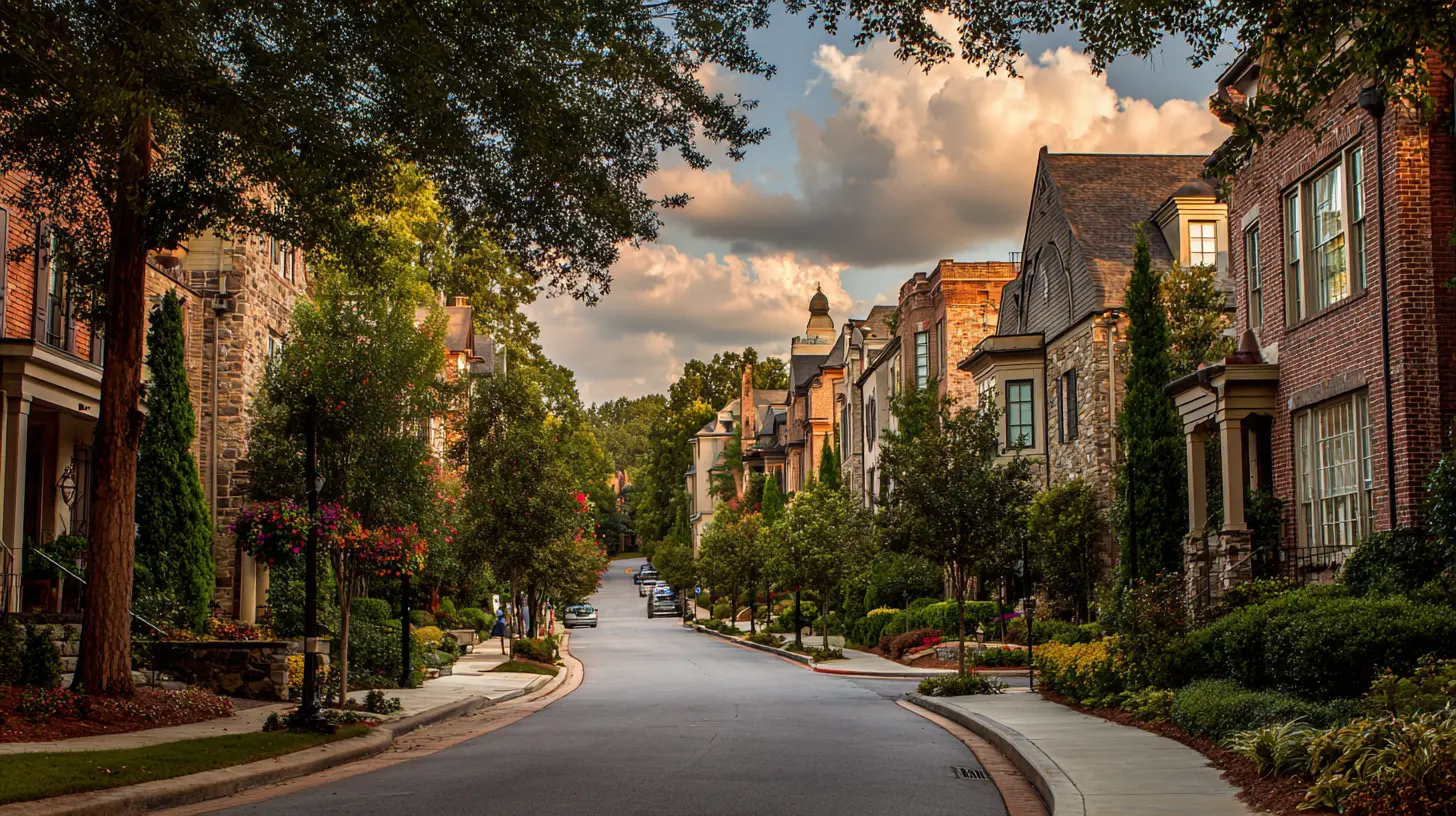
How to Tell an Up-and-Coming Area from a Hyped One
Before naming any neighborhoods, it helps to understand the signals that separate genuine momentum from wishful thinking. Most buyers get this wrong because they look at the wrong indicators.The signals that actually matter
Infrastructure investment. Road widenings, sidewalk projects, park bonds, and transit studies are public record. When a city or county commits capital to an area, it is placing a bet with taxpayer money. That is a stronger signal than any blog post.Institutional anchors. A new hospital, a university expansion, a corporate headquarters relocation, or a large mixed-use development changes daily foot traffic and employment patterns. Those effects compound over years.
Housing stock mismatch. Look for neighborhoods where the existing homes are older and smaller than what the surrounding market now supports. When teardowns and renovations start appearing next to original 1950s ranches, the math is shifting.
Permit activity. A steady rise in renovation permits and new construction permits in a specific cluster tells you that builders and homeowners see upside. This is one of the most reliable leading indicators available to the public.
The signals that mislead
Rising prices alone prove nothing. A neighborhood can spike because of a single investor buying a block of rentals, or because of a short-lived flurry of speculation. Social media buzz is even weaker. If your only evidence is that people on the internet are talking about a place, you are not analyzing, you are following.The other common mistake is confusing "cheap" with "undervalued." Some affordable neighborhoods are cheap because of persistent problems: floodplain exposure, poor access, weak schools, or a lack of amenities that no amount of time will fix. Price is a starting point for investigation, not a conclusion.
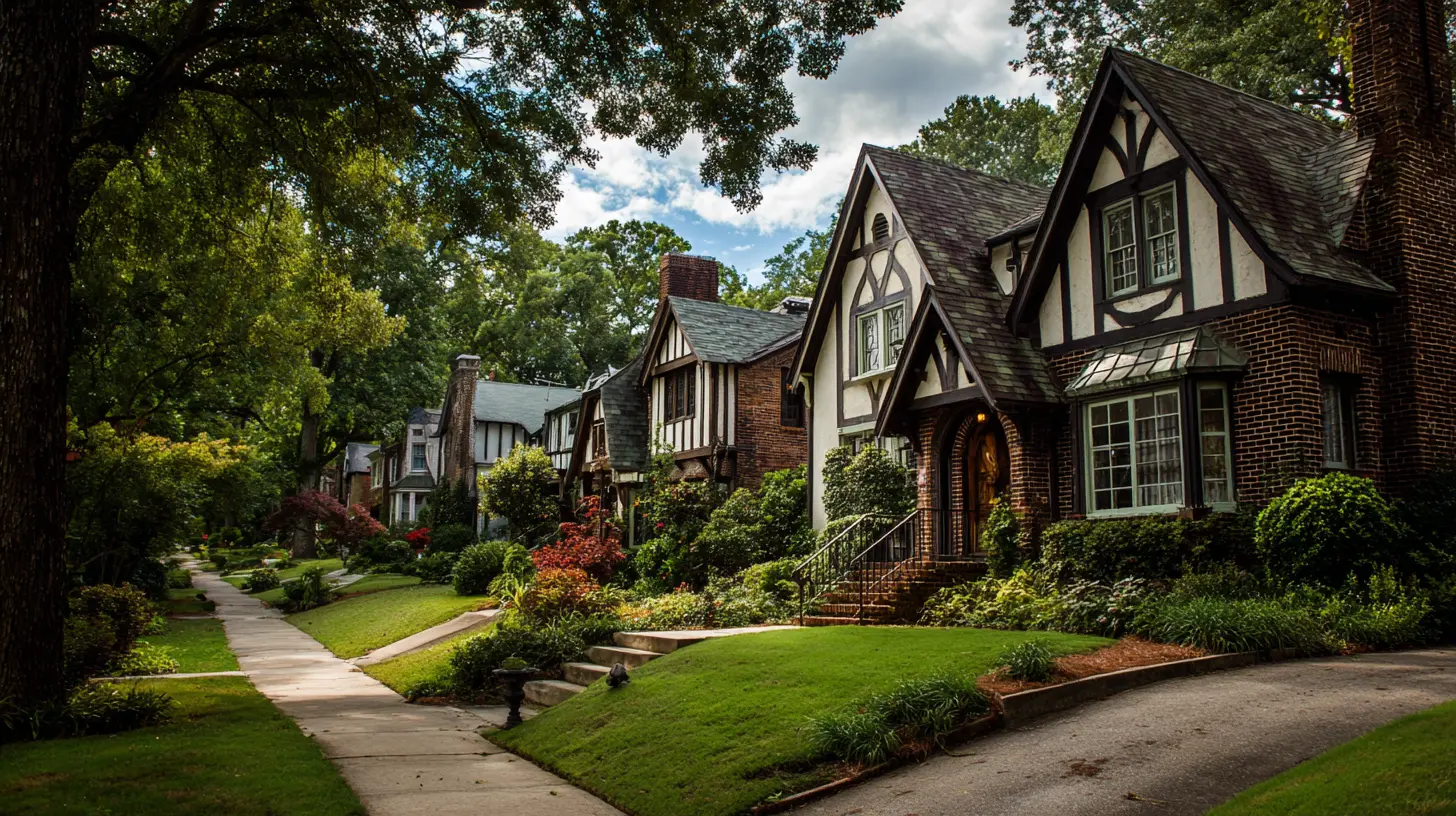
The Intown Ring: Where the Next Wave Is Forming
Atlanta's intown neighborhoods have followed a fairly predictable pattern over the past two decades. The BeltLine and its spurs pushed value outward from the core. As the obvious stops along the Eastside Trail matured, buyers who wanted walkability but could not stomach the prices began looking one or two neighborhoods farther out. That migration is still underway.Southwest Atlanta along the BeltLine's western edge
The Westside Trail has already transformed parts of the west side, but the effect has been uneven. Neighborhoods directly adjacent to completed trail segments have seen the most dramatic change. The opportunity now sits in the pockets that are close to the trail but not yet fully connected to it, particularly in the areas around the southern reaches of the trail system.Why this works: trail access is a durable amenity. It cannot be replicated by a developer, and it tends to raise property values within a walkable radius over time. When a neighborhood is within a ten to fifteen minute walk of a trail entrance but still has original housing stock at prices well below the intown average, the spread between current price and replacement cost is your margin.
What to watch for: floodplain maps matter enormously in this part of the city. Some blocks near the trail sit in areas with drainage issues, and insurance costs can erode your returns. Check the flood zone designation before you fall in love with a house. Also verify how the trail connection will actually be built, because a planned connection that never gets funded is worth nothing.
The southeastern corridor
The area southeast of downtown has been slower to redevelop than the east side, and that lag is precisely what makes it interesting. You are close to downtown employment, you have access to major freight and transit corridors, and housing prices remain far below comparable intown neighborhoods.The trade-off is real. This corridor has historically carried more industrial uses and lower incomes, and the transition is gradual. Buyers here should expect a longer hold period, perhaps seven to ten years, before the neighborhood feels materially different. If you need immediate walkability and a finished retail scene, this is not your area. If you can tolerate a slower arc in exchange for a lower entry price and genuine proximity to the core, the fundamentals are compelling.
West Midtown's outer edges
West Midtown proper has become expensive. The interesting play is at its fringes, where new residential development is pushing into former industrial parcels. The key question is always the same: does the new construction connect to a walkable grid, or is it an island? Isolated apartment towers surrounded by surface parking do not create neighborhood value. Projects that stitch into existing streets and add ground-floor retail do.When evaluating a specific building or block here, look at what is already permitted nearby. A cluster of approved mixed-use projects within a half mile is a much better sign than a single project standing alone.
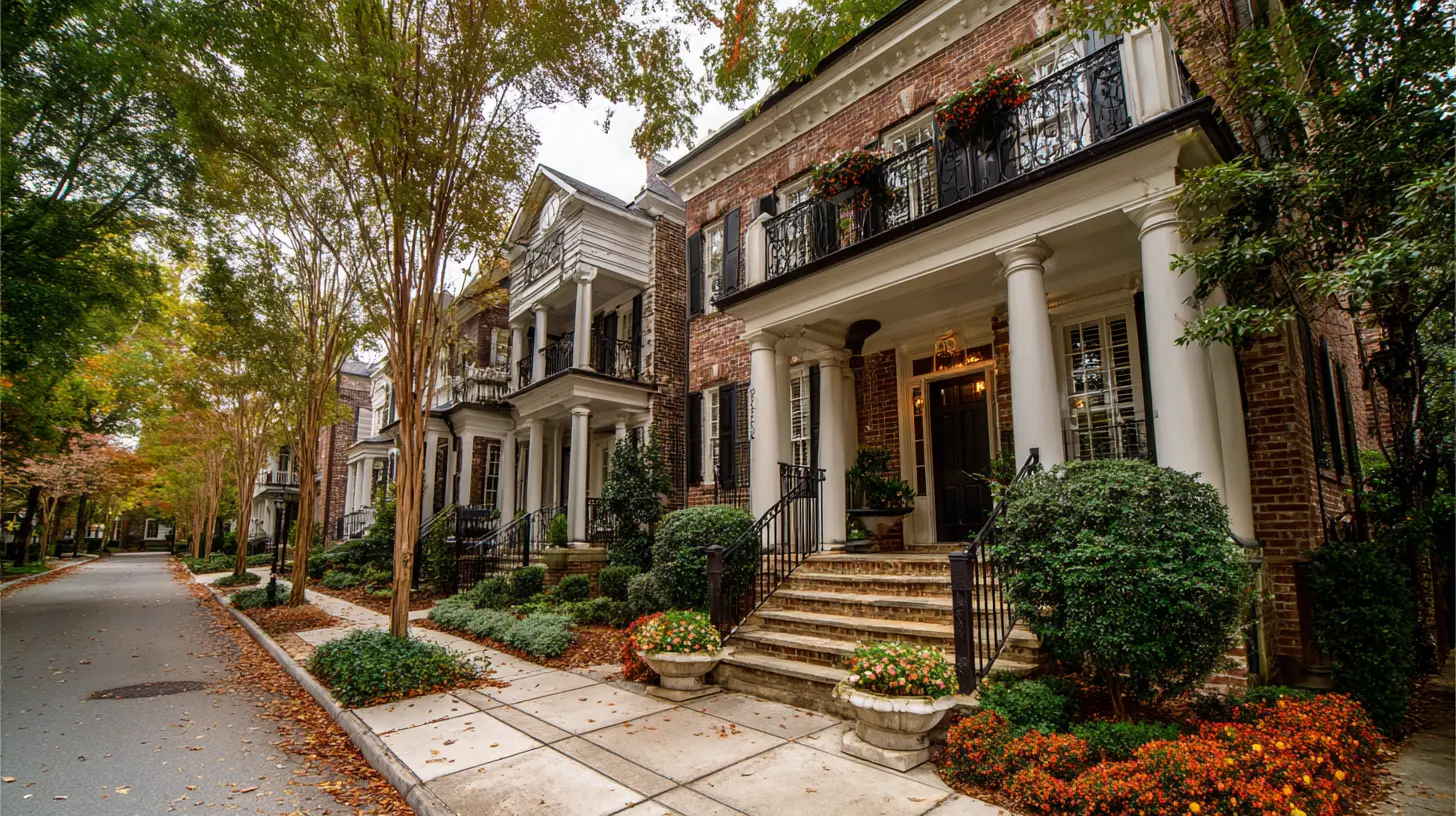
The Suburban Ring: Value Beyond the Perimeter
Not every buyer wants intown living. Families with school-age children, remote workers who need square footage, and investors seeking cash flow often find better numbers outside I-285. The suburbs are not monolithic, and the same analytical discipline applies.DeKalb County's eastern corridor
Communities along the eastern side of DeKalb County have benefited from sustained investment in transit access and commercial redevelopment. The arrival of new retail and the renovation of older shopping centers can shift a neighborhood's trajectory, because retail follows rooftops and rooftops follow retail in a reinforcing loop.A practical example: when a dated shopping center is redeveloped with a grocery anchor and pedestrian improvements, nearby home values typically respond within a few years. The mistake buyers make is buying after the grocery store opens. The better entry point is when the redevelopment is approved and under construction but not yet complete.
South Fulton and the airport corridor
South Fulton has absorbed a large share of the region's new residential construction, and the area around the airport supports a deep employment base. For investors, this can mean solid rental demand from airport and logistics workers who want short commutes.Be careful with new construction here. Builder incentives and bulk sales to investors can distort pricing, and some subdivisions have high concentrations of rentals, which affects both resale value and financing. Before buying, ask what percentage of homes in the subdivision are owner-occupied. A simple conversation with a neighbor or a look at recent deed records will tell you more than a sales brochure.
The northern suburbs along the GA-400 corridor
The northern arc has long been popular with families, and the up-and-coming angle here is not about cheap entry prices. It is about redevelopment of aging commercial corridors into walkable town centers. Several north metro cities have pursued this strategy, converting strip centers and parking lots into mixed-use districts.The appeal is that you get established schools and infrastructure alongside a newer, more walkable core. The trade-off is price and competition. These areas are not secrets, so you should expect to pay close to market and to move quickly when the right property appears.
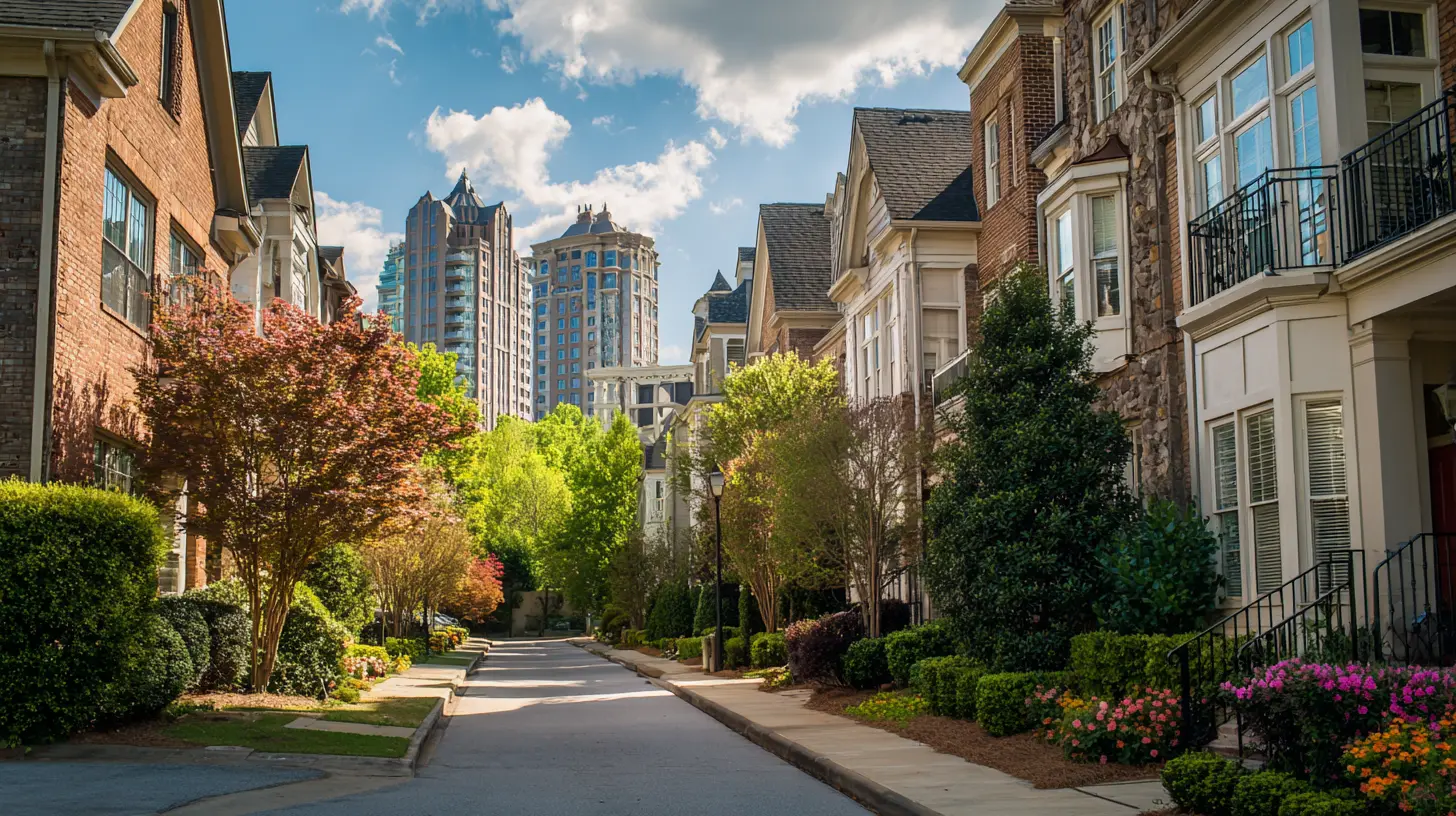
Comparing the Strategies: Intown vs. Suburban vs. Hybrid
There is no universally correct answer, but there is a correct answer for your situation. Here is how the main approaches compare.Intown emerging neighborhoods offer the highest appreciation potential and the strongest lifestyle upside, but they demand patience, tolerance for transition, and careful due diligence on environmental and infrastructure issues. They suit buyers with a seven to ten year horizon who value walkability.
Suburban emerging corridors offer more house for the money, better school access in many cases, and steadier rental demand. Appreciation tends to be slower and more predictable. They suit families and cash-flow investors who prioritize stability over upside.
The hybrid approach means buying in a suburban city that is actively building a walkable core. You accept a higher entry price in exchange for lower risk, because the redevelopment is already funded and underway. This is the choice for buyers who want some of the upside without betting on an unproven transition.
A useful rule of thumb: the earlier you buy in a neighborhood's cycle, the more you need to verify with public records, and the longer you should plan to hold. The later you buy, the more you pay for certainty.
Common Mistakes Buyers Make in Emerging Areas
Buying the most expensive house on the block. In a transitioning neighborhood, the ceiling is set by surrounding homes. If you overbuild relative to the street, you may wait a long time for the market to catch up to you.Ignoring the exit. Every purchase should include a clear answer to who will buy this property from you and why. If the answer is "someone like me, but richer," you need to understand what will make that person choose this block over a more established one.
Underestimating carrying costs. Older homes in emerging areas often need roof, HVAC, and plumbing work. Property taxes can reset after purchase. Insurance in areas with drainage or flood exposure can be significantly higher than you expect. Build these into your budget before you make an offer.
Skipping the site visit at different times of day. A quiet street at noon can be a very different street at 11 p.m. Visit on a weekday morning, a weekend afternoon, and a weeknight evening. Talk to people who live there.
Assuming schools will improve on your timeline. School quality can shift, but it usually moves slower than property values. If schools are central to your decision, verify current ratings and attendance zones directly with the district rather than relying on a neighbor's optimism.
Practical Steps Before You Make an Offer
Start with the county's GIS and permit portal. Pull the flood zone, the zoning designation, and the recent permit history for the parcel and the surrounding blocks. Then check the city or county capital improvement plan to see what is scheduled for the area. These are free, public, and more reliable than any listing description.Next, drive the commute at the time you would actually travel it. Atlanta traffic is not uniform, and a route that looks fine on a map can add forty minutes at peak.
Finally, talk to a local agent who works that specific neighborhood, not a generalist. Ask them what has changed in the last two years and what they expect in the next five. A good agent will tell you about the problems too, and that honesty is worth more than a polished pitch.
A Final Word on Timing
The best time to buy in an up-and-coming area is when the evidence of improvement is visible but the prices have not fully caught up. That window is different in every neighborhood, and it closes quickly once a major amenity opens or a marquee development delivers. The buyers who do well are not the ones who guess. They are the ones who read the permits, walk the streets, and ask uncomfortable questions before they sign.Atlanta rewards that kind of homework. The city's growth is not a straight line, and some of the strongest opportunities sit in places that do not yet look impressive. If you approach the search with discipline rather than excitement, you can find a neighborhood where your timing works in your favor.
all images in this post were generated using AI tools
Category:
Neighborhood GuidesAuthor:

Melanie Kirkland