Where to Find Cultural Diversity and Real Estate Value
23 November 2026
Cultural diversity has become a focal point for many homebuyers and investors as they navigate the real estate market. The value of real estate is not solely determined by location, property size, or architectural style; cultural richness can significantly enhance a neighborhood's appeal. Understanding where to find this diversity, as well as its relationship with real estate value, is essential for making informed decisions.
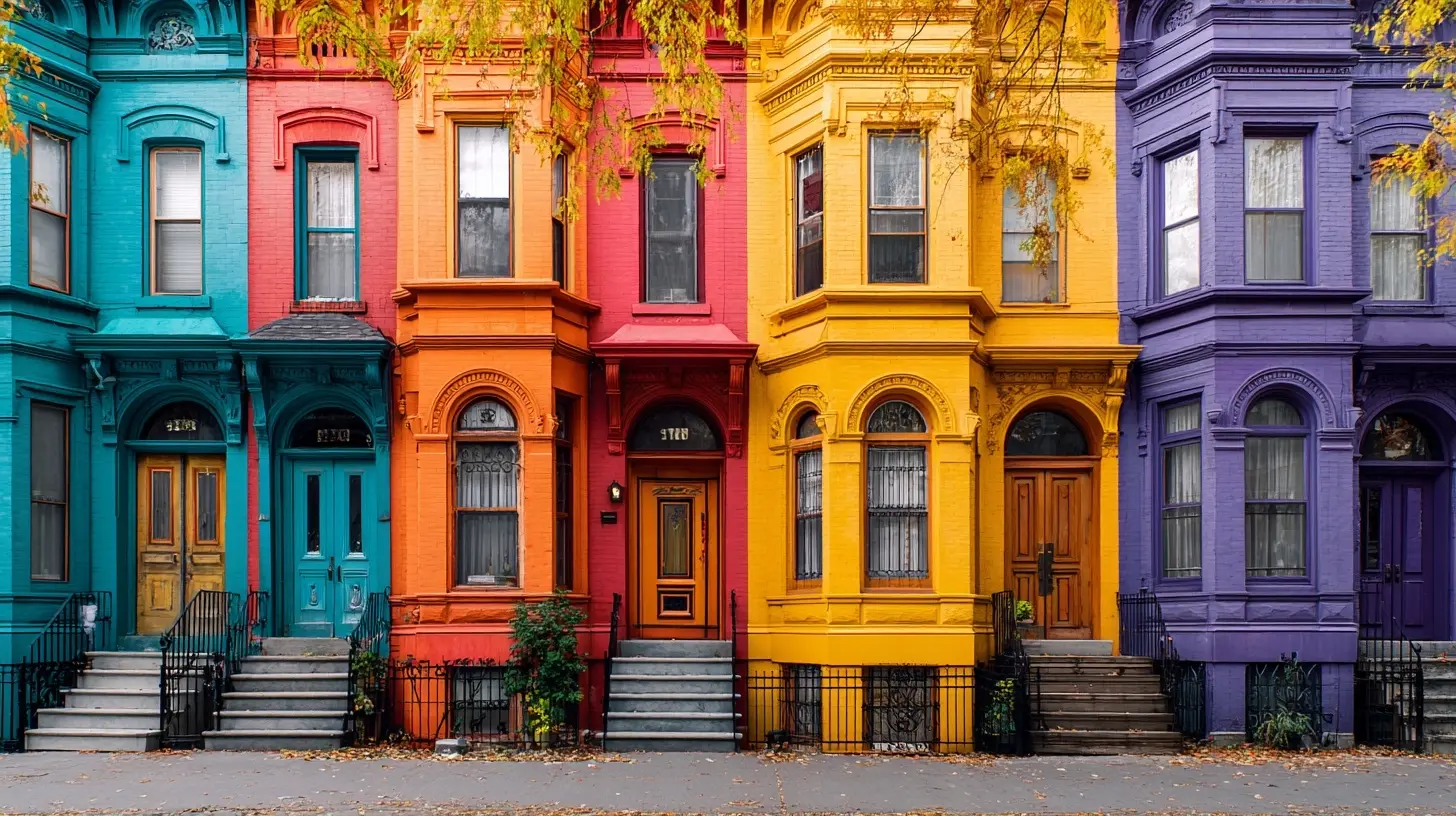
The Significance of Cultural Diversity in Real Estate
Cultural diversity contributes to the vibrancy of a community. It influences local businesses, schools, and social interactions, creating a dynamic atmosphere that can be attractive to residents and investors alike. Neighborhoods that boast varied cultural backgrounds often see increased demand for housing, leading to appreciation in property values.Benefits of Cultural Diversity
1. Economic Growth: Areas with diverse populations often have varied businesses catering to different tastes and preferences. This diversity can stimulate economic growth, leading to improved job opportunities and higher income levels.2. Enhanced Community Life: A mix of cultures often leads to rich community events, festivals, and local traditions. This fosters a sense of belonging and community engagement, making neighborhoods more desirable.
3. Educational Opportunities: Diverse communities provide a broader range of educational experiences. Schools in these areas may offer programs that promote cultural awareness, preparing students for a globalized world.
Challenges of Cultural Diversity
While cultural diversity brings numerous benefits, it is not without challenges. Investors and homebuyers should be aware of potential issues, such as:1. Cultural Clashes: Differences in values and traditions can lead to misunderstandings and tensions among residents, which might affect community cohesion.
2. Gentrification: As neighborhoods become more desirable, rising property values can displace long-time residents, leading to a loss of the very cultural diversity that attracted new buyers.
3. Market Fluctuations: Cultural diversity can sometimes lead to volatility in property values, particularly if economic conditions change or if there is a shift in demographics.
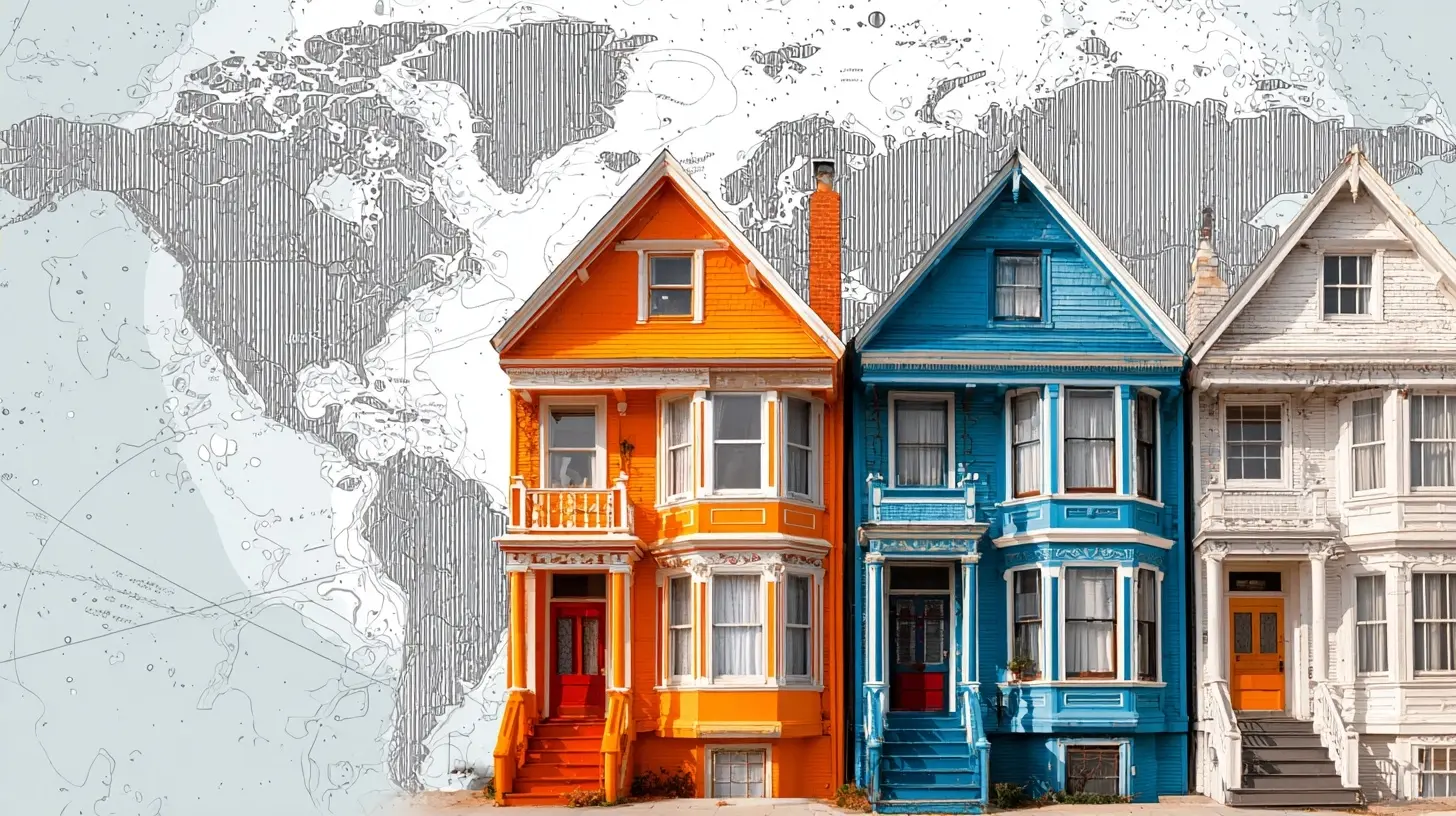
Identifying Areas with Cultural Diversity
To find neighborhoods rich in cultural diversity, consider the following strategies:1. Research Demographics
Start with census data and local government reports to understand the demographic makeup of an area. Look for neighborhoods with a mix of ethnicities, languages, and cultural traditions. Websites like the U.S. Census Bureau provide detailed demographic information that can help you gauge the diversity of a region.2. Visit Community Events
Attending local festivals, markets, and cultural events can give you firsthand insight into the community. This not only allows you to experience the culture but also provides an opportunity to meet residents and local business owners, offering a more personal perspective on the area's vibrancy.3. Explore Local Businesses
Diverse neighborhoods often have a variety of restaurants, shops, and services that reflect different cultures. A thriving mix of businesses, from ethnic grocery stores to international cuisine, can be a strong indicator of cultural diversity.4. Engage with Community Organizations
Local cultural organizations, nonprofits, and community centers often promote cultural diversity. Engaging with these groups can offer insights into the neighborhood's dynamics and ongoing initiatives aimed at fostering inclusivity.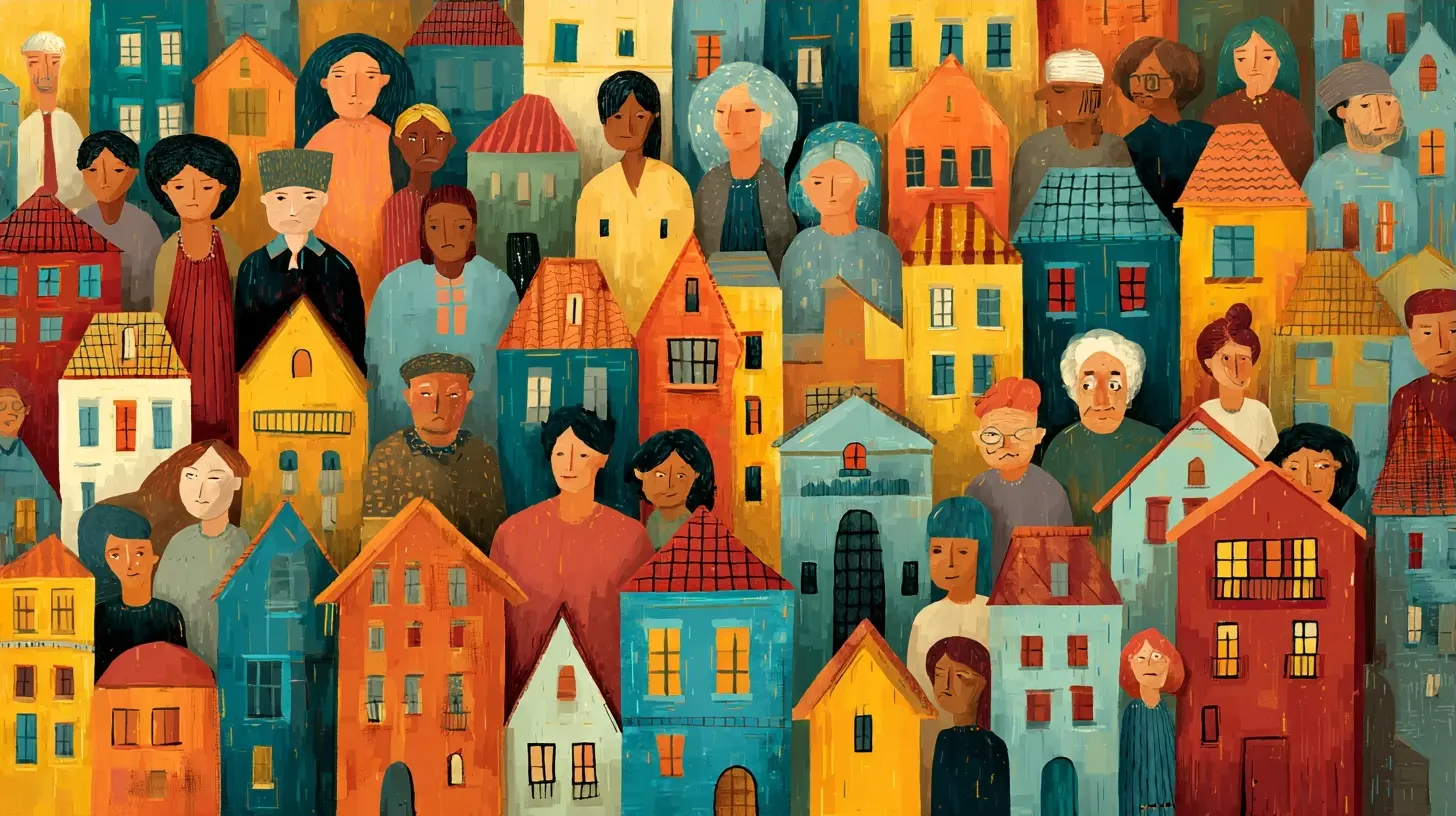
Analyzing Real Estate Value in Diverse Areas
When considering real estate investments in culturally diverse neighborhoods, it is crucial to assess the potential value and future growth of the area.Factors Influencing Real Estate Value
1. Investment in Infrastructure: Areas that are investing in public transportation, parks, and community facilities can enhance property values. Improved infrastructure tends to attract more residents, thereby increasing demand for housing.2. Proximity to Urban Centers: Neighborhoods near major employment hubs or city centers often experience higher property values. When cultural diversity is found in these areas, it can amplify the attractiveness for potential buyers.
3. Development Trends: Pay attention to new developments, such as housing projects or commercial spaces, which can signal an area's growth potential. However, consider the type of development-projects that preserve cultural heritage may be more appealing than those that risk gentrification.
Assessing Neighborhood Stability
Consider the stability of the neighborhood when evaluating real estate opportunities. Areas with a strong sense of community and low crime rates often provide better long-term investments. Research crime statistics, local school ratings, and community engagement to gauge stability.Real-World Examples
1. Los Angeles, California: Neighborhoods like Koreatown and Little Ethiopia showcase significant cultural diversity. Real estate values have seen substantial growth due to their proximity to downtown and the vibrant cultural scene.2. Queens, New York: Known for its vast array of cultures, Queens offers a rich tapestry of communities. Areas like Astoria and Jackson Heights see high demand for housing, driven by their diverse populations and strong local economies.
3. Toronto, Canada: Toronto is often cited as one of the most culturally diverse cities in the world. Neighborhoods like Kensington Market and Parkdale are not only culturally rich but have also experienced rising real estate values due to their unique character and urban appeal.
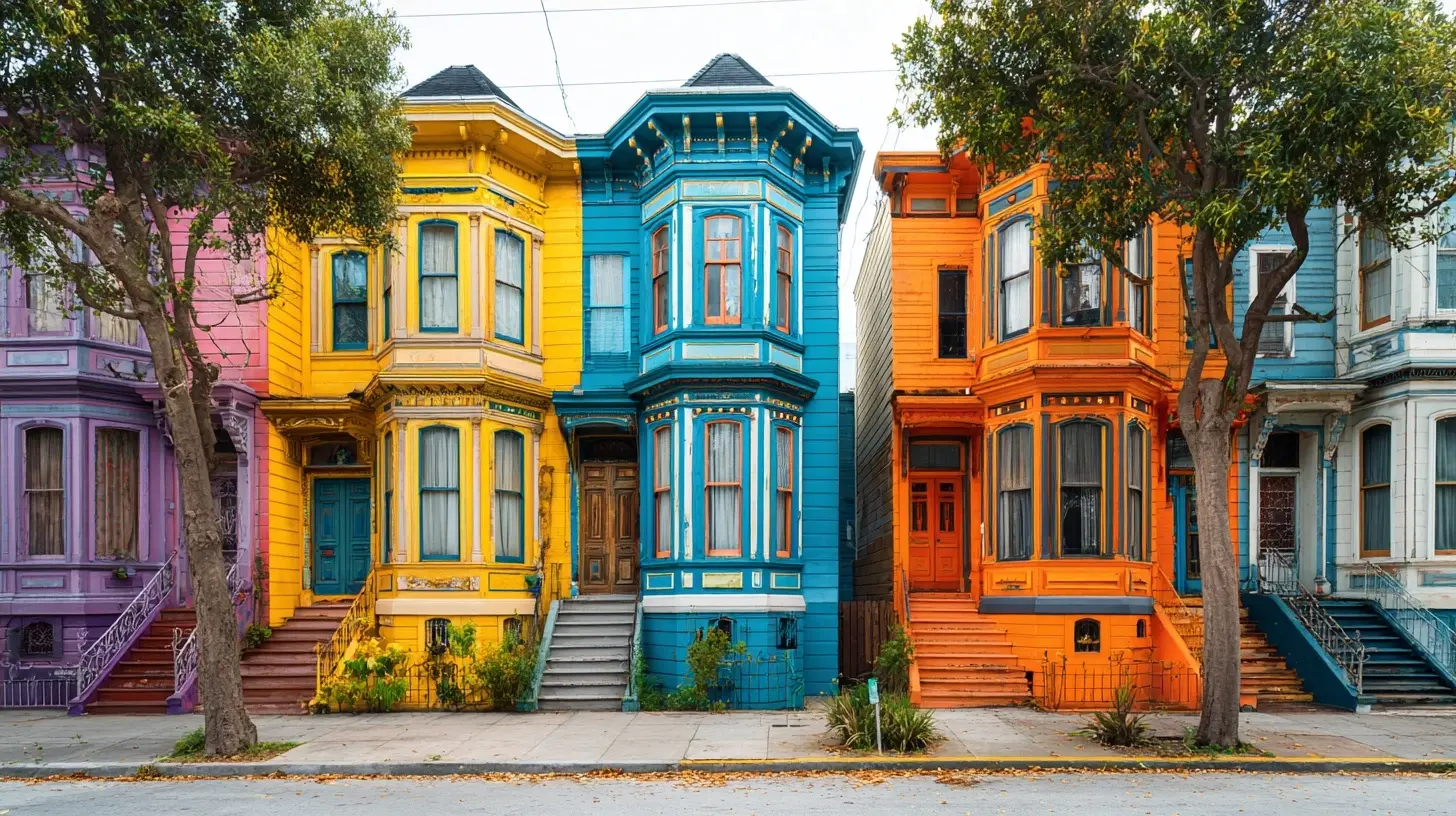
Trade-Offs of Investing in Culturally Diverse Areas
While investing in neighborhoods with cultural diversity can be rewarding, there are trade-offs to consider:Advantages
- Higher Demand: Culturally rich neighborhoods often attract a broader range of buyers, which can lead to increased property values over time.- Community Support: Diverse communities tend to foster a strong sense of belonging, which can enhance the quality of life for residents.
Disadvantages
- Market Volatility: As mentioned, cultural diversity can lead to fluctuations in property values. It is essential to monitor market trends and be prepared for possible downturns.- Gentrification Risks: Investors should be mindful of the impact of their presence in a culturally diverse area. Ensuring that developments are inclusive and do not displace existing residents is crucial for maintaining community integrity.
Common Mistakes to Avoid
When navigating the real estate market in culturally diverse neighborhoods, avoid these common pitfalls:1. Ignoring Community Sentiment: Failing to understand the local community's values and concerns can lead to backlash against new developments or business ventures.
2. Neglecting Research: Skipping thorough research on demographic trends, local economy, and neighborhood stability can result in poor investment decisions.
3. Overlooking Cultural Heritage: When developing properties, it's essential to consider the cultural significance of the area. Ignoring local history can alienate residents and detract from the neighborhood's appeal.
Best Practices for Investors
To maximize your investment in culturally diverse neighborhoods, consider the following best practices:1. Engage with Local Residents: Building relationships with the community can provide valuable insights and foster goodwill.
2. Support Local Businesses: Investing in and promoting local enterprises can enhance the neighborhood's economy and strengthen community ties.
3. Focus on Sustainable Development: Prioritize projects that are environmentally sustainable and culturally sensitive, ensuring long-term benefits for both investors and residents.
4. Monitor Trends: Stay informed about demographic shifts and emerging cultural trends, as these can impact real estate values and market dynamics.
Conclusion
Cultural diversity can significantly impact real estate value, making it essential for investors and homebuyers to understand where to find it and how it influences market dynamics. By researching demographics, engaging with the community, and analyzing real estate trends, individuals can make informed decisions that reflect not only personal preferences but also sound investment practices. embracing cultural diversity in real estate not only benefits the investor but enriches communities, forging connections that enhance the fabric of society.
all images in this post were generated using AI tools
Category:
Neighborhood GuidesAuthor:

Melanie Kirkland