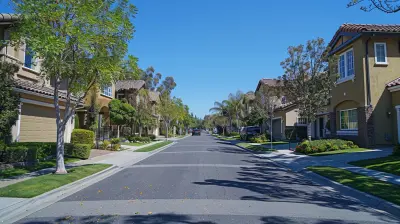
Where Urban Life Meets Nature: Cities with the Best Green Neighborhoods
28 October 2026
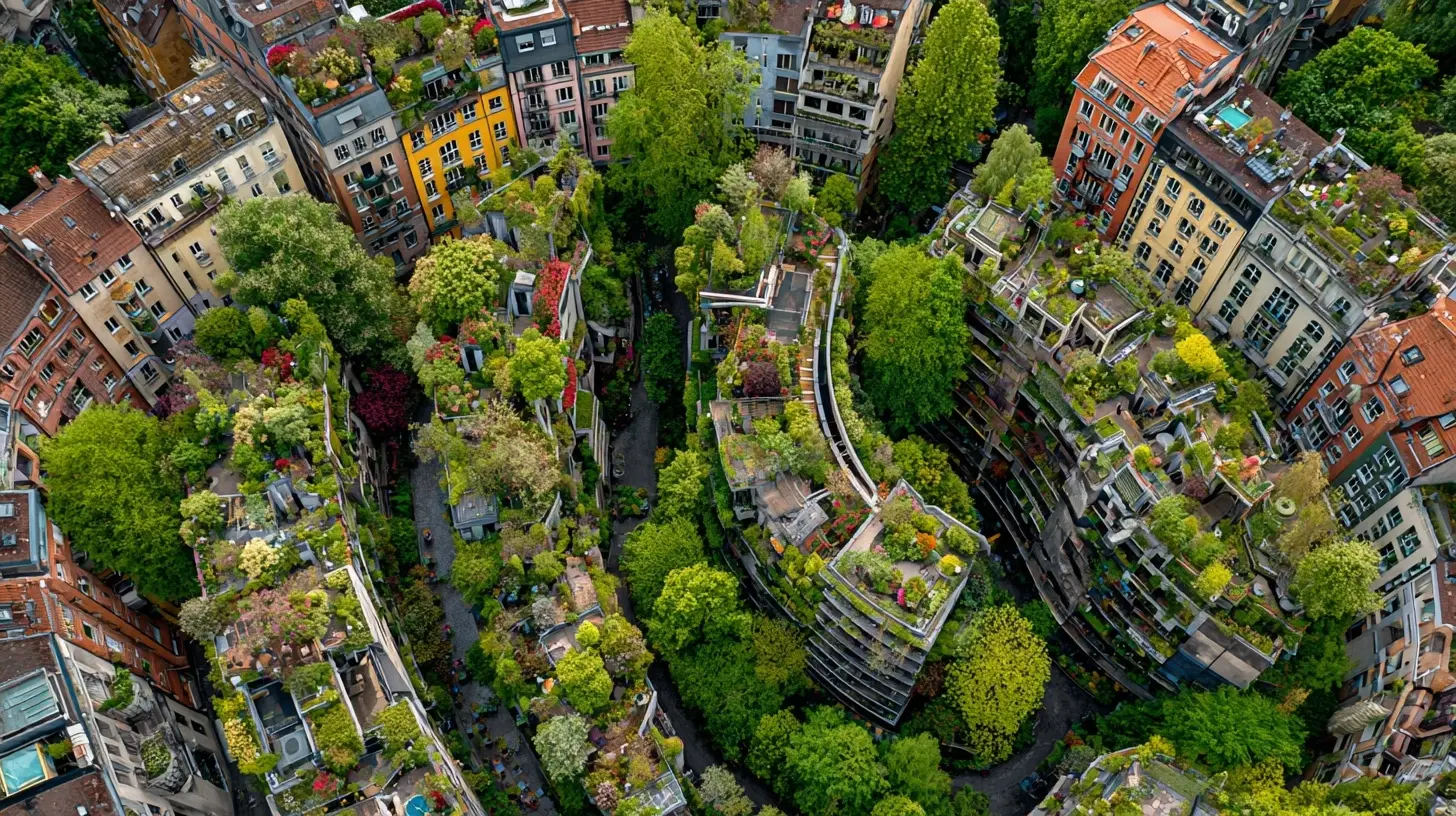
Most city dwellers accept a trade-off without questioning it: density buys convenience, and green space is the price. That framing is wrong, or at least incomplete. Some of the world's most livable cities have proven that compact urban form and genuine access to nature are not opposites. They reinforce each other when the planning is done with intent.
This article looks at what actually makes a green neighborhood work, which cities do it best, and how to evaluate a green claim before you buy or rent. If you are relocating, investing, or simply trying to read your own city more critically, the details below matter more than the marketing brochures.
What "Green Neighborhood" Actually Means
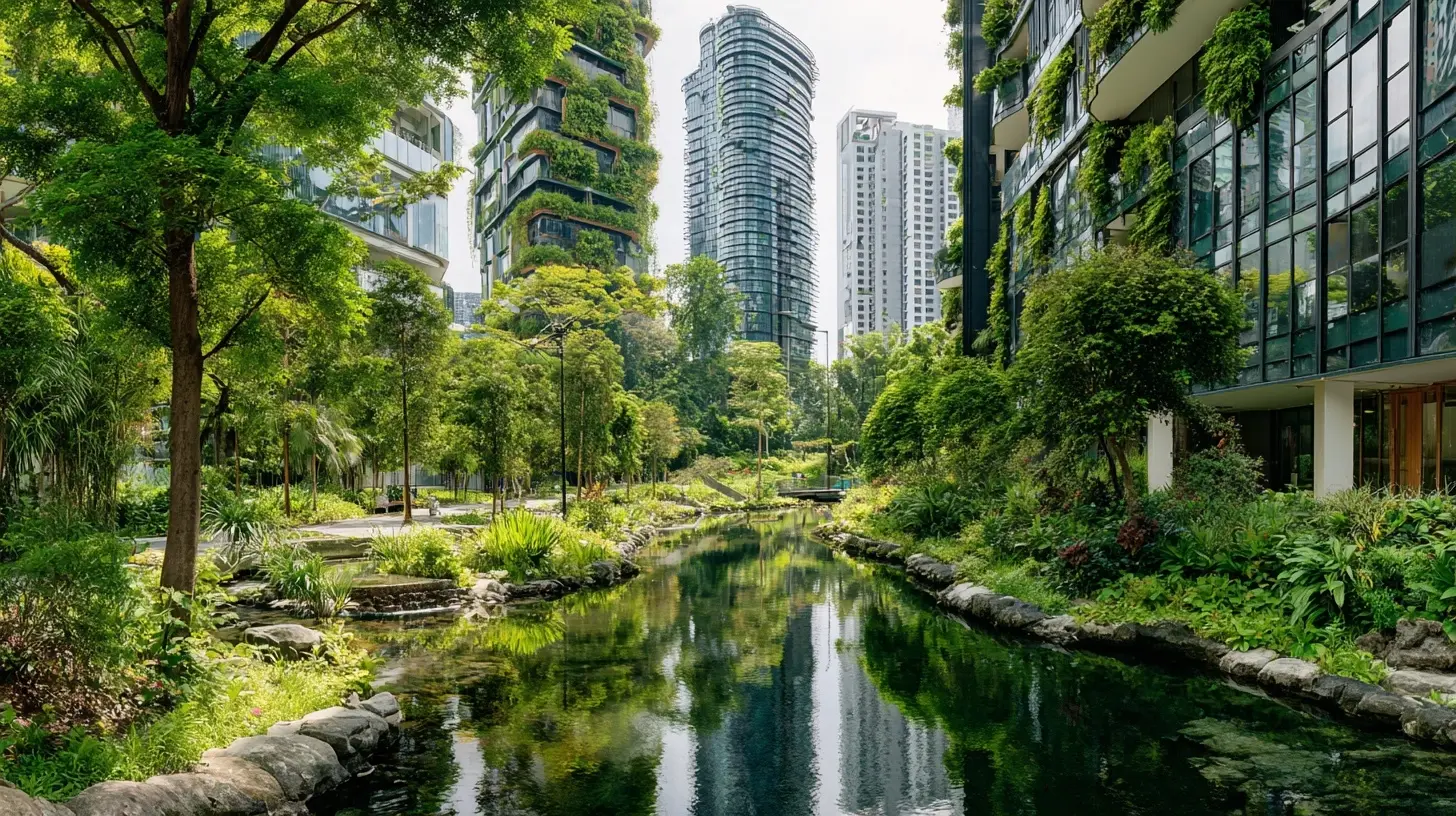
The phrase gets used loosely. A developer plants a row of ornamental trees along a new sidewalk and calls the project green. A city counts every median strip and traffic island as parkland and reports a generous acres-per-resident figure. Neither tells you much about daily life.A genuinely green neighborhood usually delivers on several fronts at once:
- Canopy coverage measured at street level, not just total park acreage. A large park on the edge of a district helps less than continuous tree cover along the routes people actually walk.
- Walkable access to green space, typically defined as a park or natural area within a five to ten minute walk from home.
- Ecological function, meaning the green space manages stormwater, supports pollinators, or cools the surrounding blocks rather than existing purely as decoration.
- Connectivity between green spaces, so wildlife and people can move through the neighborhood without crossing hostile roads.
- Public accessibility, meaning the space is open to everyone, not locked behind a private development's gate.
Why does the distinction matter? Because green amenities that fail on access or function tend to inflate property prices without improving daily life. A gated private garden raises the cost of housing on the block while doing nothing for the person two streets over. When you evaluate a neighborhood, ask which of the five criteria above are actually met, and by what.
Why Green Neighborhoods Are Not Just Nice to Have
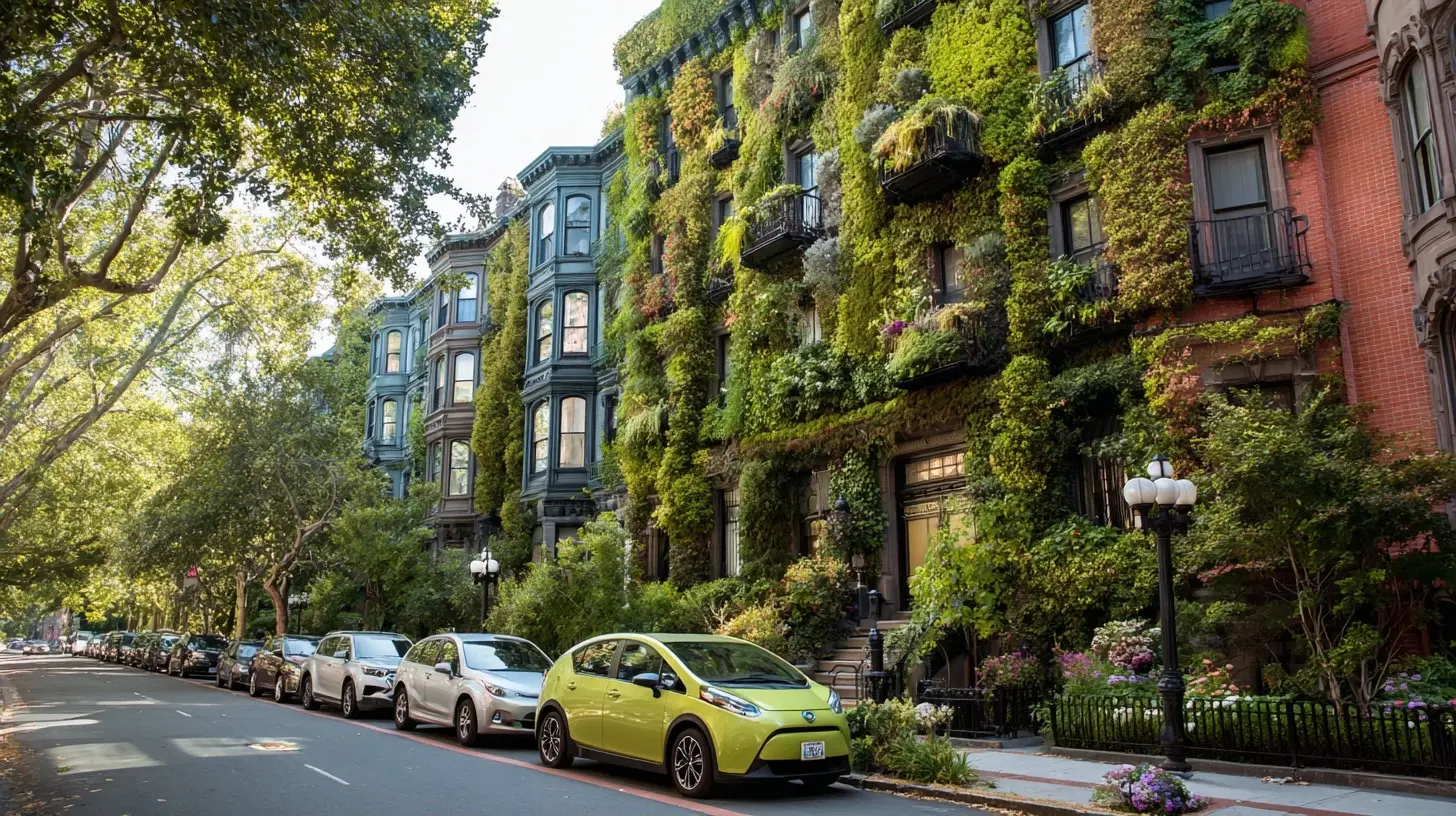
The benefits are well documented in planning and public health literature, though the precise magnitudes vary by study and climate. The mechanisms are worth understanding because they explain why some green interventions work and others disappoint.Heat. Trees and vegetated surfaces cool streets through shade and evapotranspiration. The effect is local and uneven. A single tree does little; a connected canopy can meaningfully reduce surface temperatures on a block. This is why street tree programs often outperform isolated pocket parks in hot climates.
Stormwater. Soil and vegetation absorb and slow rainfall that would otherwise hit impervious surfaces and overwhelm drainage systems. Green infrastructure like rain gardens and bioswales is cheaper than expanding pipes, but it only works when designed for the actual rainfall patterns of the site.
Mental and physical health. Access to green space correlates with better mental health outcomes and higher rates of walking and cycling. The correlation is robust; the causal pathways are still being untangled. What seems clear is that proximity alone is not enough. Perceived safety, maintenance, and the quality of the route to the park all influence whether people actually use it.
Property value. Homes near well-maintained parks and mature trees typically command a premium. This is a double-edged sword. Green improvements can accelerate gentrification, pushing out the residents who would benefit most. Cities that plan for green space without parallel affordable housing policies often see the benefits captured by wealthier newcomers.
The practical takeaway: green neighborhoods deliver real value, but the value is distributed unevenly. A savvy buyer or renter should look at who benefits and how, not just at the presence of trees.
The Cities Doing It Best
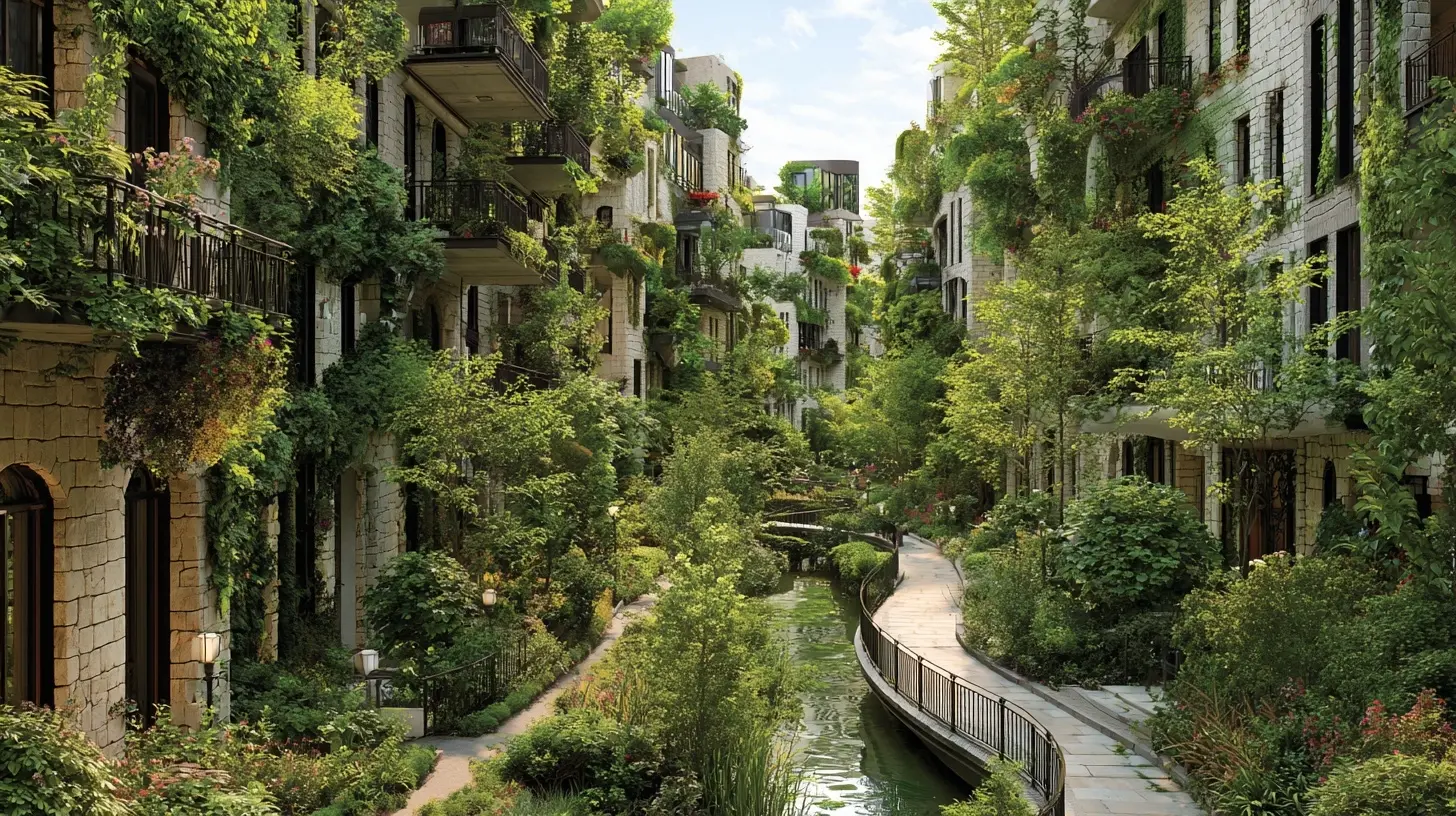
No ranking is objective, and every list of this kind reflects choices about what to weight. The cities below are included because they combine sustained policy commitment with measurable outcomes, and because each illustrates a different model worth understanding.Singapore: Green at the Scale of the City-State
Singapore is the reference case for high-density green planning. Its "city in a garden" approach integrates greenery into public housing estates, transport corridors, and building design. Vertical greenery, rooftop gardens, and park connectors link neighborhoods across the island.What makes it work is institutional. The government treats green space as infrastructure, not amenity, and plans it decades ahead alongside housing and transit. The trade-off is obvious: Singapore's model depends on strong central planning and land ownership that few cities can replicate. It also raises a fair question about how much of the green is experienced as public life versus managed scenery. Still, for anyone studying how density and nature can coexist, Singapore is the most instructive example available.
Vienna: Social Housing and Green Space Together
Vienna consistently ranks among the world's most livable cities, and a large share of its housing stock is social or cooperatively owned. That matters for green neighborhoods because it means green space and affordable housing are planned together rather than traded off.The city's park system is extensive, and many residential blocks include shared courtyards with mature trees. Because a large share of residents live in subsidized housing, green amenities are not automatically a luxury good. The lesson: green neighborhoods stay accessible when housing policy and green policy are aligned. Cities that treat them as separate portfolios tend to produce green enclaves for the wealthy and concrete for everyone else.
Freiburg: Car-Lite Planning That Sticks
Freiburg, in southwest Germany, is a smaller city with an outsized reputation. Its Vauban district is often cited as a model of car-reduced living, with residential streets designed around walking, cycling, and transit, and green space woven through the layout.The interesting part is not the technology but the politics. Residents were involved in planning decisions, which built buy-in for constraints like reduced parking. The trade-off is real: car-lite districts suit some households and frustrate others, particularly families with care responsibilities or jobs that require a vehicle. Freiburg's experience suggests that car-lite green neighborhoods work best when they are one option among several in a city, not an enforced norm imposed on everyone.
Curitiba: Early Innovation, Ongoing Challenges
Curitiba, Brazil, became famous for integrating parks with flood management and for its bus rapid transit system. Its linear parks along rivers double as drainage infrastructure, a pragmatic approach that turns flood risk into public green space.The city's story is also a caution. Early innovation does not guarantee sustained outcomes, and rapid growth has strained some of the original systems. The takeaway for other cities is that green infrastructure requires maintenance and adaptation, not just a celebrated opening.
Portland and Minneapolis: The North American Case
Portland's green infrastructure programs, including its extensive network of green streets and rain gardens, show how a mid-sized American city can retrofit stormwater management into existing neighborhoods. Minneapolis's park system, governed by an independent park board with its own funding, has produced unusually consistent park access across income levels.Both cities illustrate a North American constraint: green neighborhoods here often depend on fragmented governance and uneven funding. Success tends to come from dedicated, protected funding streams rather than one-off grants. When you evaluate a US city, look at how parks are funded and who controls the budget. That tells you more about long-term green quality than any master plan document.
How to Evaluate a Green Neighborhood Before You Commit
If you are considering a move, here is a practical checklist that goes beyond the listing photos.Walk the routes, not just the park. Visit at different times of day. A park that feels safe and busy on a Saturday morning may feel very different on a Tuesday evening. The route from your prospective home to the park matters as much as the park itself.
Check the canopy, not the brochure. Look at satellite imagery and compare tree cover across the neighborhood. Note whether trees line residential streets or only appear in a single showpiece park.
Ask about maintenance. Green space that is not maintained becomes a liability. Who mows, prunes, and repairs? Is there a dedicated budget, or does it rely on volunteers?
Understand the flooding picture. In many cities, green space doubles as stormwater infrastructure. Ask whether the neighborhood has experienced flooding and how the green infrastructure performed.
Look at the housing mix. A neighborhood with diverse housing types and tenures is more likely to keep its green amenities public and accessible over time. Homogeneous luxury development tends to privatize the best green space.
Check the plans, then check the budget. Master plans are cheap. Capital improvement budgets are not. A park that appears in a plan but has no funding line is a wish, not a feature.
Talk to residents. Ask what has changed in five years. Green neighborhoods can decline if maintenance budgets are cut, and they can also gentrify quickly. Both trajectories affect you.
Common Mistakes and Misconceptions
Mistake: assuming more park acreage is better. A city can have generous total acreage and poor access if the parks are concentrated in a few districts. Distribution matters more than the headline number.Mistake: treating trees as decoration. Street trees are infrastructure with maintenance costs and lifecycle needs. Cities that plant aggressively without funding long-term care end up with dead trees and disappointed residents.
Misconception: green neighborhoods are automatically affordable. Often the opposite. Without deliberate policy, green improvements raise land values and displace the people who need the benefits most.
Misconception: car-lite means car-free. Most successful car-lite districts still allow vehicles for deliveries, accessibility, and emergencies. The goal is reducing dependence, not banning cars outright.
Mistake: ignoring climate specifics. A green design that works in temperate Europe may fail in a hot, arid city. Plant selection, irrigation, and shade strategy must match local conditions. Copying another city's playbook without adaptation is a common and costly error.
Misconception: green space is only about recreation. The most valuable green neighborhoods treat green space as multi-functional infrastructure: cooling, drainage, habitat, and social space at once. Single-purpose design wastes the opportunity.
What to Watch For in the Next Decade
Several trends are reshaping how cities approach green neighborhoods.Green space as climate adaptation. As heat waves and heavy rainfall intensify, cities are reclassifying parks and street trees as climate infrastructure with corresponding budgets. This is generally good news, but it can also mean green space is designed for engineering performance at the expense of social use. The best projects balance both.
Equity auditing. More cities are measuring who has access to green space by income and race, not just by distance. Expect more scrutiny of green investment patterns. For buyers, this signals which neighborhoods may see public investment next.
Private green space under scrutiny. Gated developments with private gardens are increasingly questioned as a model. They deliver green amenity to a few while consuming land and often reducing public access. Some cities now require public access as a condition of density bonuses.
Maintenance as the real test. The next generation of green neighborhoods will be judged less on design and more on stewardship. Watch municipal budgets and park department staffing. Those are the leading indicators of whether a green neighborhood stays green.
A Final Word on Trade-offs
Green neighborhoods are not a free lunch. They require land, money, maintenance, and political commitment. Density and greenery can coexist, but only when cities plan for both together and fund the result over decades. The cities profiled here succeed because they treat green space as a long-term public obligation, not a marketing feature.If you are choosing where to live, the most useful question is not "which city is greenest" but "which neighborhood will still be green in ten years, and who will have access to it." Answer that, and you will make a better decision than any ranking can offer.
all images in this post were generated using AI tools
Category:
Neighborhood GuidesAuthor:

Melanie Kirkland
Discussion
rate this article
1 comments
Zoey McPhee
Great insights! Embracing nature in urban settings truly enhances city living... keep exploring!
October 28, 2026 at 4:20 AM