Why More Young Professionals Are Choosing Suburban Life in 2027
20 October 2026
Something interesting is happening in the way young professionals think about where to live. For nearly two decades, the cultural script was simple: graduate, move to a big city, rent a small apartment, hustle, and maybe someday trade up for more space. That script is being rewritten. In 2027, a growing number of people in their late twenties and early thirties are deliberately choosing suburbs, and they are not doing it as a compromise. They are doing it as a strategy.
This shift is not a passing trend driven by a single factor. It is the result of several forces converging at once: remote and hybrid work becoming normal, city housing costs staying stubbornly high, suburban downtowns maturing into real destinations, and a generation that values time, space, and financial resilience over the prestige of a big-city zip code. Understanding this shift matters whether you are a young professional weighing your own move, a homeowner thinking about selling, or an investor trying to read where demand is heading next.
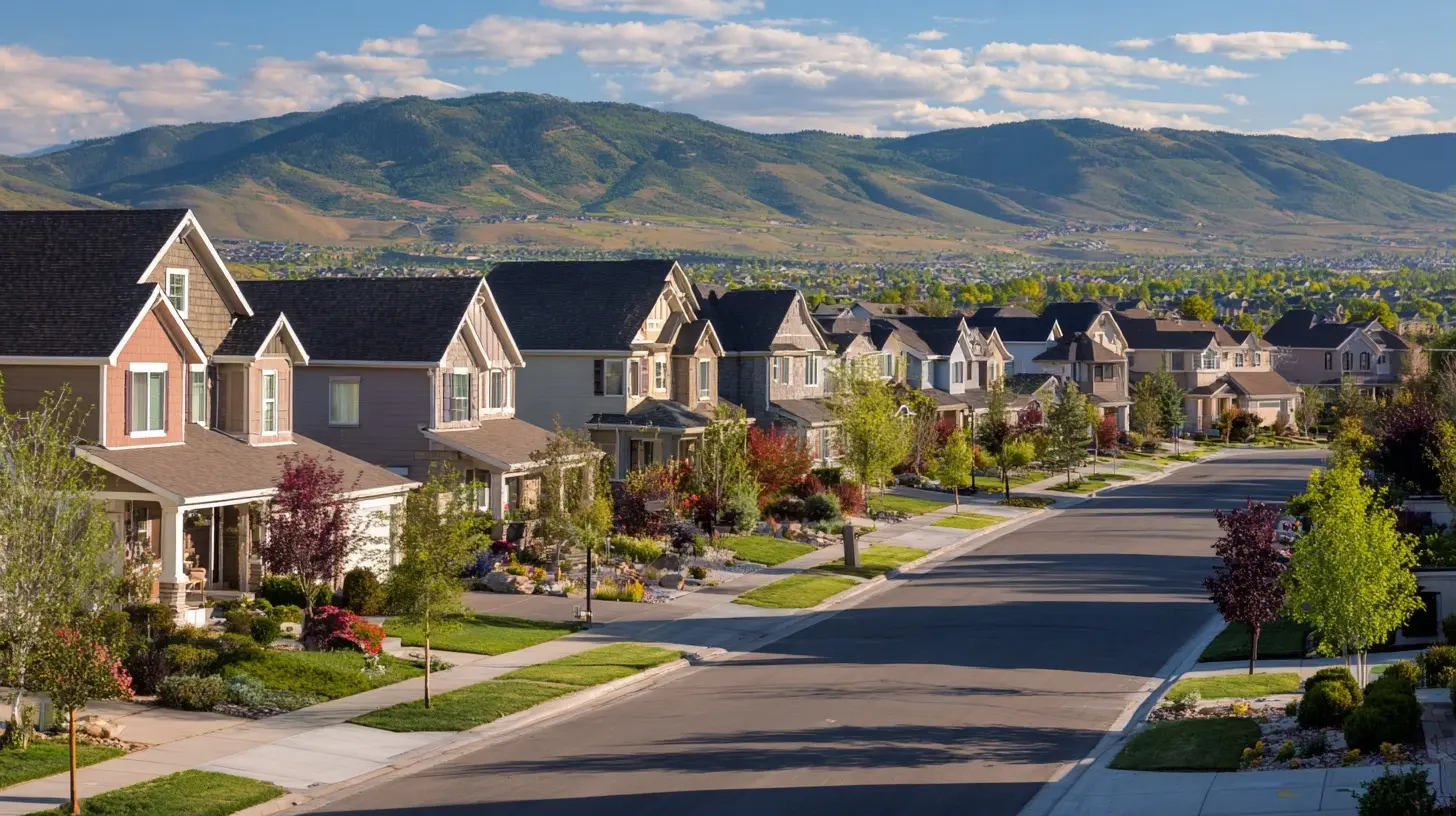
The Economics Have Flipped in Favor of the Suburbs
Money is the loudest part of this story, and it deserves a clear-eyed look.The rent-versus-space equation
In most major metros, the gap between what a city apartment costs and what a suburban home costs per square foot has widened to the point where the city premium is hard to justify. A young professional paying city rent for a one-bedroom often finds that the same monthly outlay, or modestly more, can cover a mortgage on a suburban townhouse or a small single-family home. The catch, of course, is the down payment and the shift from renting to owning.But here is the nuance many people miss: the calculation is not just about monthly payment. It is about what that payment buys. In the city, a large share of your housing dollar goes toward location and access. In the suburbs, more of it goes toward actual living space, storage, a home office, and outdoor area. For a remote worker who no longer needs to be ten minutes from an office tower, paying a location premium starts to feel like buying a subscription you never use.
Why this matters more in 2027 than it did in 2019
Before remote work became widespread, the city premium had a clear payoff: proximity to jobs, networking, and amenities. Once hybrid schedules became standard, that payoff shrank. If you only commute two or three days a week, a longer commute becomes tolerable in a way it never was when it was daily. The math changes: an extra thirty minutes each way, two days a week, is a very different cost than the same commute five days a week.This is the single most important reason the suburbs have gained ground. It is not that suburbs suddenly became cool. It is that the primary reason to live in the city weakened, while the reasons to live in the suburbs held steady or improved.
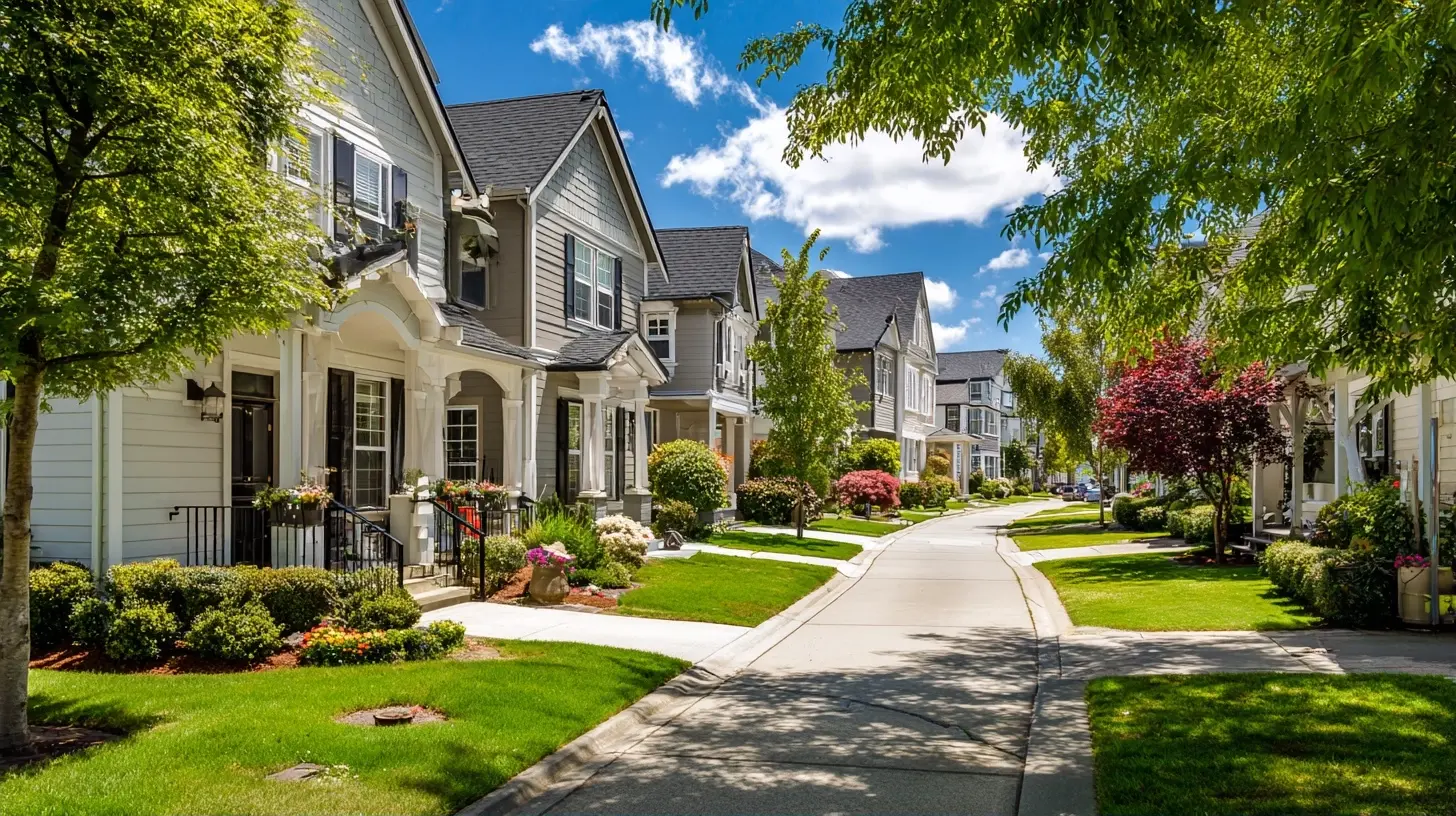
Suburban Downtowns Are No Longer What Your Parents Knew
The stereotype of the suburb as a place with nothing but cul-de-sacs and a strip mall is outdated in many regions. A large number of inner-ring suburbs have spent the past decade building genuine walkable centers: mixed-use developments with apartments above shops, farmers markets, breweries, coffee roasters, independent restaurants, and small music venues.This matters because the biggest fear young professionals have about suburban life is boredom and isolation. That fear was reasonable in 2005. It is far less reasonable in 2027 in many metros, where the suburban town center functions as a smaller, lower-stakes version of a city neighborhood.
The "15-minute suburb" idea
Some planners talk about the fifteen-minute city, where daily needs are within a short walk or bike ride. A version of this is emerging in suburbs that have concentrated amenities near their cores. If you can walk to a grocery store, a gym, a few restaurants, and a park, the practical quality of daily life can rival a city neighborhood, often at lower cost and with less noise.The key word is some. Not every suburb has this. The ones that do tend to command higher prices precisely because they offer the best of both worlds. The ones that do not can feel isolating fast. This distinction is the most common mistake buyers make: they treat "the suburbs" as one thing when it is really a spectrum from walkable town centers to car-dependent sprawl.
The Values Shift Behind the Move
Economics explains a lot, but it does not explain everything. There is a cultural dimension too.Time as the real luxury
A generation that watched burnout become normalized is rethinking what a good life looks like. For many young professionals, the appeal of the suburbs is not a bigger house for its own sake. It is a shorter path to a calmer day: a home office with a door that closes, a yard for a dog or a garden, a quieter street, a shorter line at the coffee shop. These are small things that compound into a different rhythm of life.Financial resilience over appearances
There is also a practical, slightly skeptical streak in how younger buyers approach housing now. Having seen how quickly circumstances can change, many prefer a home that can absorb shocks: extra rooms that can be rented, space for a side business, a lower fixed cost of living if income dips. A suburban home with a basement apartment or an extra bedroom is not just more space. It is optionality.This is a genuinely useful way to think about any home purchase. Ask not only "do I like this place" but "does this place give me flexibility if my job, income, or family situation changes." Suburban homes often score better on that second question simply because they tend to have more adaptable space.
Work Patterns That Make Suburban Life Practical
The suburban choice only works if the logistics work. In 2027, they increasingly do, for three reasons.Hybrid schedules reduce commute pain
As noted, a commute that happens two or three days a week is a different animal. Many young professionals structure their office days in blocks, staying late or socializing in the city on those days and working from home the rest of the week. This hybrid rhythm lets them keep city access without paying city housing prices.Remote work infrastructure is mature
Home internet, video tools, and the norm of distributed teams are no longer novel. Employers have built processes around remote work, and employees have learned how to protect focus time at home. The practical friction of working from a suburb has dropped sharply.Transit and road investments
Many regions have expanded commuter rail, bus rapid transit, and highway improvements. Not everywhere, and not always well. But where transit exists, it can make a suburban location far more viable. A suburb with a reliable train station is a fundamentally different proposition from one without.A Balanced Look at the Trade-Offs
A credible article on this topic has to be honest about what you give up, because the suburbs are not a universal upgrade. They are a different set of trade-offs.What you gain
- More space per dollar, including room for a home office and storage- Lower housing costs relative to comparable city neighborhoods
- Quieter environment and often better access to green space
- Stronger odds of owning rather than renting long term
- Room for hobbies, pets, and eventually a family without moving again
What you give up
- Walkability and spontaneous social encounters- Shorter commutes on office days
- The density of cultural amenities and late-night options
- Sometimes, a sense of energy and anonymity that cities provide
- Easy access to a wide friend group that is geographically close
The hidden costs people underestimate
The purchase price is not the whole story. Before committing, factor in:- Car ownership. Many suburbs effectively require one or two cars. Insurance, fuel, maintenance, and parking add up.
- Commute costs. Train passes, parking at stations, and the value of your time.
- Home maintenance. A house means a roof, a furnace, a lawn. Budget for it.
- Social rebuilding. If your friends are in the city, you will need to invest in new local connections. This is real work, and it is the most common source of regret.
Common Mistakes Young Professionals Make
Even a good decision can go wrong with poor execution. These are the errors I see most often.Buying for the idea of a suburb rather than a specific one
People fall in love with the concept of more space and quiet, then buy in a location with no walkable center, no transit, and a long drive to everything. Visit at different times of day. Walk the town center. Check how long it actually takes to reach the places you care about.Ignoring the resale question
A home in a suburb with no growth prospects, no amenities, and no transit can be hard to sell later. Look at whether the area is investing in its core, whether new businesses are opening, and whether younger buyers would want to live there in ten years. You are not just buying a house. You are buying into a local trajectory.Overextending on the mortgage
Lower prices can tempt buyers to stretch for a bigger house than they need. Keep your housing cost comfortably within your budget, especially if your income is variable or you work in a volatile industry. The flexibility argument cuts both ways: a smaller mortgage is itself a form of resilience.Underestimating the commute on office days
Test the actual commute during rush hour before you buy. A route that looks fine on a map can be miserable in practice. If transit is part of your plan, confirm the schedule and reliability, and check how you will get to the station.Assuming remote work is permanent
Hybrid and remote arrangements are common, but they are not guaranteed. If your employer could require more office days, make sure the location still works at three or four days a week, not just one or two.Practical Advice for Making the Move Well
If you are seriously considering a suburban move, here is a sequence that tends to work.1. Define your non-negotiables. Is it a walkable center, a train station, a specific school district, a short drive to family, or a home office? Rank them honestly.
2. Set a realistic budget that includes the hidden costs. Cars, commuting, maintenance, and a cushion for surprises.
3. Shortlist three to five suburbs, not one. Compare them on amenities, transit, trajectory, and resale potential.
4. Rent first if you can. A year in the area tells you more than any amount of research. If renting is not practical, spend several full days there, including evenings and weekends.
5. Talk to people who already live there. Ask about noise, traffic, community, and what surprised them.
6. Check the local growth plan. Zoning changes, new transit, and commercial development signal where an area is heading.
7. Buy for your next ten years, not your next two. Circumstances change. Choose a home that can adapt.
What This Means for the Market
For buyers, the suburban shift means competition is real in the most desirable inner-ring suburbs, especially those with walkable centers and transit. Expect to move quickly and to pay a premium for the best locations. For sellers in those areas, demand from younger buyers is a genuine advantage, but presentation and pricing still matter. For investors, the signal is to watch suburbs with maturing town centers and improving transit, not just the cheapest outer areas.The broader point is that "suburb" is no longer a single market. The gap between a thriving walkable suburb and a car-dependent one is widening, and that gap will likely define home values for years.
The Bottom Line
Young professionals are choosing suburban life in 2027 for reasons that are practical, financial, and personal all at once. Remote and hybrid work loosened the grip of the city center. Suburban downtowns matured into places worth living near. Housing costs made the city premium harder to justify. And a generation that values time, flexibility, and resilience found that the suburbs offer a compelling answer.None of this means cities are finished. They remain unmatched for density, culture, and spontaneous connection, and many young professionals will still choose them. The real story is that the choice is no longer automatic in either direction. That is good news. It means people are weighing their options with clear eyes rather than following a script. If you are considering a move, do the same: visit, run the numbers, test the commute, and buy for the life you actually want, not the one you think you are supposed to want.
all images in this post were generated using AI tools
Category:
Suburban HomesAuthor:

Melanie Kirkland