Your Guide to Relocating with Kids
12 April 2026
Moving to a new home is a huge milestone, but when you have kids in the mix, it takes on a whole new level of complexity. It’s not just about packing boxes and forwarding mail—it’s about helping little hearts and minds adjust to change.
If you're wondering how to make relocating with kids as smooth and stress-free as possible, you’re in the right place. With the right approach, moving can be an exciting adventure rather than a daunting challenge. Let’s dive into some expert tips to help your family transition to a new home with confidence! 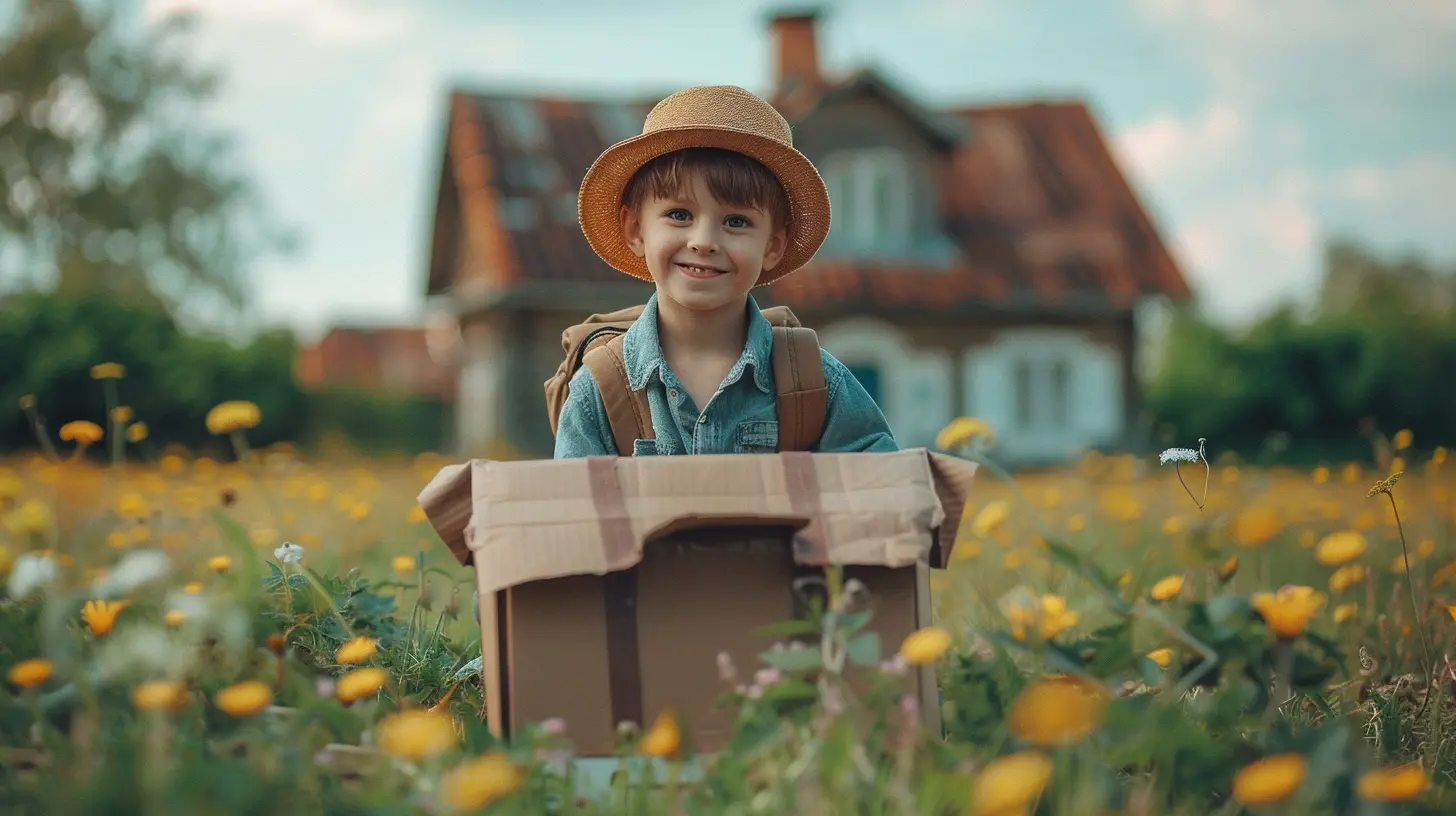
1. Preparing Your Child Emotionally for the Move
Start the Conversation Early
Kids thrive on routine, and a big change like moving can feel overwhelming. Talk to them about the move as soon as you can. Explain why you’re moving and what they can expect. Keep it simple, honest, and positive.Highlight the Positives
Instead of focusing on what they’re leaving behind, emphasize what they’ll gain. Maybe there's a bigger backyard, a room of their own, or a cool new playground nearby. Let them see the move as an adventure rather than a disruption.Encourage Questions and Feelings
Kids need reassurance. Let them ask as many questions as they want, and acknowledge their feelings. If they’re sad about leaving friends or nervous about a new school, validate those emotions while offering encouragement.
2. Getting Kids Involved in the Moving Process
Give Them a Sense of Control
Let kids be a part of the process. Something as simple as letting them pack their own "special box" with their favorite toys, books, and treasures can make a big difference.Visit the New Neighborhood (If Possible)
If you're moving locally or within driving distance, take a trip to the new neighborhood. Visit local parks, show them their new school, and maybe even grab a treat from a nearby ice cream shop. Familiarity creates comfort.Create a Moving Countdown
A countdown calendar can help kids process the move. Mark important days like "packing day," "last day at school," and "moving day" so they feel prepared.
3. Packing and Organizing Without the Stress
Turn Packing into a Game
Instead of making packing feel like a chore, turn it into a fun challenge. Who can pack their toys the fastest? Who can come up with the best label for a box? A little creativity goes a long way.Declutter Before You Pack
Moving is the perfect time to purge items you no longer need. Let kids help decide which toys, clothes, or books they want to donate. This gives them a sense of contribution and lightens your load.Pack an “Essentials Bag” for Moving Day
Last-minute digging through boxes for diapers, pajamas, or a favorite stuffed animal? No thanks! Pack an easily accessible bag with daily essentials like clothes, toiletries, snacks, and any comfort items your child needs.
4. Moving Day: Keeping Chaos Under Control
Arrange for Childcare (If Possible)
If you have younger children, consider asking a trusted family member or friend to watch them on moving day. This keeps them safe and allows you to focus on getting everything in order.Have Snacks and Entertainment Ready
Long moving days can be exhausting for kids. Keep a stash of their favorite snacks, books, and a tablet or coloring books handy to keep them entertained.Say a Proper Goodbye
Moving often means leaving behind familiar places and friends. Let kids visit their favorite spots one last time, take pictures, and even have a small “goodbye party” with close friends. This helps provide closure.5. Helping Kids Settle into Their New Home
Unpack Their Room First
Before you dive into the kitchen or living room, set up your child’s space first. Having a familiar and cozy space right away can help them feel safe and comfortable. Bonus points if you keep their favorite blanket or stuffed animal within reach!Stick to Familiar Routines
Kids find comfort in routines, so try to maintain the same meal, bedtime, and playtime schedules as much as possible. This consistency helps them adjust faster.Explore Together
Walk around your new neighborhood as a family. Find local parks, nearby schools, and kid-friendly hangout spots. If they see exciting new places, they’ll be more excited about the move.6. Helping Kids Adjust to a New School
Tour the School Beforehand
If possible, take your child to visit their new school before their first day. Meeting their teacher, seeing their classroom, and checking out the playground can ease first-day jitters.Encourage Friendships
Making friends in a new place can feel intimidating. Encourage your child to say hello to classmates, join a club, or invite a neighbor over for a playdate. Sometimes, all it takes is one friendly face to feel at home.Be Patient
Adjusting to a new school takes time. If your child comes home feeling a little lost or frustrated, reassure them that things will get better. Stay positive, be supportive, and remind them that making new friends takes time.7. Managing Post-Move Emotions
Check In Regularly
Even after the move, take time to check in with your kids emotionally. Ask how they’re feeling about their new home, school, and friends. Keep the conversation open and ongoing.Create New Traditions
Start fun new traditions in your new home. It could be as simple as a Friday night movie marathon, exploring new restaurants, or finding a go-to weekend activity. Building happy memories will help create a sense of belonging.Give It Time
Moving is a big adjustment, and it’s totally normal for kids to take a little while to settle in. With love, patience, and support, they’ll soon start to embrace their new home with open arms.Final Thoughts
Relocating with kids might feel like an uphill climb at times, but with the right mindset and preparation, it can be a smooth and even joyful experience. Instead of viewing the move as a disruption, see it as an opportunity for new beginnings and exciting adventures.By involving your kids in the process, keeping routines in place, and offering emotional support, you’ll ensure they not only adjust well but thrive in their new home.
Here’s to a fresh start and new memories in your family's next chapter!
all images in this post were generated using AI tools
Category:
Relocation TipsAuthor:

Melanie Kirkland
Discussion
rate this article
2 comments
Devin McPherson
Relocating with kids is like herding cats on roller skates. You pack, they unpack. You find boxes in the fridge while they're trying to set up a fort in the living room. Just remember, snacks are your secret weapon for a smoother move... and sanity.
May 2, 2026 at 2:53 AM
Melanie Kirkland
Absolutely! Keeping snacks handy can make all the difference. Embrace the chaos and enjoy the adventure... it will be a wild ride for sure!
Savannah Scott
Relocating with children transcends logistics; it reshapes their world. Beyond new schools and neighborhoods, it’s an opportunity to cultivate resilience and adaptability. In every box packed, we instill lessons in growth—teaching them that home is where they make it.
April 16, 2026 at 10:57 AM
Melanie Kirkland
Absolutely, relocating teaches kids invaluable life skills. Each change helps them grow stronger and more adaptable, turning challenges into opportunities for development. It's all about creating a sense of belonging no matter where they are.