Recent Real Estate Transactions in Macomb County (July 15-19, 2024)
December 8, 2024 - 12:18
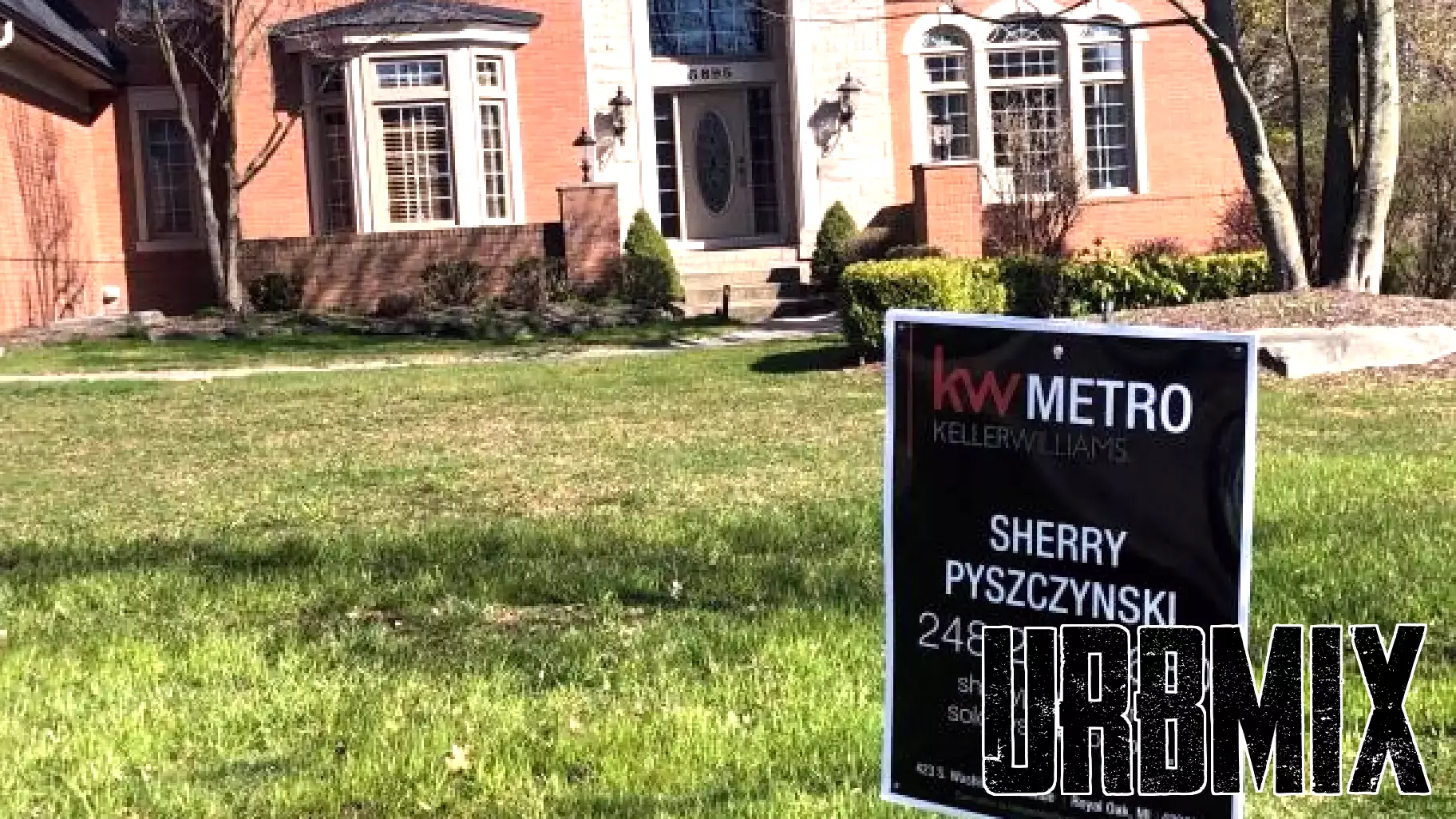
During the week of July 15-19, 2024, Macomb County witnessed a series of notable real estate transactions that reflect the ongoing dynamics of the local property market. A variety of residential and commercial properties changed hands, highlighting the diverse interests of buyers and investors in the region.
Among the highlights, several single-family homes were sold in suburban neighborhoods, indicating a continued demand for housing in Macomb County. These transactions suggest that families and individuals are seeking more space and favorable living conditions, a trend that has been prevalent in recent months.
Additionally, commercial properties also saw movement, with businesses expanding or relocating within the county. This activity points to a robust economic environment, as entrepreneurs capitalize on the opportunities available in Macomb County.
As the real estate market continues to evolve, these transfers reflect broader trends in population growth and economic development, positioning Macomb County as a key player in the regional real estate landscape.
MORE NEWS

October 27, 2026 - 05:28
Mel Robbins' Homes: From a Massachusetts Farmhouse to a Vermont Family RetreatThe bestselling author behind `The Let Them Theory` spent years raising her family outside of Boston before relocating to Southern Vermont. Her real estate journey reflects the same themes she...

October 26, 2026 - 06:40
Autodesk Pushes Unified Platform for Project DeliveryAutodesk is making a significant strategic move toward consolidating project delivery around a single platform. With Autodesk Forma, the company is linking planning, design, construction, and...

October 25, 2026 - 22:28
Patrick's Pub On Lake Hopatcong Listed For SaleA longstanding waterfront restaurant and bar on Lake Hopatcong has hit the market with an asking price of nearly $1.5 million, giving a prospective buyer the opportunity to acquire a turnkey...

October 25, 2026 - 00:59
NFL quarterback Aaron Rodgers's 10,000 square feet New Jersey mansion on Cedar Grove–Montclair border listAaron Rodgers has placed his New Jersey home on the market with an asking price of $15 million. The 10,000 square foot property sits at 349 Crestmont Road, built on 2.39 wooded acres along the...